






You Won’t Believe the Weight Dricus Du Plessis Has to Cut Just to Step into the Octagon at UFC 319
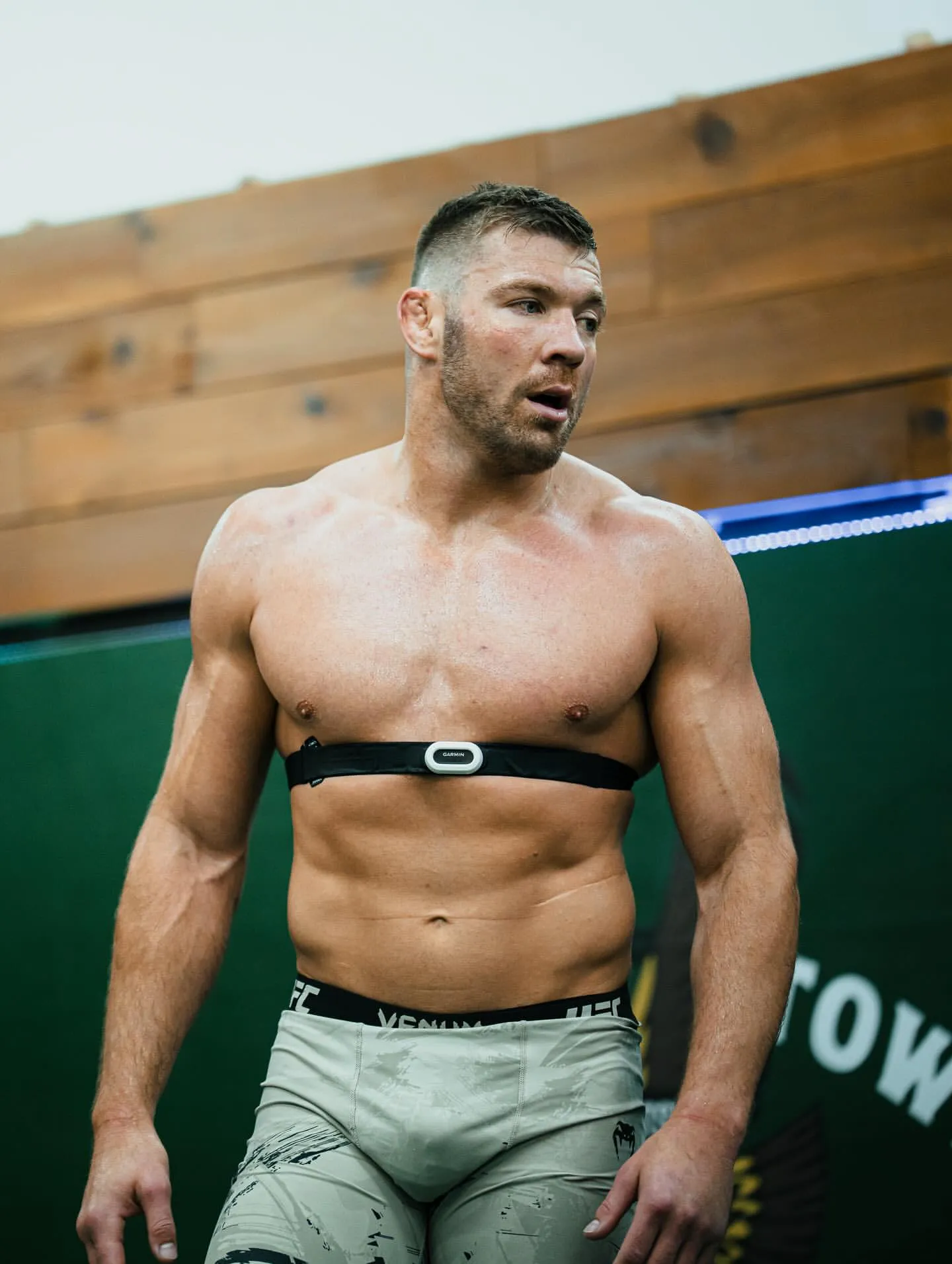
Before facing Khamzat Chimaev at UFC 319, Dricus Du Plessis had to overcome a foe more dangerous than any fighter — his own body. Starting from over 230 pounds, the South African middleweight champion was forced to cut nearly 20 kilograms in just 10 days to make the official weigh-in. This wasn’t just a weight cut — it was a fight for survival, where every gram of sweat could determine the outcome of the match.
The Fight Before the Fight
Before Dricus Du Plessis even throws a punch at UFC 319, he must win a battle against his own body. The reigning UFC Middleweight Champion is preparing for a war with undefeated Chechen beast Khamzat Chimaev. But what most fans don’t see is the silent struggle outside the Octagon: Du Plessis must cut nearly 45 pounds (around 20kg) in just 10 days to make the 185 lbs middleweight limit. That’s more than a third of his natural walking weight—a feat bordering on madness, yet meticulously calculated.
The Reality of Weight Cutting in MMA
Weight cutting is a common, controversial, and brutal part of mixed martial arts. Fighters often drop immense amounts of water weight to qualify for a lower weight class, giving them an advantage in strength, reach, and size on fight night.
But when you start from 225-230 lbs, like Du Plessis claims he does, the drop to 185 lbs becomes a biological gauntlet. For context, that’s like transforming from a small heavyweight to a middleweight in just over a week’s time.
Joe Rogan, UFC commentator and MMA expert, aptly put it: “Du Plessis looks like a light heavyweight, maybe even a heavyweight… Cutting to 185? That’s insane.”
Science or Suicide? How Fighters Actually Cut Weight

Cutting nearly 20kg isn’t as simple as skipping meals. Fighters go through a scientifically engineered process that includes:
-
Severe water restriction
-
Sweat sessions in saunas or hot baths
-
Carb and salt depletion
-
Hyperhydration cycles
-
Extreme calorie deficits
The result? Temporary dehydration that fools the scale, not the body. In that fragile state, they must then rehydrate and refuel within 24 hours to regain strength for fight night.
Risk Factors Include:
-
Electrolyte imbalance
-
Fainting
-
Organ strain
-
Slowed reaction time
-
Long-term metabolic damage
For Du Plessis, the risk is even higher due to the sheer scale of the cut. Yet, he’s done it before, and he’s confident in doing it again.
UFC 319 — The Showdown with Chimaev
UFC 319 is not just a title defense. It’s a high-stakes confrontation between two elite, undefeated warriors. On August 16, 2025, at the United Center in Chicago, the South African champion will face the Chechen phenom known for steamrolling opponents in the first round.
This fight isn’t just about legacy. It’s about surviving the fight before the fight.
What makes it even more dramatic is Du Plessis’ choice to go through Chimaev’s strength—grappling—rather than around it. His coach, Morne Visser, boldly states: “Why not wrestle him? That’s where we plan to break him.”
But to implement that strategy, Du Plessis must first be healthy enough to execute it.
The Cutting Edge Team Behind the Cut
Behind Du Plessis is a team of professionals: nutritionists, strength coaches, hydration experts, and sports scientists. Their job? To micromanage every gram lost.
They monitor:
-
Daily weight and body composition
-
Hormonal shifts
-
Sleep quality
-
Psychological readiness
-
Food and fluid intake
The camp follows a precise protocol that shifts every 24 hours as the weigh-in approaches. One mistake can derail the entire cut or worse—lead to a botched fight performance.
Why Fighters Take the Risk
Why not just fight at a more natural weight?
Simple: competitive advantage. By cutting down and then rehydrating, fighters can walk into the cage up to 20 lbs heavier than their opponents.
For Du Plessis, this means being a natural light heavyweight in a middleweight division. When done right, this size disparity allows for:
-
More powerful strikes
-
Better control in clinch/wrestling
-
Higher resilience to damage
But it’s a high-risk, high-reward strategy. And it only works if the recovery goes perfectly.
Psychological Warfare
The mental toll of a massive weight cut cannot be overstated. As Du Plessis goes through the process, he must also juggle:
-
Media obligations
-
Open workouts
-
Face-offs and press conferences
-
Fight planning
-
Public scrutiny
He enters UFC 319 physically depleted but mentally unshaken. He’s even confident enough to taunt Chimaev, claiming his game is “one-dimensional,” and that he plans to dismantle him “on his own turf.”
That kind of confidence only comes from surviving worse battles—like pushing your body to the brink.
What Happens If It Goes Wrong?

If Du Plessis misses weight, the implications are severe:
-
Loss of title
-
Fines and penalties
-
Mental edge handed to Chimaev
Worse still, if the weight cut damages him too much, he might show up on fight night flat, sluggish, or underpowered.
Many past UFC fighters have crumbled under the pressure of a botched cut. Du Plessis knows this and has built redundancies into his camp to prevent disaster.
The Bigger Picture — Du Plessis’ Long-Term Plans
Interestingly, UFC 319 might be Du Plessis’ final cut to middleweight. He has expressed interest in moving up to light heavyweight after a successful trilogy of title defenses.
This fight could serve as proof of his ability to manage extreme physical transitions—a skill necessary if he wants to become a multi-division champion, like his idols Georges St-Pierre and Daniel Cormier.
By managing this cut effectively, he shows he has the discipline, science, and strategy to climb multiple mountains in the MMA landscape.
The Cut That Defines a Champion
While all eyes are on the Octagon, the real battle begins long before the cage door closes. For Dricus Du Plessis, UFC 319 is not just about beating Khamzat Chimaev. It’s about conquering the most dangerous opponent of all: the human body under extreme stress.
As he steps onto the scale at 185 lbs, few will remember that he woke up weeks before weighing 230 lbs. Fewer still will understand what that transformation truly cost him.
But when the lights go on in Chicago, and the crowd roars for war, Du Plessis will already have won one fight. All that’s left is to win the next one—against the Wolf himself.
Stay tuned to UFC 319: August 16, 2025, for what could be the most punishing—and rewarding—night of Dricus Du Plessis’ career.
Related News