They Said He Wasn’t ‘Marketable’—Now ‘Nothin’ on You’ Made Bruno Mars a Global Icon
Before the world sang along to “Nothin’ on You,” before his Grammy wins, Super Bowl halftime shows, and multi-platinum records, Bruno Mars was just another name on a list—crossed out by an industry that didn’t think he fit the mold.
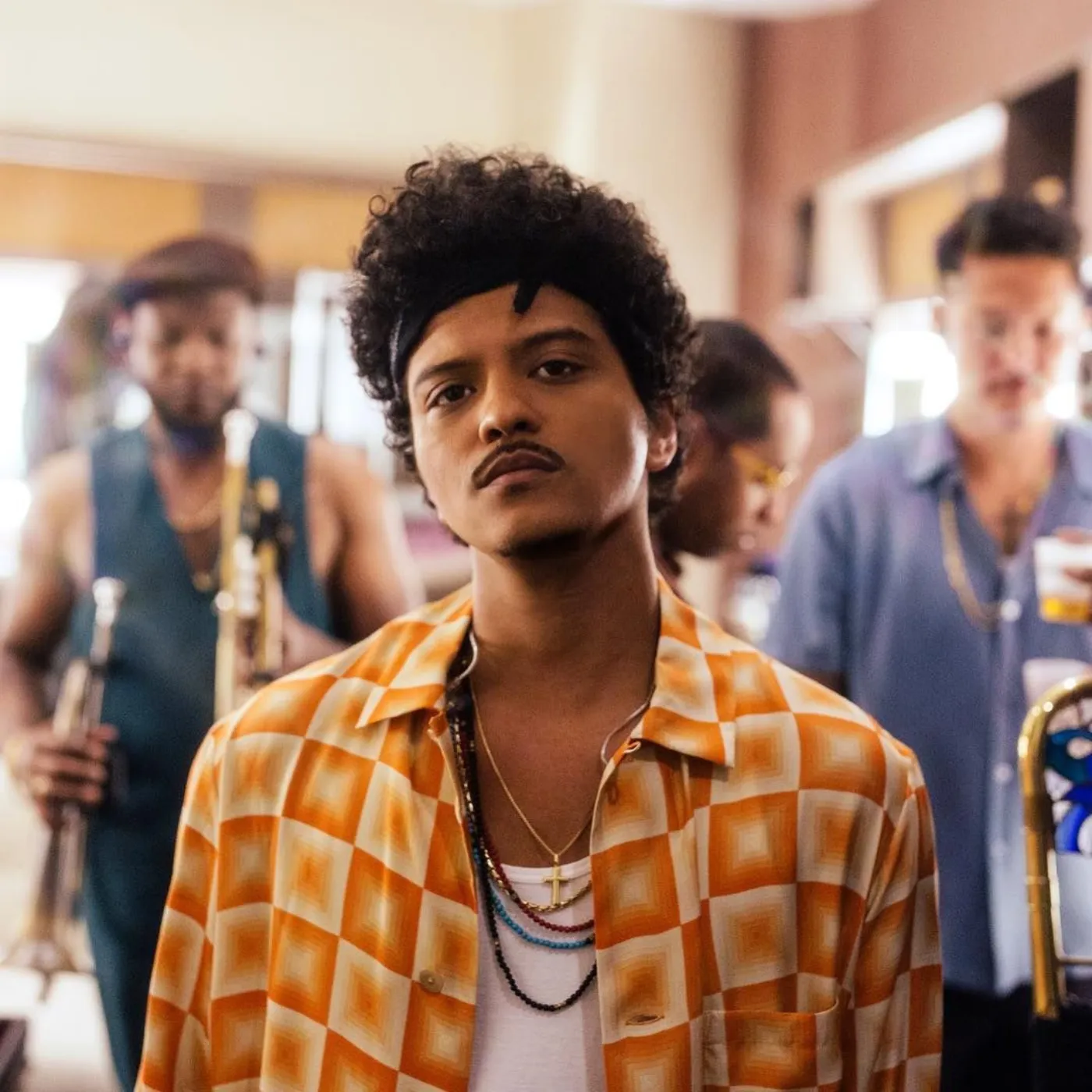
Back in 2009, a young Bruno Mars, still known in industry circles more as a songwriter than a performer, pitched “Nothin’ on You” to several record executives. He wasn’t just trying to sell a song—he was trying to sell himself. But what he got in return was a gut punch. According to Mars, the response wasn’t about the song’s quality but about his image. He was told flat-out, “You don’t look like a pop star.”
The rejection didn’t stop there. Executives dismissed him as “not marketable.” The phrase was vague, but the undertones were crystal clear to Mars. In multiple interviews since, he’s hinted that racial bias played a part in why the industry hesitated to back him. He wasn’t the typical poster boy they were used to selling.
Bruno Mars’ story is a masterclass in how to turn a door slammed in your face into a worldwide opening.
“Nothin’ on You” Almost Didn’t Happen
The track, written by Mars and his production team, The Smeezingtons, had all the ingredients of a hit: smooth verses, an unforgettable hook, and a melodic structure made for radio. But no one wanted to take a chance on Mars performing it.
Instead, it was rapper B.o.B who recorded the track with Mars on the hook. The result? A song that skyrocketed to No. 1 in multiple countries and became one of 2010’s biggest hits. The hook—the part Mars sang—became the soul of the track.
Suddenly, the same industry that had once told Mars he wasn’t pop star material couldn’t get enough of him. And Mars, rather than being bitter, used the success of the song to kick down every door that had been closed to him.
From Backup to Headliner
“Nothin’ on You” wasn’t just a chart-topping hit; it was a turning point. The success of the single opened the floodgates for Mars’ solo career. His debut album, “Doo-Wops & Hooligans,” released later in 2010, cemented his place in music history.
Songs like “Just the Way You Are” and “Grenade” didn’t just dominate radio—they reshaped the landscape of pop music. Bruno Mars was no longer someone you heard on a feature. He was the main event.
But the sting of that early rejection never quite left. In interviews, Mars has spoken about how those experiences shaped his work ethic. “When someone tells you you’re not enough,” he once said, “you either believe them or prove them wrong.”
The Ugly Truth About ‘Marketability’
The term “not marketable” gets tossed around often in the entertainment industry. But what does it really mean? For Mars, it became a code word for something deeper and more problematic: racial stereotypes, image-based discrimination, and the narrow lens through which the industry often views talent.
Mars, born Peter Gene Hernandez, is of Filipino, Puerto Rican, and Ashkenazi Jewish descent. His look didn’t fit the traditional pop blueprint many execs were comfortable with.
Rather than change himself to fit their mold, Mars stayed true to his identity. And it’s that authenticity that fans gravitated to. His fashion, his swagger, and his blend of genres—all of it screamed originality in a world drowning in copycats.

Turning Rejection Into Anthem
There’s an almost poetic irony in the fact that the song that got him rejected became the anthem that launched his global career. “Nothin’ on You” wasn’t just a love song—it was a declaration. It told the world that what you bring to the table matters more than how you look doing it.
Bruno Mars didn’t just survive the industry’s rejection—he rewrote the rules.
From Outsider to Industry Standard
Mars has now sold over 130 million records worldwide. He’s a 15-time Grammy Award winner, known for live performances that rival any act on the planet. From doo-wop to funk to soul, he’s done it all—and with a style that’s uniquely his.
But the shadow of that early rejection still looms, serving as a reminder that success isn’t always handed to those with talent. Sometimes, it’s wrestled from the grip of bias and short-sightedness.
What makes Mars’ story resonate is not just his music, but his resilience. In a world obsessed with image, he proved that substance still matters.
Lessons from Bruno’s Journey
Bruno Mars didn’t just break into the music industry—he shattered every stereotype, expectation, and industry standard that tried to keep him out. What happened to him before “Nothin’ on You” hit the airwaves wasn’t just rejection. It was a wake-up call for an entire generation of artists who’ve been told they don’t “fit the mold.”
So what exactly can we learn from Bruno’s journey?
1. Don’t Let Anyone Define Your Worth—Especially Not the Gatekeepers
When a major label told Mars he didn’t have “the look,” they weren’t just rejecting a demo. They were writing off his entire presence—his face, his background, his vibe—as not enough.
But they were wrong. Because the very things they saw as “unmarketable” became the defining elements of his global brand. The swagger, the voice, the charisma—none of it was manufactured.
Key takeaway? The world is full of people trying to shrink your potential to fit their limitations. Don’t let them. Mars proved that you don’t need to conform to dominate.
2. Rejection Is a Blueprint—If You Know How to Read It
What separates the legends from the lost? How they respond to rejection.
Mars didn’t disappear. He didn’t go underground and stew in bitterness. He took every “no” and turned it into a beat, a lyric, a stage-burning performance. He turned the sound of “not yet” into “now watch me.”
In his case, the song that got passed over became the stepping stone to stardom. Rejection didn’t bury him—it built him.
This is more than motivational fluff. This is a hard truth for anyone who’s been benched, ghosted, or passed over: Sometimes your biggest win starts with your worst loss.
3. Be Unapologetically You—Even When It’s Risky
Bruno Mars could’ve tried to mold himself into the cookie-cutter pop star lookbook. He didn’t. He stayed grounded in who he was—from his multicultural background to his genre-blending style.
And that authenticity? It’s the very thing that made the world listen. While others chased trends, he built an identity that couldn’t be duplicated.
That’s the secret sauce behind longevity. You can imitate a hit, but you can’t clone a legend.
So if you’re facing pressure to tone it down, water it down, or dumb it down—remember Bruno. He bet on himself. And the world couldn’t stop betting on him.
Final Word: Rejection Doesn’t End the Story—It Starts the Legacy
Bruno Mars’ climb from the fringes of the industry to the top of the charts isn’t just a tale of resilience. It’s a roadmap for anyone who’s ever been underestimated.
In a business where being overlooked can be career-ending, Bruno’s story shows that being dismissed doesn’t mean being defeated.
He didn’t fight for permission—he carved his own lane. And now? The same industry that once said he wasn’t marketable is begging for features, interviews, and collaborations.
Let that sink in.
So the next time someone tells you that you’re too different, too niche, or too “unfit” for the spotlight, remember this:
They said the same thing to Bruno Mars—right before he took over the world.