








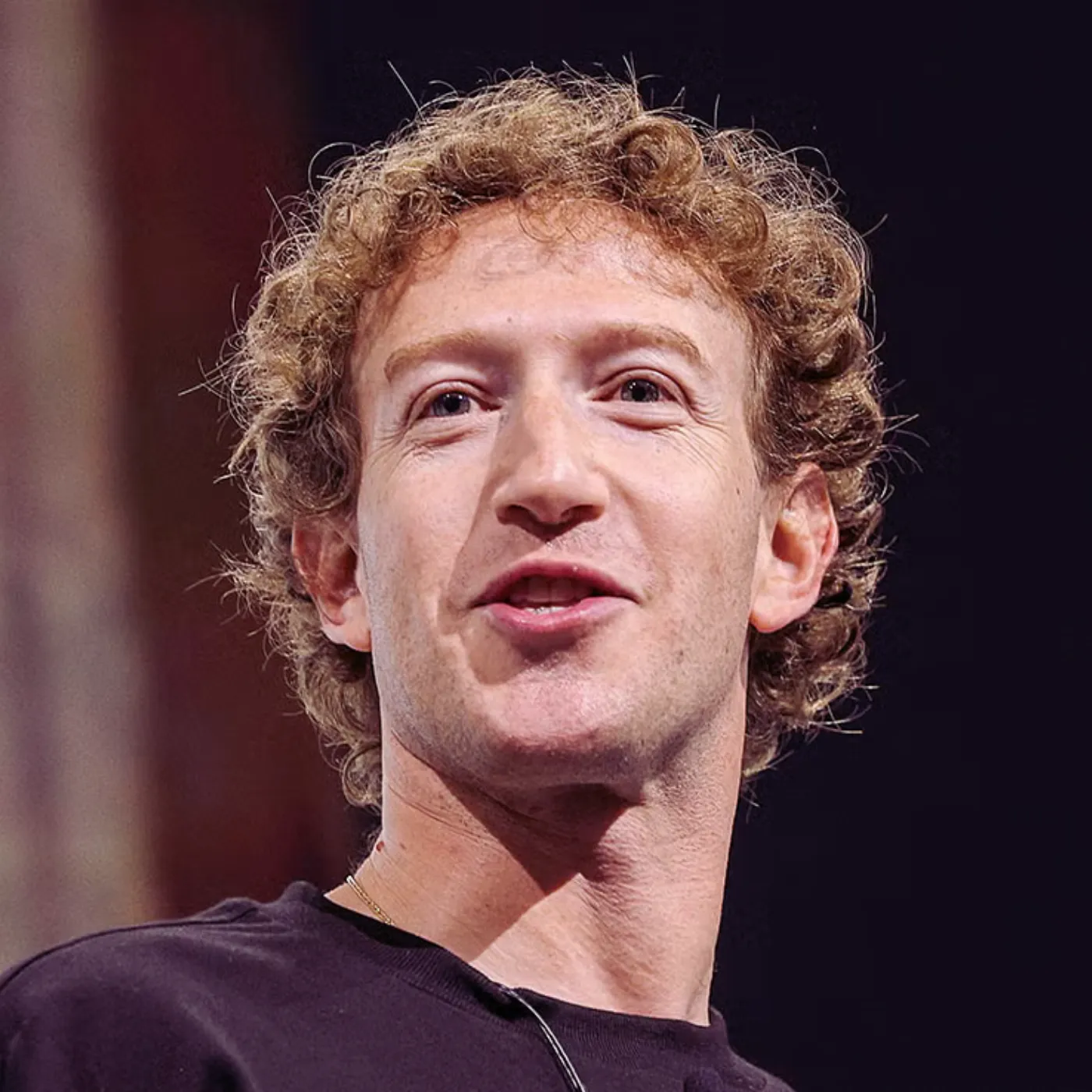
Palmer Luckey and Mark Zuckerberg Put Their Feud Aside to Capitalize on Booming Military Contracts
In a surprising turn of events that is shaking up the technology world, Palmer Luckey and Mark Zuckerberg — two of Silicon Valley’s most polarizing figures — have officially ended their bitter feud to unite their efforts in capitalizing on the explosive growth of the military technology market. This unexpected alliance is not just a personal reconciliation but signals a profound shift in how tech giants are positioning themselves within the military-industrial complex, a move that promises to reshape the future of defense innovation while raising a host of ethical and societal concerns.

The Origins of a Rivalry
The relationship between Palmer Luckey, the visionary founder of Oculus VR, and Mark Zuckerberg, the founder and CEO of Meta Platforms, has long been fraught with tension. Luckey’s outspoken nature and controversial political stances often put him at odds with Zuckerberg’s more polished corporate image and global ambitions. Their feud symbolized the deep divisions within Silicon Valley over the role of technology in society and the moral boundaries tech companies should observe.
For years, Luckey’s departure from Facebook under contentious circumstances left a bitter taste. The two moguls often sent public and private signals of animosity, fueling gossip and speculation among industry watchers. Yet beneath this drama, a more strategic game was unfolding — one centered on the massive opportunities emerging in the defense sector.
Silicon Valley’s Military Turn
Silicon Valley’s flirtation with the military market is not new, but recent developments have accelerated this relationship to unprecedented levels. Governments worldwide are investing heavily in artificial intelligence, autonomous systems, cybersecurity, and advanced surveillance technologies. For tech leaders, these contracts represent an enormous revenue stream and a chance to influence global security dynamics.
Mark Zuckerberg’s Meta has quietly expanded its efforts beyond social media and virtual reality into cutting-edge AI systems with potential defense applications. Meanwhile, Palmer Luckey’s Anduril Industries has made headlines by delivering innovative defense solutions, including autonomous drones and battlefield sensors, to the U.S. military and allied forces.
The intense competition for defense contracts created a natural tension between the two, yet the sheer scale of opportunities on the horizon has prompted a reconsideration of priorities.
The Peace Deal That Shook Silicon Valley
Behind closed doors, Luckey and Zuckerberg have reportedly negotiated a truce, realizing that collaboration could multiply their influence and profits. Industry insiders say the two are now working on joint ventures, sharing resources, and coordinating lobbying efforts aimed at securing more government funding for defense technology projects.
This détente is more than a personal reconciliation; it is a calculated business move to dominate a booming market estimated to be worth hundreds of billions of dollars annually. The partnership is set to accelerate the militarization of emerging tech, combining Meta’s AI expertise with Anduril’s hardware innovation.

Controversy and Public Backlash
The alliance has ignited fierce debates across social media platforms, particularly on Facebook, where users express alarm over Silicon Valley’s deepening ties to the military sector. Critics argue that this fusion of tech giants with the defense industry threatens to erode civil liberties, expand mass surveillance, and escalate the global arms race.
Some see this move as the death knell for Silicon Valley’s idealistic roots. Once heralded as the champions of open innovation and connectivity, the tech industry now appears to be morphing into an extension of the military-industrial complex — wielding unprecedented power over global conflict and security.
Meanwhile, supporters emphasize the innovation potential and argue that cutting-edge technology is essential to maintaining national security in an increasingly complex world. They highlight the efficiency and precision AI-powered defense systems can bring to modern warfare, potentially reducing collateral damage and saving lives.
Ethical Dilemmas at the Forefront
This new partnership brings ethical questions to the forefront. How much power should private tech companies hold over weapons development and military decision-making? What safeguards exist to prevent misuse or unintended consequences of autonomous defense technologies?
Many worry about the lack of transparency and accountability in these deals. Unlike public institutions, private companies are not subject to the same rigorous oversight. As a result, the public has limited insight into the development and deployment of potentially lethal technologies.
The prospect of AI-driven autonomous weapons raises chilling scenarios where decisions about life and death could be delegated to machines designed and controlled by corporate interests.
Shifting Power Dynamics in Silicon Valley
The collaboration between Luckey and Zuckerberg also signals a shift in Silicon Valley’s power structure. By combining their strengths, these leaders are setting the stage to become the ultimate gatekeepers of future military technology, controlling vast resources and influencing geopolitical outcomes.
This union blurs traditional boundaries between civilian tech innovation and defense, with companies now operating in a dual role — shaping both consumer experiences and global security frameworks.
The Impact on Public Perception
Public response has been mixed but largely charged with suspicion and unease. On Facebook and other social networks, heated conversations reveal deep divisions between those fascinated by technological advances and those fearful of unchecked corporate influence in military affairs.
The partnership has also provoked introspection within tech circles. Some employees and former insiders have voiced concerns about working for companies involved in defense contracts, fearing reputational damage and moral compromise.
The Future of Tech Meets Military
Looking ahead, the Luckey-Zuckerberg alliance is poised to transform how defense technology evolves. Their combined resources and influence will likely accelerate developments in AI surveillance, drone warfare, cyber operations, and beyond.
For Silicon Valley, the military market represents a new frontier, a place where innovation meets geopolitical strategy and where profit motives intersect with global power plays.
Calls for Transparency and Regulation
Given the stakes, many experts and advocacy groups are calling for greater transparency and stronger regulation of tech companies’ military engagements. They argue that without clear rules and public oversight, these alliances could exacerbate conflicts and undermine democratic accountability.
Governments face the challenge of balancing national security with protecting citizens’ rights, while the public demands clarity on how these powerful technologies are developed and used.

Conclusion
The end of the feud between Palmer Luckey and Mark Zuckerberg to jointly pursue the military market is more than a business story — it’s a window into Silicon Valley’s evolving identity. From idealistic innovators to key players in global defense, tech giants are navigating new roles fraught with opportunity, controversy, and responsibility.
As this partnership unfolds, it will test the limits of corporate power, ethics, and public trust. The world is watching as Silicon Valley redefines itself in the shadow of war and surveillance, raising urgent questions about the future of technology and its impact on humanity.