






Margot Robbie’s Forgotten Role Was Pure Dynamite — Long Before She Outshined Nolan
In the summer of 2023, the box office saw a cultural phenomenon unfold—Barbie vs. Oppenheimer, a face-off that became more than just movie marketing. It turned into a pop culture battle of aesthetics, intellect, and influence. On paper, it was a clear mismatch: Christopher Nolan, the cerebral master of cinematic depth, versus Margot Robbie, the stunning face of a candy-colored, satirical doll universe.
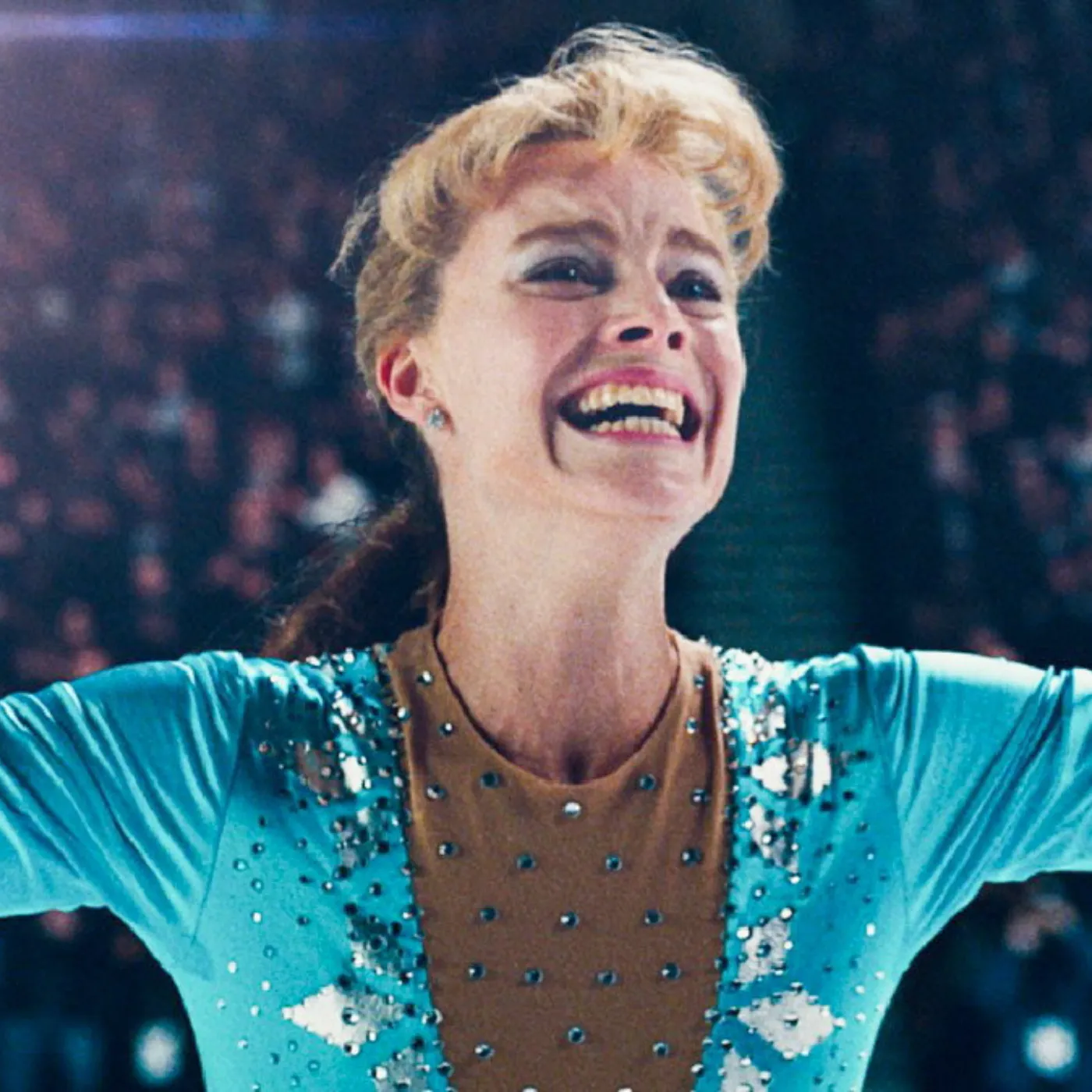
But few noticed the real twist. Margot Robbie had already dropped her own Oppenheimer-style bombshell years before Barbie ever stepped into her Dreamhouse.
And no one was paying attention.
The Bomb That No One Heard Explode
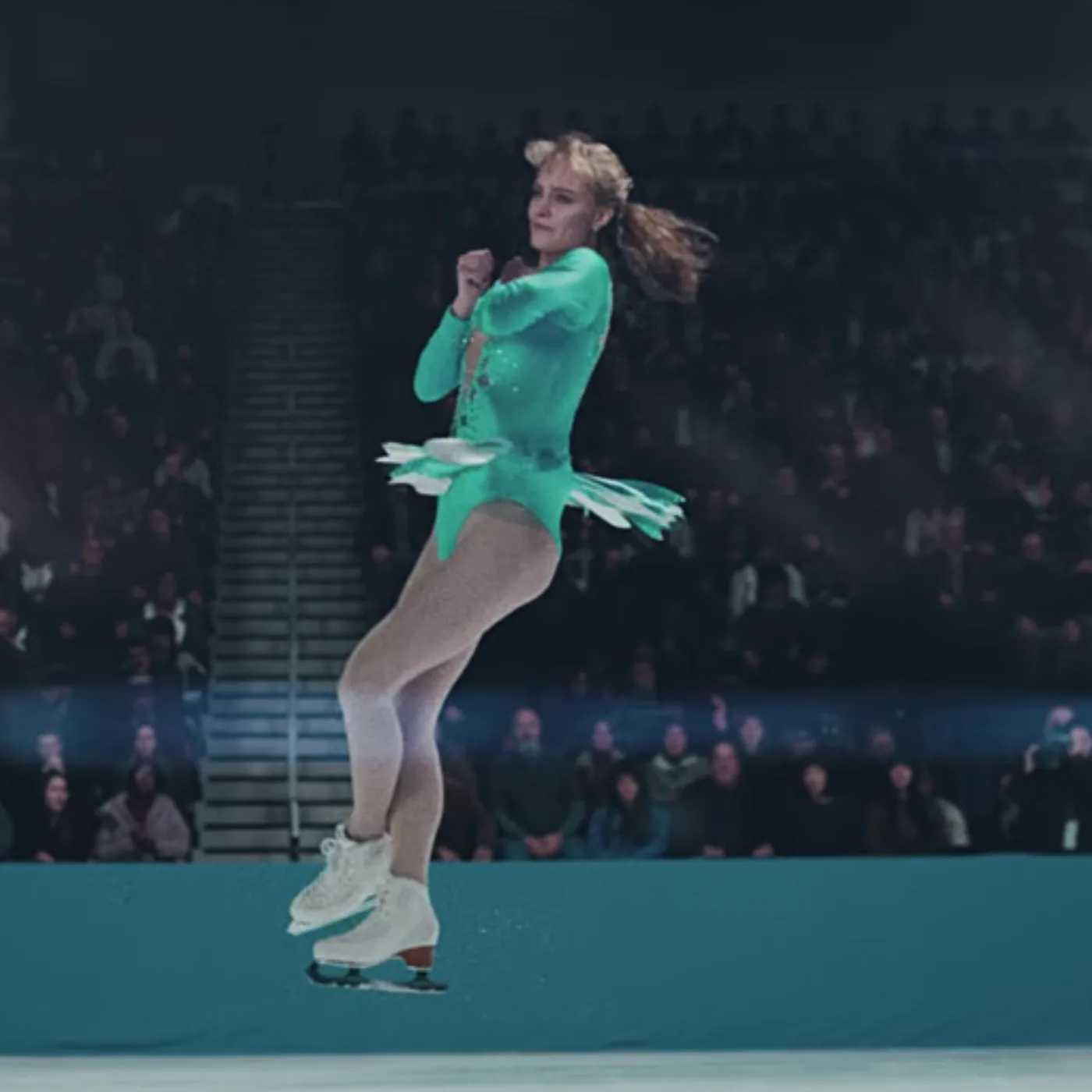
Back in 2017, Margot Robbie took a bold step into the heart of darkness with “I, Tonya,” the kind of role most actresses wouldn’t dare to touch. Gritty, uncomfortable, morally ambiguous, and brutally real, the film was the exact thematic mirror to Oppenheimer’s haunting psychological descent—except it was wrapped in figure skates and tabloid chaos rather than nuclear codes and existential dread.
But let’s be clear: this wasn’t just a biopic. It was a detonation.
Margot Robbie didn’t just play Tonya Harding. She transformed into her—shattering the pristine image the media often forces upon female leads. She gave the world a bruised, unpolished, and vulnerable anti-heroine. And she produced the film herself, betting on a project the studios weren’t exactly eager to embrace.
Sound familiar?
Christopher Nolan’s Oppenheimer, praised for its depth and psychological complexity, took us into the mind of a man burdened by destruction. But six years earlier, Robbie had already explored the collapse of public perception, the weaponization of media, and the fracturing of identity under pressure—all through the lens of one of America’s most misunderstood villains.
So why did nobody call it an Oppenheimer moment then?
Because Margot Robbie, for all her critical acclaim, still wasn’t taken seriously.
When Hollywood Picks Favorites
Let’s address the elephant in the Dolby Theater: Christopher Nolan has always been given the benefit of the doubt.
From the cult success of Memento to the global dominance of Inception and Interstellar, Nolan’s failures get dissected, his successes get deified. Even his most polarizing works (Tenet, anyone?) spark academic debates and think pieces.
But Robbie? She delivers a performance like I, Tonya, earns an Oscar nomination, and yet the public still sees her as “that pretty actress from Wolf of Wall Street” or “Harley Quinn.”
Double standard? You bet.
While Nolan is hailed as a visionary, Robbie’s contributions as a producer and transformative actor often get lost in the background noise of red carpets and meme-worthy outfits.
It took a billion-dollar success in Barbie to finally tilt the narrative.
Barbie Didn’t Just Win — It Rewrote the Game
The most ironic twist? Barbie crushed Oppenheimer at the box office.
In what’s now called the Barbenheimer Effect, both films rode the viral wave of their simultaneous release. But Barbie didn’t just compete—she conquered, raking in over $1.4 billion worldwide, while Oppenheimer settled for less than half of that.
The internet had its fun with the contrast: pink versus grayscale, fashion versus fallout, giggles versus gravitas. But beneath the memes was a tectonic shift.
Margot Robbie wasn’t just in a hit movie. She created it. Shaped it. Carried it.
She went from being a celebrated actress to a box office force who could outgun the prestige juggernaut that is Nolan. And she did it with something Hollywood rarely trusts to lead a tentpole film: satire, femininity, and risk.
A Legacy That Was Always There
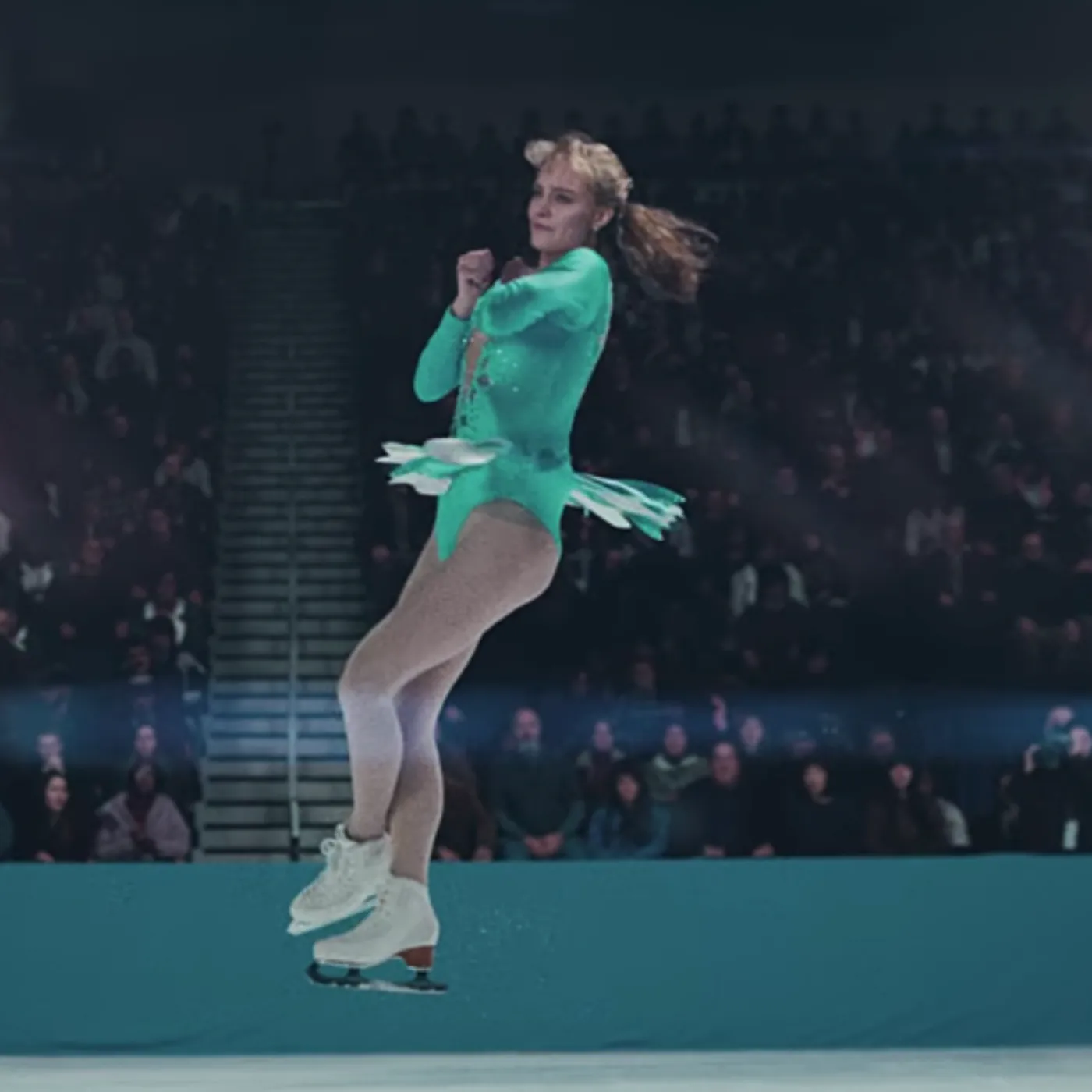
Rewatch I, Tonya today, and you’ll see it differently. It wasn’t just ahead of its time—it was a quiet rebellion against the very system that failed Tonya Harding and often marginalizes performers like Robbie. It was cinematic intelligence in disguise, hidden behind a faux-documentary style and absurdist humor.
Much like Oppenheimer, the film asked hard questions:
What happens when the public becomes the jury?
Who owns the narrative when truth gets buried under scandal?
Can a person survive being turned into a headline?
Sound familiar?
Oppenheimer showed us the cost of building a bomb. Robbie showed us the cost of being one.
Hollywood’s Selective Memory
So why was Robbie’s “bomb” ignored in 2017?
Because the system wasn’t ready.
Hollywood had no blueprint for a woman who could deliver raw intensity and still dominate the commercial sphere. It certainly wasn’t expecting her to build a billion-dollar empire off a toy line while also having a Scorsese-level résumé in emotional complexity.
But that’s Robbie’s power: She rewrites her own narrative, even when the world insists on typecasting her.
The Oppenheimer Paradox: Who Gets To Be Taken Seriously?
In the shimmering halls of Hollywood, respect isn’t given—it’s gatekept. Christopher Nolan walked in through the front doors, cloaked in prestige, flanked by decades of industry reverence. Margot Robbie? She had to kick that door down in stilettos.
Nolan got to drop a black-and-white three-hour thinkpiece and was instantly labeled a “visionary.” Robbie dropped a pastel pink box office nuke and had to defend its brilliance every interview, every press tour stop, every headline. And yet, her weapon was just as powerful—arguably more subversive.
Because Robbie didn’t just shock the system—she rewired it.
“Barbie” wasn’t cute. It was calculated. It held up a mirror to every viewer who thought they had her—or the film—figured out. It gave you laughs, then slipped a gut-punch of meaning right under the popcorn. Margot Robbie didn’t just make a point—she made you feel it.
So now we ask: why did the world rush to hand Nolan the badge of profundity… while Robbie had to earn hers with blood, sweat, and viral soundbites?
It’s the Oppenheimer Paradox. Who gets to be serious? Who gets to be historic? And who has to disguise their genius behind a costume, a smile, or a billion-dollar brand?
Robbie understood that her “bomb” wouldn’t be cinematic—it would be cultural.
The Blast Radius: Margot Robbie’s Long Game
What most people don’t realize is that Margot Robbie’s so-called “Oppenheimer moment” didn’t start with Barbie—it started six years earlier, in a little indie flick called I, Tonya.
That was the first time audiences got a taste of what Robbie could really do—not just act, but shape a story. She produced it. She owned it. She reclaimed a character that had been mocked and memed for decades. And in doing so, she reintroduced herself to Hollywood—not as a blonde bombshell, but as a bomb ready to detonate.
And yet, most of the world didn’t clock it.
Because back in 2017, the world wasn’t ready for Margot Robbie the disruptor. They were still watching for the ingenue.
But Robbie wasn’t just preparing roles. She was laying landmines—with LuckyChap Entertainment, her production company, with bold casting choices, with scripts that dared to say something without screaming.
Her Oppenheimer moment was never going to come with a press release.
It was always going to sneak up on you, dressed in pink, smiling while it shattered the box office.
Why Barbie Was the Real Bomb 💣
Let’s talk facts.
Nolan’s Oppenheimer made history. Yes. It was epic, ambitious, intellectual.
But Barbie made waves.
Barbie broke records, gendered expectations, and genre conventions. It started discourse across age groups, political spectrums, and entire countries. It didn’t just land—it ricocheted.
And what’s more subversive than putting your commentary in the shape of a doll and making the world sing along to it?
This wasn’t just a win for Robbie. It was a referendum on everything we thought we understood about female-led cinema, creative credibility, and what it means to be a cultural force.
Margot’s Masterstroke: Rewriting the Rules of Respect
This is where Robbie flipped the Hollywood script.
She didn’t ask for respect—she architected it. One production. One storyline. One carefully timed “accidental” viral moment at a time.
Now, as rumors swirl about her directorial debut, A-list drama roles, and an empire of projects under LuckyChap, Margot Robbie is no longer chasing credibility.
She is credibility.
And if Nolan used the bomb to change history, then Robbie used Barbie to change the narrative.
Final Thought: The Bomb Was Always Ticking 💥
In hindsight, this moment feels inevitable.
But it wasn’t.
It was the product of grit, vision, and a strategic patience most male directors have never needed to exercise.
Robbie’s Oppenheimer moment didn’t arrive with a countdown.
It didn’t explode on a New Mexico test site.
It walked the red carpet. It smiled. It sold out. It dominated the conversation. And it proved—without a doubt—that real power doesn’t always announce itself.
Sometimes, it just shows up in a Dreamhouse.
And when the dust settled?
Barbie had the bigger blast radius.