“It won’t be effective unless…” – Jack Miller Receives a Warning from His Yamaha Boss
Jack Miller may be one of the most recognized names on the MotoGP grid, but as he prepares to return to the legendary Suzuka 8 Hours, he’s learning that talent alone won’t be enough. Wataru Yoshikawa, Yamaha’s experienced team manager, has offered candid advice that could prove decisive for the team’s performance: check your ego at the door, or it won’t work.
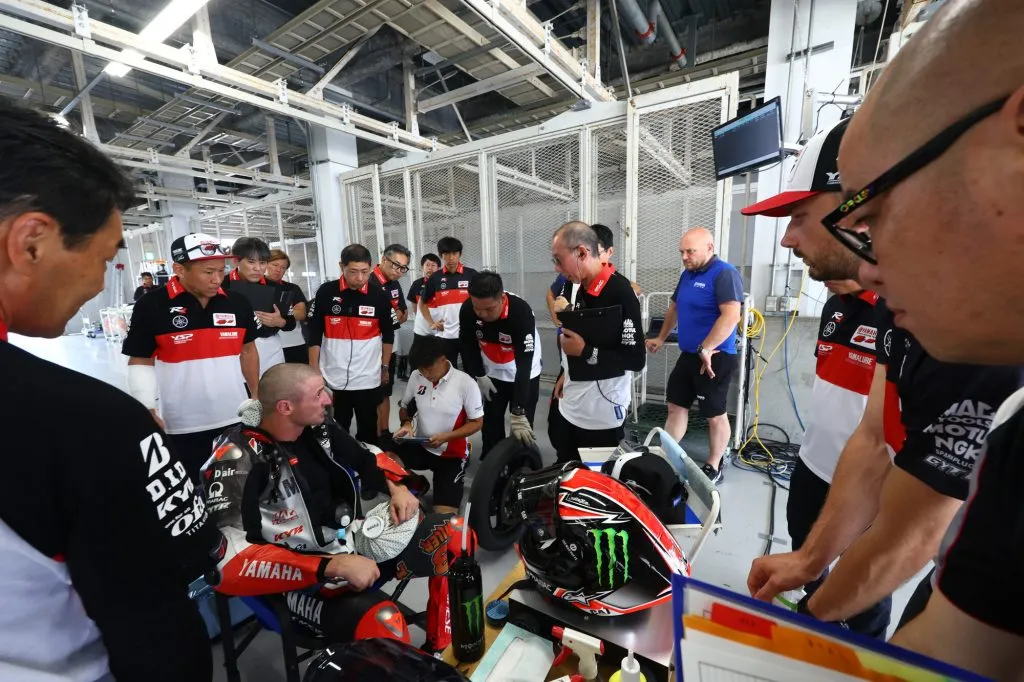
Miller’s participation in this year’s Suzuka 8 Hours marks a significant move for both the Australian rider and Yamaha’s factory endurance squad. Alongside Andrea Locatelli and Katsuyuki Nakasuga, Miller will attempt to guide the No.21 Yamaha Racing Team to glory in a race that demands more than just pure speed.
But before the trio can challenge for victory, they’ll need to navigate one of the most complex elements in all of motorsport: the psychology of teamwork in endurance racing.
Jack Miller Returns to Suzuka
For those familiar with Jack Miller’s career, his appearance at Suzuka is a nostalgic callback. The Australian last competed in the Suzuka 8 Hours in 2017, riding for Honda, and finished a respectable fourth in his debut. Since then, Miller has built a reputation in MotoGP as an aggressive, fast, and passionate rider with a strong following and four premier-class victories under his belt.
Now riding for Pramac Yamaha in MotoGP, Miller has been loaned to Yamaha’s factory endurance team for this one-off event. It’s a bold move, but also a calculated one by Yamaha, who are hungry to end Honda’s recent dominance at the prestigious event.

At the pre-race test, the Honda HRC trio of Johann Zarco, Xavi Vierge, and Takumi Takahashi set the benchmark with a best lap of 2m05.645s. Yamaha wasn’t far behind. Miller, Locatelli, and Nakasuga clocked 2m05.981s, positioning themselves second fastest. The YART Yamaha squad came in third, rounding out a strong performance from the tuning fork brand.
The lap times show Yamaha is competitive. But as Yoshikawa warned, competitive lap times alone don’t win Suzuka—discipline and cohesion do.
The Philosophy of Endurance Racing
Endurance racing is a different beast compared to the high-octane sprints of MotoGP. At Suzuka, riders share a single machine and must manage everything from tyre degradation and fuel consumption to mental fatigue and team strategy.
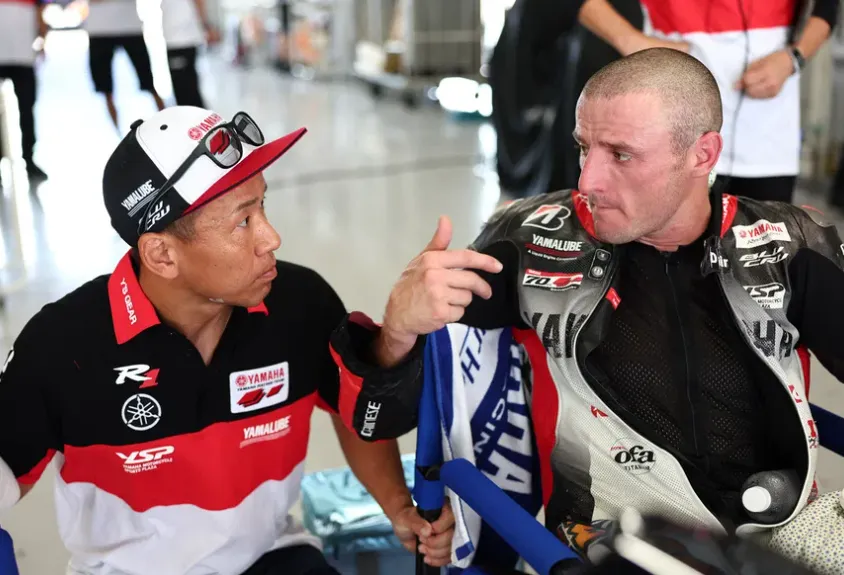
Wataru Yoshikawa, who has led multiple Yamaha teams through Suzuka campaigns, understands the delicate balance required to succeed. His message to Miller and the team was direct:
“None of us are endurance riders, and we’re all top riders in our respective categories, so it’s difficult in nature. It won’t work unless everyone is willing to do their best with respect.”
At the heart of his statement is a warning: endurance racing is not about being the individual fastest rider—it’s about being the most cohesive team.
This requires a paradigm shift, especially for MotoGP stars like Miller, who are trained to extract every ounce of performance, to dominate individually, and to impose their pace in short bursts.
Defining Roles to Avoid Chaos
In the controlled chaos of an 8-hour race, small mistakes and internal conflicts can cost dearly. That’s why Yamaha insists on structured routines, clear role distribution, and discipline from all riders. According to Yoshikawa, each rider must play their role without seeking personal validation or dominance.
“In reality, everyone wants to be number one and have the team revolve around them, at their level,” Yoshikawa explained. “That’s why they divide up roles, but each rider tries to show off.”
This attitude, while natural in top-tier motorsport, can create friction in endurance racing. In a scenario where every rider is pushing their limits to prove superiority, the bike suffers, tyre life shortens, and the strategy collapses.
“They all have the idea that they can achieve this time even on used tyres,” Yoshikawa added, “so as riders, they’ll show that they’re number one at every opportunity. But if they push that too hard, the team won’t work in endurance.”
For Jack Miller, this is a subtle but important lesson. He must learn to suppress the instinct to constantly attack. Instead, he must adapt to a longer rhythm, understand when to back off, and trust his teammates’ pace.
A Career Crossroads for Miller?
This outing at Suzuka could become more than a one-off appearance for Miller. With increasing speculation about future contract moves and possible transitions across racing disciplines, Miller’s performance here may open doors.
If he embraces the endurance format successfully, he could extend his post-MotoGP career into endurance championships or even become a staple in Yamaha’s long-term endurance strategy. Riders like Nakasuga and Niccolò Canepa have built entire second careers this way.
For Yamaha, Miller brings more than just lap times—he adds star power, global appeal, and fresh energy. But the key to leveraging all of this lies in Miller’s ability to become a team player, not a solo act.
The Bigger Picture for Yamaha
The Suzuka 8 Hours is not just another race. It’s a symbol of prestige, especially in Japan. Yamaha’s last victory came in 2018 with a dream team that included Michael van der Mark, Alex Lowes, and Nakasuga. Since then, Honda has held the upper hand.
This year, with a well-prepared squad and highly competitive pace, Yamaha believes they can reclaim their throne. But as Yoshikawa knows from experience, internal cohesion will determine whether they finish first—or fail completely.
Can Jack Miller Deliver?
All eyes will be on Jack Miller this weekend—not just for his lap times, but for how he fits into the Yamaha system. Will he adapt to the team’s demands? Will he support his teammates rather than try to overshadow them?
The Australian has already expressed excitement about returning to Suzuka and appears open to learning. His ability to internalize Yoshikawa’s warning—that success won’t come unless everyone respects the team system—will be critical.
Should he embrace the endurance spirit, Miller has a real shot at not only winning Suzuka but reinventing his racing narrative. If he resists, Yamaha may find themselves facing another frustrating year of “what could have been.”
Conclusion
The Suzuka 8 Hours is unlike anything Jack Miller has done in recent years. It’s not about personal glory, but about team sacrifice, rhythm, and mutual respect. And as Yamaha team boss Wataru Yoshikawa has made abundantly clear, “It won’t work unless everyone is willing to do their best with respect.”
It’s a challenge Miller seems ready for. But the race—and his future—will ultimately reveal whether he truly understands the essence of endurance racing.
Related News