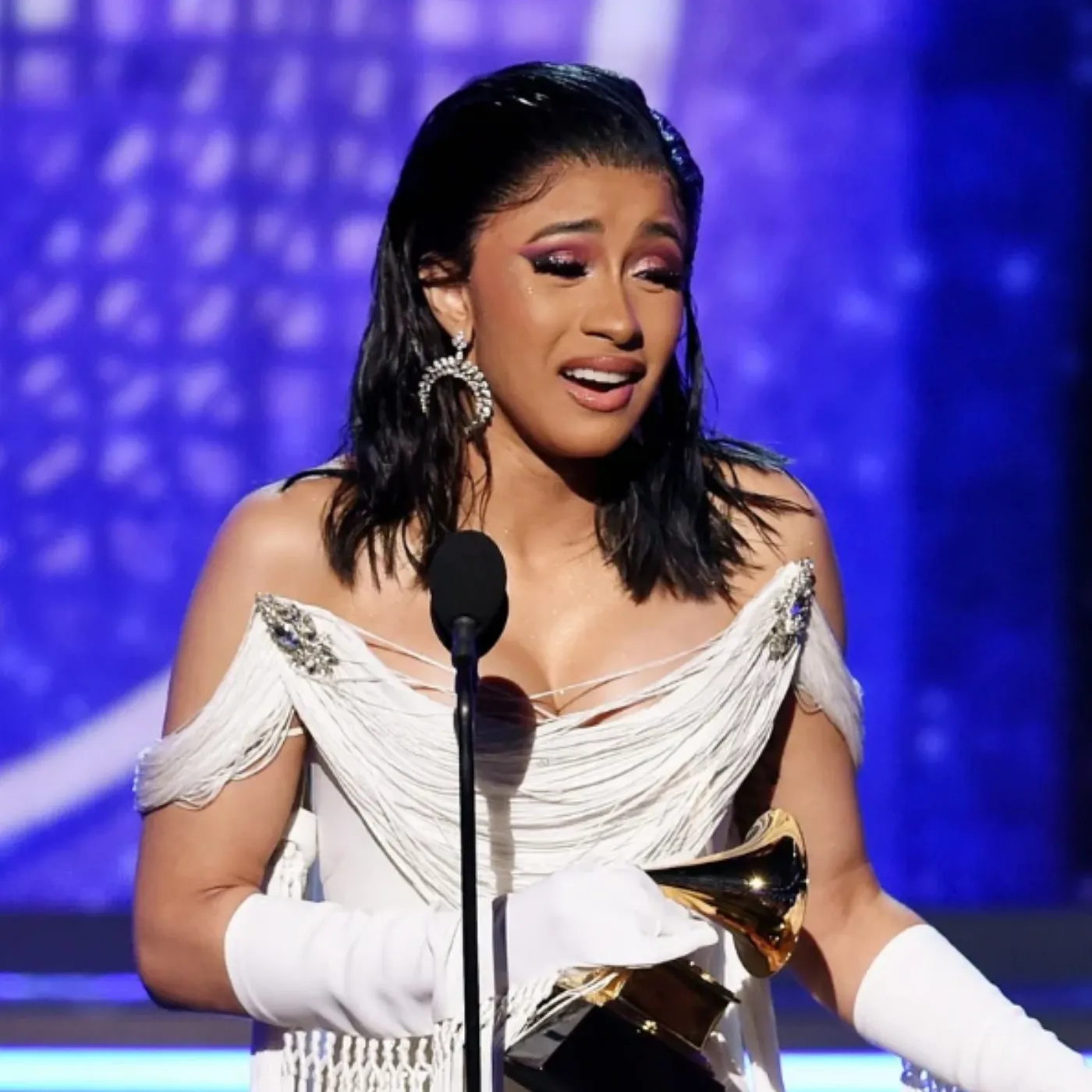









Judge Bars Mention of Cardi B’s Stripper Past in Explosive Assault Trial — What the Jury Won’t Hear
In a surprising yet pivotal move, a New York judge has ruled that the jury in Cardi B’s ongoing assault trial will not be allowed to hear about the superstar’s past as a stripper. This decision, which came after heated pretrial motions, could significantly shape how the jurors perceive one of the most closely watched celebrity cases in recent years. For Cardi B, born Belcalis Almanzar, this ruling represents more than just a small legal victory — it may well redefine the narrative surrounding her public persona and how the case unfolds in court.
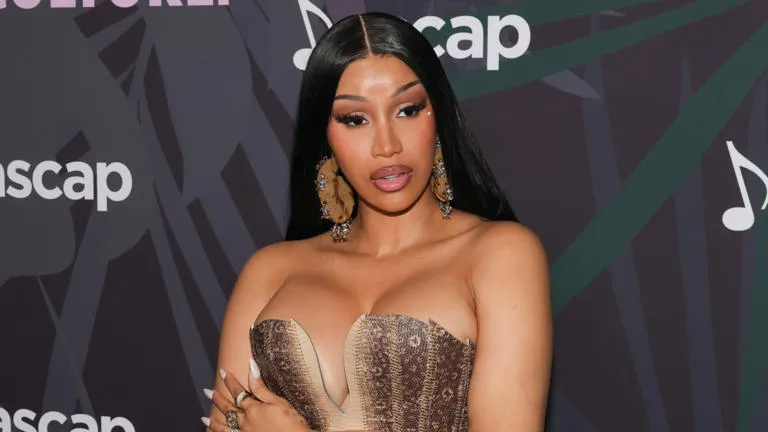
A Case That Could Redefine Celebrity Accountability
The case stems from an alleged 2018 altercation at a Queens strip club where Cardi B and her entourage are accused of orchestrating an assault on two bartenders. Prosecutors allege that the Grammy-winning artist directed her associates to throw bottles, chairs, and even hookah pipes at the victims in a fit of jealousy. Cardi B, who has pleaded not guilty to charges of assault and reckless endangerment, has maintained that she had no intent to cause harm and that her presence at the venue has been mischaracterized.
The assault trial has already drawn significant media attention, not only because of Cardi B’s celebrity status but also because it touches on broader cultural discussions about violence, fame, and female empowerment. At the heart of this case lies a crucial question: how much of a celebrity’s past should influence the present in the eyes of the law?
The Judge’s Reasoning — Keeping the Trial Fair
During pretrial motions, the defense strongly urged the court to exclude any mention of Cardi B’s former career as an exotic dancer, arguing that such information was irrelevant to the facts of the case and would unfairly prejudice the jury. The prosecution, however, countered that Cardi B’s background provided necessary context for understanding the events leading to the altercation.
In the end, the judge sided with the defense, emphasizing the importance of a fair trial. “The defendant’s prior work as a dancer has no bearing on whether she committed the acts she is accused of,” the judge stated in a written ruling. “Allowing such information risks biasing the jury and undermining their ability to assess the evidence objectively.”
This ruling underscores a central tenet of the American justice system: a defendant must be judged on the evidence related to the alleged crime, not on unrelated aspects of their past. While sensational details about Cardi B’s life may attract headlines, they ultimately have little to do with the legal question at hand — whether she is guilty of assault and reckless endangerment.
Cardi B’s Complicated Relationship with Her Past
Cardi B has never shied away from discussing her stripper past, often reframing it as a story of resilience and empowerment. In numerous interviews, she has explained how dancing provided her with a way out of poverty, helped her escape an abusive relationship, and gave her the financial means to pursue her music career.
But while she has embraced her personal history in the public eye, the stakes in a courtroom are different. In a trial setting, what might be seen as a badge of survival in one context can easily be twisted into a narrative of moral failing in another. The exclusion of this detail is critical because it prevents jurors from conflating Cardi B’s profession years ago with her alleged actions in the present case.
What the Jury Won’t Hear
Jurors in this case will be shielded from any mention of Cardi B’s career in the strip club industry, her widely discussed interviews on the subject, and even social media posts where she reflected on that part of her life. Instead, the focus will remain squarely on the night of the alleged assault — the witnesses, the physical evidence, and the testimonies that directly relate to what happened in the Queens nightclub.
The ruling essentially creates a clean slate for the jury. By excluding such information, the judge aims to ensure that their verdict is based on facts, not on preconceived notions about Cardi B’s character. This is particularly significant because high-profile cases often risk becoming media circuses, where jurors may unconsciously absorb tabloid narratives instead of weighing the evidence.
The Prosecution’s Challenges
The prosecution now faces an uphill battle. Without the ability to reference Cardi B’s stripper background, they lose a tool that could have been used to paint a more vivid picture of the environment in which the altercation took place. Prosecutors had hoped to argue that Cardi B’s familiarity with strip clubs and the culture surrounding them was key to understanding her alleged motive.
However, the judge’s ruling forces them to rely solely on tangible evidence and eyewitness testimony, leaving them less room to craft a broader narrative about Cardi B’s life experiences. While this limits their ability to connect dots for the jury, it also challenges them to focus on building a case that is airtight on the merits alone.
A Win for the Defense
For Cardi B’s legal team, the ruling represents a crucial win. By keeping the trial centered on the events of that night — and not on their client’s past — they can focus on discrediting witnesses and challenging the prosecution’s timeline. This clean separation between Cardi B’s public persona and the case’s facts allows them to argue that the assault allegations are exaggerated or fabricated without the shadow of her former career influencing jurors’ perceptions.
Moreover, it prevents the trial from devolving into a referendum on Cardi B’s character. In many cases involving celebrities, jurors may feel the pressure of public opinion or fall victim to moral judgments about the defendant. By stripping away these elements, the defense can create a narrative centered on Cardi B as a victim of her own fame, targeted by individuals hoping to capitalize on her status.
Media Frenzy Versus Legal Reality
Outside the courtroom, the media has continued to highlight Cardi B’s background as part of her celebrity identity. Tabloids have spent years sensationalizing her story — the Bronx native who went from stripping to becoming one of the biggest names in hip-hop. But in the courtroom, those headlines hold no legal weight.
This divide between public perception and legal reality is critical. The courtroom operates under strict evidentiary rules designed to protect the integrity of the trial, while the media thrives on the very details the judge has barred. For Cardi B, this means the jury will not be influenced by the same salacious storytelling that has often defined her public image.
The Cultural Significance of the Ruling
This decision also raises broader cultural questions about how society views women with unconventional pasts, especially when they stand trial. Historically, female defendants with backgrounds in sex work or similar industries have faced harsher judgments from juries. This ruling challenges that precedent by explicitly stating that Cardi B’s former career is irrelevant to the case.
It also sends a powerful message: a person’s past does not define their guilt or innocence in a specific criminal matter. For Cardi B and others like her, this ruling is more than just a legal win; it’s a symbolic victory against the stigmatization of women who have taken ownership of their sexuality and life choices.
What Comes Next for Cardi B
As the trial progresses, all eyes will remain on Cardi B. The ruling doesn’t erase the gravity of the charges — if convicted, she faces significant penalties, including potential jail time and a lasting impact on her career. But it does give her a fighting chance to defend herself without being dragged through the mud for choices she made long before she rose to stardom.

Her team is expected to continue framing the incident as a misunderstanding blown out of proportion, possibly pointing to inconsistencies in witness statements and questioning the credibility of the alleged victims. The prosecution, meanwhile, will likely double down on physical evidence and the testimonies of those who were present that night.
A Trial That Could Set Precedent
Beyond Cardi B, this case may set a precedent for how personal histories are treated in high-profile trials. The ruling could influence future cases where defendants’ backgrounds are deemed more prejudicial than probative. If Cardi B is acquitted, her legal team may point to this decision as a key factor in ensuring a fair trial — one where the jury focused on facts, not stereotypes.
In an era where cancel culture and public shaming dominate discourse, the courtroom has once again proven to be a space where justice requires nuance, balance, and the stripping away of sensationalism.