







Lil Uzi Vert Gets Real About Lil Wayne’s Influence — And Fat Joe’s ‘Backhanded Compliment’ That Shocked Fans
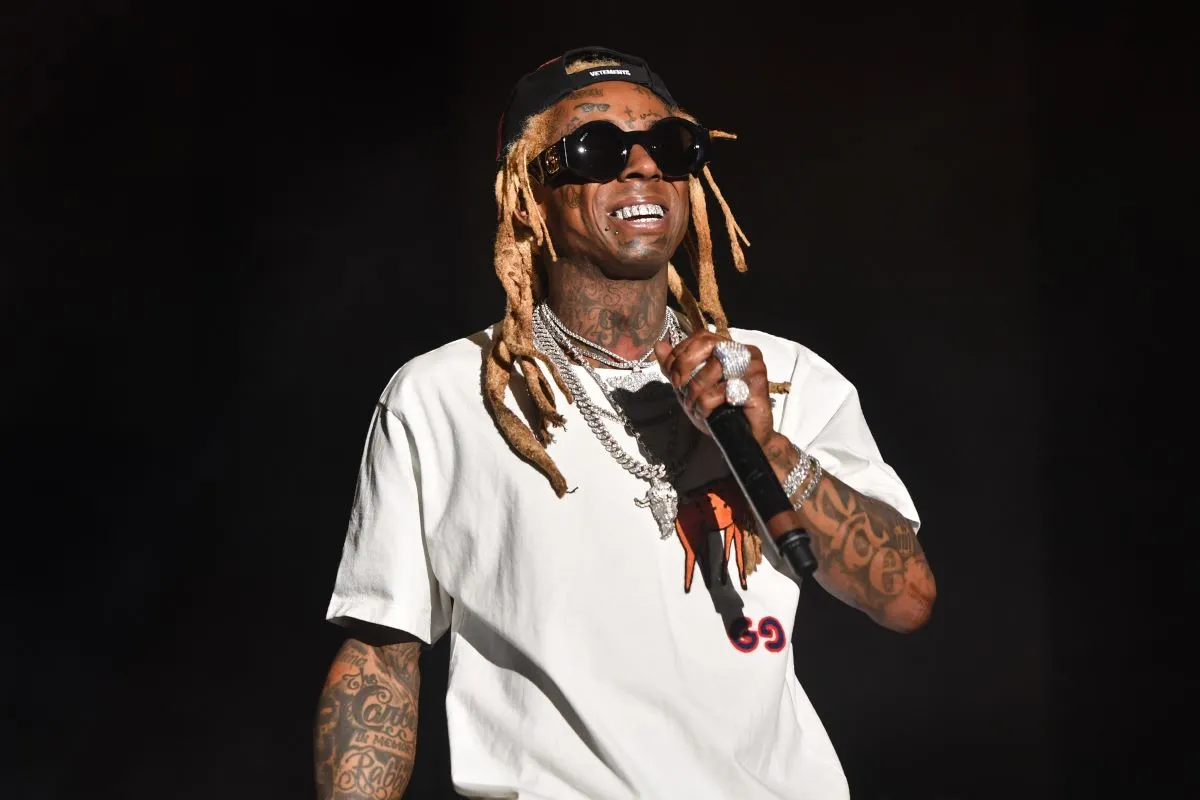
In the ever-evolving landscape of hip-hop, few names have been as polarizing, trendsetting, and consistently discussed as Lil Uzi Vert. Known for his genre-bending style, flamboyant persona, and deep connection with his fanbase, Uzi has never been shy about his influences and inspirations. Recently, in a revealing conversation that has been making waves across social media and music forums, the Philadelphia rapper opened up about the profound influence of Lil Wayne on his career while also responding to a surprising — and, for many fans, controversial — “backhanded compliment” made by Fat Joe. These revelations not only shed light on Uzi’s mindset but also reignite discussions about generational respect, artistic evolution, and the complex relationships between hip-hop icons.
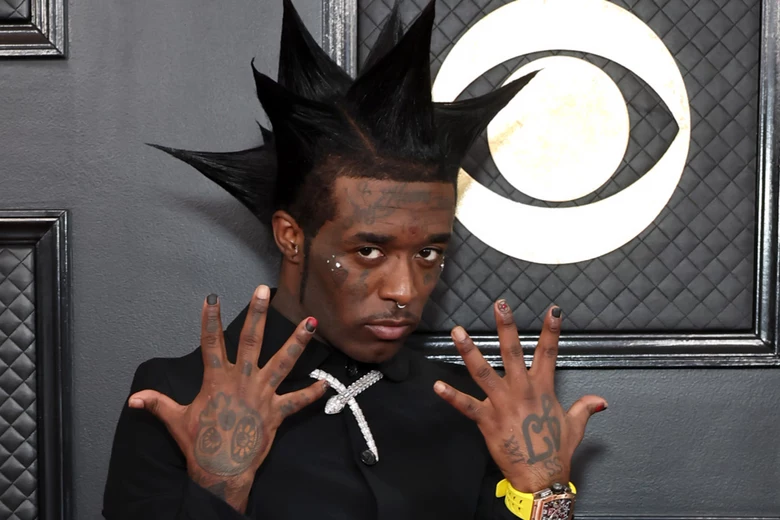
Lil Wayne’s Unmistakable Imprint on Lil Uzi Vert
For anyone familiar with Lil Uzi Vert’s artistry, the influence of Lil Wayne is impossible to ignore. From his eclectic fashion choices to his fearless approach to melodies and wordplay, Uzi embodies many of the qualities that made Wayne a cultural juggernaut in the late 2000s and beyond. In his recent remarks, Uzi was candid about this connection, going beyond surface-level admiration and explaining just how deeply Lil Wayne’s legacy has shaped his journey.
According to Uzi, Wayne represented freedom — both musically and personally. The mixtape era, which saw Wayne flooding the market with innovative projects like Dedication 2 and No Ceilings, inspired Uzi to view music as an endless canvas. Uzi expressed that Wayne’s willingness to experiment with flows, sounds, and even his public image gave him the confidence to push boundaries without fear of judgment. “Wayne showed me that you could be yourself, fully, no matter what anyone thinks,” Uzi reflected, emphasizing that Wayne wasn’t just a rapper to him but a blueprint for self-expression in a genre often burdened by rigid expectations.
This acknowledgment carries weight because Uzi, like Wayne before him, often finds himself at the center of debates about authenticity and the “right way” to do hip-hop. Critics sometimes struggle to categorize Uzi’s music, oscillating between calling it emo-rap, punk-trap, or something else entirely. Yet, for Uzi, Wayne’s career proves that refusing to be boxed in is not only acceptable but powerful. Lil Wayne normalized being unconventional — dyeing his hair, experimenting with rock-inspired sounds, and rapping about themes that stretched far beyond the traditional street narratives. It’s no coincidence that Uzi, with his own colorful persona and sonic versatility, stands as one of the most obvious torchbearers of Wayne’s ethos.
Fat Joe’s Surprising Comment — And Why It Stung
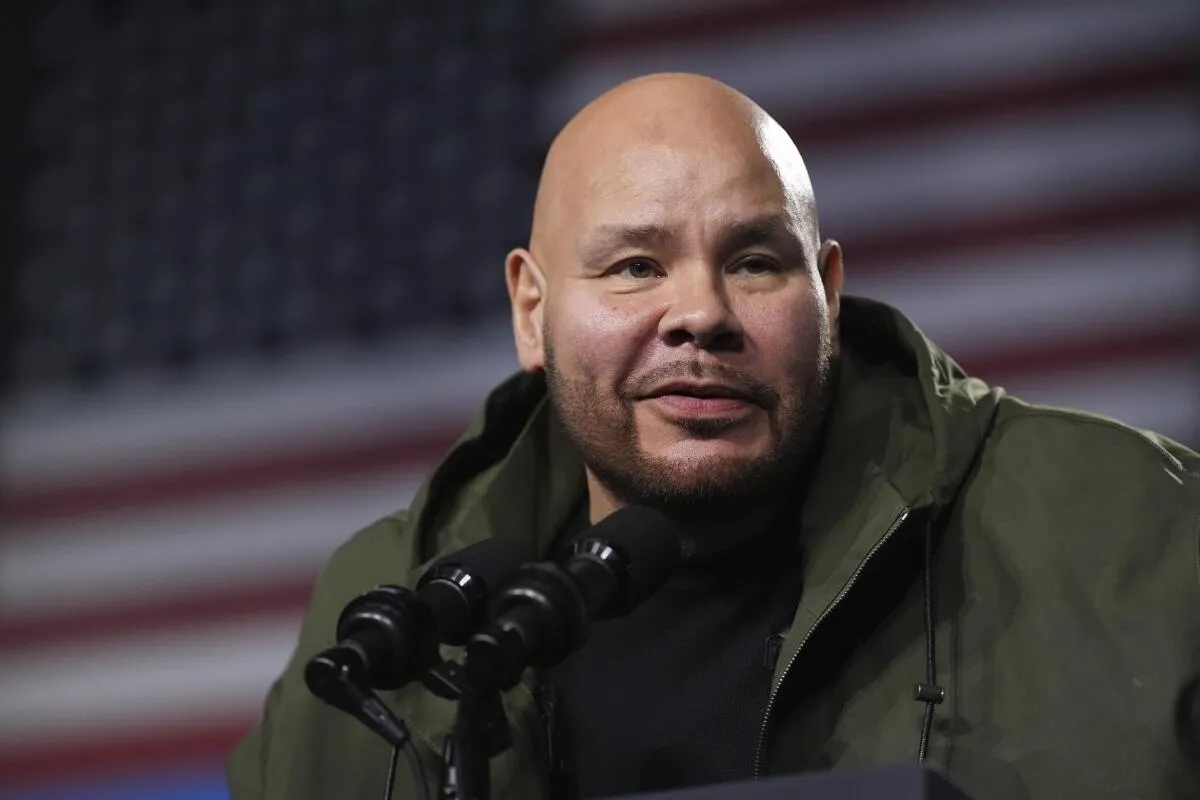
While Uzi’s comments about Wayne were celebratory and filled with gratitude, his reaction to Fat Joe’s recent remark revealed a more complicated emotional landscape. In what was initially perceived as praise, Fat Joe referred to Lil Uzi Vert as “a modern-day Lil Wayne” — a statement that, on its surface, might seem like a monumental compliment. After all, being compared to one of the greatest rappers of all time is something most artists would proudly embrace.
Yet for many fans — and evidently for Uzi himself — Joe’s comment came across as a backhanded compliment. Why? Because, in the same breath, Joe hinted that Uzi lacked the lyrical depth or cultural impact that Wayne had at his peak. This subtle undercurrent — that Uzi was “like Wayne, but not really Wayne” — sparked a wave of backlash across social platforms. Fans questioned whether Joe was uplifting Uzi or diminishing his individuality by framing him as a mere derivative of Wayne.
For Uzi, who has spent years carving out his own lane, this remark felt like more than just an offhand observation. It reignited an ongoing tension between older and newer generations of hip-hop artists. The subtext of Joe’s statement seemed to echo a broader sentiment that newer rappers are simply “lite” versions of their predecessors, lacking the same weight or artistry. “It’s like saying I’m good, but not really good enough,” Uzi reportedly said in response, making it clear that while he appreciates comparisons to legends, he refuses to be seen as a shadow of them.
The Weight of Comparisons in Hip-Hop
To fully grasp why this exchange hit such a nerve, it’s important to understand the role that comparisons play in hip-hop culture. Since its inception, rap has thrived on competitive spirit and generational debates — from discussions about who’s the “GOAT” to debates over who influenced whom. But for younger artists like Uzi, being constantly compared to their forebears can feel like a double-edged sword.
On one hand, being compared to Lil Wayne acknowledges Uzi’s artistry and cultural relevance. On the other hand, it can diminish his originality, as though his success is merely an extension of Wayne’s foundation rather than a product of his unique vision. This is the crux of what makes backhanded compliments so unsettling: they masquerade as praise while subtly undermining the recipient.
For Uzi, whose catalog includes chart-topping albums like Luv Is Rage 2 and experimental projects like Pink Tape, the suggestion that he’s simply a “new Wayne” risks erasing the innovations he’s brought to the genre. His fusion of rock, emo, and trap has birthed an entire wave of artists who now thrive in the same creative space. In other words, while Wayne’s influence on Uzi is undeniable, Uzi has also become an influencer in his own right.
Generational Dynamics and Respect
The Fat Joe incident also raises broader questions about respect between generations in hip-hop. Older artists often serve as gatekeepers, shaping how newer artists are perceived within the culture. While some embrace mentorship and celebrate evolution, others struggle to see younger rappers as equals. Joe’s comment, intentionally or not, seemed to reflect this generational tension, framing Uzi as a “Wayne for today” rather than a singular force.
This dynamic is not new. Hip-hop history is full of similar exchanges — from Nas critiquing the “bling era” to older heads dismissing the so-called “mumble rap” movement. But as Uzi’s response suggests, younger artists are increasingly pushing back, demanding to be recognized on their own terms rather than as replicas of past legends. Lil Uzi Vert represents a generation of rappers who see themselves not as torch carriers but as torch creators, expanding what hip-hop can be.
Why Lil Wayne Still Matters in This Conversation
It’s worth noting that Lil Wayne himself has often expressed support for artists like Uzi. Wayne understands better than anyone what it feels like to be doubted, dismissed, or misunderstood — particularly during his experimental phases. His willingness to embrace genre fusion and reject traditional norms paved the way for artists like Uzi to thrive. If anything, Wayne likely views Uzi’s rise as a continuation of the very rebellious spirit that defined his own career.
In fact, many fans have pointed out that Wayne’s approach to the game — his prolific output, his cross-genre experimentation, his elevation of mixtape culture — planted seeds that have blossomed in Uzi’s generation. It’s a reminder that influence isn’t about creating clones but about sparking new possibilities. For Uzi, acknowledging Wayne is a way of honoring the lineage of innovation while simultaneously asserting his own space within it.
The Fans’ Reactions — Divided but Passionate
The public’s response to this entire situation has been anything but quiet. Social media platforms lit up with heated discussions, with some fans defending Fat Joe’s comment as harmless praise and others condemning it as a subtle dig. Uzi’s supporters, in particular, emphasized that his work deserves recognition independent of any comparisons, pointing to his unique impact on hip-hop’s soundscape and his ability to resonate with listeners across genres.
Meanwhile, others noted that these conversations are a natural part of hip-hop’s evolution. After all, every great artist has been compared to someone before them — from Jay-Z being likened to Biggie to Drake being measured against Kanye. What matters, they argue, is how artists like Uzi take those comparisons and transcend them, ultimately proving that they’re more than the sum of their influences.
Conclusion: More Than a Comparison
In the end, Lil Uzi Vert’s reflections on Lil Wayne’s influence and his reaction to Fat Joe’s comment reveal far more than a simple artist comparison. They expose the layered complexities of identity, legacy, and respect in hip-hop. For Uzi, honoring Wayne isn’t about accepting the role of a successor — it’s about recognizing a pioneer who gave him permission to be unapologetically himself. And for his fans, the pushback against backhanded compliments is a declaration that Uzi’s contributions stand on their own merit.
This moment in hip-hop discourse serves as a reminder that influence is not imitation. Lil Uzi Vert may carry traces of Lil Wayne, but his artistry is distinctly his own — disruptive, bold, and relentlessly forward-looking. As hip-hop continues to evolve, these conversations about legacy and individuality will only grow more important, ensuring that artists like Uzi aren’t just compared to their predecessors but celebrated for how they reshape the game altogether.