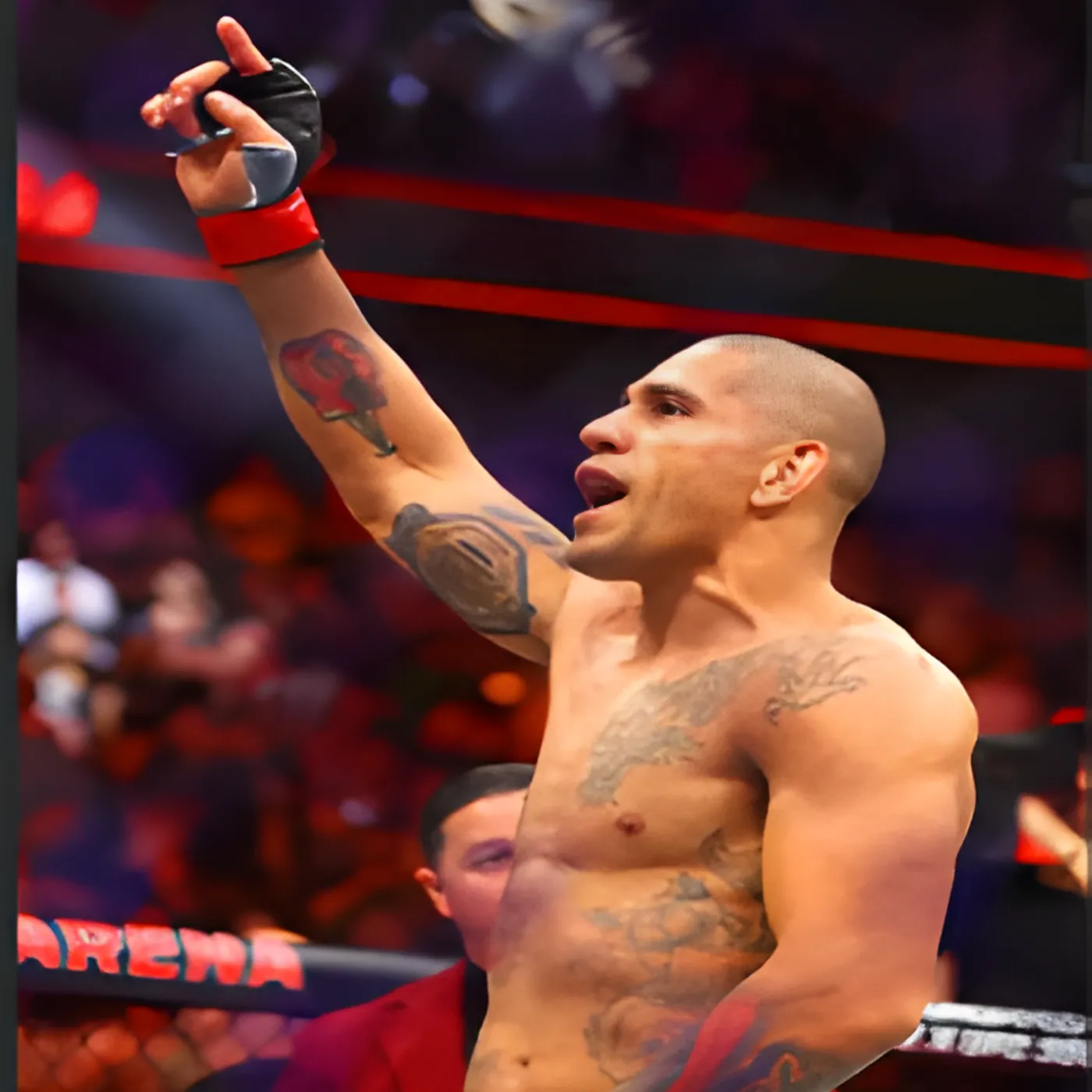









Brian Ortega suddenly fainted before the UFC tournament and the audience was surprised with his performance in the match.
The world of UFC and MMA is no stranger to drama, intensity, and unforeseen circumstances. But when Brian Ortega—one of the most respected featherweights in the UFC—suddenly fainted during his brutal weight cut ahead of his scheduled clash with Aljamain Sterling at UFC Shanghai, the MMA community was left in shock. What began as a frightening moment for Ortega, who collapsed during weigh-ins, ultimately turned into one of the most unexpected fight nights in recent memory.
The incident forced a last-minute decision: instead of fighting at the original featherweight limit of 145 lbs (65.25 kg), the bout was shifted to a catchweight of 153 lbs (68.85 kg). For many, this was a sign of disaster—an indicator that Ortega’s body had been pushed beyond safe limits. Yet, against the odds, Ortega not only managed to recover but went on to surprise fans and analysts with an inspiring performance inside the Octagon.
This article explores the full story—the dangers of extreme weight cutting in MMA, the history of similar tragedies in UFC, how this incident could affect Ortega’s career trajectory, and what it says about the larger problem plaguing combat sports.
The Shocking Scene at UFC Shanghai
When news broke that Brian Ortega fainted during his weight cut, panic quickly spread among fans, coaches, and UFC officials. For a fighter known for his toughness and resilience, collapsing in such a critical moment was alarming. According to reports, Ortega was in the final stages of cutting down to 145 lbs when his body could no longer handle the strain.
Doctors and UFC officials intervened, ruling that the scheduled fight against Aljamain Sterling could not go forward at featherweight. Instead, the bout was adjusted to a catchweight limit of 153 lbs—a compromise that allowed Ortega to still compete while safeguarding his immediate health.
The images and stories of Ortega’s collapse quickly circulated online, reigniting the debate over weight cutting. Fans were left asking: how many more fighters must suffer before real changes are made?
Why Fighters Risk Everything in Weight Cuts
The Culture of Extreme Weight Management
Weight cutting has long been ingrained in MMA culture. Fighters believe that by competing in a lower weight class, they can enjoy a physical advantage—facing opponents who are naturally smaller while rehydrating themselves back to their true size before fight night.
For Ortega, cutting to featherweight (145 lbs) has always been part of his professional strategy. But as fighters age and their bodies change, these cuts become more dangerous and less sustainable. Ortega’s fainting spell was a clear example of how quickly things can spiral out of control when the human body is pushed past its natural limits.
The Hidden Dangers of Severe Dehydration
Weight cutting often involves extreme dehydration—fighters sweat out water, restrict fluids, and drain themselves of vital electrolytes. Medical experts warn that such practices can:
-
Thicken the blood, making circulation more difficult.
-
Increase the risk of stroke or heart failure.
-
Leave the brain more vulnerable to concussions due to reduced fluid cushioning.
In Ortega’s case, fainting was a warning sign of acute dehydration and electrolyte imbalance—a signal that his body was shutting down.
A History of Weight-Cutting Nightmares in MMA
Brian Ortega’s fainting episode is far from an isolated case. The history of UFC and MMA is littered with similar tragedies and near-disasters.
Julija Stoliarenko’s Collapse
In 2021, Julija Stoliarenko collapsed not once, but twice, during weigh-ins at UFC Vegas 22. Her body could not handle the demands of cutting down to bantamweight, forcing the fight to be canceled. The shocking scenes drew global attention to the dangers of extreme cuts.
Phillipe Nover – “Fainting Phillipe”
During The Ultimate Fighter, Phillipe Nover fainted before his fight due to dehydration. The incident earned him the unfortunate nickname “Fainting Phillipe,” and his career never fully recovered from the stigma.
Fatal Incidents – Leandro Souza and Yang Jian Bing
The darkest examples come from outside the UFC. Brazilian fighter Leandro Souza and Chinese prospect Yang Jian Bing both tragically died from complications during their weight cuts. These heartbreaking events highlight the ultimate risk fighters take just to make weight.
Kelvin Gastelum’s Forced Weight Class Change
Former middleweight contender Kelvin Gastelum repeatedly struggled to make the welterweight limit of 170 lbs. After multiple failed cuts, the UFC forced him to move up to middleweight, where his body could compete more safely.
The Catchweight Battle – Ortega vs. Sterling
After Ortega fainted, the UFC faced a tough decision: cancel the fight or shift the terms. Ultimately, the bout was rescheduled at 153 lbs catchweight, allowing Ortega to fight Sterling.
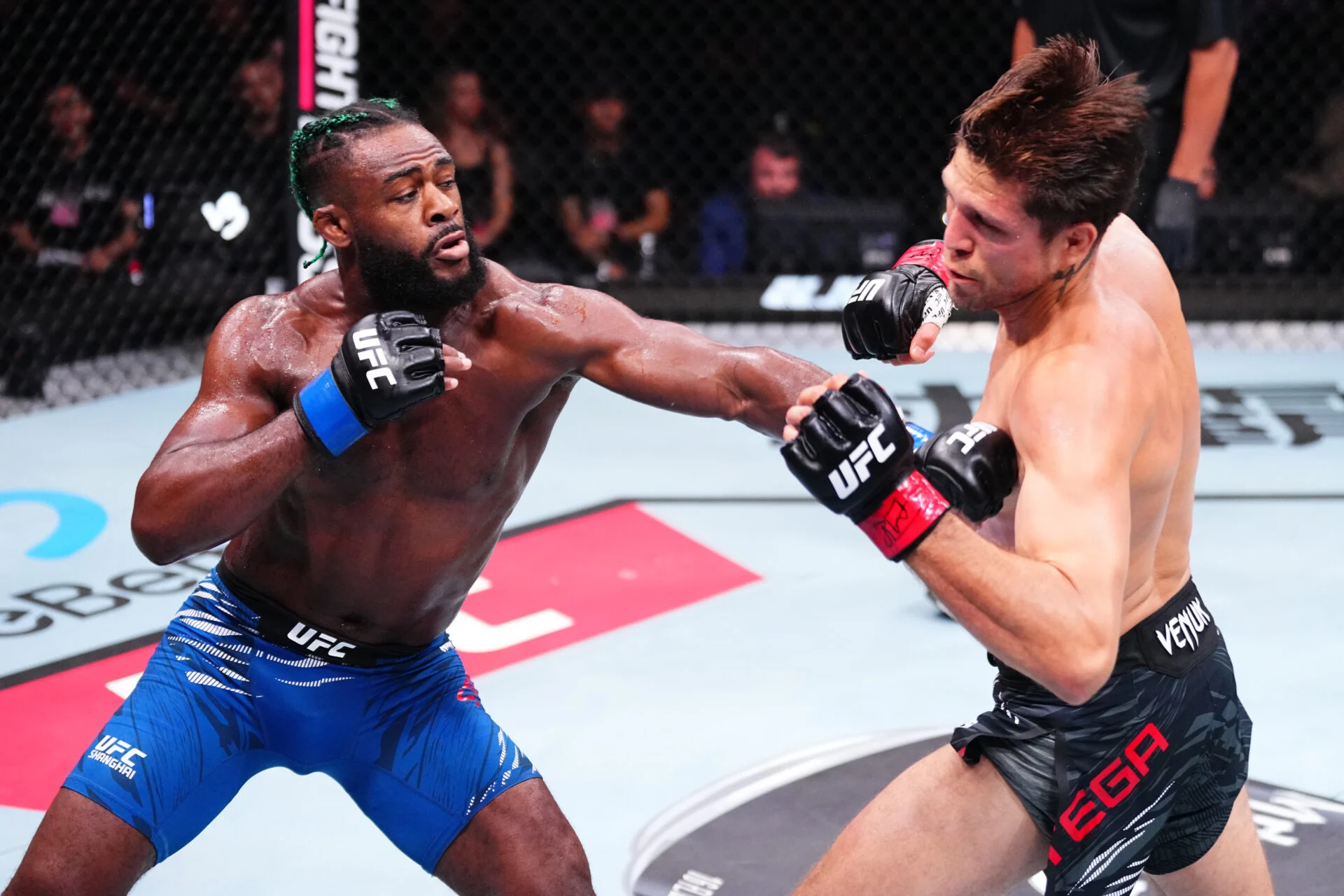
What followed stunned the MMA community. Despite his near collapse just days earlier, Brian Ortega put on a gritty performance, showing resilience and determination. While many expected a weakened Ortega, he showcased impressive grappling exchanges, strong stand-up moments, and the heart that made him a fan favorite.
Although he didn’t look 100% physically, Ortega’s courage left fans inspired. For Sterling, the change in weight meant preparing for a slightly heavier, more powerful Ortega than expected.
Long-Term Consequences for Brian Ortega
Health Risks
Even though Ortega survived this scare, the long-term health implications remain concerning. Repeated extreme weight cuts can lead to kidney damage, cardiovascular issues, and even shortened athletic careers. For a fighter like Ortega, who is already in his 30s, this incident may signal it’s time to move up a division permanently.
Career Direction
This fainting episode could mark a turning point in Ortega’s career. Staying at featherweight may no longer be realistic. Moving to lightweight (155 lbs) could provide a safer environment and prolong his career. However, it also means facing larger, stronger opponents—a new challenge for Ortega’s skillset.
Reputation and Legacy
Far from damaging his reputation, Ortega’s resilience in stepping into the Octagon after such a health scare actually enhanced his legacy as one of the sport’s toughest warriors. Fans admired his bravery, while critics argued it’s time for fighters like him to prioritize long-term well-being over short-term advantages.
The Bigger Problem – UFC and the Weight-Cutting Debate
The incident reignited discussions about how UFC and athletic commissions handle weight management. Critics argue that the system incentivizes fighters to put their lives at risk just to gain a few pounds of advantage.
Potential reforms include:
-
Same-day weigh-ins to prevent fighters from drastically rehydrating after weigh-ins.
-
Hydration tests, similar to those used in ONE Championship, to ensure fighters are not dangerously dehydrated.
-
Stricter medical monitoring to prevent tragedies.
Until such reforms are adopted, more fighters like Ortega may continue to suffer.
Public and Expert Reactions
Fans flooded social media with concern after Ortega’s collapse. Some praised him for still competing, while others criticized the UFC for allowing the fight to go forward.

Veterans of the sport, including Joe Rogan and analysts like Brian Windhorst, have long called for reform, warning that weight cutting is “the dirtiest open secret in MMA.” Ortega’s situation was another reminder of just how urgent the issue has become.
Conclusion – A Wake-Up Call for MMA
Brian Ortega fainting before UFC Shanghai was more than just a shocking moment—it was a reminder of the hidden dangers lurking behind every weight cut in MMA. While Ortega’s determination and performance against Aljamain Sterling proved his warrior spirit, the incident underscored a critical truth: no victory is worth risking long-term health or even life itself.
As the UFC and combat sports as a whole continue to evolve, Ortega’s collapse should serve as a wake-up call. The sport must find safer solutions for weight management before another tragedy strikes. For Ortega, this may mark the beginning of a new chapter—one where he either embraces a higher weight class or forces the UFC to rethink its outdated system.
In the end, his courage inside the Octagon cannot be questioned. But the bigger question remains: will MMA finally address the weight-cutting crisis before it’s too late?
Related News