



Olivia Rodrigo Secret Behind Every Hit Song Finally Leaks
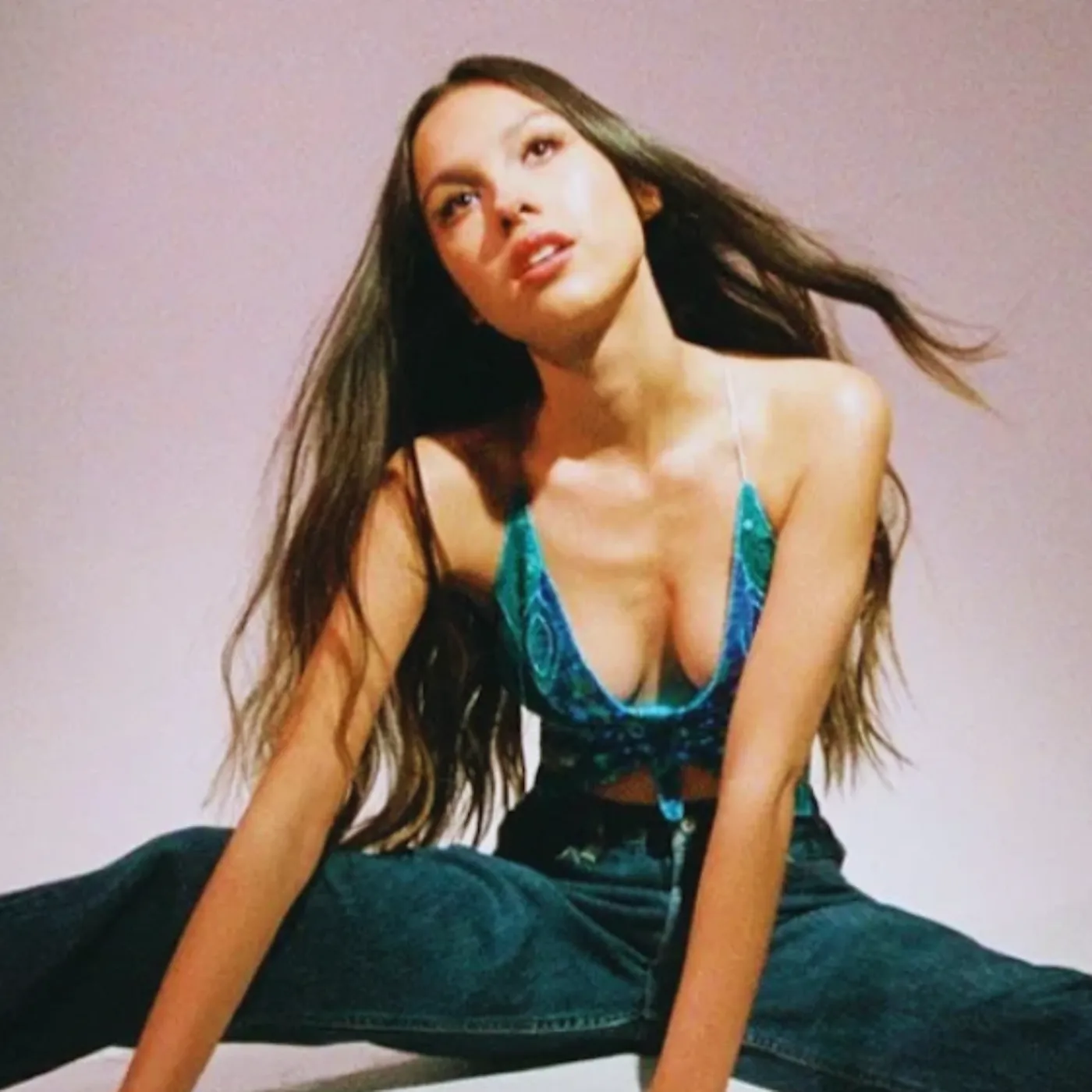
For years, Olivia Rodrigo has been one of the most talked-about names in the music industry. From the moment “drivers license” crashed streaming records to the massive success of “SOUR” and “GUTS”, her rise has been nothing short of meteoric. But behind the glittering awards, viral performances, and screaming fanbases, one persistent question refuses to die down — does Olivia Rodrigo write her own songs?
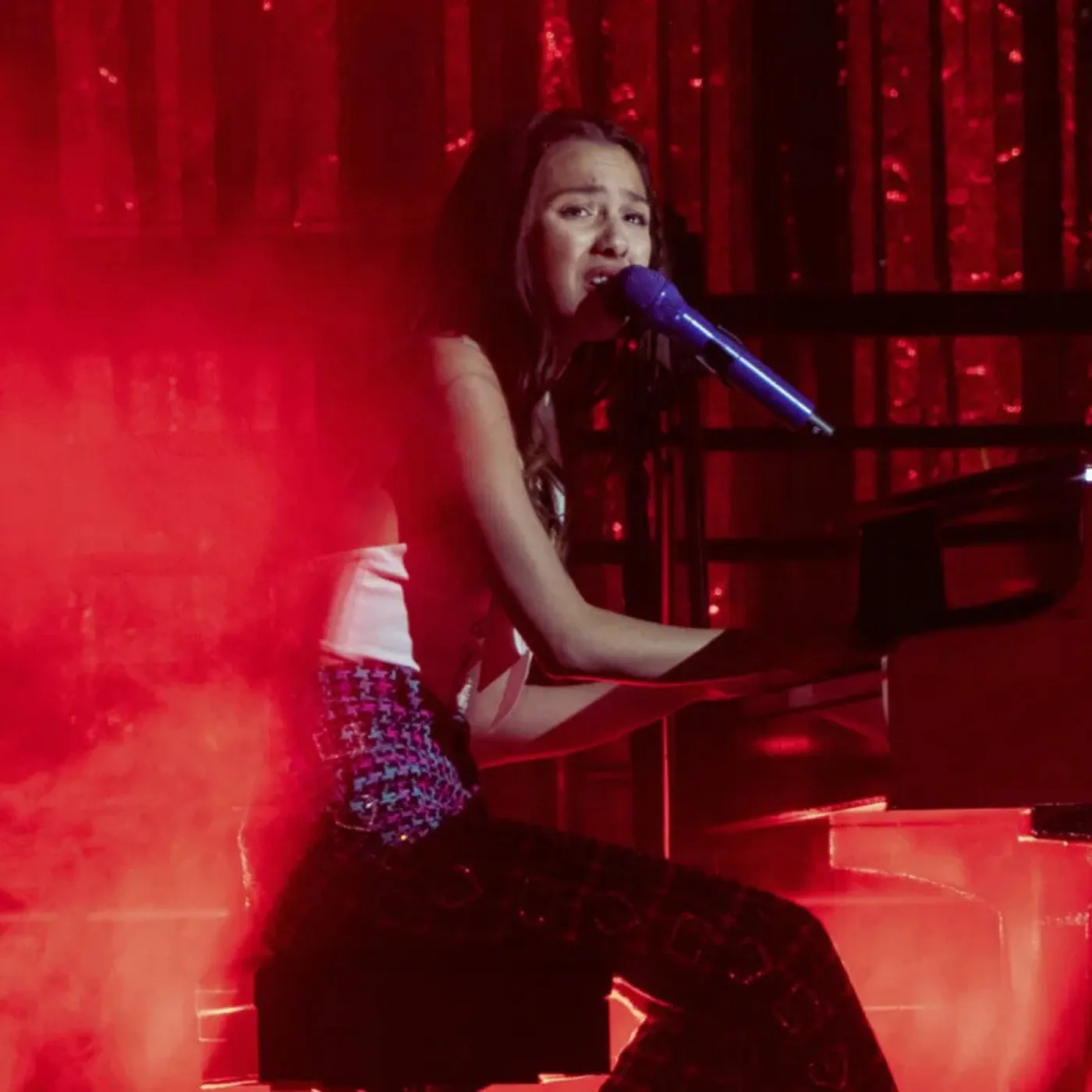
This question isn’t just an idle curiosity. In today’s music world, songwriting is more than a technical credit — it’s a sign of authenticity. Fans want to believe the emotions pouring out of a track come directly from the artist’s pen. Skeptics, however, point to an industry where ghostwriters, collaborative writing rooms, and label-driven songcraft are common. The Olivia Rodrigo songwriting debate has become a full-blown storm, dividing fans, critics, and fellow musicians.
The Spark That Lit The Songwriting Controversy
The controversy over Olivia Rodrigo songwriting first flared after the runaway success of her debut single “drivers license” in early 2021. The song’s razor-sharp emotional delivery led many to assume it came straight from her personal experiences. However, some critics quickly began digging into the official credits, noting that songwriter-producer Dan Nigro was listed alongside her. This sparked heated social media threads questioning how much of the song Olivia actually wrote.
When tracks from SOUR started dropping, the fire grew. Fans celebrated her lyrical storytelling, while others accused her of leaning heavily on collaborators. The tension escalated when news broke that Taylor Swift, Jack Antonoff, and St. Vincent were added to the credits of her song “deja vu” due to melodic similarities to Swift’s “Cruel Summer”. Suddenly, the internet was buzzing with hot takes — was Olivia Rodrigo a true songwriting prodigy, or was she benefiting from industry muscle?
Olivia’s Own Words About Her Songwriting
Olivia hasn’t exactly stayed silent. In multiple interviews, she has passionately defended her role as a writer. “Every song I’ve put out comes from my heart,” she once told Variety. She often describes her writing process as deeply personal — pulling from diary entries, voice memos, and late-night piano sessions.
She has repeatedly credited Dan Nigro as a creative partner, not a ghostwriter. Nigro himself has gone on record saying Olivia walks into the studio with lyrics and melodies in mind, and their sessions are about fine-tuning, experimenting with structure, and building production around her ideas. This is a common practice in pop music, where collaborative songwriting is the norm rather than the exception.
Still, even Olivia’s direct statements haven’t silenced the critics. In the age of viral gossip, nuance often gets lost. The debate keeps surfacing because people want an answer that’s either “She writes everything” or “She doesn’t write anything” — and reality is far more complex.
The Music Industry Reality Check
To understand the Olivia Rodrigo songwriting debate, you need to understand how modern hits are made. Pop music today thrives on collaboration. Even artists who are considered “songwriters first” often work with teams to refine hooks, adjust melodies, and shape verses for mass appeal.
In fact, the idea of a single artist sitting alone and writing every note is more romanticized than realistic. From Beyoncé to Ed Sheeran, some of the biggest names in the business rely on co-writers. The credits reflect these contributions — and yes, sometimes big names get added for legal or creative overlap reasons.
For Olivia Rodrigo, that means even if she pens the bulk of a song, collaborators will almost always share in the credits. This doesn’t diminish her role, but it does complicate the narrative of the solitary teenage genius writing chart-toppers in her bedroom.
The Fan Divide Over Songwriting Authenticity
Fans of Olivia Rodrigo are fiercely protective. For them, the emotional impact of “traitor”, the vulnerability in “happier”, and the cathartic rage of “good 4 u” prove her authenticity. They argue that co-writing doesn’t mean she’s less of an artist — it simply means she works with others to bring her vision to life.
On the other side, skeptics argue that marketing plays a huge role in how an artist’s image is built. They point out that Olivia’s brand leans heavily on relatability and personal storytelling, making songwriting credits a sensitive topic. For these critics, every additional name in the credits feels like a dent in the “authentic teenage songwriter” image.
This split isn’t unique to Olivia — similar debates have followed artists like Billie Eilish, Taylor Swift, and Harry Styles. But because Olivia is still early in her career, the narrative is more fragile, and public perception is still being shaped.
The Taylor Swift Connection And Its Impact
Olivia has never hidden her admiration for Taylor Swift. But their connection has played a surprising role in fueling the songwriting debate. Swift is famously meticulous about her writing, often praised for her lyrical craftsmanship. When Olivia was seen as Taylor’s “songwriting protégé,” expectations skyrocketed.
Then came the credit additions — Taylor Swift, Jack Antonoff, and St. Vincent on “deja vu”, and Paramore’s Hayley Williams and Josh Farro on “good 4 u” due to similarities with “Misery Business”. While these were legal and respectful moves to acknowledge influence, the internet twisted them into narratives about originality. Suddenly, the conversation shifted from admiration to accusation.
Olivia Rodrigo’s Process Behind The Hits
Insiders who have worked with Olivia describe a method that’s both emotional and technical. She’s known for walking into sessions with fully formed lyrical concepts. Her voice memos often feature raw melodies and chord progressions. Dan Nigro then helps her expand those sketches into full productions, adding arrangements, harmonies, and instrumental layers.
This is especially evident in songs like “vampire”, where the lyrics read like diary entries but the production builds into a cinematic climax. Even critics admit that regardless of collaboration, Olivia’s fingerprints are all over her work — from phrasing choices to thematic focus.
Why This Question Refuses To Die
The persistence of the “Does Olivia Rodrigo write her own songs?” debate comes down to three things:
-
The youth factor — At just 20 years old, her success is staggering, making some skeptical that she could achieve it without heavy industry input.
-
The branding — Olivia’s image is tied to emotional honesty and storytelling, so songwriting authenticity is a core part of her appeal.
-
The internet’s appetite for drama — In the age of TikTok and Twitter, any whiff of controversy gets amplified, regardless of the facts.
Industry Voices Weigh In
Several industry veterans have spoken out in Olivia’s defense. Grammy-winning songwriter Julia Michaels praised her “fearless lyrical honesty.” Even Taylor Swift has publicly shown support, calling her “a storyteller with a rare gift.” These endorsements carry weight, but for the more cynical corners of the internet, they’re just part of the PR machine.
Music journalists often point out that even if Olivia were to release full footage of her writing sessions, skeptics would still find reasons to doubt. In the court of public opinion, some debates simply can’t be won.
The Bottom Line On Olivia Rodrigo’s Songwriting
So, does Olivia Rodrigo write her own songs? The answer is yes — but with collaborators. She’s not a lone wolf in the studio, nor is she a passive performer handed pre-written tracks. She’s a modern pop artist navigating the same collaborative landscape as her peers.
The real question isn’t whether she writes every word, but whether her songs reflect her voice. Judging by the emotional resonance her music has with millions, the answer seems clear.
Why This Matters For The Future Of Pop
Olivia Rodrigo’s case is a perfect snapshot of the music industry in 2025 — where authenticity, branding, and collaboration collide. As long as fans crave personal connection, artists will be scrutinized for their songwriting. But as long as hits keep coming, the machine will keep moving.
For Olivia, the debate may actually fuel her momentum. Every headline, every Twitter thread, every viral TikTok about her songwriting keeps her at the center of the conversation — and in the streaming era, attention is currency.
Final Thought: Whether you believe Olivia Rodrigo is the pen behind every lyric or part of a powerful creative team, one thing is undeniable — she has mastered the art of making her audience feel something. In the end, that’s what keeps fans coming back, songwriting credits aside.