







‘They Hate the Great Ones’ — Novak Djokovic Channels Kobe’s Wisdom in Powerful Message About Hate, Parenting, and Legacy
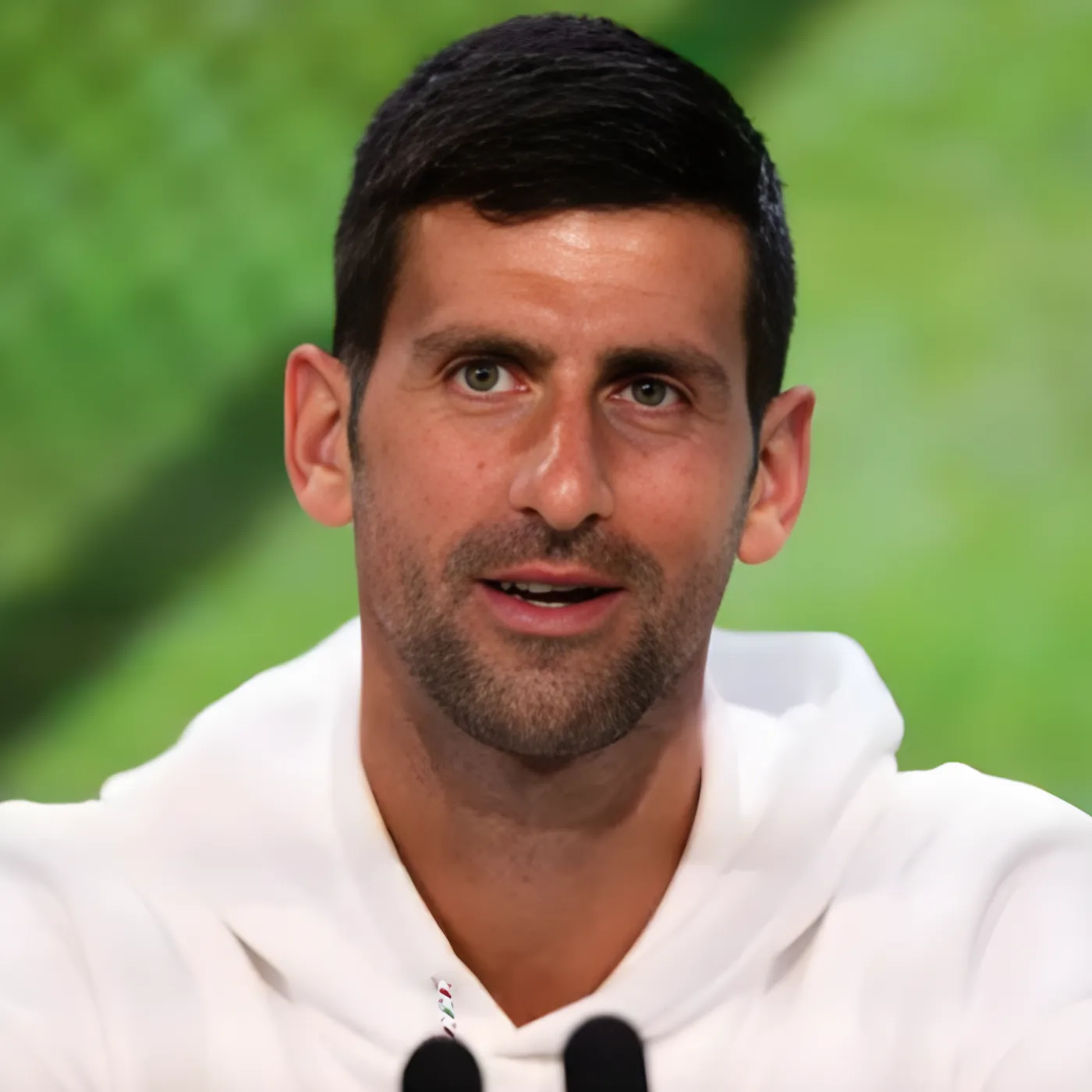
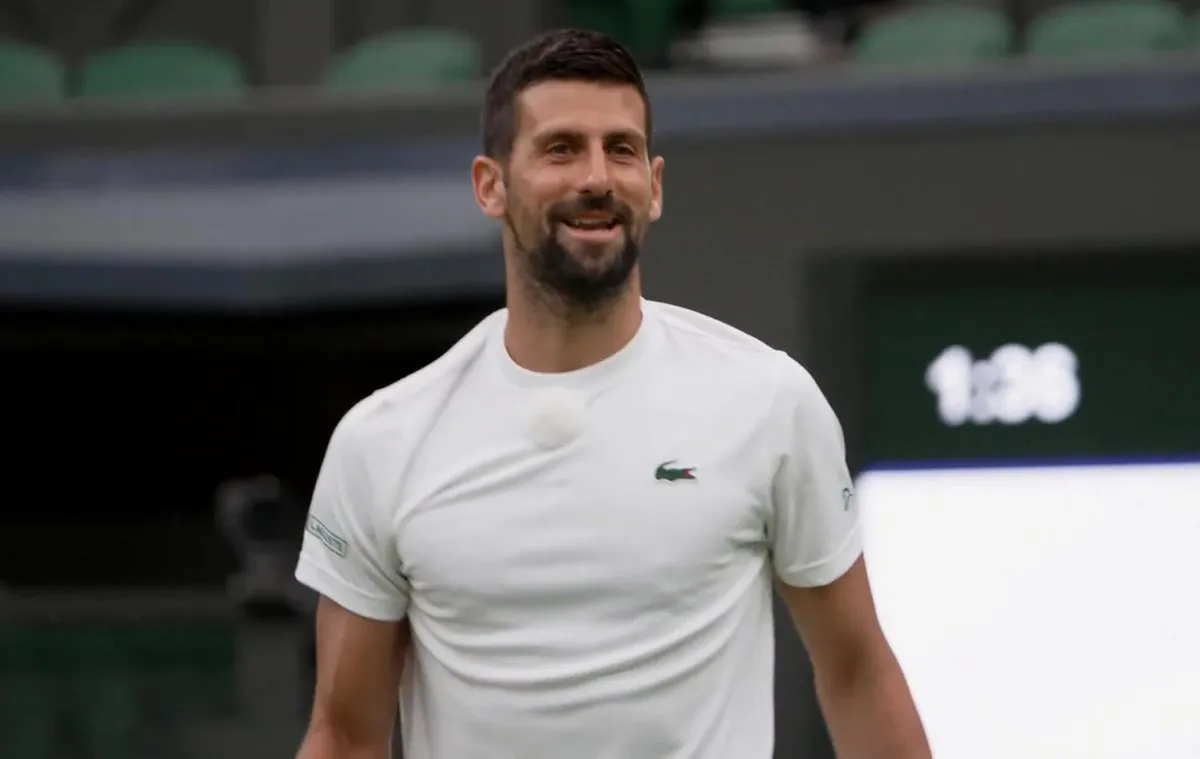
In the world of sports, Novak Djokovic is a name that evokes admiration, debate, and sometimes even controversy. The Serbian tennis legend, who has dominated the ATP tour for over a decade, is no stranger to the complexities of fame, public scrutiny, and the constant battle between personal values and public perception. In a recent and deeply personal reflection, Djokovic invoked the timeless wisdom of Kobe Bryant, the late NBA superstar, to shed light on the themes of hate, parenting, and legacy—offering a rare glimpse into the mindset of an athlete who continues to redefine greatness on and off the court.
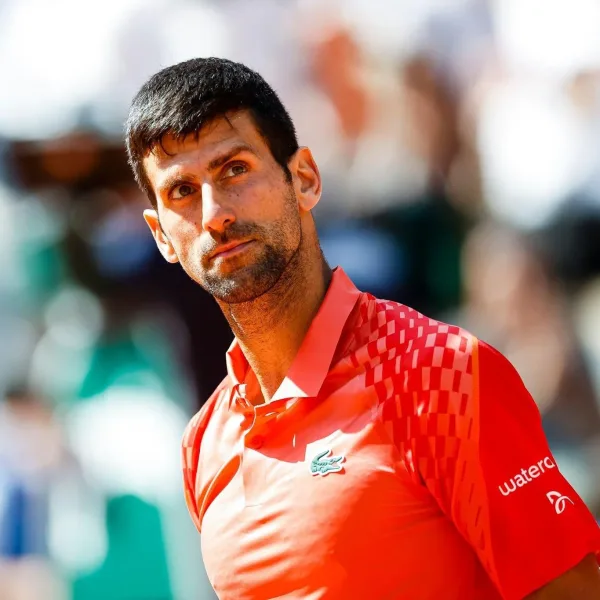
Djokovic’s words, inspired by Bryant’s iconic perspective—“They hate the great ones”—struck a chord with fans and critics alike. This message encapsulated not only his own experiences as a polarizing figure in tennis but also broader truths about success, personal growth, and the burden of legacy. In doing so, he created a powerful narrative that transcends sport, touching on universal human struggles: how we confront resentment, how we nurture our children, and how we define the meaning of a life well-lived.
The Weight of Greatness and the Inevitable Hate
To fully grasp the significance of Djokovic’s statement, it is essential to understand the context in which it arises. Djokovic has spent his career chasing—and surpassing—legends like Roger Federer and Rafael Nadal, two players beloved by millions for their grace, style, and personalities. Despite his staggering achievements, Djokovic has often been positioned as the outsider, the villain in a sport that frequently celebrates its “gentlemen champions.” He has been booed at major tournaments, scrutinized for his behavior, and criticized for his outspoken nature. For many, his path to the top has been as much about emotional resilience as it has been about forehands and serves.
This dynamic mirrors what Kobe Bryant once expressed when reflecting on his own career in the NBA. Kobe famously said that true greatness attracts both admiration and resentment, and the latter is often more intense. When Djokovic echoed this sentiment, he wasn’t simply defending himself; he was identifying a profound reality about how society reacts to exceptional individuals. “They hate the great ones,” Djokovic said, channeling Kobe’s understanding that greatness often disrupts comfort zones. It challenges narratives, creates tension, and forces others to confront uncomfortable truths about themselves.
For Djokovic, this hatred isn’t merely a personal affront. It has been part of his identity as a competitor. Over time, he has learned to accept that being disliked is often a byproduct of aiming for the extraordinary. In this way, Djokovic’s reflection becomes more than just commentary on his career; it is a meditation on what it means to relentlessly pursue excellence in a world that often prefers mediocrity cloaked in politeness.
Parenting Through the Lens of Experience
Perhaps the most compelling part of Djokovic’s message is how he connects this wisdom about greatness to parenting. Now a father of two, Djokovic has often spoken about how fatherhood has transformed his perspective on life. The once fiery, sometimes impulsive competitor has evolved into a man who carefully considers how his actions and words affect not only his children but also the broader audience of young fans who look up to him.
Djokovic has acknowledged that teaching his children resilience is among his greatest responsibilities. Drawing from Kobe Bryant’s approach to parenting, Djokovic emphasizes the importance of preparing his children for a world that will not always be kind. He understands that shielding them from criticism or discomfort does not equip them for the challenges ahead. Instead, he aims to show them that strength is born in adversity, and that true self-worth isn’t tied to public approval but to personal integrity and effort.
His message also underscores a fundamental truth about legacy: what we leave behind is not just trophies or records, but values instilled in those who come after us. Djokovic often frames his parenting philosophy around this principle. His children may grow up in the shadow of his monumental achievements, but his goal is to teach them that greatness—real greatness—comes from discipline, humility, and service to others, not from applause or accolades.
Kobe Bryant’s Enduring Influence
It is no coincidence that Djokovic found resonance in Kobe Bryant’s wisdom. The two athletes shared more than just an obsession with excellence; they shared a deep respect for the inner journey of champions. Kobe, who tragically passed away in 2020, left behind a legacy far beyond basketball. His “Mamba Mentality” became a blueprint for achieving greatness in any field—relentless work ethic, emotional toughness, and a willingness to be misunderstood in the pursuit of one’s purpose.
Djokovic, who openly admired Kobe and sought his guidance during difficult periods of his career, has internalized this mentality. Kobe’s influence is evident not only in Djokovic’s approach to competition but also in his willingness to embrace his role as a cultural disruptor. By quoting Kobe, Djokovic was not simply paying homage; he was aligning himself with a philosophy that transcends sport. In doing so, he reminded the world that greatness is rarely comfortable or universally celebrated. It is often lonely, painful, and deeply misunderstood.
Redefining Legacy Beyond Trophies
In reflecting on hate, parenting, and legacy, Djokovic ultimately leads us to a profound question: What does it mean to be truly great? For decades, the conversation about Djokovic has centered around numbers—Grand Slam titles, weeks at number one, and head-to-head records against Federer and Nadal. And yet, as his career matures, it becomes increasingly clear that his legacy cannot be captured solely by statistics.
Djokovic’s words suggest that he views his legacy through a broader lens. It is about the lessons he imparts to his children, the inspiration he provides to young athletes in Serbia and beyond, and the courage he demonstrates in staying true to himself in the face of criticism. This holistic understanding of legacy mirrors Kobe’s evolution in his later years, as he shifted his focus from personal accolades to storytelling, mentorship, and empowering the next generation.
The Humanity Behind the Champion
What makes Djokovic’s message so compelling is its raw humanity. Behind the steely-eyed champion is a man grappling with the same insecurities, fears, and hopes that define all of us. He has been open about his struggles with mental health, his search for spiritual balance, and his desire to leave the sport—and the world—better than he found it. By channeling Kobe’s wisdom, Djokovic allows us to see that his journey is not just about tennis; it is about becoming a better human being.
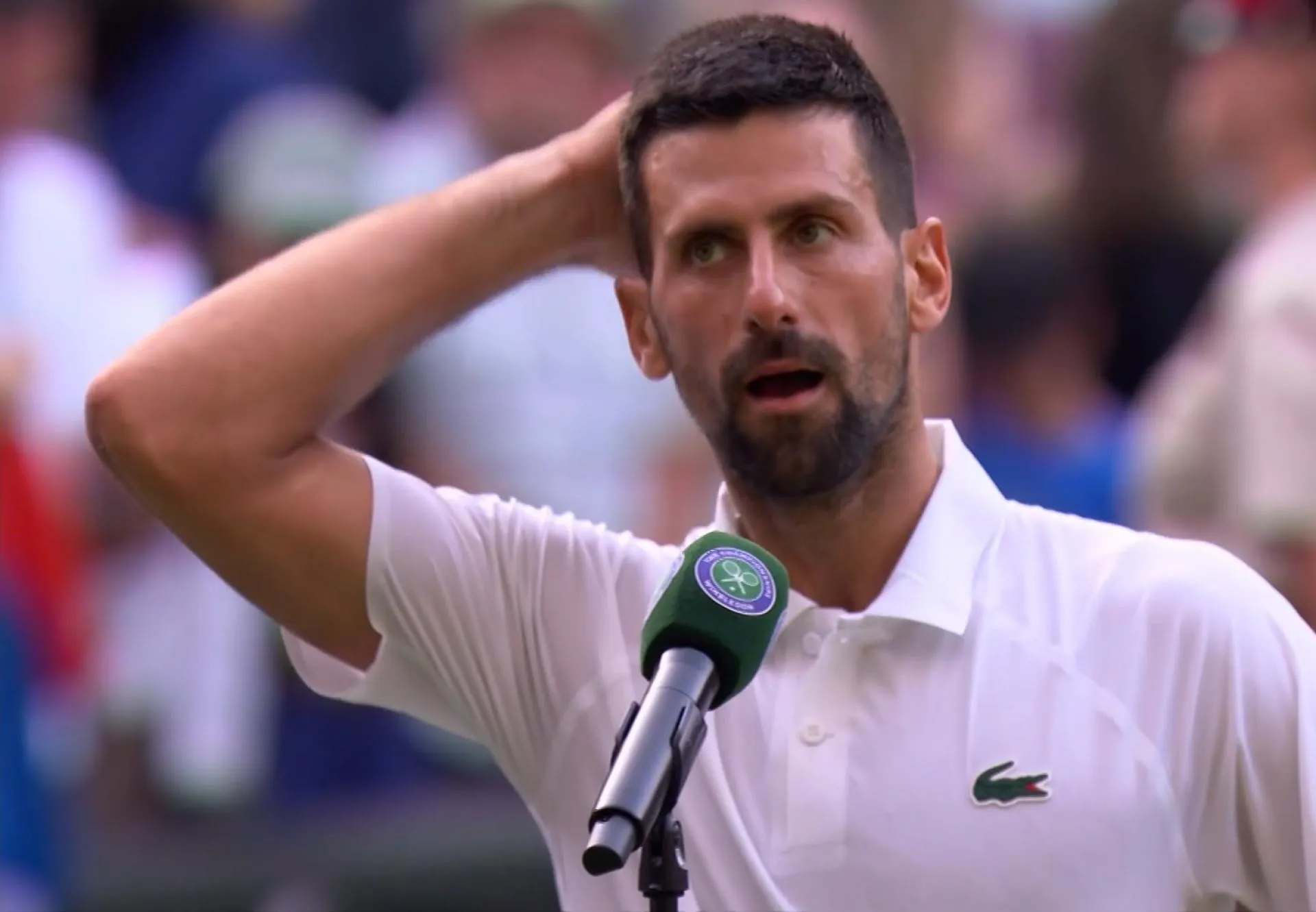
This perspective forces us to reconsider our own relationship with greatness. Why do we often resent those who achieve extraordinary things? Why do we find it easier to celebrate mediocrity than to support individuals who challenge the status quo? Djokovic’s words, rooted in Kobe’s timeless insight, compel us to confront these uncomfortable questions.
A Message That Transcends Sport
In the end, Djokovic’s powerful reflection reminds us that hate is often the shadow cast by greatness. But rather than succumbing to bitterness or defensiveness, he reframes it as part of the journey—a sign that he is walking a path few dare to take. For parents, his words offer guidance on how to raise resilient children. For aspiring athletes, they provide a blueprint for navigating the lonely road to excellence. And for society at large, they challenge us to examine how we treat those who dare to rise above.
Novak Djokovic, like Kobe Bryant, has learned that legacy is not just what you achieve, but what you give—to your family, your community, and the generations that follow. In this way, his message transcends tennis, echoing a truth as relevant in boardrooms and classrooms as it is on center court: greatness demands courage, and courage often comes at the cost of being misunderstood.
Related News