Roman Reigns Returns in Epic Fashion — But Fans Are Asking: Why Is WWE Still Wasting His Prime?
For over a decade, Roman Reigns has stood at the heart of WWE’s storytelling machine, a polarizing yet undeniable force who redefined what it means to be the company’s top guy. His return to the ring in an epic fashion has once again reignited the fervor of his supporters and critics alike, proving that his presence is as magnetic as ever. But with all the hype surrounding his comeback, a frustrating question lingers in the minds of many fans and analysts: Why is WWE still wasting his prime?
In the world of professional wrestling, momentum is everything. When a superstar has it, the company thrives. When it’s squandered, years of storytelling can be rendered meaningless. And for Roman Reigns, whose career has seen its highest highs in recent memory, the path WWE is currently treading risks undermining the incredible character evolution he’s undergone since becoming the “Tribal Chief.”
The Return That Shocked and Electrified the WWE Universe
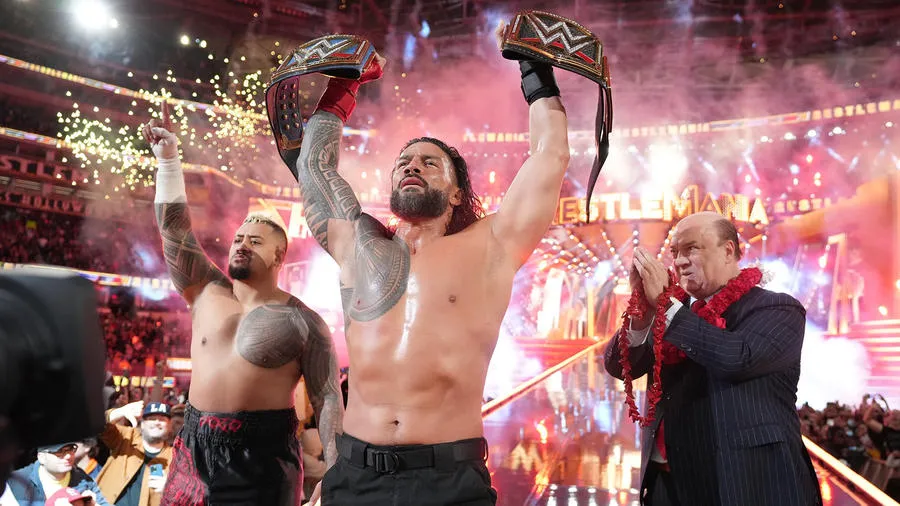
Roman’s most recent return to WWE was nothing short of cinematic. His music hit, the arena erupted, and the cameras caught every jaw-dropping reaction in the audience. This wasn’t just a superstar coming back after a hiatus; this was an event. Roman walked out with the swagger and aura befitting the “Head of the Table,” a persona that has elevated him beyond the traditional babyface or heel labels.
In that moment, fans were reminded of why Roman Reigns has become one of the most compelling figures in modern wrestling. His evolution from the heavily criticized “chosen one” of WWE to a self-assured, calculating leader of The Bloodline is arguably one of the most important transformations in company history. But as epic as his return felt, it only served to underline the gnawing frustration of many: Is WWE doing enough with Roman Reigns while he’s at the peak of his powers?
The “Tribal Chief” and the Apex of Roman’s Career
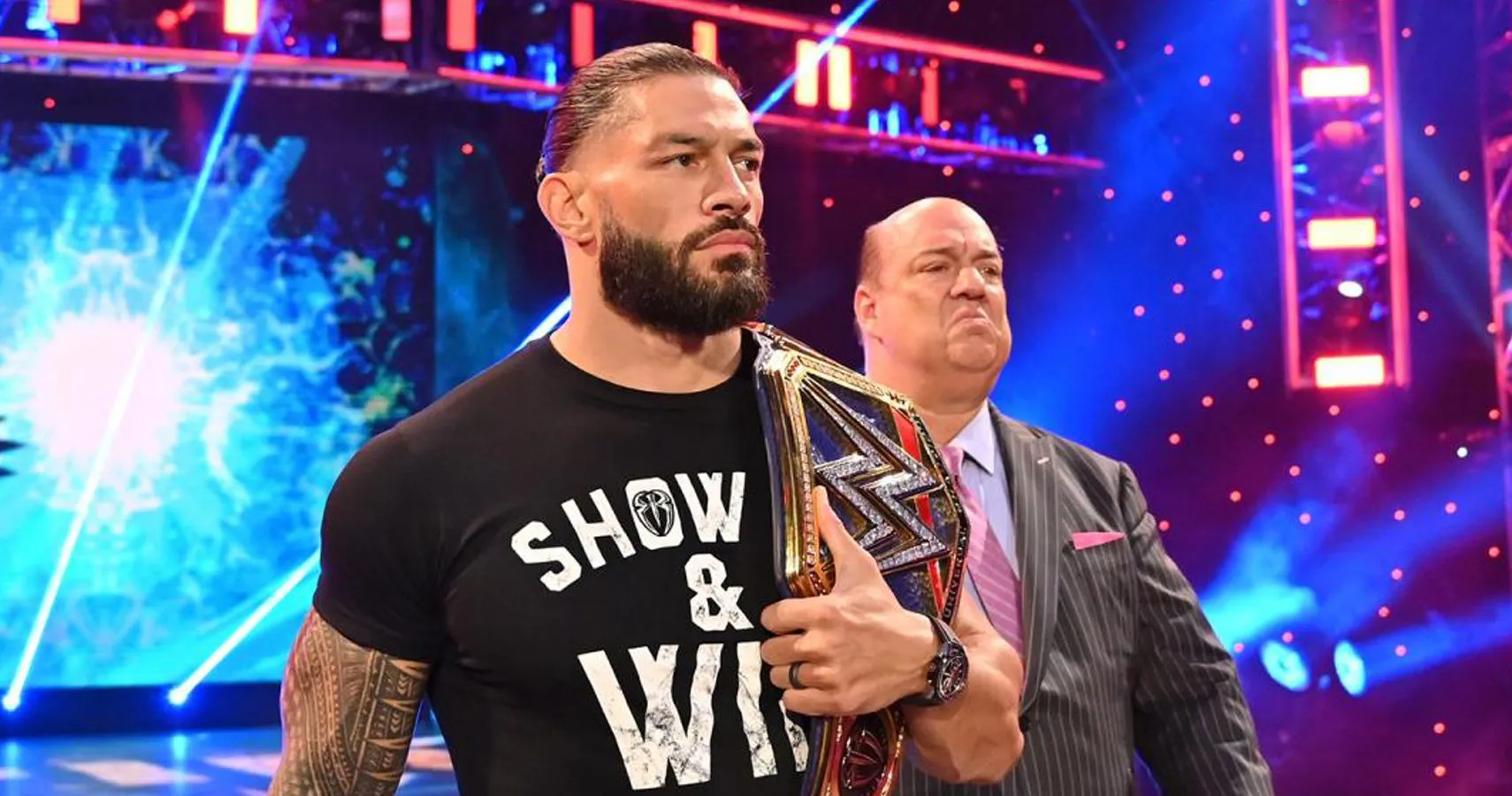
Roman’s “Tribal Chief” character is a masterclass in wrestling storytelling. No longer the silent enforcer of The Shield or the smiling, corporate-molded babyface who struggled to win over audiences, Roman carved out an identity that feels authentic and layered. He is both the domineering champion who crushes his enemies and the vulnerable leader trying to keep his family — The Bloodline — in line.
This transformation, driven largely by Roman himself and his creative collaboration with Paul Heyman, gave WWE its most compelling faction storyline in years. The Bloodline saga brought out the best in everyone involved, from Jey Uso’s emotional rebellion to Jimmy Uso’s conflicted loyalty, and even the arrival of Solo Sikoa, who injected fresh energy into the dynamic.
But the heart of the storyline has always been Roman. His quiet, menacing promos, combined with the gravitas he brings to every segment, make him must-watch television. Yet, despite all of this character work, the actual in-ring utilization of Roman has left much to be desired, and that’s where the criticism of WWE’s booking decisions truly begins.
Why Fans Believe WWE Is Wasting His Prime
The term “wasting his prime” might sound harsh, but to many fans, it rings true. Roman Reigns is in his late 30s, an age where most wrestlers find themselves in the sweet spot of experience and athletic capability. He has mastered his character, perfected his in-ring psychology, and can deliver big-match moments on demand. But in the last year, Roman’s appearances and matches have been sporadic at best.
Fans are frustrated by long gaps between Roman’s appearances on television and the fact that his title defenses are few and far between. While the “special attraction” approach has worked for legends like Brock Lesnar, it risks creating diminishing returns for a character like Roman, whose strength lies in his ongoing, week-to-week storytelling presence.
Even worse, WWE has occasionally struggled to craft compelling opponents for Roman. Beyond marquee matches with stars like Cody Rhodes and Sami Zayn, the creative team has often leaned on the same recycled rivalries, leaving fans feeling that the narrative is stagnant. This is where the prime of Roman’s career feels underutilized: rather than elevating mid-card talent or building new stars to challenge the Tribal Chief, WWE seems content to keep him in a holding pattern, defending his title only at select premium events.
The Bloodline Storyline: Brilliant but Overextended?
No discussion about Roman Reigns can ignore the Bloodline storyline. What started as an emotionally charged family drama has, over time, become one of the longest-running sagas in WWE history. It gave fans unforgettable moments — Jey Uso defying Roman, Sami Zayn’s betrayal, and the shocking implosion of the faction during the height of its tension.
But as the months drag on, some feel that the story has lost its urgency. The once unpredictable narrative beats have been replaced by drawn-out segments and repetitive confrontations. While Roman’s return breathed some new life into the arc, the risk of overexposure looms large. The Bloodline is still a money-making machine for WWE, but its creative direction feels hesitant, as if the company is reluctant to move Roman into a new chapter of his career.
The Cody Rhodes Question
Another major point of contention is the Cody Rhodes storyline. At WrestleMania 39, Cody seemed poised to finish his “story” and dethrone Roman Reigns, a moment that could have solidified him as the face of WWE’s next generation. Instead, Roman retained the title, sparking heated debates about whether WWE missed its chance to create a truly iconic WrestleMania moment.
Cody’s journey continues, but Roman’s role in this narrative feels strangely disconnected. Rather than using Roman’s dominance to elevate Cody in a more meaningful way, WWE has dragged out the feud without clear payoffs. This indecision reflects a broader issue: WWE seems unsure how to balance Roman’s long title reign with the need to push new stars forward.
Roman Reigns: A Superstar in Need of Fresh Challenges
The wrestling world thrives on change. For Roman Reigns to remain compelling, he needs fresh rivalries that test him in new ways. Imagine Roman facing off against a resurgent Gunther, a ruthless Bron Breakker, or even crossing paths with a returning legend in a clash of eras. These kinds of feuds could elevate Roman’s reign and keep fans invested.
Instead, WWE has often played it safe, sticking to a limited pool of challengers. This reluctance to innovate not only risks alienating fans but also prevents Roman from adding more layers to his already complex character. His prime years should be spent cementing his legacy, not treading water in repetitive storylines.
The Clock Is Ticking
Every great wrestler has a window where they’re at their absolute best — a combination of physical capability, storytelling mastery, and star power. Roman Reigns is in that window right now. But time waits for no one. If WWE fails to maximize his momentum, his character risks becoming stale, and the magic of the Tribal Chief era could fade before it fully realizes its potential.
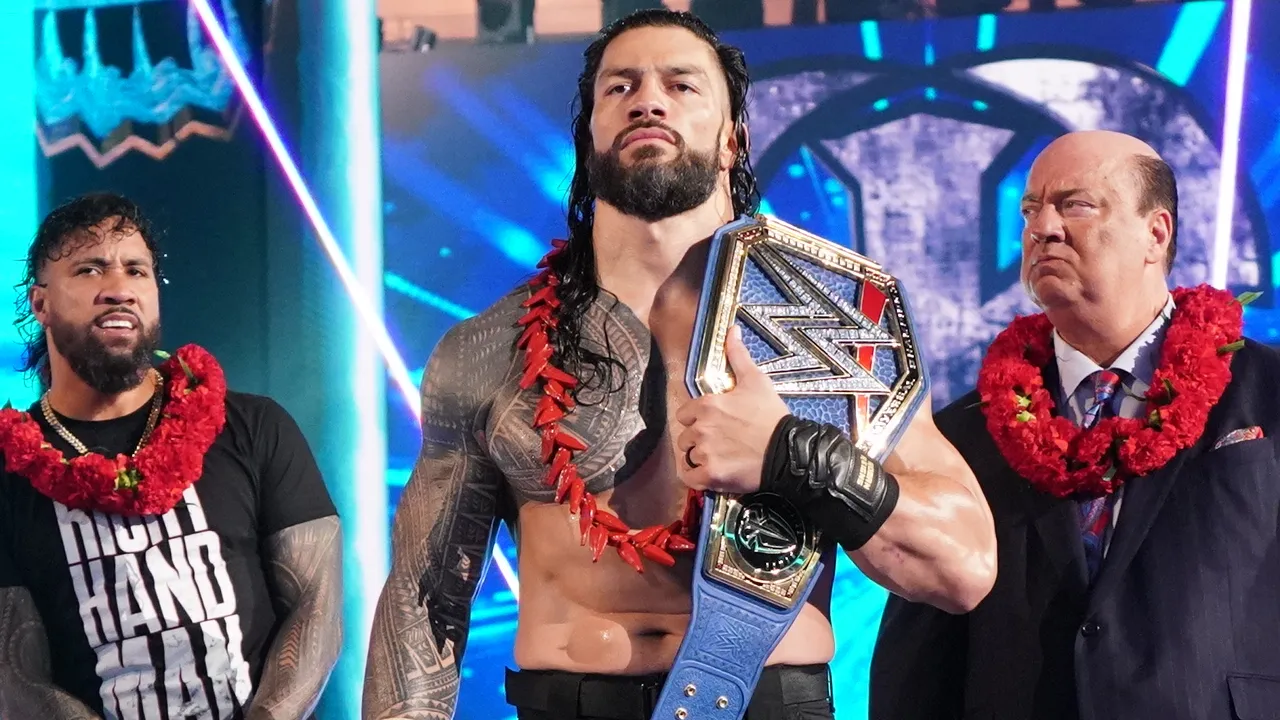
Roman’s legacy is undeniable, but his prime years demand bolder booking decisions. Fans want to see Roman pushed to his limits, engaged in feuds that feel fresh and meaningful, and appearing on television often enough to maintain his larger-than-life presence.
Conclusion: The Tribal Chief Deserves Better
Roman Reigns’ return to WWE was epic — a reminder of why he’s one of the most captivating performers of this generation. But an epic return alone isn’t enough. WWE must do more than lean on the Bloodline storyline and Roman’s larger-than-life persona. They need to give him rivalries that challenge him, matches that define his reign, and narratives that make full use of his prime.
The question isn’t whether Roman Reigns can carry WWE; he’s already proven that. The real question is whether WWE is willing to take the risks necessary to ensure that his prime years aren’t wasted. Because if they don’t, this era of Roman Reigns — one of the most intriguing and dominant in wrestling history — could ultimately feel like a missed opportunity.
Related News