London School Sparks Fierce Debate After Featuring Harry Styles and Elliot Page in Bold New Lesson on Modern Masculinity
In a groundbreaking move that has sent ripples through the academic community and ignited intense public discourse, a prestigious London school has introduced a bold new lesson on modern masculinity. This innovative curriculum, which prominently features Harry Styles and Elliot Page as central case studies, aims to challenge outdated gender norms and foster a more inclusive understanding of what it means to be masculine in the 21st century. Yet, while the program has been praised by advocates for gender inclusivity, it has also provoked fierce debate among parents, educators, and cultural commentators who argue that the redefinition of masculinity is neither simple nor universally accepted.

Redefining Masculinity for a New Generation
At the heart of this educational reform is a pressing question: What does masculinity mean today? For decades, traditional gender roles have dictated that men must be stoic, assertive, and emotionally reserved. However, cultural shifts, increased advocacy for mental health awareness, and greater visibility of LGBTQ+ voices have prompted a reevaluation of these outdated ideals. By incorporating public figures like Harry Styles, who is renowned for his flamboyant and gender-fluid fashion choices, and Elliot Page, an openly transgender actor who has become a prominent voice in LGBTQ+ representation, the school seeks to present masculinity as a broad, evolving spectrum rather than a rigid, one-dimensional identity.
This curriculum challenges the notion that masculinity must conform to a singular archetype. Instead, it embraces a more holistic view—one that encourages students to see gender expression as deeply personal and ever-changing. In doing so, the program reflects a wider cultural movement toward deconstructing toxic masculinity and creating space for vulnerability, creativity, and self-expression among men and those who identify with masculinity.
Why Harry Styles and Elliot Page?
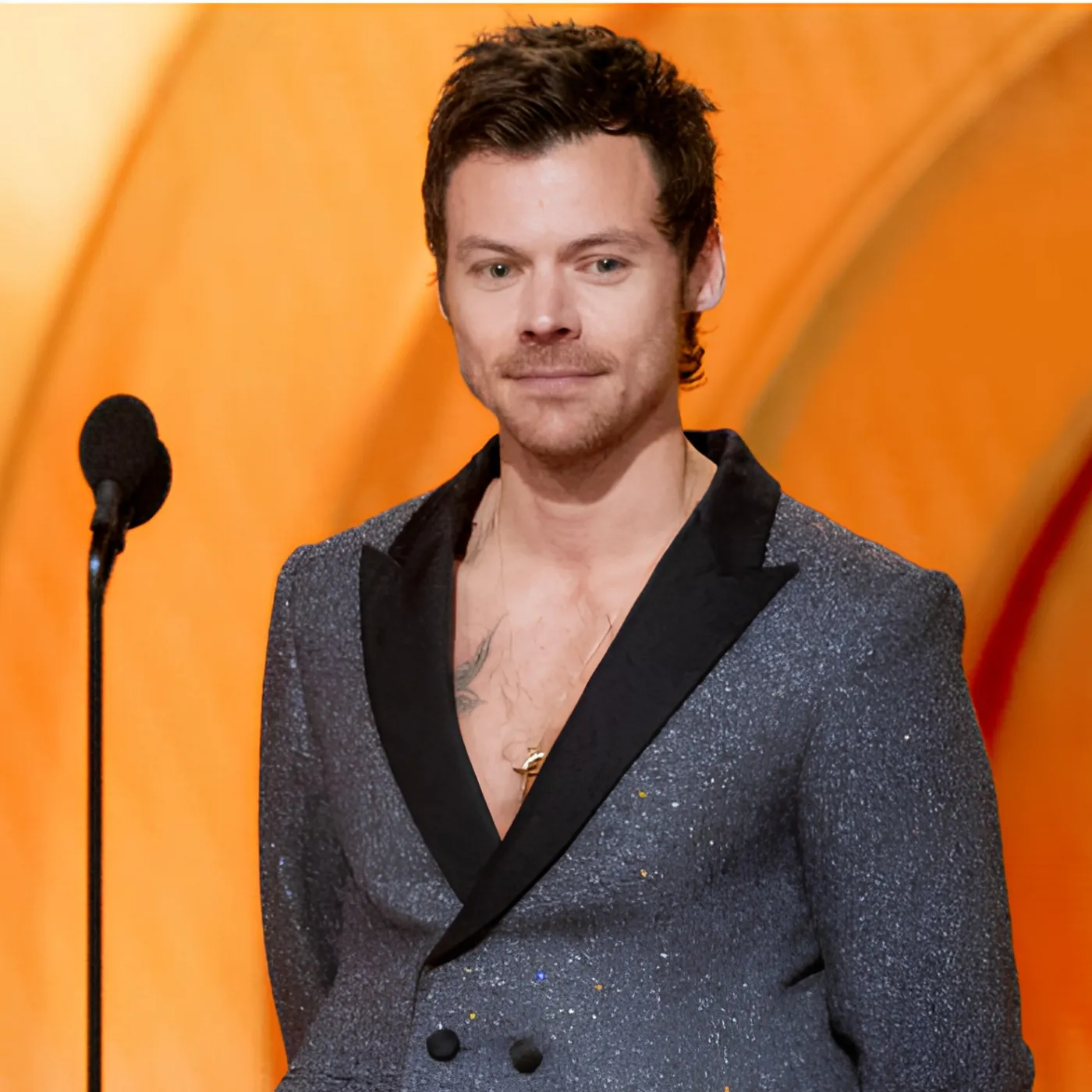
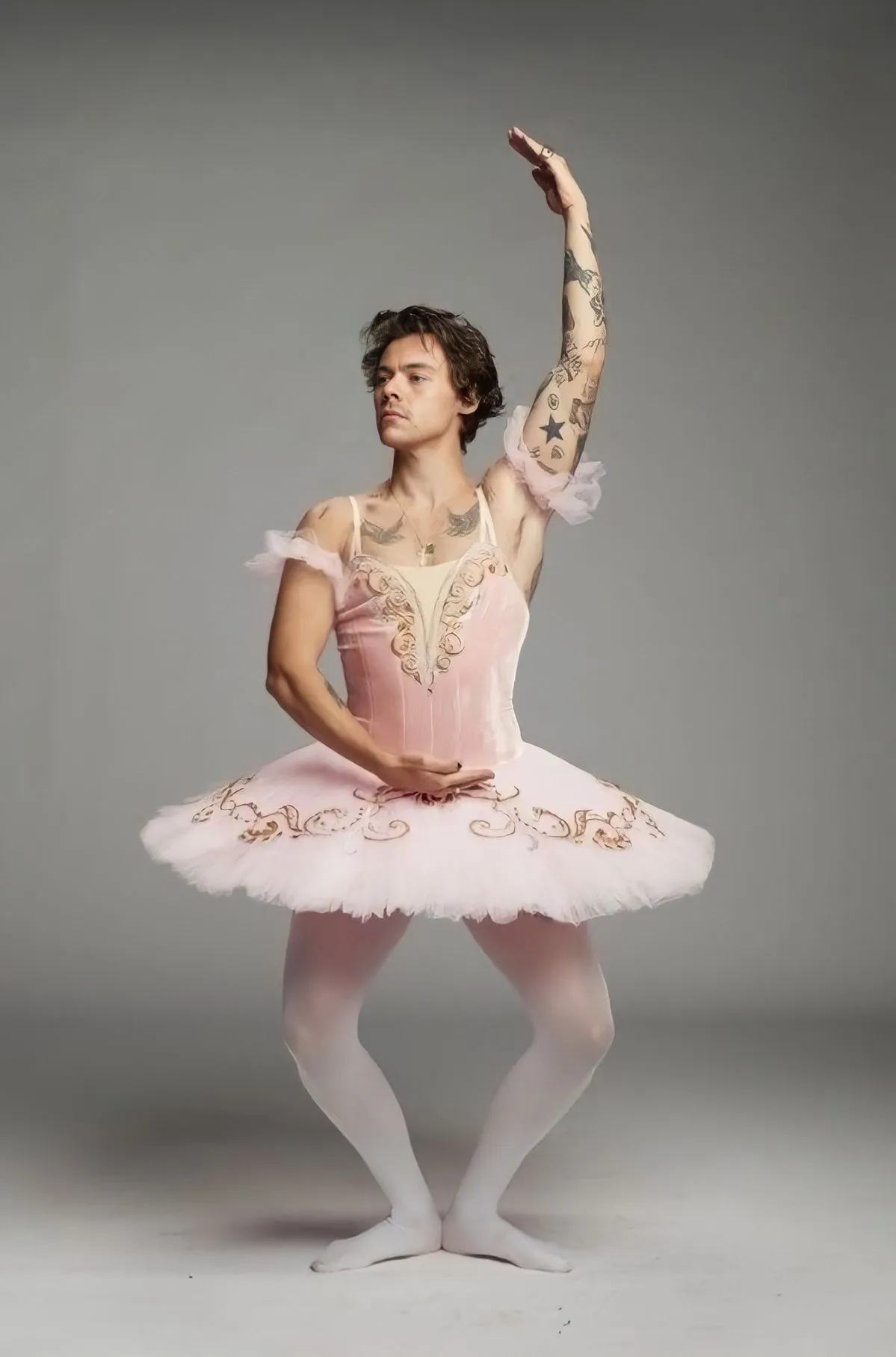
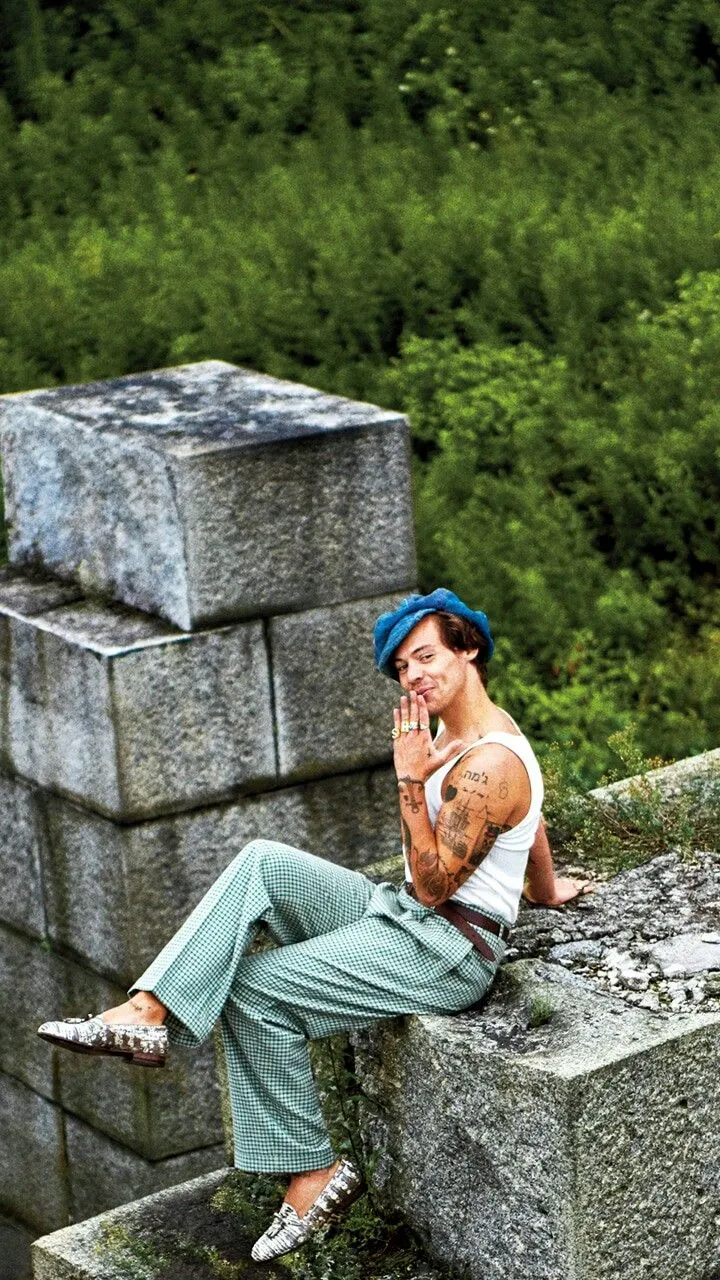
The choice to spotlight Harry Styles and Elliot Page is anything but arbitrary. Both figures symbolize different yet complementary aspects of the modern masculinity conversation. Styles, a global pop icon, has become a symbol of gender fluidity in mainstream culture. His unapologetic embrace of traditionally “feminine” clothing and playful experimentation with identity challenges long-held assumptions about what men should look like or how they should behave. His very public rejection of hypermasculine norms has inspired a generation of young men to reconsider the boundaries of gender expression.
In contrast, Elliot Page’s journey offers a deeply personal and profoundly transformative perspective on masculinity. As a transgender man navigating the challenges of fame, gender dysphoria, and self-acceptance, Page’s story provides invaluable insight into the lived realities of those who do not fit neatly within conventional gender frameworks. By including Page’s experiences in the curriculum, the school encourages students to engage with complex questions about identity, authenticity, and the intersection of masculinity with transgender experiences.
Together, these two case studies illustrate that masculinity is not a monolith but a dynamic and multifaceted identity. Their stories serve as powerful tools for sparking conversation, encouraging empathy, and inspiring students to challenge their own assumptions about gender.
The Classroom as a Cultural Battleground
The introduction of this lesson has turned the classroom into a microcosm of a much larger cultural debate. For some educators and parents, the program represents progress—a long-overdue effort to prepare students for a diverse and inclusive society. They argue that by exploring different expressions of masculinity, students gain critical tools for understanding themselves and respecting others.
However, critics have been quick to voice their concerns. Some parents claim the lesson undermines traditional family values, accusing the school of pushing a “political agenda” under the guise of education. Others argue that concepts like gender fluidity and transgender identity are too complex for younger students to fully grasp. This tension reflects a broader societal divide over how—and when—children should be introduced to discussions of gender identity and sexual orientation.
This is not the first time schools have found themselves at the center of cultural conflicts. Across the UK and beyond, debates over gender-inclusive education have grown increasingly heated, often pitting progressive educators against conservative parents and policymakers. In this case, the inclusion of high-profile figures like Styles and Page has amplified the controversy, making the lesson a lightning rod for both praise and criticism.
The Role of Pop Culture in Education
An intriguing aspect of this program is its deliberate use of pop culture icons as teaching tools. Educators have long recognized that celebrity figures can bridge the gap between abstract academic concepts and real-world applications. By incorporating Harry Styles’ fashion choices and Elliot Page’s personal journey into the lesson, teachers are making discussions of gender identity relatable and engaging for students who might otherwise struggle to connect with these ideas.
Critics, however, argue that celebrity-focused education risks oversimplifying complex social issues. They question whether relying on the personal lives of entertainers provides a comprehensive or balanced understanding of gender. Proponents counter that this approach humanizes the conversation, making it less intimidating and more accessible to students—especially in a digital age where pop culture shapes much of their worldview.
Mental Health and Masculinity
Another significant element of the curriculum is its focus on mental health. By broadening the definition of masculinity, the program also seeks to dismantle harmful stereotypes that prevent men from seeking emotional support. Traditionally, men have been discouraged from expressing vulnerability, leading to higher rates of untreated mental health issues and even suicide among young men. By presenting alternative models of masculinity, such as those embodied by Styles and Page, educators hope to normalize emotional openness and encourage healthier expressions of selfhood.
This component of the program has received widespread support from mental health advocates, who see it as a crucial step in breaking the stigma surrounding men’s emotional well-being. It also reinforces the idea that redefining masculinity is not just a cultural exercise but a matter of public health and human dignity.
A Global Conversation
While this lesson is taking place in a single London school, its implications extend far beyond the classroom walls. The debate over masculinity is global in scope, resonating in conversations about gender rights, LGBTQ+ visibility, and cultural change worldwide. From Hollywood red carpets to political arenas, the meaning of masculinity is being rewritten in real time.
By introducing students to these conversations early, the school positions them as active participants in shaping the future of gender discourse. In doing so, it highlights the role of education not only as a tool for personal development but as a catalyst for societal transformation.
Moving Forward: What Comes Next?
The road ahead will not be easy. As the school continues to refine its approach, it will need to navigate the delicate balance between fostering inclusivity and respecting the diverse values of its student body and their families. This may involve providing additional resources for parents, facilitating open forums for discussion, and ensuring that lessons are taught with sensitivity and nuance.
Ultimately, the debate sparked by this lesson underscores the power of education to challenge assumptions and provoke meaningful change. Whether one agrees with the program or not, it is clear that the conversation about masculinity is far from over—and that schools will remain key battlegrounds in the fight over how future generations understand gender.
Conclusion
The decision by a London school to feature Harry Styles and Elliot Page in a bold new lesson on modern masculinity has ignited a fiery debate that reflects larger cultural tensions over gender, identity, and education. By challenging traditional norms and encouraging students to explore diverse expressions of masculinity, the program offers a radical reimagining of what it means to be masculine today. Whether hailed as a progressive triumph or criticized as ideological overreach, one thing is certain: this lesson has succeeded in doing what education does best—sparking dialogue, challenging perspectives, and preparing students to navigate an ever-changing world.