





Plessis Didn’t Just Win the Fight — He Made a Statement to the Whole UFC
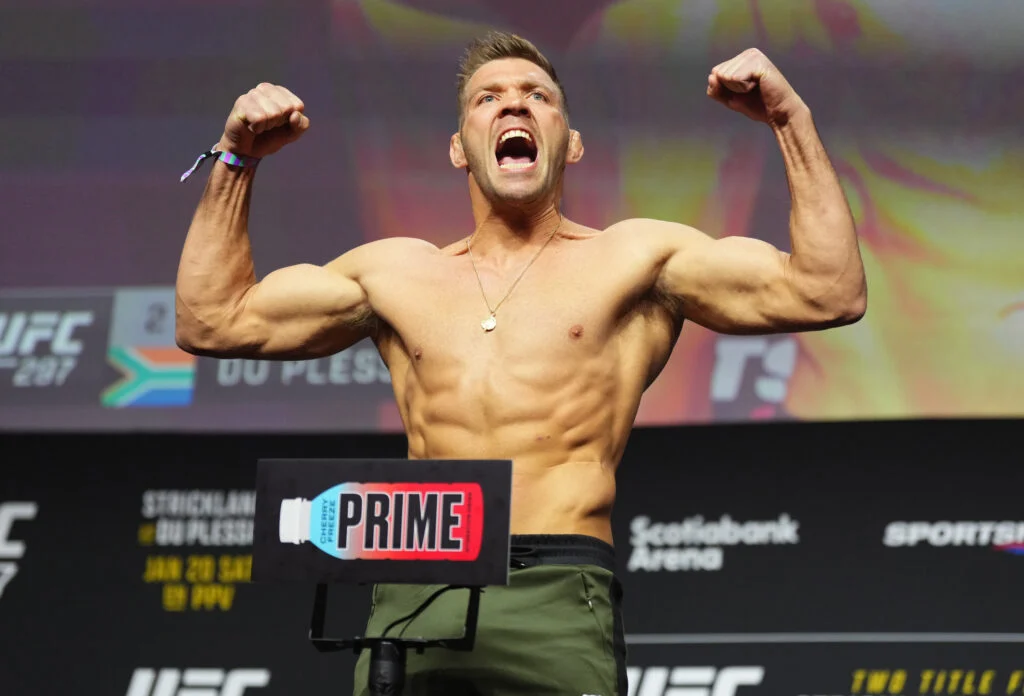
When Dricus Du Plessis steps into the Octagon now, it’s no longer just another fight—it’s a declaration of dominance. From his savage submission win over Israel Adesanya at UFC 305 to dismantling Sean Strickland at UFC 312, and now preparing for yet another test against Khamzat Chimaev at UFC 319, Du Plessis hasn’t just defended his title—he’s reshaped the narrative of the middleweight division.
Breaking New Ground Against Adesanya
At UFC 305 in Perth, Australia, Dricus Du Plessis wrecked Israel Adesanya’s aura of invincibility. After two competitive rounds, Du Plessis snarled through wrestling takedowns and brutal ground-and-pound sequences. In Round 4, he snuck in a rear-naked choke submission—the first time Adesanya had been finished that way at middleweight.
That moment wasn’t just victory—it was a seismic shift. Du Plessis claimed Adesanya’s throne in front of a packed Aussie crowd, commanding respect and attention.
Taser-Enhanced Motivation
Du Plessis trains with a unique edge: head coach Morne Visser uses stun batons to correct technical faults. Seen gripping these devices in UFC Countdown footage, the shocks serve as instant feedback. Du Plessis endorsed the method, saying it’s “much better than a sticky note” to maintain focus.
This isn’t MMA training—it’s a mental bootcamp. Such intense discipline undergirds every punch and takedown in the fight game.
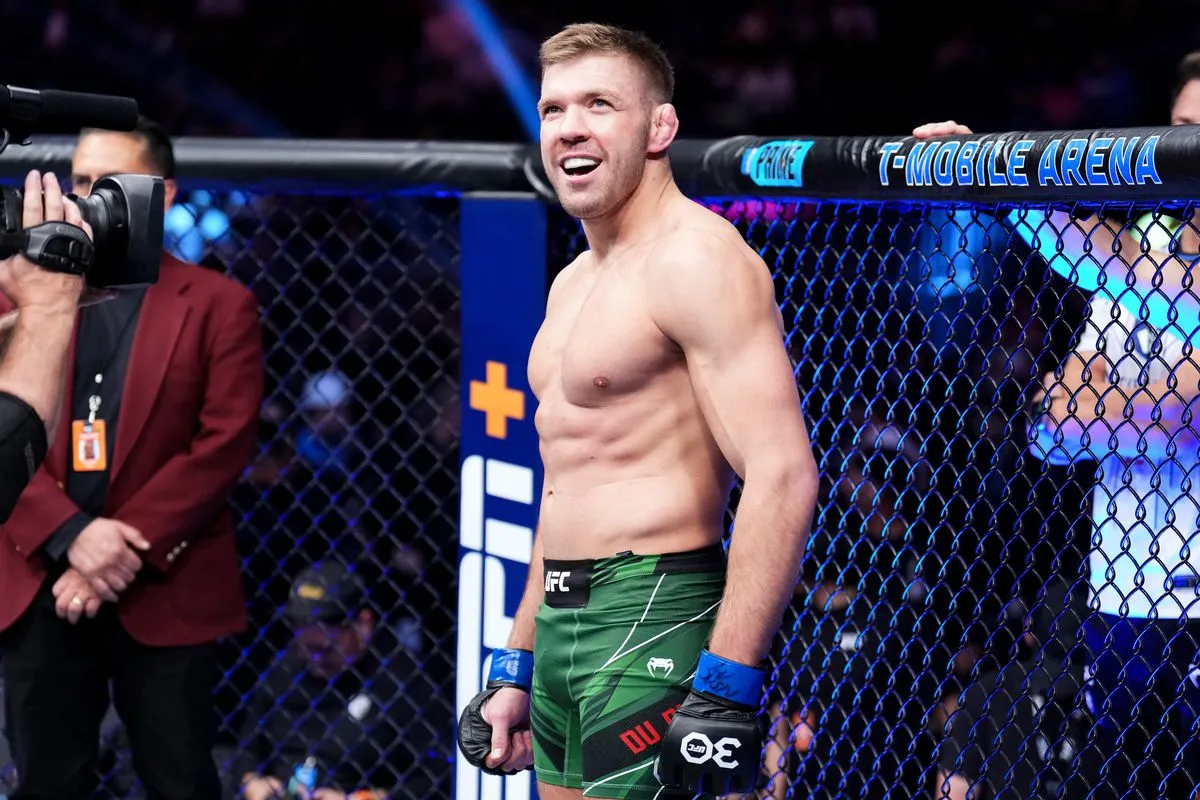
Massive Weight Cut Before UFC 312
To make the 185 lb weight class, Du Plessis underwent a punishing cut—he walked into camp near 230 lb, then shed over 40 lb to make weight. He’s acknowledged the toll of past cuts but has fine-tuned his approach: heavy in strength off-season, weight in during prep.
That balance of power and endurance helped him crush Sean Strickland, breaking his nose and easily rolling to a unanimous decision at UFC 312.
Gridiron Brutality Meets Precision Striking
Du Plessis blends a feral wrestling base with crisp striking—educated during years of kickboxing training in South Africa. He’s known to have graphed with sharks and drilled under tasers—all part of his “train brutal, fight easy” ethos.
He once quipped in a media segment:
| Dricus Du Plessis: “There are no pacts between lions and men.”|
That bold line came before taking Strickland apart in Sydney, reminding the world they were witnessing a predator, not just a champion.
UFC 312: Strickland Shattered—No Mercy
In the rematch, Strickland called for clean stand-up, ditching wrestling. Du Plessis responded with violence. A clean fourth-round strike snapped Strickland’s nose, and he claimed overwhelming control en route to a dominant decision (Talksport, Talksport).
The champion didn’t just defend—he staked a bloody claim over the division.
Eyes on UFC 319: Chimaev or Bust
Now, Du Plessis sets the stage for UFC 319 against undefeated hype machine Khamzat Chimaev. Talk of hurt feelings and fear not—Du Plessis is ready. Chimaev’s camp is brimming with talent (wrestling studs like Sadulaev), but many insiders feel Du Plessis’s cardio and fight IQ give him the advantage.
This showdown could make or break the champion’s legacy. Win, and he cements stranglehold over middleweight supremacy. Lose, and hands open wide for contenders like Caio Borralho clamoring for interim titles.
Training Camp: From Entertaining to Elite
Behind the scenes, Du Plessis’ camp is the kind that makes MMA gyms elsewhere green with envy. He hits unconventional tools: stun batons, shark grappling, weight blasting. Off-season, he’s packing on muscle to upper-200s; in camp, he sharpens explosiveness on mats.
Combined with psychology work—visualizing fight scenarios and cold showers—he’s building a warrior body and supreme mindset.
Mind Games & Psychological Edge
Du Plessis isn’t shy to mix it up verbally. After UFC 312 pressers, he threw mental loops at Strickland. Same for the Chimaev buildup—taunts, Instagram jabs (“DDP by better immune system”), and taunting reply to Chimaev hype.
He’s turning fight prep into theatre, pulling audiences into the drama. His South African swagger rings loud and proud.
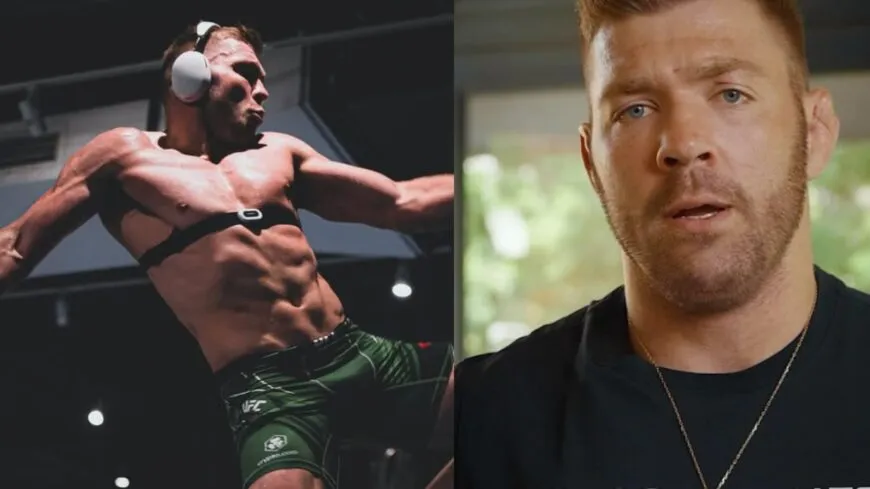
South African Pride, Global Platform
Hailing from Welkom, South Africa, Du Plessis carries the fight culture of his homeland into every arena. He’s a born-and-raised African champion, training at Team CIT in Pretoria. At UFC 305, he even threw in an Afrikaans phrase after his win.
That cultural identity, mixed with rugged training styles, is building a global fanbase that respects authenticity.
What’s Next After UFC 319?
If Du Plessis conquers Chimaev, the sky opens:
-
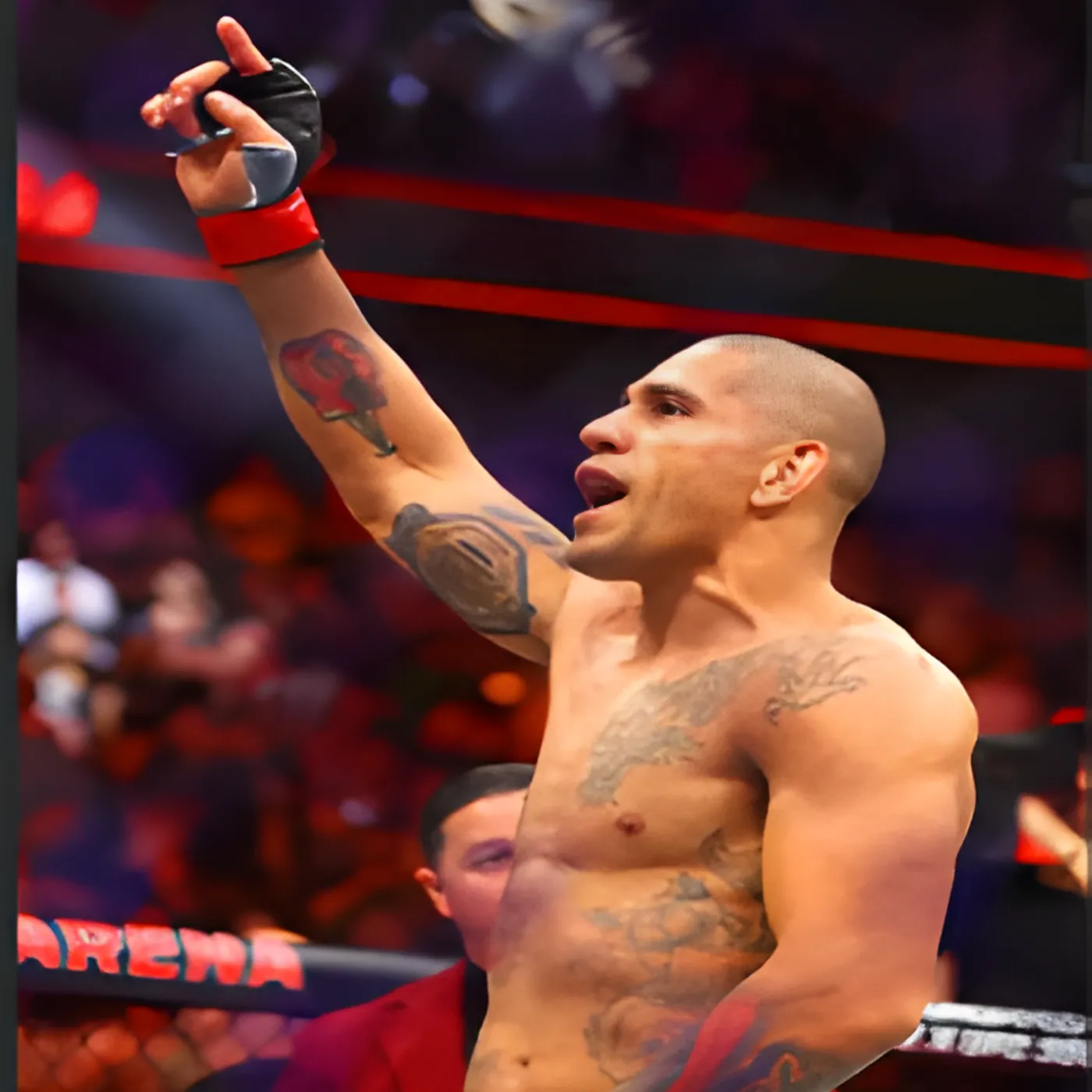
A super-fight with light heavyweight champ Alex Pereira is possible—coach Visser hinted at moving up for a big pay-per-view bout.
-
A return to South Africa headlining card, with homegrown support riding high.
-
If injury sidelines him (some speculate a 6-month pause), interim title fights with Borralho or Chimaev may fill the gap.
The Big Picture: Not Just Wins, But Statements
Dricus Du Plessis isn’t simply compiling victories. Each fight, each unusual drill, each mental jab is a piece of a broader strategy: to become the definitive middleweight—one who breaks norms, ignores expectations, and forces everyone else to react.
He hasn’t just defended the belt—he’s reset the rules.
In short: he didn’t just win—he redefined what a middleweight champion looks like. With every takedown, every strike, and every eyebrow-raising training choice, Du Plessis continues to build a legacy. The whole UFC is paying attention—and he’s only just started.
Related News