







Novak Djokovic Gets Candid: ‘Reality Hits Me Like Never Before’ — Emotional Confession About Aging Shocks Tennis Fans
In the high-octane world of professional sports, aging is often a taboo subject. For years, elite athletes have defied the calendar with grueling training regimens, relentless discipline, and unshakable mental toughness. Yet even the best must eventually face the inevitable. And now, one of tennis’s greatest warriors has opened up in a way that few expected.
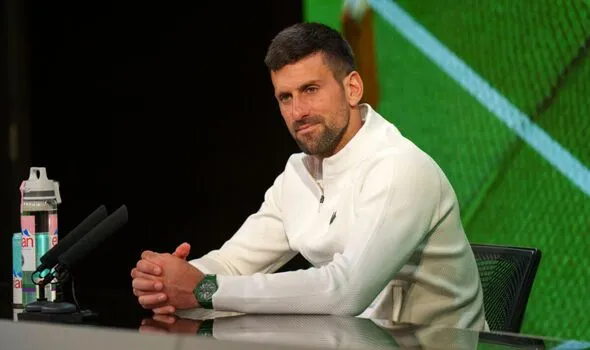
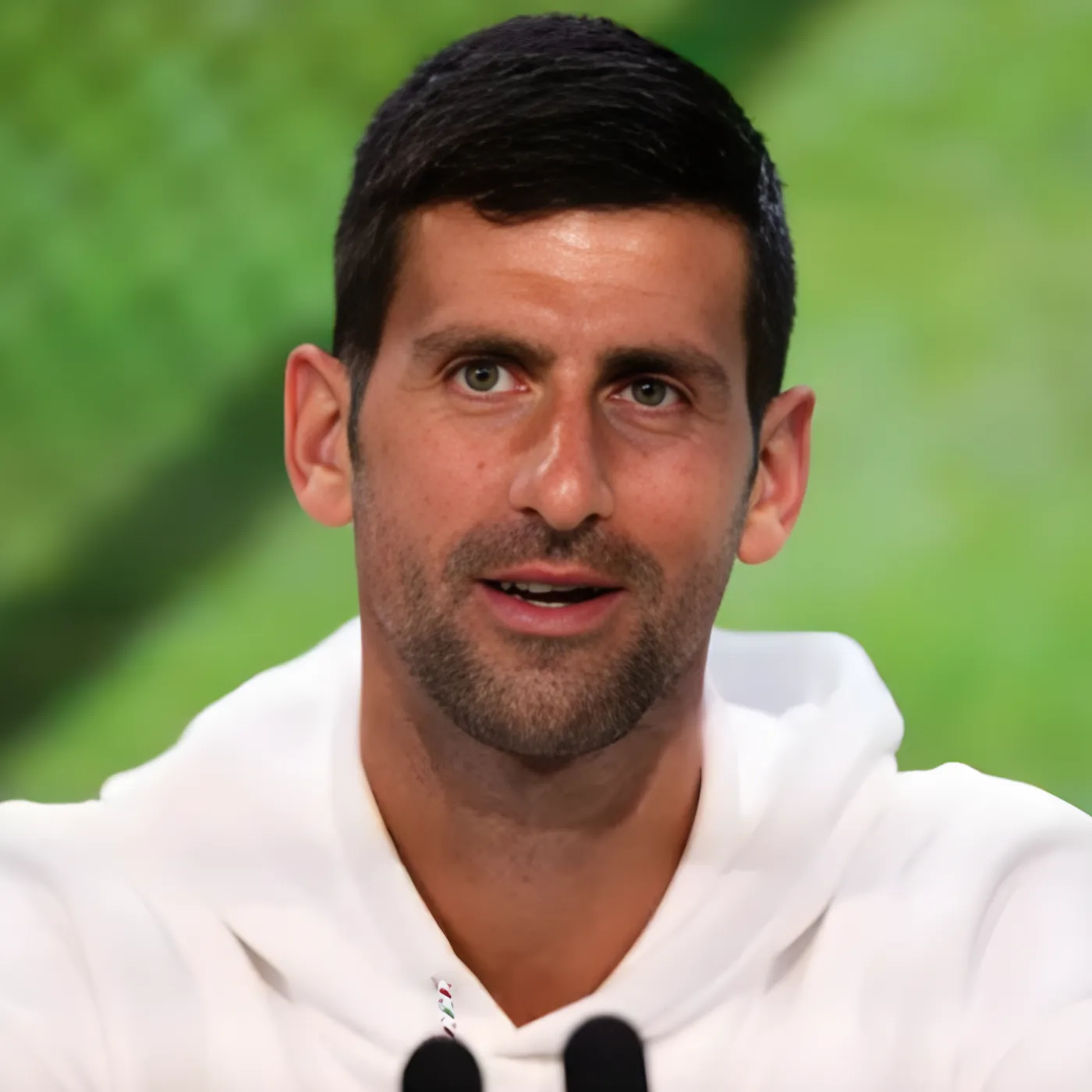
Novak Djokovic, the man who once seemed immune to the limitations of time, has just delivered his most emotional confession yet. In a recent interview following a string of both triumphs and frustrations, the 24-time Grand Slam champion admitted something raw, real, and profoundly human: “Reality hits me like never before.”
A Moment of Vulnerability From the Iron Man of Tennis
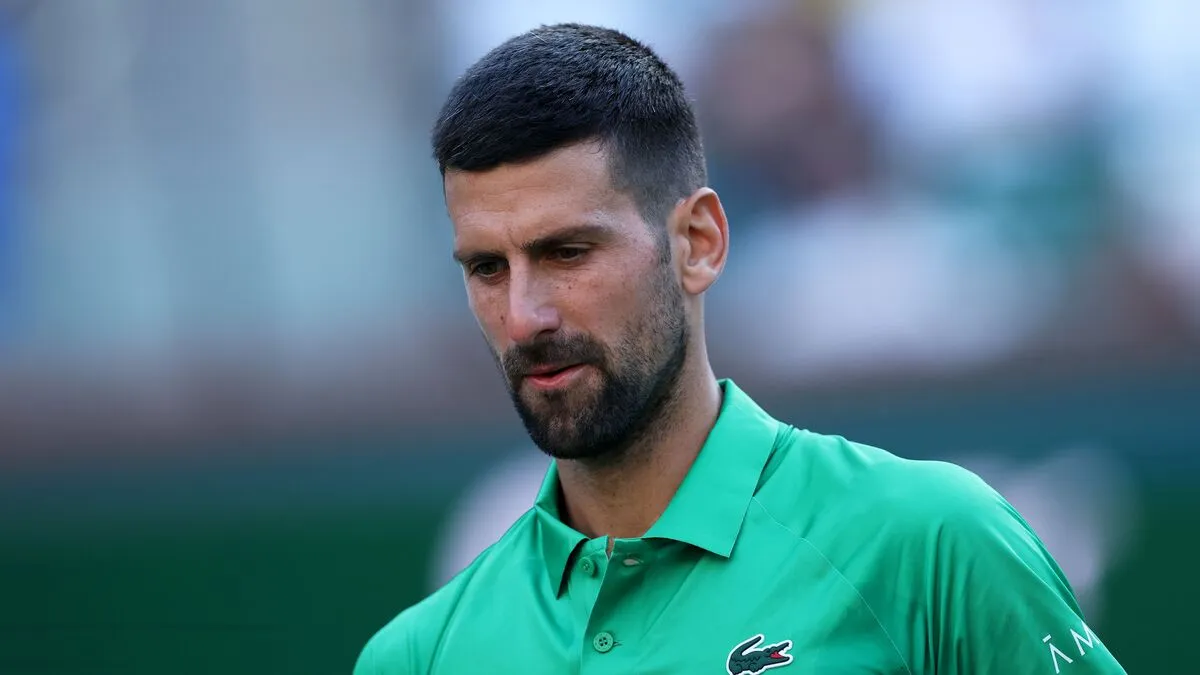
For much of his career, Djokovic has been the epitome of stoicism. He’s outlasted younger opponents, adapted his game as surfaces evolved, and maintained a physique that seems sculpted by the gods of endurance. But as he approached his 38th birthday, the Serbian superstar finally paused to reflect—not just on his career, but on the passing of time.
“I still love the sport deeply,” Djokovic shared, his voice softer than usual. “But there are mornings I wake up and the aches last a bit longer. There are tournaments where I feel the intensity in my legs before the match has even started. That’s new. That’s real.”
It was a confession that stunned fans. Not because Djokovic was weak, but because it was so deeply human. For years, his resilience made him look almost robotic—indestructible. Now, fans are realizing: even Novak Djokovic is not invincible.
The Weight of Legacy and the Price of Longevity
For elite athletes like Djokovic, the desire to win never truly fades. But what happens when the body starts to resist what the mind still demands? Djokovic has long spoken about the importance of recovery, nutrition, and mental focus. But in this latest revelation, he admitted that even with his meticulous care, the signs of aging have become harder to ignore.
“I’m constantly balancing the desire to push against the need to listen to my body. That line is getting thinner. There’s this moment in every match now when I ask myself: ‘Can I still go one more hour at this level?’ And sometimes, the answer isn’t automatic.”
Yet he’s not bitter. If anything, Djokovic’s emotional honesty reveals a man in the process of transformation. Tennis is no longer just about domination for him—it’s about meaning.
“I’ve been blessed beyond words. But now, I think more about what I’m leaving behind—not just in titles, but in how I inspired others. Legacy is no longer about being the best. It’s about being remembered for how I handled the hardest parts.”
When Champions Break: The Beauty of Emotional Honesty
Historically, men in sports have been expected to bury emotion—to fight through pain and suppress doubt. But Djokovic’s confession signals a turning point in the way we understand greatness. True greatness, as he now demonstrates, includes the courage to be emotionally transparent.
The tennis world responded with an outpouring of support. Fans on social media praised his vulnerability, calling it “the most touching moment of his career.” Former rivals, including Andy Murray and Rafael Nadal, also weighed in, with Nadal tweeting: “We all reach this point in our own way. Respect to Novak for speaking truthfully.”
It’s no coincidence that this emotional shift comes amid an era where athletes are increasingly vocal about their mental health and emotional struggles. From Simone Biles to Naomi Osaka, the culture of sports is evolving. And now, Djokovic’s voice joins a growing chorus saying: it’s okay to feel.
Facing the Mirror: The Private Battle of Aging
When asked about his toughest opponents, Djokovic didn’t name Carlos Alcaraz or Jannik Sinner. Instead, he answered with something far more poetic: “Time.”
He elaborated, “I look in the mirror and see lines that weren’t there a few years ago. I look into my eyes and see a different hunger—less about proving myself, more about appreciating the moment.”
This confession paints the portrait of a man no longer running from age but learning to walk with it. He’s beginning to prioritize presence over perfection, connection over conquest.
“Younger players keep me sharp, but they also remind me that I’m no longer the 25-year-old who could play five sets and then go hit balls for fun the next morning.”
Reevaluating What Success Looks Like
For Djokovic, success is no longer measured only by titles and records. In his words, “Success now is making it through a tournament and still feeling joy. Success is hearing my kids cheer from the stands and knowing I inspired someone just by being on the court.”
He reflected on a moment during this year’s Australian Open, when his son Stefan ran onto the practice court. “He just wanted to play. He didn’t care about rankings or rivalries. That reminded me why I started. It brought me back to love.”
Love. The word Djokovic used most frequently in his interview wasn’t “win” or “trophy” or “ranking.” It was love. A love for the game, for the journey, for the people who’ve supported him through decades of dedication.
And perhaps that’s what makes his confession so powerful—not the sadness of age, but the depth of appreciation it brings.
The Fan Reaction: Shock, Support, and Deep Reflection
The confession sparked intense reaction from fans across the globe. Many took to Reddit and X (formerly Twitter) to express their disbelief and empathy.
“I never thought I’d see Djokovic like this. He was always the machine,” one user wrote. “But now, seeing him reflect, it makes me respect him even more.”
Others shared how his words resonated personally. “I’m aging too,” one fan posted. “Hearing him speak that way—it hit me like a mirror. If he can embrace it, maybe I can too.”
In this way, Djokovic’s moment of honesty became a communal experience. Not just about tennis, but about the human condition.
Looking Ahead: The Final Chapter or a New Beginning?
So what does the future hold for Novak Djokovic?
“I’m not retiring tomorrow,” he said with a laugh. “But I am preparing. Preparing for a different phase. Maybe fewer tournaments. Maybe more time mentoring. I want to give back to the sport that gave me everything.”
Still, he refuses to set a date. “As long as I feel I can contribute meaningfully, I’ll be there. But when the day comes, I want to walk away with peace, not regret.”
Peace. That’s another word he returned to. For a man who has chased excellence for decades, the new dream isn’t about more—it’s about depth, fulfillment, and serenity.
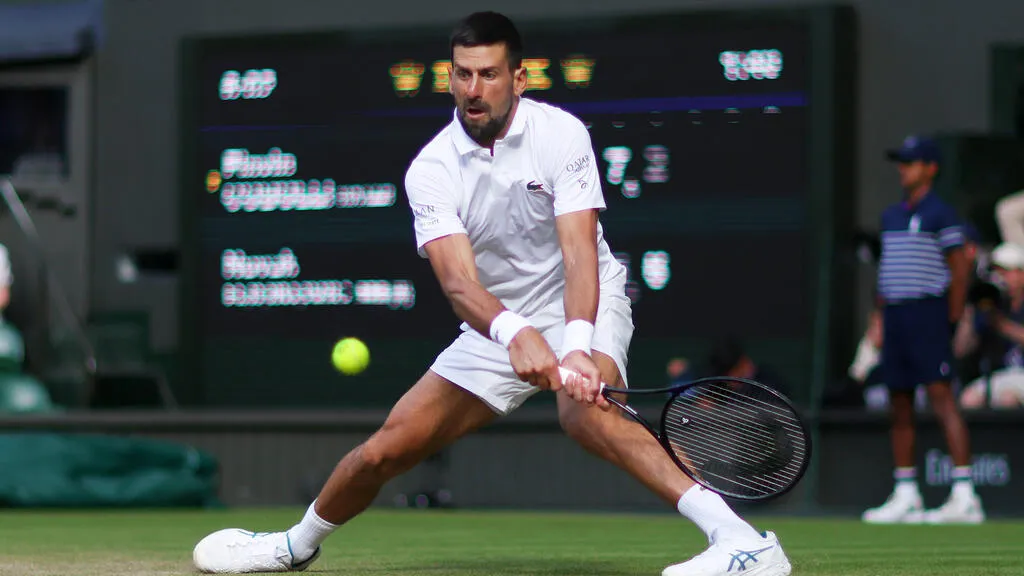
Djokovic’s Legacy: More Than Just Numbers
While Novak Djokovic will forever be known for his astounding stats—more than 400 weeks at world No.1, a record number of Slams, and countless match wins—his greatest legacy might just be his humanity.
This confession, this unfiltered moment of clarity, is what will stay with fans for decades. He’s not stepping down from greatness. He’s redefining it.
By admitting the truth about aging, by showing us that vulnerability is not weakness but courage, Novak Djokovic has written a new kind of history—one that won’t be measured in titles, but in the hearts he’s touched.
Related News