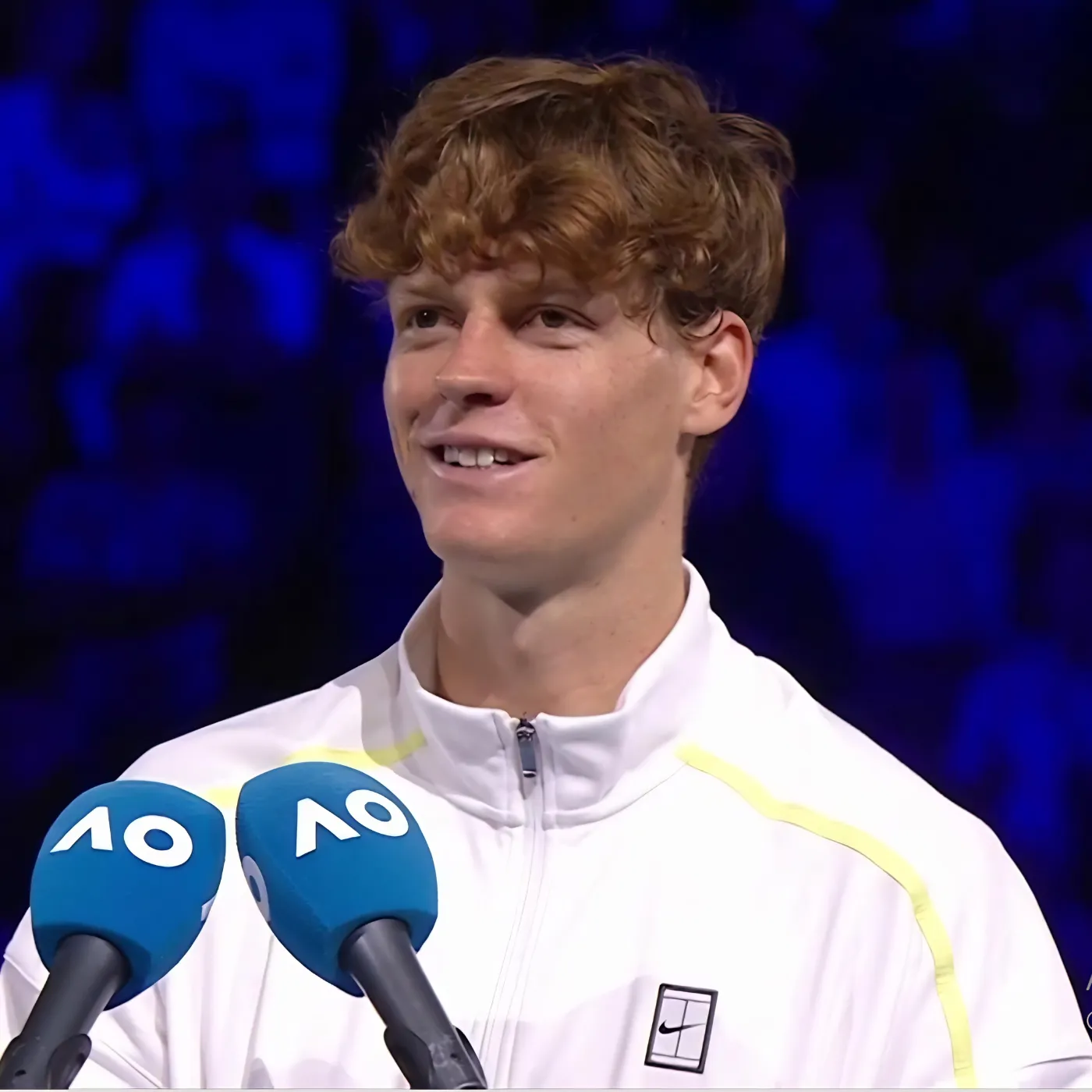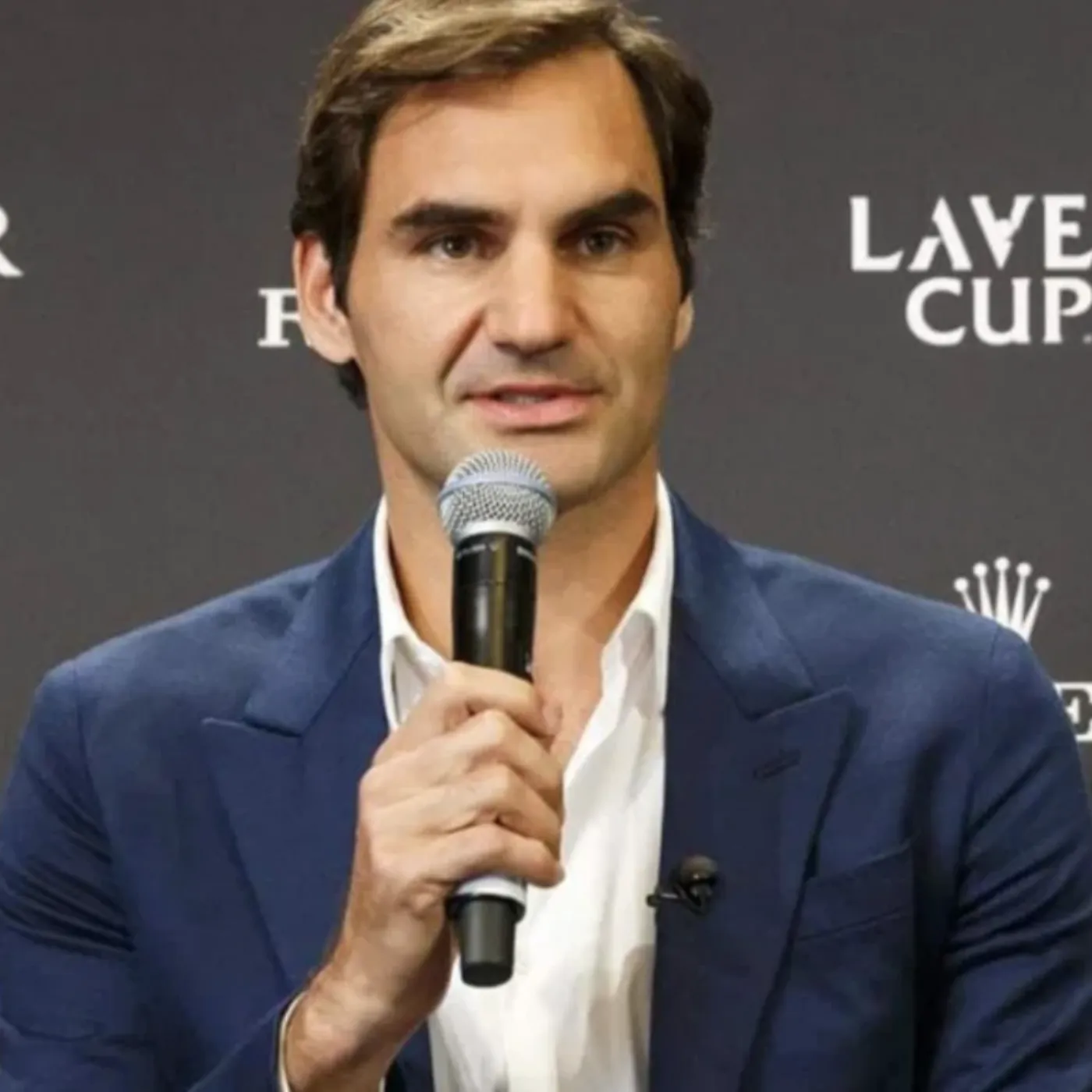
Jannik Sinner Makes Tennis History — The Only Millennial to Conquer Djokovic on All 3 Surfaces
In a sport steeped in tradition, dominated by titans of the past two decades, Jannik Sinner has carved out a place in history with a feat that few believed was possible. The Italian sensation, born in 2001, has just become the only millennial to defeat Novak Djokovic — the seemingly indestructible Serbian maestro — on all three surfaces: hard court, clay, and grass. This unprecedented achievement not only marks a major turning point in Sinner’s own career, but it may also signal a shift in the generational guard in men’s tennis.
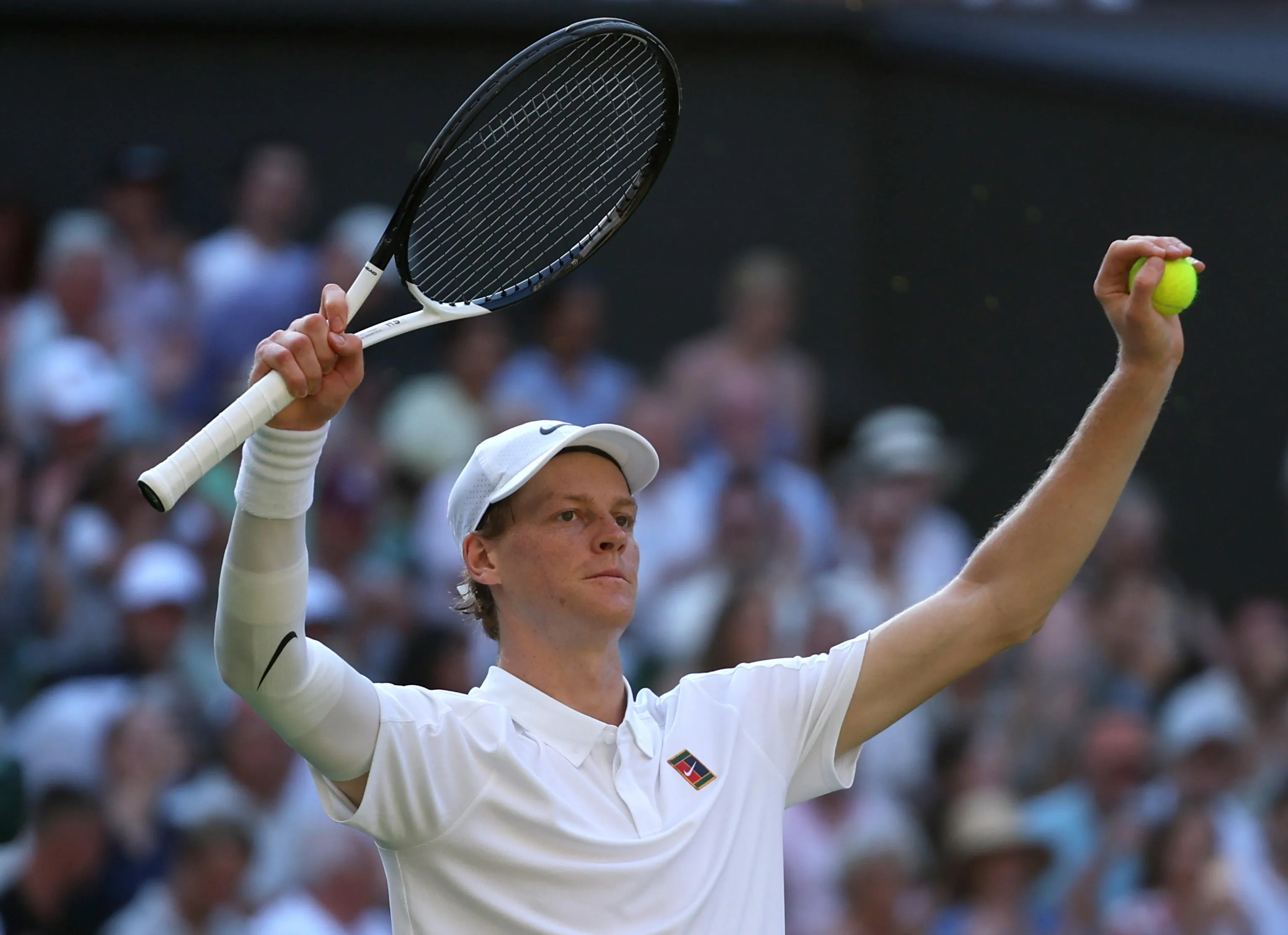
For years, the conversation around who might finally dethrone Djokovic — arguably the most complete player the sport has ever seen — has swirled around a rotating cast of talented but inconsistent hopefuls. But as time has revealed, beating Djokovic once is already a herculean task. Doing so on each of tennis’s three vastly different surfaces is something only a handful of players have ever managed. For Sinner, it’s more than a career milestone — it’s an emphatic declaration of his arrival among the sport’s elite.
The Making of a Champion: Sinner’s Journey to the Top
From the snow-capped mountains of South Tyrol, where he originally trained as a ski racer, Jannik Sinner’s path to tennis greatness is anything but conventional. He didn’t pick up a racquet seriously until the age of 13, a notably late start in the world of competitive tennis. But what he lacked in early exposure, he made up for with extraordinary focus, a calm intensity, and an unrelenting work ethic.
His ascent through the junior ranks was rapid, and by the time he was 18, he had already cracked the top 100 of the ATP rankings. Yet the shadow of the Big Three — Djokovic, Federer, and Nadal — loomed large over every player of Sinner’s generation. These titans had established a kind of monopoly on Grand Slams and Masters titles, making it nearly impossible for newcomers to break through. Still, Sinner persisted, slowly refining his game, adding layers of tactical depth and mental resilience.
Djokovic: The Everest of Tennis
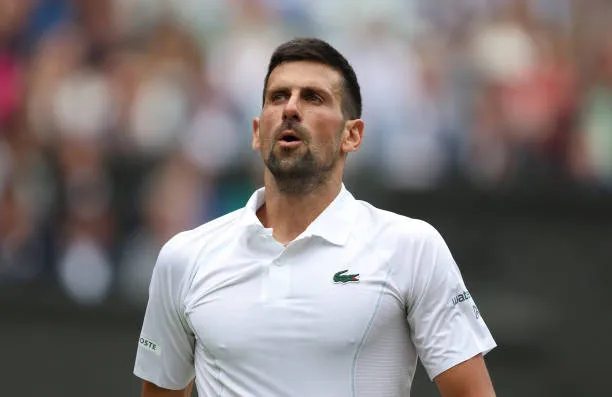
To understand the magnitude of Sinner’s accomplishment, one must first grasp the challenge that Novak Djokovic presents. He is not just a great player; he is a fortress. With a record number of Grand Slam titles, a seemingly inhuman level of flexibility and endurance, and an unrivaled mental game, Djokovic is the benchmark against whom all modern tennis players are measured.
Each surface adds its own challenges. Hard courts, Djokovic’s most dominant territory, reward his impeccable timing and return game. Clay courts, where Rafael Nadal once ruled unchallenged, now feature Djokovic as a fearsome competitor with two Roland Garros titles. And on grass, where Roger Federer once reigned, Djokovic has molded himself into a nearly untouchable force with seven Wimbledon trophies.
To beat him once, on any one surface, is an extraordinary task. To beat him on all three? That’s not just rare — it’s historical.
The First Breakthrough: Hard Court Mastery
Sinner’s first major statement against Djokovic came in 2023 at the ATP Finals in Turin. In front of a raucous home crowd, Sinner delivered a masterclass in power, precision, and tactical awareness. He served aggressively, took the ball early, and most importantly, didn’t flinch under pressure. He became one of the very few to take down Djokovic in the high-stakes indoor arena where the Serb typically thrives.
What was remarkable wasn’t just the win itself, but the manner of it. Sinner outlasted Djokovic in rallies, stood toe-to-toe on the baseline, and maintained composure even after losing the second set. That night, a star wasn’t just born — he demanded to be taken seriously as a future world No. 1.
Clay Court Conquest: Rolling Over Roland Garros Momentum
If beating Djokovic on hard courts was impressive, doing it on clay was a whole different ordeal. In 2024, during a fiercely contested match at the Monte Carlo Masters, Sinner toppled Djokovic in straight sets. It was perhaps the most telling sign that Sinner was no longer intimidated by the legend across the net.
On clay, Djokovic’s movement, patience, and shot variety are usually enough to outlast most opponents. But Sinner’s clay-court game had matured, showing greater variation in pace, more willingness to approach the net, and an ability to open the court with angles. His victory wasn’t a fluke — it was a tactical and physical domination.
More importantly, this win underlined a crucial evolution in Sinner’s mindset: he wasn’t just playing to compete anymore; he was playing to control, dictate, and conquer.
Grass: The Final Frontier
The final chapter in this trilogy of triumphs came at the 2025 Queen’s Club Championships, where Sinner and Djokovic were again drawn to face each other. Grass courts had long been Djokovic’s domain, with his slick movement and unparalleled return game often dismantling opponents before they could find their footing.
But on this particular afternoon, Sinner flipped the script. He served with pinpoint accuracy, absorbed Djokovic’s pace with ease, and punished any short ball with unrelenting depth. It was not just a match of execution, but of belief. The grass, once seen as the final barrier for Sinner, became the platform from which he etched his name in the history books.
By defeating Djokovic in straight sets, Sinner became the first player born in the 2000s to beat the Serb on grass. More importantly, he completed a career trifecta that even seasoned champions like Andy Murray and Stan Wawrinka had not achieved: victories over Djokovic on all three major surfaces.
A New Era Dawns
Sinner’s achievement resonates far beyond the record books. It is symbolic of a long-anticipated shift in men’s tennis, one that has been waiting for a true torchbearer to emerge. In defeating Djokovic in these varied conditions, Sinner has shown not just versatility, but an uncanny understanding of what it takes to dismantle a player once considered nearly invincible.
With Federer retired and Nadal in the twilight of his career, Djokovic remains the last giant standing from the golden era. But Sinner’s consistent and clinical takedowns suggest that the era of the Next Gen is not just coming — it’s already here. And unlike others before him, Sinner doesn’t merely push legends to the brink. He finishes the job.
The Psychology Behind the Success
Perhaps the most underrated part of Sinner’s rise is his mental strength. Calm, collected, and intensely focused, he has managed to avoid the emotional turbulence that has derailed many talented peers. His ability to stay composed under pressure — particularly in tie-breaks and when facing break points — speaks to a level of maturity beyond his years.
Moreover, his respect for the game and his opponents, especially Djokovic, never wavers. “Every match against Novak is a learning experience,” he said after his win at Queen’s. “But today, I also wanted to show that I can apply what I’ve learned.”
This blend of humility and hunger is rare. It’s what champions are made of.
What Comes Next for Sinner?
With a Grand Slam already under his belt (after his Australian Open triumph earlier in 2025), and now this historic triple-win over Djokovic, the sky truly seems to be the limit. He is currently among the frontrunners for Wimbledon, and many pundits believe he could end the year as World No. 1.
But perhaps the most exciting thing about Jannik Sinner is not just what he’s done — but what he’s yet to do. He’s still only in his early 20s, with a game that’s still evolving. His fitness is improving, his serve has become a major weapon, and his court craft continues to mature with every match.
The generational baton has not been passed voluntarily. It has been seized — with precision, patience, and power — by a quiet kid from northern Italy who now stands on the shoulders of tennis giants.
Related News