








Tuberville Angry: ‘What the Hell Are You Doing?
The National Football League (NFL) is no stranger to criticism, with nearly every aspect of the game—from rule changes to halftime shows—sparking heated debates among fans and commentators. Recently, former football coach and public figure Tommy Tuberville made headlines by taking direct aim at the league’s use of male cheerleaders, bluntly asking: “What the hell are you doing?”
His remarks have stirred fresh discussion across the sports world. While some agreed with Tuberville’s comments, others defended the league’s evolving cheerleading squads. Regardless of viewpoint, the debate reflects a broader conversation about tradition, entertainment, and the future of NFL sidelines.
The Background: Male Cheerleaders in the NFL
Cheerleading has long been a fixture of American football, from high school games to professional stadiums. For decades, the NFL featured exclusively female cheer squads, presenting a consistent image of game-day entertainment.
That began to change in 2018, when two men joined the Los Angeles Rams cheerleading squad. Their appearance at Super Bowl LIII in 2019 was historic, as it marked the first time male cheerleaders performed on the NFL’s biggest stage. Since then, several teams have included men in their cheerleading squads, a move that has drawn both praise and criticism.
Supporters argue that male cheerleaders bring athleticism, diversity of skill, and a new dimension to sideline routines. Critics, however, claim the change shifts away from the traditional cheerleading image many fans associate with football.
Tuberville’s Sharp Words
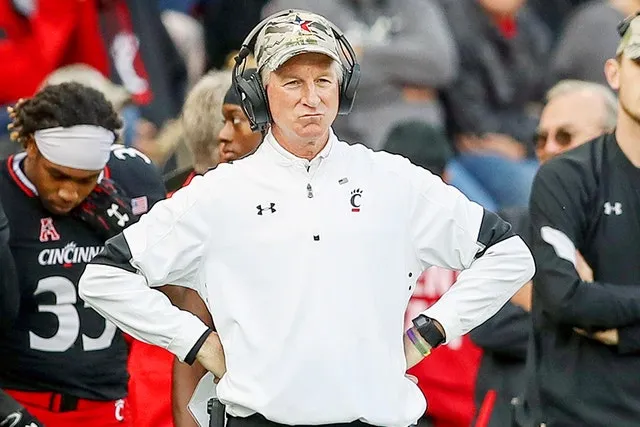
Known for his blunt commentary, Tommy Tuberville did not hold back when speaking about the issue. Addressing the NFL’s decision to feature male cheerleaders, he reportedly said:
“What the hell are you doing? You’ve got male cheerleaders now? Come on. This is football.”
Tuberville’s statement quickly went viral, resonating with some fans who share his skepticism. His comments reflect a belief that football should remain steeped in tradition, including how teams present game-day entertainment.
Fan Reactions: Divided Opinions
The public response to Tuberville’s comments has been predictably mixed. Social media lit up with discussions, with some echoing his sentiment and others defending the NFL’s choice.
-
Supporters of Tuberville’s view argue that male cheerleaders clash with the image of professional football. To them, cheerleading has always been associated with female performers, and changing that feels like tampering with tradition.
-
Opponents of his criticism point out that cheerleading is an athletic discipline that benefits from both male and female performers. They emphasize that many collegiate and competitive cheerleading teams feature men, and the NFL is simply reflecting the reality of the sport.
This sharp division highlights how cheerleading, often considered a lighthearted part of the game-day experience, can actually serve as a flashpoint for larger cultural debates.
Why the NFL Added Male Cheerleaders
The NFL’s inclusion of male cheerleaders wasn’t an overnight decision. In fact, many factors contributed to the shift:
-
Growing Popularity of Coed Cheerleading – At the college level, cheerleading has been coed for years, with men often playing key roles in stunts and lifts. The NFL followed this trend.
-
Athletic Performance – Male cheerleaders often bring different physical abilities, particularly in tumbling and stunts, which can enhance the visual spectacle on the sidelines.
-
Modern Entertainment Demands – The NFL constantly updates its entertainment approach to keep pace with changing audience preferences, from halftime shows to in-stadium experiences.
By adding male cheerleaders, the league broadened its performance style while acknowledging the athletic diversity of cheerleading as a sport.
The Tradition vs. Innovation Debate
At the heart of Tuberville’s criticism lies a timeless debate—should professional sports prioritize tradition or embrace innovation?
-
Tradition: For many, the NFL is a cultural institution built on decades of consistent imagery. The introduction of male cheerleaders feels like a break from what football has always represented.
-
Innovation: For others, the NFL must adapt to modern audiences and broaden its entertainment scope. Just as halftime shows have evolved from marching bands to global pop stars, cheerleading squads may also evolve.
This tension between old and new is hardly unique to cheerleading. The NFL has faced similar debates over rule changes, instant replay, and even uniform design.
The Role of Cheerleaders in Today’s NFL
Cheerleaders are not merely sideline performers. They are ambassadors for their teams, participating in charity events, community outreach, and media appearances.
In recent years, the role of cheerleaders has been reframed as more than just in-game entertainment. Teams increasingly view cheerleaders as part of the franchise’s broader identity. Including men in these squads expands the ways teams present themselves to the public.
Still, not every team has made this shift. Out of 32 NFL franchises, only a handful currently include male cheerleaders. This inconsistency adds fuel to the debate, as fans compare different game-day experiences across stadiums.
Media Coverage and Viral Impact
Tuberville’s fiery remark gained traction not just among football fans but also across mainstream media. Headlines focused on his blunt delivery—“What the hell are you doing?”—which captured the frustration of those who believe the NFL is straying too far from its roots.
At the same time, media coverage also amplified voices defending male cheerleaders, framing the debate as part of the NFL’s broader efforts to evolve its image. The viral nature of Tuberville’s statement ensured that the discussion spread beyond sports circles into everyday conversations.
What This Means for the NFL’s Image
The NFL is always balancing two priorities: protecting its tradition while appealing to younger audiences. Tuberville’s comments may resonate with longtime fans who prefer football to remain unchanged, but the league’s decision to include male cheerleaders suggests it is willing to risk criticism in exchange for modern appeal.
The league has weathered criticism before, from rule changes to halftime controversies, and it is likely to continue down its chosen path despite Tuberville’s objections. However, the strong reaction to his words proves that even small changes in presentation can spark passionate debate.
Will Male Cheerleaders Stay in the NFL?
Given the investment in expanding cheerleading squads and the positive reception from certain fan bases, it appears unlikely the NFL will reverse course. Male cheerleaders have already appeared at high-profile events, including the Super Bowl, making them part of the league’s history.
The future likely includes even more coed squads, especially if teams see value in athletic variety and fan engagement. Whether or not fans agree, male cheerleaders may become a normalized part of the NFL landscape in the years ahead.
Final Thoughts
Tommy Tuberville’s blunt question—“What the hell are you doing?”—captures a sentiment shared by many traditional football fans uneasy with change. His criticism of male cheerleaders in the NFL has reignited an ongoing debate about the balance between tradition and innovation in professional sports.
While some see the move as unnecessary and distracting, others view it as a natural evolution of cheerleading as a sport and as entertainment. For the NFL, the decision reflects its willingness to adapt, even at the risk of criticism from prominent voices like Tuberville.
As the league continues to evolve, one thing is clear: debates over cheerleaders, halftime shows, and in-game entertainment will remain as much a part of football culture as touchdowns and tackles.
Related News