
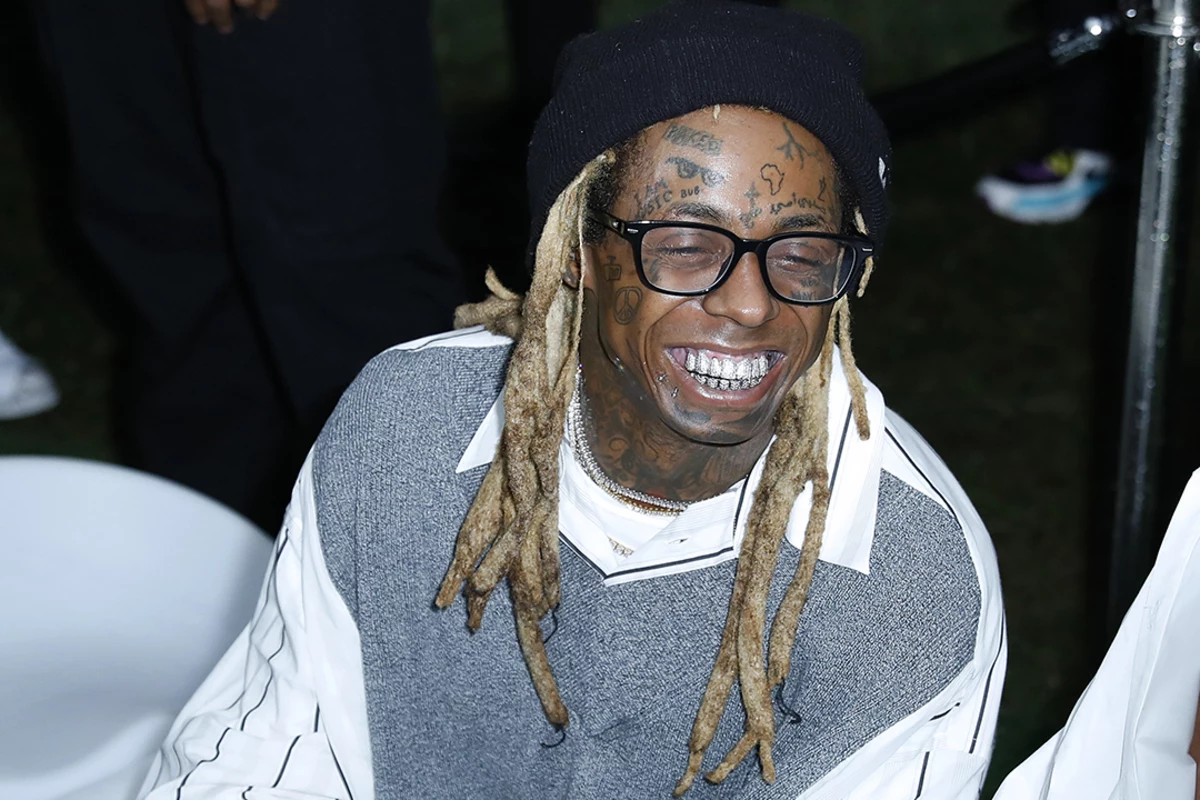
Lil Wayne’s Iconic ‘Da Drought’ & ‘Dedication’ Mixtapes Just Dropped on Streaming — Finally
For more than a decade, Lil Wayne’s legendary mixtapes have existed in a realm of mythology, traded by fans in MP3 files, YouTube uploads, and underground circles. Now, in a long-awaited move that feels both nostalgic and revolutionary, ‘Da Drought’ and ‘Dedication’ mixtape series have finally made their official debut on streaming platforms, marking a watershed moment in hip-hop history and digital music distribution.
It’s hard to overstate what this means for rap culture. These tapes weren’t just projects; they were era-defining statements, the DNA of mid-2000s hip-hop, and arguably the very foundation of the modern mixtape renaissance. For both longtime fans and curious newcomers, their arrival on Spotify, Apple Music, TIDAL, and others opens up a portal into Lil Wayne’s most creatively unhinged and electrifying period.
The Mixtape Era: A Crucible for Lil Wayne’s Genius
Before streaming was king, before algorithms dictated playlists, and long before SoundCloud rap reshaped the game, there was the mixtape circuit — gritty, lawless, and revolutionary. And at the epicenter of that creative explosion stood Lil Wayne, the self-proclaimed “Best Rapper Alive”, who used mixtapes not just to supplement his official releases but to dominate the culture entirely.
Between 2004 and 2009, Weezy unleashed a torrent of music that reshaped hip-hop’s stylistic boundaries. His ‘Da Drought’ series — especially ‘Da Drought 3’ — and the entire ‘Dedication’ saga hosted by DJ Drama became viral before “viral” even meant anything in music. These weren’t random collections of leftovers. They were laser-focused barrages of bars, remixes, and original freestyles that showed Lil Wayne in peak form — raw, untamed, and blisteringly prolific.
At the time, the mixtape was often seen as a lower-tier platform compared to an album. But Wayne treated it differently. Every verse was delivered with the intensity of a championship round. Every beat was an opportunity to outdo the original artist, and often, he did. From ripping apart Mike Jones’ “Still Tippin” to reinventing Jay-Z’s “Show Me What You Got”, Wayne wasn’t just releasing music — he was redefining authorship in hip-hop.
Why These Mixtapes Mattered Then — and Now
When people talk about Wayne’s legacy, they often mention “Tha Carter III”, his 2008 commercial juggernaut. But for hip-hop purists, ‘Da Drought 3’ and ‘Dedication 2’ carry even more weight. These tapes weren’t subject to label politics, commercial expectations, or mainstream radio sanitization. They were pure rap — unfiltered, unshackled, and uncompromising.
What made these projects so remarkable was how Lil Wayne turned other people’s beats into his own playgrounds. He wasn’t just rapping over popular instrumentals — he was reanimating them. A track like “Cannon” on Dedication 2 didn’t just flex lyrical agility — it became a definitive moment in battle-rap bravado, giving rise to a thousand imitations. In “Upgrade U Freestyle,” he showed off his penchant for wordplay and double entendre, reminding everyone that punchlines weren’t just jokes — they were weapons.
But this wasn’t just about flexing technical skills. There was an emotional undercurrent throughout these mixtapes that resonated deeply. Wayne’s hunger, pain, cockiness, and unpredictability were all woven into these projects. Even when he was being absurdly funny or nonsensical, there was an undeniable emotional resonance, a feeling that this was artistry born from obsession, not obligation.
The Battle With Sample Clearances — Why It Took So Long
So why did it take more than a decade to get these classic mixtapes on streaming platforms?
The answer lies in the murky world of sample clearance and licensing. Many of Wayne’s most iconic freestyles were performed over instrumentals owned by other artists or labels — which meant clearing the rights for streaming was a legal and financial minefield. This is especially tricky in today’s more regulated digital environment, where platforms are liable for unauthorized use.
Yet now, against all odds, these tapes are seeing the light of day — albeit with some changes. While purists might notice certain tracks missing or instrumentals swapped, the spirit of the mixtapes remains intact. And for an artist like Lil Wayne, whose legacy has been distorted by years of unofficial uploads and fan edits, this moment feels like a restoration of history.
Streaming’s Impact on Hip-Hop History
The arrival of these tapes on streaming platforms is about more than just access — it’s about rewriting the historical record. For younger fans raised in the post-Drake, post-SoundCloud era, Wayne’s mixtape dominance may seem like folklore. But having ‘Da Drought’ and ‘Dedication’ just a click away finally allows newer generations to experience firsthand the raw, lyrical hurricane that shaped the rap landscape they now inhabit.
This isn’t just about nostalgia. It’s about context. About understanding where the “mixtape as an art form” was reborn. About recognizing how Wayne’s output paved the way for the blog era, the SoundCloud revolution, and even modern streaming strategies. His relentless release schedule set the tone for how artists engage with fans today — by staying visible, dropping consistently, and using nontraditional platforms to build momentum.
In short, Wayne was doing what artists now call “content strategy” before the industry even had that language. And now, with these tapes finally legitimized and monetized, his innovations are coming full circle.
The DJ Drama Factor and the Rise of Gangsta Grillz
Any conversation about Lil Wayne’s mixtape dominance would be incomplete without acknowledging DJ Drama, the architect behind the ‘Dedication’ series. His iconic “Gangsta Grillz” tag became a rite of passage in hip-hop, a co-sign that validated an artist’s credibility. The chemistry between Drama and Wayne was electric — part producer, part hype man, and part instigator.
Drama’s curated sequencing, interludes, and voiceovers gave the ‘Dedication’ tapes a cinematic feel. It wasn’t just music; it was a performance. A drama. A declaration of dominance. And in an age where albums are sometimes tossed together overnight, this level of intentionality stands out even more today.
Their partnership also pushed the boundaries of what a mixtape could be — not just a stopgap between albums, but an entire artistic statement, often more beloved than the official records. With these tapes finally joining the streaming pantheon, it’s also a long-overdue recognition of DJ Drama’s role as a cultural force in his own right.
Wayne’s Influence: From Bars to Blueprints
In the years since their original release, the impact of these mixtapes has rippled across generations. Artists like Kendrick Lamar, Drake, Nicki Minaj, and J. Cole have all paid homage to the blueprint Wayne laid down. His lyrical absurdity, fearless experimentation, and prolific work ethic became the model for future superstars.
Drake has repeatedly acknowledged that Wayne gave him his first big break, and Nicki Minaj has said that watching Wayne work was like “being in the presence of a genius who didn’t sleep.” These mixtapes were the classroom where today’s legends studied.
But more than just his proteges, even underground and independent artists model their grind on Wayne’s relentless release strategy. He proved that you don’t need a hit single to own the streets — you need a microphone, a fire beat, and the audacity to go harder than everyone else.
What’s Next? The Possibilities of a Mixtape Renaissance
Now that Lil Wayne’s legendary mixtapes are on streaming, the door is open for other artists to follow suit. Fans are already clamoring for 50 Cent’s “G-Unit Radio”, Lupe Fiasco’s “Enemy of the State”, and even early Wiz Khalifa or Big Sean tapes to get the same treatment. If this becomes a trend, we could see a resurgence of the mixtape era — this time fully legitimized and profitable.
But beyond the business implications, there’s something poetic about this moment. Lil Wayne, the once-teenage prodigy from New Orleans who reshaped the game with a USB stick and a dream, is finally getting the digital shrine he deserves. These mixtapes aren’t just content — they’re cultural artifacts, snapshots of a moment when rap was raw, dangerous, and exhilaratingly free.

Final Thoughts: A Legacy Secured
The official release of ‘Da Drought’ and ‘Dedication’ mixtapes on streaming platforms is more than a music update — it’s a cultural victory. It’s a reminder that the most important music often isn’t what’s charting, but what’s challenging the system. And Lil Wayne, through these tapes, didn’t just challenge it — he tore it down and built something new.
For fans, this moment is a chance to relive the hunger that once made Wayne a god among MCs. For younger listeners, it’s an opportunity to see where the chaos began. And for music historians, it’s a long-overdue restoration of rap’s underground canon.
Whatever your entry point, one thing is clear: Lil Wayne’s mixtape legacy is now immortalized, not just in hip-hop lore, but in the modern musical bloodstream. Play it loud.
Related News