

Gillie Da Kid Finally Breaks Silence on His Explosive Lil Wayne Diss — What He Revealed on Drink Champs Shocks Fans
When Gillie Da Kid sat down for a long-awaited interview on Drink Champs, few could have anticipated the storm of revelations that would follow. The Philadelphia rapper, best known as one-half of the celebrated duo Major Figgas and later as a podcasting giant with Million Dollaz Worth of Game, has long carried a reputation as both a fearless truth-teller and a relentless entertainer. But his history with Lil Wayne, particularly the now-legendary diss tracks that emerged during the mid-2000s, has remained one of hip-hop’s most mysterious feuds.
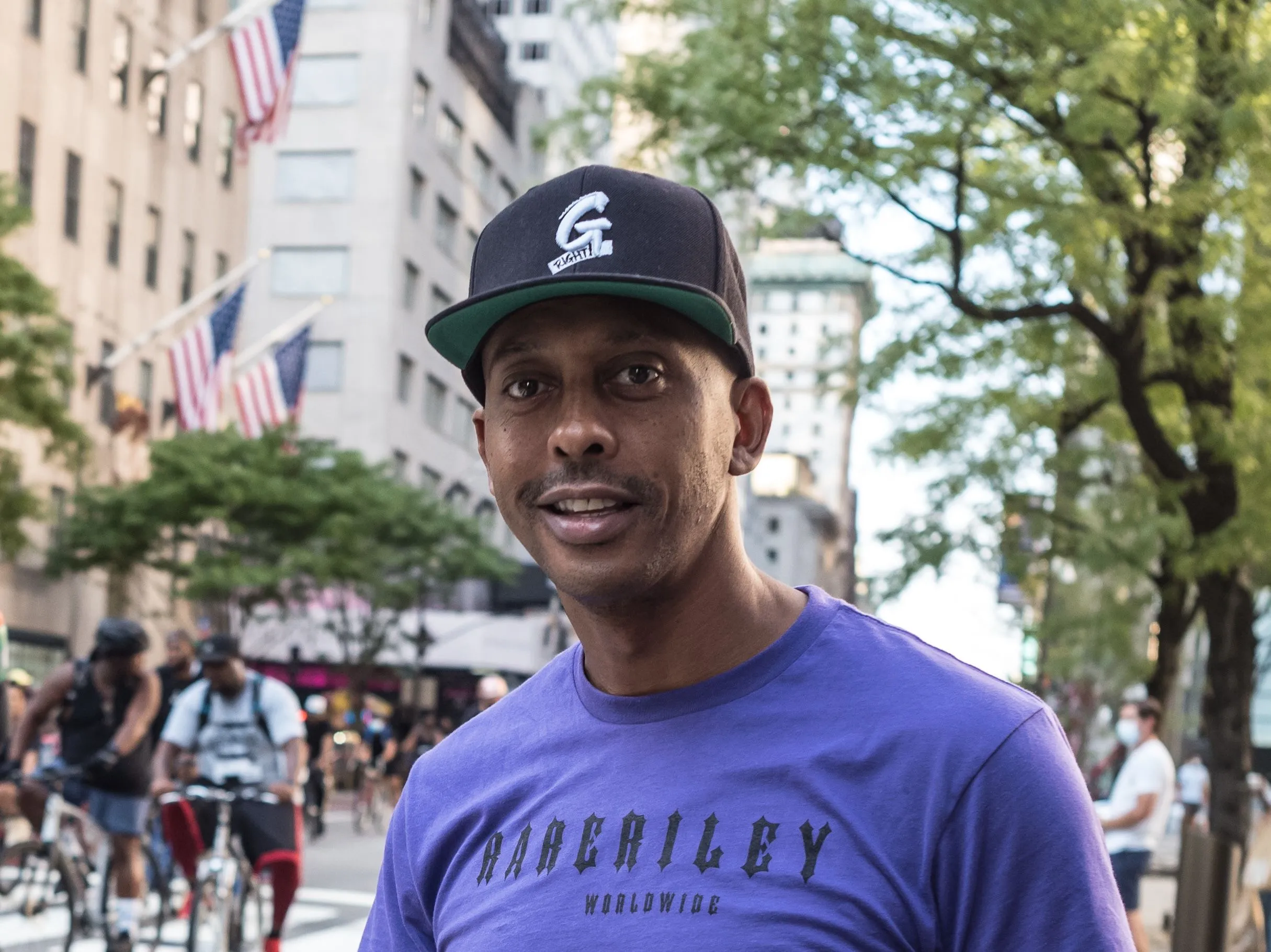
For years, fans speculated about what truly caused the bad blood between the two artists. Rumors swirled about ghostwriting disputes, claims of stolen styles, and personal disagreements that spilled into the music. While Lil Wayne rose to the pinnacle of rap superstardom with multi-platinum albums and Grammy Awards, Gillie carved out his own path in entertainment. Yet the shadow of their feud lingered in hip-hop culture, often revisited in barbershop debates, online forums, and nostalgic deep dives into rap history. Finally, Gillie has chosen to address it directly, and his Drink Champs appearance has stunned fans across the globe.
The History Behind the Beef
To understand why Gillie’s recent comments are so explosive, it’s important to revisit the origins of the feud. Back in the early 2000s, Gillie Da Kid was signed to Cash Money Records, the same label that had nurtured Lil Wayne from his Hot Boys days into a solo sensation. Gillie was not just another artist on the roster; many insiders credit him with bringing a gritty East Coast flavor to the Southern-dominated label, even influencing the styles of its biggest stars.
The friction reportedly began when Gillie claimed that he had been ghostwriting for Lil Wayne during the period leading up to Wayne’s critically acclaimed projects. Wayne, who was redefining himself as a lyrical powerhouse at the time, bristled at the implication. For an artist whose career rested on being the “Best Rapper Alive,” any suggestion that his rhymes were penned by someone else struck at the core of his identity.
The beef soon spilled onto wax, with Gillie releasing “Frontin’ Like Ya Daddy”, a scathing diss that mocked Wayne’s persona and flow. Wayne, never one to shy away from confrontation, fired back on mixtape tracks and through subliminal shots in interviews. The feud became one of the most discussed rivalries of the mid-2000s, but as Wayne’s career skyrocketed and Gillie shifted into other lanes, the topic faded into hip-hop’s rearview mirror.
Gillie Opens Up on Drink Champs
On Drink Champs, hosted by N.O.R.E. and DJ EFN, Gillie was candid in a way that fans had rarely seen. Rather than fueling the beef with new insults, he spoke with a reflective tone, almost amused by the way history had played out.
“I never hated Wayne,” Gillie insisted, leaning back in his chair as the studio erupted in applause. “It was never about hating. It was about respect. At that time, I felt like people weren’t giving me the credit I deserved. I had a pen, I had bars, and I knew what I brought to the table. When I saw certain things happening, I said, ‘Hold up. Y’all not gonna act like Gillie ain’t out here influencing this.’”
The room grew tense as Gillie recounted how he felt overlooked by the label, and how his pride as a lyricist pushed him to make his grievances public. What shocked fans most, however, was the way he described Wayne’s response.
“Wayne ain’t never back down. He took what I said, and instead of crumbling, he turned up. That’s when you really saw him become a monster in the booth. In a way, I might’ve lit that fire under him,” Gillie admitted.
The statement stunned listeners. Rather than painting himself as a victim or doubling down on past insults, Gillie framed the feud as a strange form of motivation—an iron-sharpens-iron moment that pushed both artists to greater heights.
Fans React with Shock and Respect
The hip-hop community immediately exploded with reactions. On social media, longtime fans of both Gillie and Lil Wayne dissected every word of the interview. Some praised Gillie for his honesty, noting that few rappers would openly admit that their rival had outshined them in the long run. Others expressed surprise at the almost playful tone Gillie took when recalling the feud, as if years of distance had turned animosity into amusement.
For Wayne’s fans, the revelation added a new layer to the mythology of his career. Many had always suspected that the relentless hunger Wayne displayed during his mixtape run was fueled by more than just ambition—it was a response to criticism, doubt, and challenges from peers like Gillie. The idea that Gillie’s diss might have indirectly contributed to Wayne’s dominance only deepened the respect for both artists’ roles in shaping that era.
The Legacy of Their Feud
Gillie’s reflections also reignited conversations about the larger themes of credit, influence, and authenticity in hip-hop. The culture has always been fueled by debates over who wrote what, who set trends, and who deserves acknowledgment for shaping the sound of a generation. For Gillie, the feud with Wayne was less about personal animosity and more about demanding recognition in an industry that often overlooks the contributions of certain voices.
At the same time, Lil Wayne’s response to the feud underscores why he became one of the greatest rappers of all time. Instead of letting the accusations derail him, Wayne doubled down on his craft, delivering a relentless stream of mixtapes, features, and albums that cemented his legacy. If Gillie’s diss truly did “light the fire,” then the result was nothing short of historic for hip-hop.
Gillie Today Versus Gillie Then
Part of what made the Drink Champs interview so compelling was the contrast between Gillie’s present-day persona and the fiery battle rapper of the past. Today, Gillie is celebrated not just for his music but for his work as a podcast host, entertainer, and cultural commentator. Alongside Wallo, he has built Million Dollaz Worth of Game into one of the most successful podcasts in the world, interviewing everyone from athletes to music moguls with humor and insight.
This newer, more mature Gillie seems worlds apart from the brash young rapper who once went toe-to-toe with Lil Wayne. His reflections on the feud carried a sense of wisdom and perspective, showing how time can transform even the most bitter rivalries into stories of growth and mutual influence.
What This Means for Hip-Hop History
Gillie’s decision to finally break his silence highlights an important truth about hip-hop history: the stories behind the music are often just as significant as the songs themselves. The feud between Gillie and Lil Wayne wasn’t merely about two rappers exchanging diss tracks—it was about the struggles for recognition, the competitive spirit of the culture, and the ways in which artists push each other to new heights.
By reframing the beef not as a bitter grudge but as a defining moment in both of their careers, Gillie has reshaped how fans will remember that chapter of hip-hop. His candor on Drink Champs ensures that future discussions of Lil Wayne’s rise will also include the role Gillie played in challenging and inspiring him.
Conclusion
The shockwaves from Gillie Da Kid’s revelations are still reverberating. For some fans, it was validation of long-held suspicions about the behind-the-scenes dynamics of Cash Money Records. For others, it was a refreshing example of an artist choosing honesty over bravado, reflection over resentment.
What remains clear is that the story of Gillie and Lil Wayne is no longer just a footnote in rap beef history. It is a testament to how competition can fuel greatness, how pride can shape artistry, and how time can transform rivalry into respect.
On Drink Champs, Gillie didn’t just reopen old wounds—he offered closure, context, and a rare glimpse into the realities of hip-hop’s most turbulent years. And in doing so, he gave fans something even more valuable than drama: the truth.