





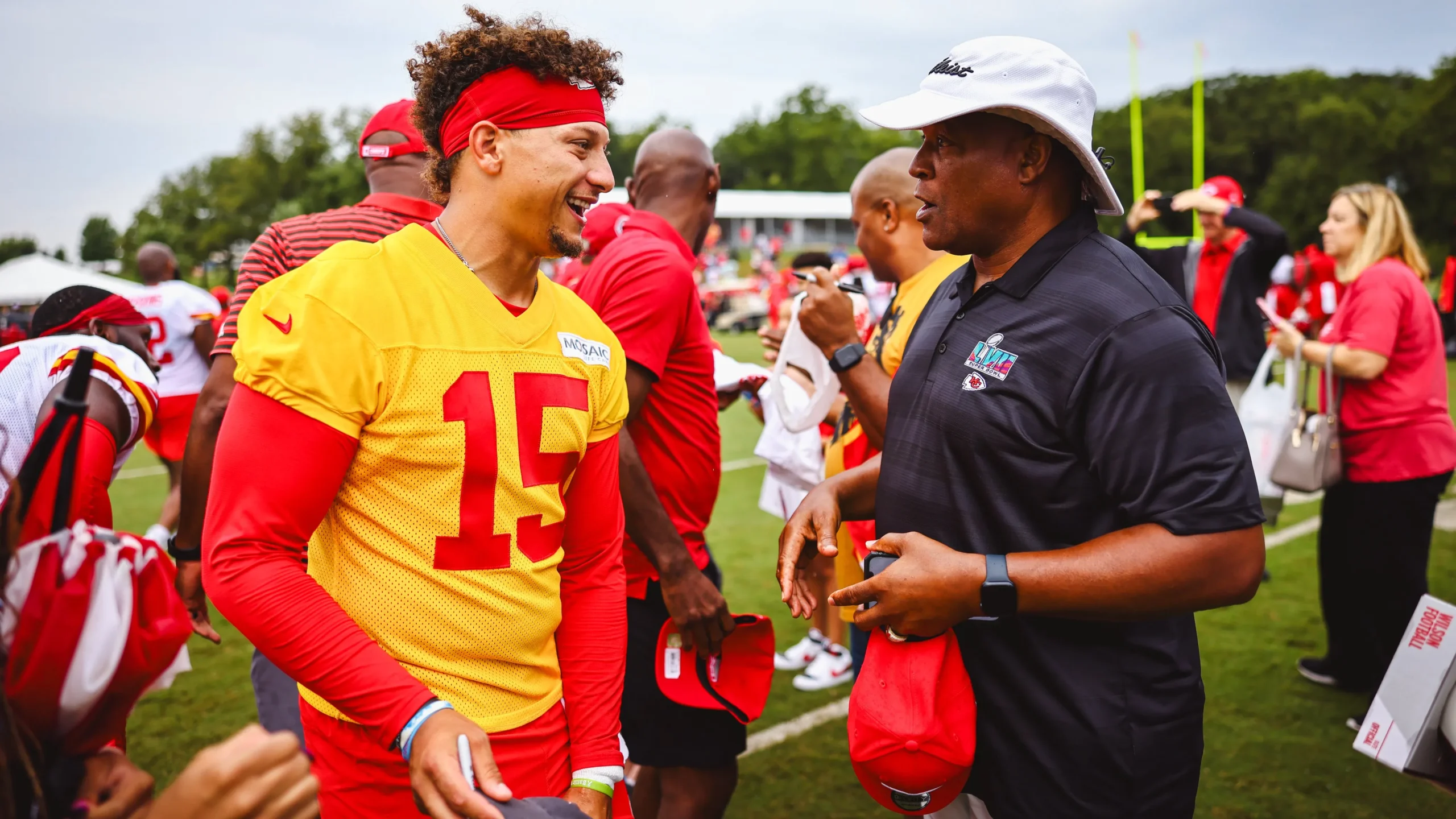
Patrick Mahomes’ Preseason Mystery: How Much Will the Chiefs’ Starters Really Play in the Opener?
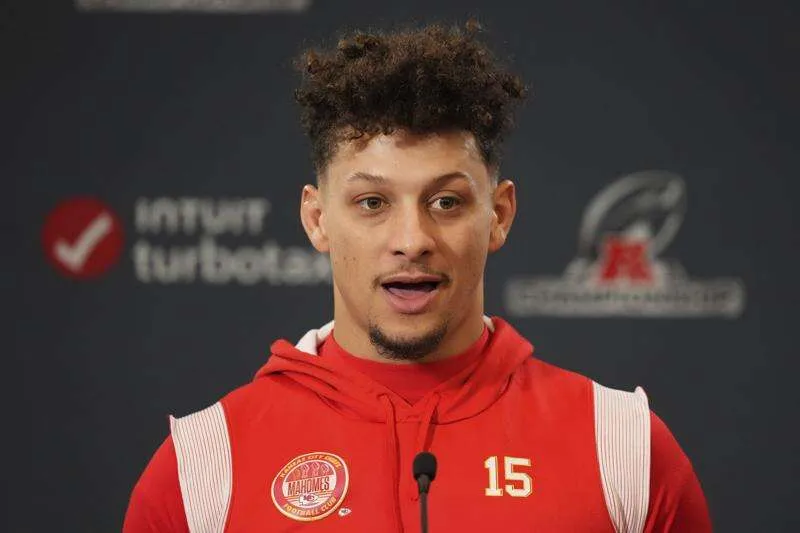
As the NFL preseason kicks off, one question looms large for fans of the reigning Super Bowl champions: how much will Patrick Mahomes and the Kansas City Chiefs’ starters actually play in their preseason opener?
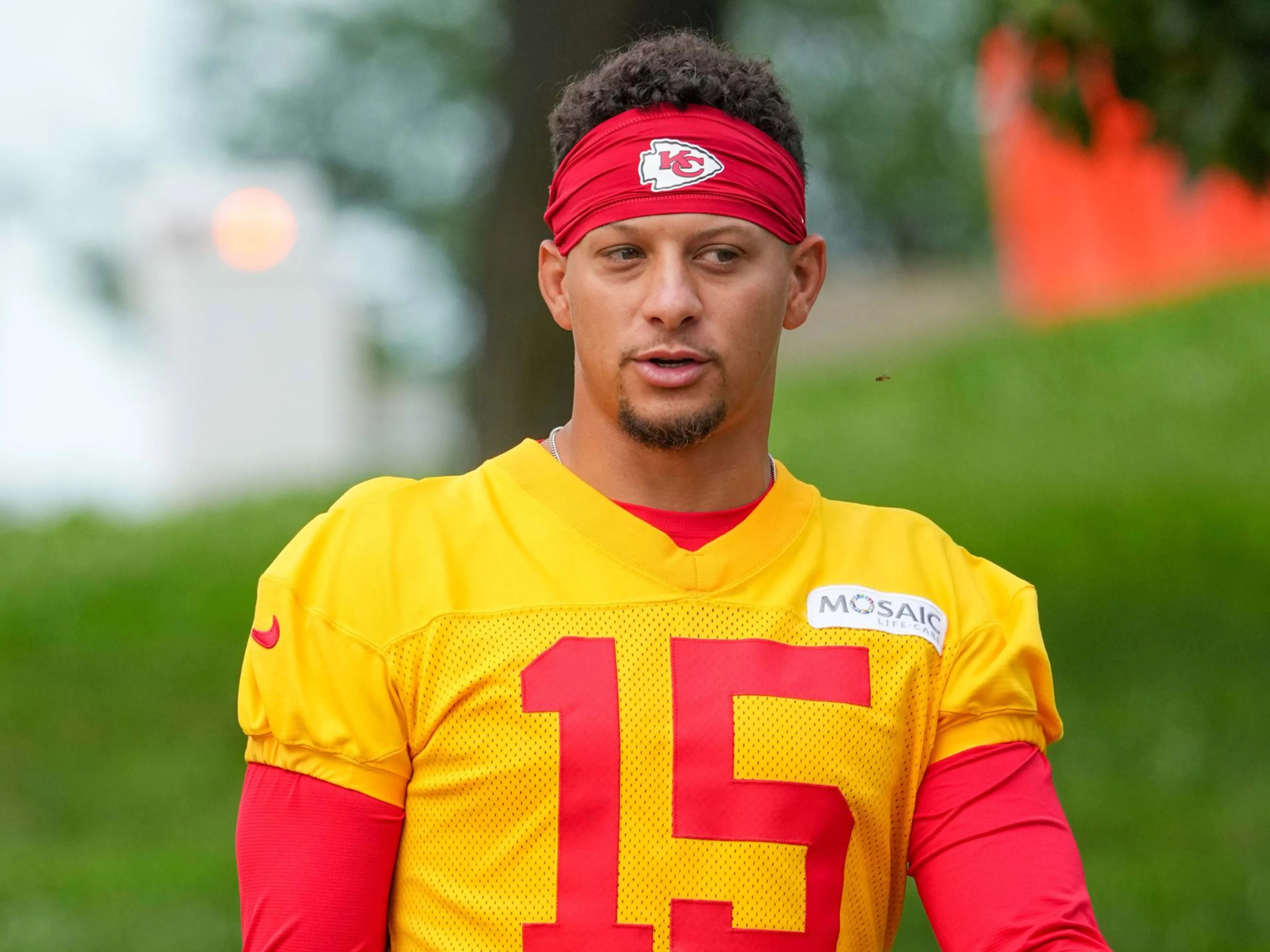
In recent years, the preseason has become an evolving chess match for coaches, especially for teams like the Chiefs, who enter the year with championship aspirations and a roster full of proven talent. At the heart of this uncertainty is the reigning Super Bowl MVP, Patrick Mahomes, whose involvement in preseason games is both a spectacle and a strategic decision. While fans clamor to see their superstar in action, head coach Andy Reid must balance the need for preparation with the risk of injury.
A New Era of Preseason Football
The NFL’s preseason structure changed significantly in 2021, shifting from four games to just three preseason contests per team. The change has forced coaches across the league to rethink how they handle starters’ reps, particularly at the quarterback position. For many franchises, especially those with established starters, the trend has leaned toward limiting snaps for key players to avoid unnecessary injuries.
However, the Chiefs have largely bucked that trend in recent years. Andy Reid, known for his structured and methodical approach, has typically given his first-team offense a decent number of reps in at least one preseason game. His reasoning? Timing, chemistry, and situational preparation can only be sharpened in live action—even if it’s technically “meaningless” in the standings.
Yet, even with Reid’s history of playing starters during preseason, 2025 may feel a bit different. The Chiefs are no longer chasing their first title—they’re defending a dynasty. And Mahomes, entering the season as the league’s top quarterback, is arguably more valuable to his team than any other player in the NFL. That reality makes the decision of whether or not he should play—and how much—more complicated than ever.
Patrick Mahomes: Risk vs. Rhythm
There’s no question that Patrick Mahomes is in peak form. Coming off another dazzling Super Bowl performance, he’s shown that he can adapt to any situation, any defense, and any supporting cast. Yet, despite his track record, Mahomes himself has repeatedly expressed the importance of preseason reps, particularly to develop timing with newer teammates.
This offseason, the Chiefs’ offense underwent notable changes. Longtime contributors like Marquez Valdes-Scantling have departed, and the team added new pieces, including rookie wide receiver Xavier Worthy and veteran tight end Irv Smith Jr. While Mahomes has worked with his new targets during OTAs and training camp, live action against an actual opposing defense brings a different level of challenge.
In Mahomes’ words during a recent press conference:
“You can’t replicate game speed in practice. You’ve got to feel the pocket, you’ve got to communicate under pressure, and that’s why I like getting at least a couple drives in.”
But therein lies the dilemma: how much rhythm is enough? And when does that rhythm pursuit cross the line into unnecessary risk?
The Chiefs’ offensive line, led by Creed Humphrey and Trey Smith, is one of the best in football, but the preseason often features mixed units, especially if Reid elects to rest some starters. Putting Mahomes behind a partially intact line increases the chance of miscommunication, blown protection, and, ultimately, exposure to hits he wouldn’t face in the regular season.
Andy Reid’s Strategic Philosophy
Few coaches are more respected for their consistency and preparation than Andy Reid. And if history tells us anything, it’s that Reid values preseason as an integral part of his team’s regular-season readiness. In past years, Mahomes has often played one or two series in the first game, more extended time in the second, and either limited or no snaps in the third.
But with the condensed three-game schedule, the second game has become the new “dress rehearsal.” Reid’s challenge in 2025 is whether he wants to follow the blueprint or adjust based on roster dynamics and health concerns.
Reid’s recent comments provide a glimpse into his thinking.
“We’ll see how the week goes. We’ll see how the practices look. If the guys are clicking and we feel good, we might pull back a bit. But if we think they need reps, they’ll get them.”
In other words, it’s fluid. The decision isn’t made in a vacuum. It will depend on everything from how the offensive line gels in joint practices, how new receivers handle the playbook, and whether the team’s medical staff sees any red flags heading into the game.
Wide Receiver Chemistry: A Preseason Imperative
One of the biggest reasons Mahomes might see the field in the opener is the need to develop chemistry with a new-look receiving corps. While Travis Kelce remains the anchor of the passing game, questions swirl around who will emerge as Mahomes’ top wideout.
Rashee Rice, who had a breakout rookie year, is dealing with off-field issues and may not be available early in the season. Xavier Worthy, the team’s first-round pick, has game-breaking speed but needs to prove he can handle the complexities of the Chiefs’ playbook. Then there’s Hollywood Brown, a high-upside free-agent acquisition looking to reestablish himself as a No. 1 threat.
With such uncertainty at receiver, Mahomes’ timing with these new targets is more than a luxury—it’s a necessity. And that’s precisely why Reid might lean toward giving his quarterback at least a couple of drives in the preseason opener.
In this context, the preseason isn’t just a tune-up. It’s a laboratory for Mahomes to test routes, experiment with timing, and identify who he can trust in key moments once the regular season begins.
Injury History: A Real Concern
One cannot discuss preseason playing time without addressing the elephant in the room: injury risk. While preseason games are often considered low-stakes, the physical danger is very real. Over the years, numerous high-profile players have suffered significant injuries in meaningless games, leading to a broader conversation about whether starters should play at all.
The Chiefs know this risk all too well. In past seasons, they’ve seen valuable players suffer preseason setbacks, some of which lingered deep into the regular season. With Mahomes being the franchise’s most irreplaceable asset, the front office may pressure Reid to hold him out of the first game entirely or limit his exposure to a few low-risk snaps.
Adding to the concern is the nature of Mahomes’ play style. He’s not a pure pocket passer. His greatness stems from his ability to extend plays, throw off-platform, and improvise under pressure. These traits, while thrilling, inherently expose him to more contact. Even in preseason, Mahomes doesn’t always “dial it down,” making any snap he takes a calculated risk.
Fan Expectations vs. Franchise Priorities
Another factor that cannot be ignored is the fans’ expectations. Preseason games may not count in the standings, but they represent an opportunity for fans to see their heroes up close, especially in cities where tickets to regular-season games are out of reach. There’s real excitement in seeing Patrick Mahomes take the field, even if it’s for just one drive.
However, the Chiefs must weigh the emotional and entertainment value of Mahomes’ appearance against the long-term implications of a potential injury. The franchise’s top priority is making another deep playoff run, and that goal becomes nearly impossible without a healthy Mahomes.
There’s also the business side of the equation. Mahomes is the face of not just the Chiefs, but the entire NFL. His involvement in the preseason affects ticket sales, TV ratings, and social media buzz. While the league might want him on the field for optics, the Chiefs will make decisions with a laser focus on their own success.
The Backup Picture Adds Another Layer
The backup quarterback situation also adds context to this decision. With Blaine Gabbert returning as Mahomes’ primary backup, the Chiefs have a veteran presence who knows the system. But Reid and offensive coordinator Matt Nagy might also want extended looks at third-stringer Chris Oladokun or rookie Jack Coan, both of whom need game reps to develop.
That development won’t happen if Mahomes plays a full quarter in the opener. So Reid must strike a delicate balance: giving Mahomes just enough action to build chemistry while preserving valuable reps for the backups who may need to step up during the season.
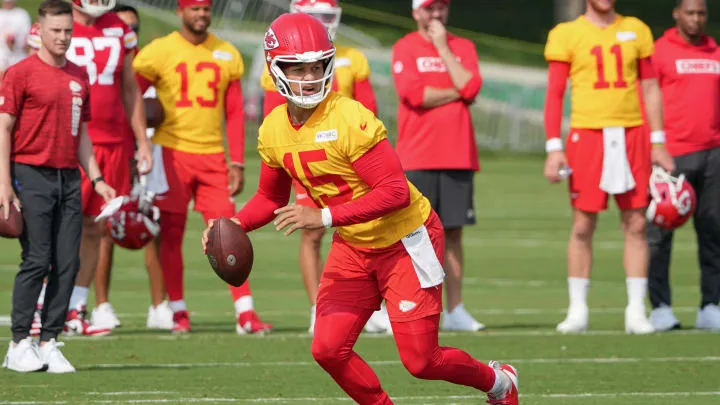
Conclusion: A Preseason Puzzle with No Easy Answer
So, how much will Patrick Mahomes really play in the Chiefs’ preseason opener? The honest answer is: nobody knows for sure—possibly not even Andy Reid himself.
The decision will hinge on multiple factors: chemistry with new receivers, offensive line cohesion, injury risk, team philosophy, and even external pressure from the league and fans. It’s a delicate balancing act, and the Chiefs are walking a very thin line between preparation and preservation.
What is clear, however, is that every snap Mahomes takes—whether it’s two drives or two quarters—will be watched with intense scrutiny. For a team with championship ambitions, every decision in August could have implications in January.
And in this mysterious preseason, where expectations and caution collide, the answer to the Mahomes question might not be revealed until the Chiefs take the field.
Related News