Cardi B Shocks the Courtroom — Judge’s Unexpected Ruling Has Everyone Talking!
In a significant development that could shape the course of an upcoming trial, Cardi B has scored crucial legal victories in a case involving allegations of assault by her security team. The case, which has attracted substantial media attention due to the high-profile nature of the parties involved, centers on claims that the rapper’s security guards used excessive force against a man outside a recording studio several years ago. These new court rulings, which favor Cardi B, may alter the legal landscape as the case heads toward trial and could have a lasting impact on how celebrity-related security incidents are handled in court.

The Background of the Case
The legal dispute traces back to an incident in which a man alleged that he was physically assaulted by Cardi B’s security team during an encounter outside a studio in New York. According to the plaintiff, the confrontation occurred after he attempted to approach the artist, leading to an escalation involving members of her security detail. He claims that this resulted in significant physical injuries and emotional distress, prompting him to pursue legal action against the Grammy-winning rapper and her team.
Cardi B, whose real name is Belcalis Almánzar, has consistently denied any wrongdoing. From the outset, her legal team has maintained that she neither sanctioned nor directed any assaultive behavior. They have argued that the security guards acted independently in a manner consistent with their duty to protect her safety, particularly in a setting where unexpected confrontations are not uncommon for public figures. This defense strategy has been central to Cardi B’s legal positioning and appears to have gained traction in recent court rulings.
The Recent Court Rulings
In a series of rulings handed down by the presiding judge, several key motions brought forth by Cardi B’s legal team were granted, strengthening her position ahead of the trial. Perhaps most notably, the court ruled to dismiss certain claims that attempted to hold the artist personally liable for the alleged assault. This effectively narrows the scope of the case, potentially reducing the damages that could be pursued and limiting the plaintiff’s ability to directly target Cardi B herself in the proceedings.
Additionally, the judge appears to have excluded certain evidence that the plaintiff hoped to present at trial. This evidence reportedly included social media posts and other materials that the plaintiff argued demonstrated a pattern of aggressive behavior by Cardi B. However, the defense successfully contended that these materials were either irrelevant to the incident in question or highly prejudicial, leading the court to rule in their favor. Such evidentiary exclusions are often pivotal in civil trials, as they can significantly influence how jurors perceive the defendant’s character and credibility.
Why These Rulings Matter
These rulings are more than just procedural victories; they reshape the dynamics of the upcoming trial. By limiting the plaintiff’s avenues for presenting damaging evidence and reducing Cardi B’s personal exposure, the defense has gained significant leverage. This could encourage the plaintiff to consider a settlement rather than pursuing the case through a full trial, especially if the chances of obtaining a substantial verdict diminish.
Moreover, these decisions highlight how courts often draw a line between the personal liability of celebrities and the actions of their security personnel. In many high-profile cases, plaintiffs attempt to hold public figures accountable for the conduct of those working under them, but courts are generally reluctant to impose such liability without clear evidence of direct involvement or explicit instructions. This principle appears to have influenced the court’s reasoning in Cardi B’s favor, reinforcing the idea that security guards’ independent actions cannot always be directly attributed to the celebrities they protect.
The Legal Arguments at Play
Cardi B’s legal team has been aggressive in framing this as a case of unjustified claims against their client, emphasizing that the plaintiff’s interaction with the security team was the sole cause of the incident. They argue that the guards acted proportionately in response to what they perceived as a potential threat, a common justification used in defending claims of excessive force by private security. This defense underscores the broader question of how far security personnel can go in protecting a celebrity without crossing the line into actionable misconduct.
On the other hand, the plaintiff’s attorneys have tried to link Cardi B more closely to the incident, arguing that as the employer of the security team, she bears vicarious liability for their actions. They have also framed the case as one of accountability for the culture surrounding celebrity security practices, suggesting that aggressive tactics are often implicitly condoned. These arguments, however, have faced setbacks due to the recent rulings limiting their scope and excluding key evidence.
Public Reactions and Media Attention
The case has garnered considerable attention from both mainstream media and Cardi B’s vast social media following. Known for her outspoken personality, Cardi B has addressed the lawsuit indirectly on several occasions, often portraying it as part of the broader challenges that celebrities face when navigating public life. Her fans have largely rallied behind her, interpreting the case as an attempt to exploit her fame for financial gain.
Legal experts, however, view the situation through a more neutral lens, noting that the case underscores the complex intersection between celebrity status, personal security, and liability law. They highlight that while celebrities must ensure their safety, they also operate under intense public scrutiny, making them frequent targets for lawsuits arising from confrontations with fans or bystanders.
The Broader Implications for Celebrity Security Cases
The outcome of this case could set an important precedent for how courts handle disputes involving security guard conduct in the entertainment industry. If the trial ultimately absolves Cardi B of direct liability, it may reinforce the legal principle that celebrities are not automatically responsible for every action taken by their employees or contractors. This could have ripple effects for other high-profile figures who rely on security teams to navigate their public lives safely.
At the same time, the case raises questions about the balance between personal safety and public accountability. Security personnel often operate in high-stakes environments where split-second decisions must be made, but when those decisions result in injury, the line between justified defense and unlawful assault becomes blurred. Legal observers are keenly watching this case to see how the courts reconcile these competing interests.
Preparing for the Trial Ahead
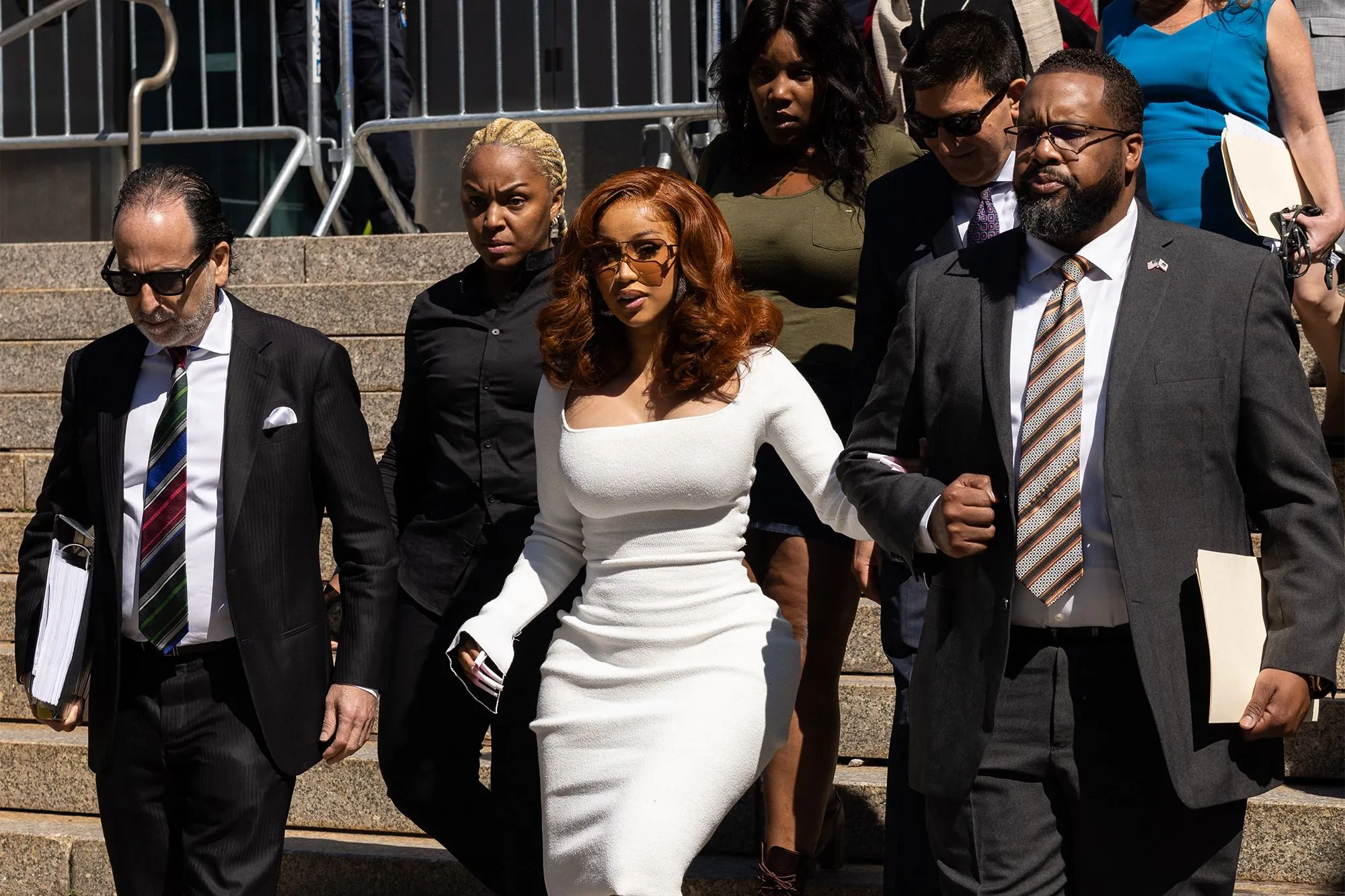
As the trial date approaches, both sides are ramping up their strategies. Cardi B’s legal team appears focused on reinforcing the narrative that she had no direct involvement in the altercation and that her guards acted reasonably under the circumstances. They are likely to continue seeking pretrial rulings that limit the plaintiff’s ability to present inflammatory evidence or pursue broad claims of liability.
For the plaintiff, the challenge will be to humanize his experience and convince jurors that the incident was not a routine security response but an act of excessive aggression that warrants accountability. This will require compelling testimony and perhaps expert opinions on the use of force by private security personnel.
What Lies Ahead for Cardi B
Regardless of the outcome, this case serves as a stark reminder of the legal risks that come with fame. Cardi B has previously been involved in other legal disputes, including defamation lawsuits and altercations with members of the public, reflecting the broader challenges faced by celebrities whose personal and professional lives are constantly in the spotlight. For her, this trial represents not only a legal battle but also an opportunity to assert boundaries around her personal safety and professional integrity.
As the case moves closer to trial, observers expect it to draw even more attention, particularly if Cardi B herself takes the stand. Such testimony could prove pivotal, as jurors often weigh a defendant’s demeanor and credibility heavily when deciding civil cases.
Conclusion
The recent rulings in favor of Cardi B mark a turning point in what promises to be a closely watched trial. By narrowing the plaintiff’s claims and excluding certain evidence, the court has given the rapper a stronger footing as she prepares to defend herself against allegations stemming from her security team’s actions. While the case is far from over, these developments underscore the complexities of assigning liability in high-profile security incidents and may influence how similar cases are handled in the future.
Ultimately, the trial will determine not only the outcome for Cardi B and the plaintiff but also contribute to the evolving legal conversation about celebrity accountability, security practices, and the fine line between protection and excessive force in the entertainment industry.