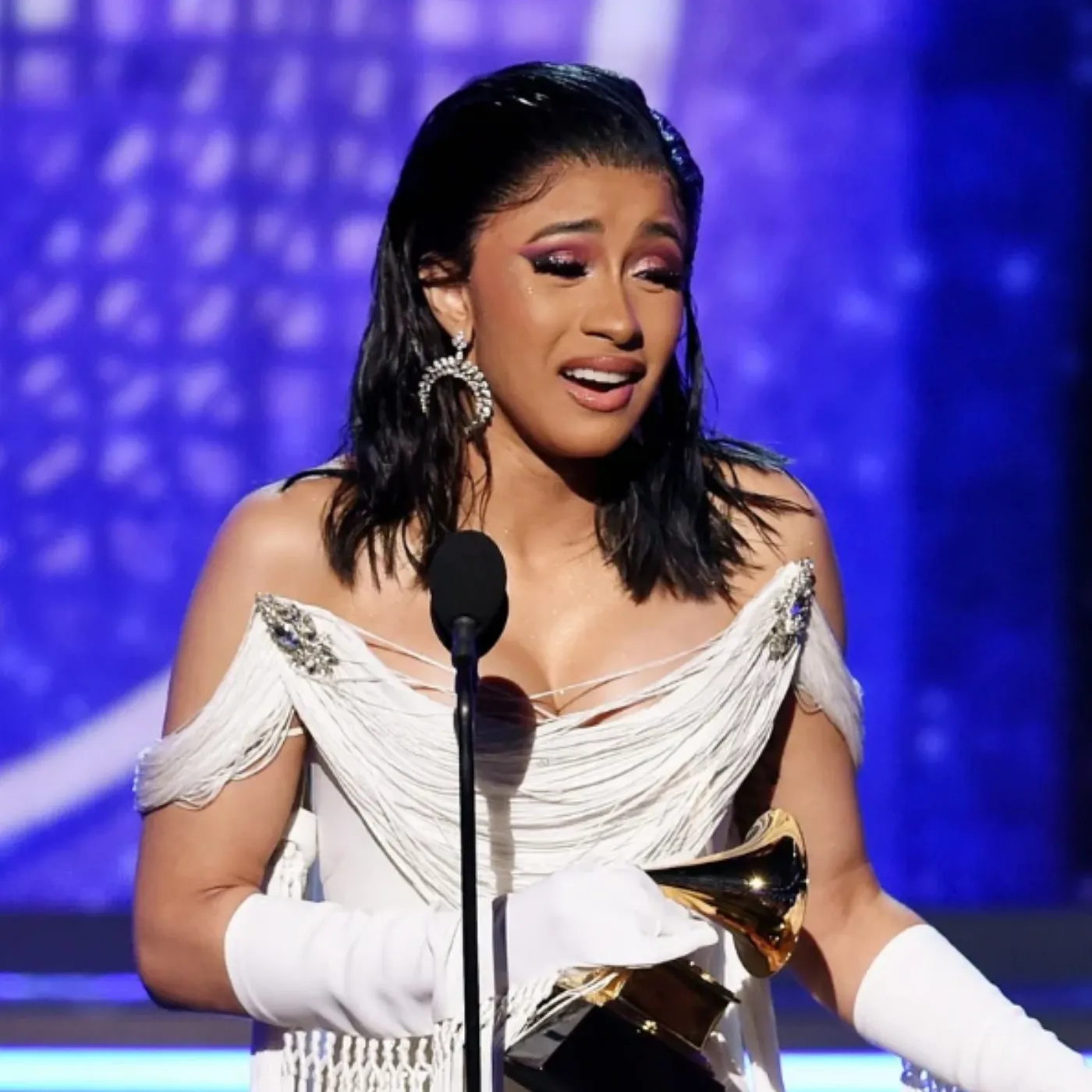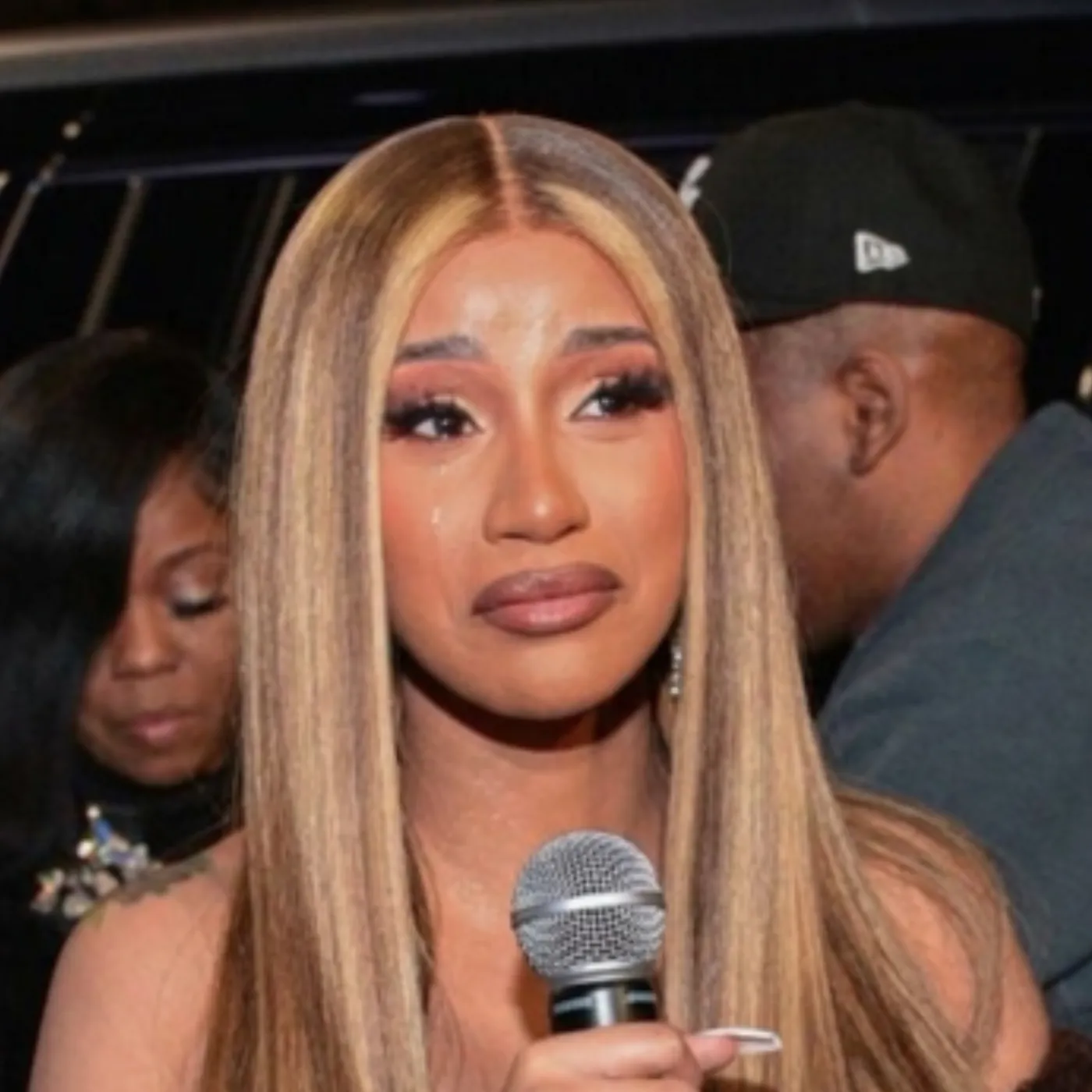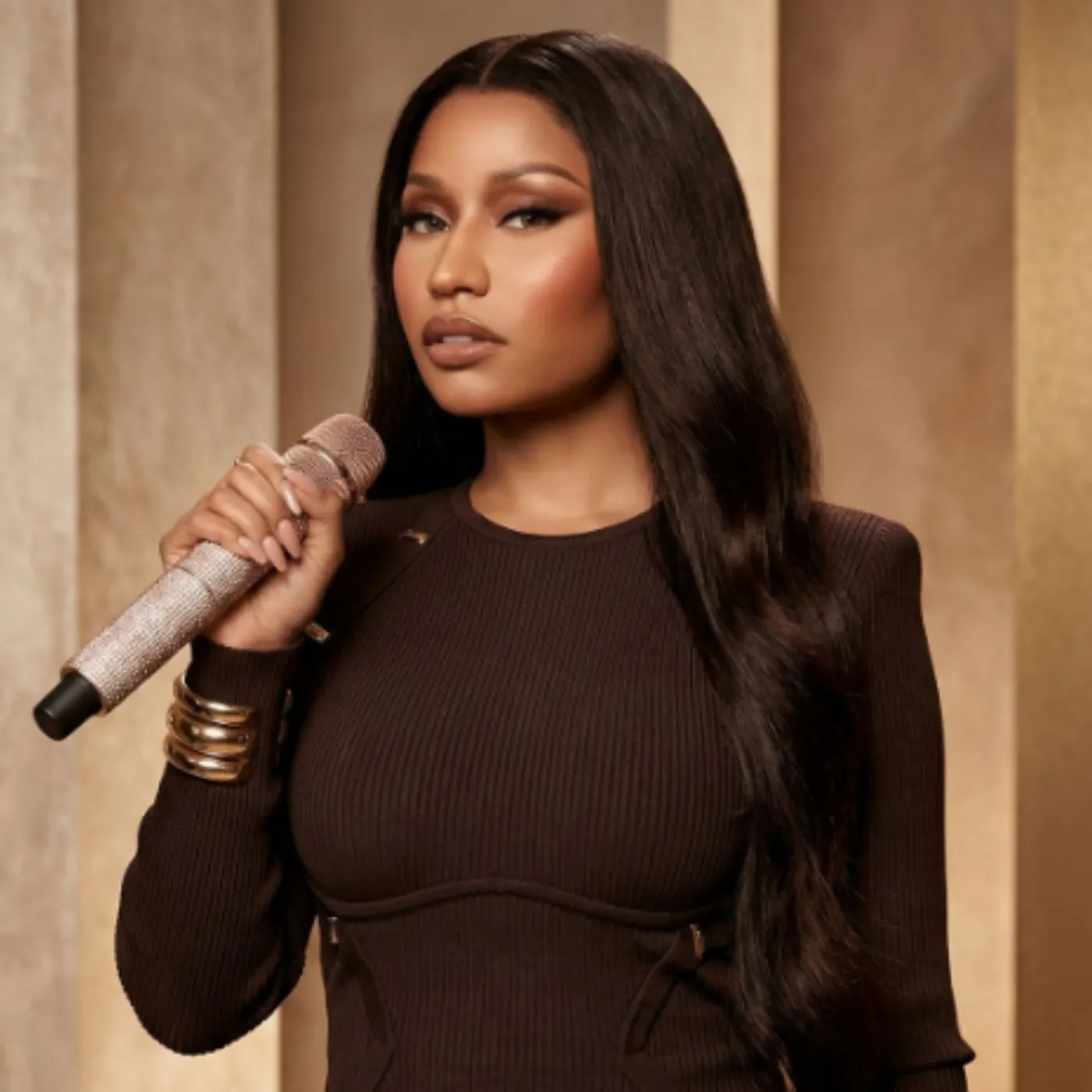





Nicki Minaj Turns Down the Super Bowl Halftime Show — and Throws Subtle Shade for Ignoring Lil Wayne!
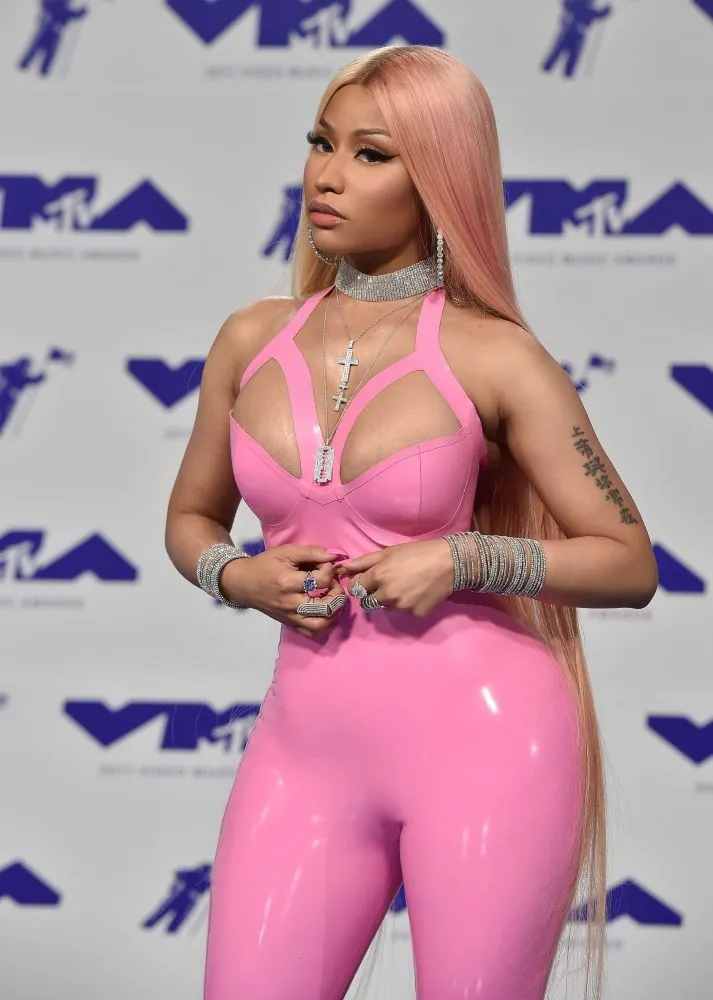
In a move that sent shockwaves through the entertainment world, Nicki Minaj has reportedly turned down the coveted offer to headline the Super Bowl Halftime Show, citing creative differences and—more pointedly—a lack of recognition for Lil Wayne, the man she considers her mentor and one of the greatest rappers of all time. This unexpected decision has not only reignited debates about the inclusivity of major performance platforms like the Super Bowl but also stirred curiosity over what really goes on behind the scenes when selecting artists for the biggest stage in American sports.

While many expected the Queen of Rap to jump at the opportunity, Nicki Minaj appears to be taking a bold stance that blends personal loyalty with a commentary on how the music industry—and the NFL by extension—has long snubbed influential artists who helped define the culture.
Her refusal didn’t come quietly. In true Nicki fashion, she left a trail of breadcrumbs for fans and media alike to decipher. On social media, the Trinidadian-born rapper posted a cryptic message shortly after reports of her rejection surfaced. The tweet, which read simply: “Legacy over optics. Wayne been the GOAT. Act accordingly.”, quickly racked up hundreds of thousands of likes, retweets, and reactions. Though she didn’t name the Super Bowl directly, insiders confirm it came just hours after her management informed NFL representatives that she would not be moving forward with negotiations.
Nicki Minaj’s Loyalty to Lil Wayne Is Unshakable
What’s striking about Nicki Minaj’s decision is not merely that she declined a halftime slot—a career-defining moment for many artists—but that she did so as an act of solidarity with Lil Wayne, the rapper who discovered her, mentored her, and helped shape the trajectory of her now-iconic career. The two artists’ relationship goes back to the late 2000s when Lil Wayne signed her to Young Money Entertainment, a move that turned Nicki from an underground sensation into a global pop-culture phenomenon.
Over the years, Nicki has never been shy about expressing her admiration and gratitude for Wayne. From dedicating entire award speeches to him to frequently reminding fans in interviews that he “gave her a voice when no one else would,” her loyalty has remained one of the most consistent themes throughout her career. Turning down the Super Bowl seems to be yet another chapter in that unwavering dedication. According to sources close to the rapper, Nicki Minaj was frustrated that Lil Wayne had never been approached to headline the Halftime Show despite his massive influence, countless chart-toppers, and cultural significance.
In private discussions, insiders claim that Nicki expressed her disappointment that the was eager to highlight her discography and aesthetic but showed little interest in giving props to the pioneers who laid the foundation for artists like her. For Nicki Minaj, it wasn’t just about a performance slot—it was about principles.
The NFL’s Complicated History With Hip-Hop Artists
Nicki Minaj’s Super Bowl snub is not an isolated event but rather a reflection of the broader tension between hip-hop culture and mainstream platforms like the While recent years have seen more inclusion—most notably with Dr. Dre’s 2022 Halftime Show featuring Snoop Dogg, Eminem, Mary J. Blige, Kendrick Lamar, and 50 Cent—the relationship has historically been fraught with limitations and selective acknowledgment.
Lil Wayne, despite being a multi-platinum, Grammy-winning artist who has shaped entire generations of rappers, has never been tapped for a performance at the Super Bowl. That omission has raised eyebrows, particularly when compared to artists from other genres who have repeatedly graced the stage. For Nicki Minaj, that absence isn’t just a scheduling oversight—it’s a glaring cultural dismissal.
This isn’t the first time Nicki has used her platform to speak out against the erasure or marginalization of Black artists in elite performance spaces. In interviews and acceptance speeches, she’s often reminded fans and industry professionals alike that hip-hop, and specifically Southern rap, has been responsible for shaping much of the modern music landscape.
Turning down the Super Bowl—a stage that reaches over 100 million viewers globally—might seem like a counterintuitive move for a pop culture icon. But for Nicki Minaj, it’s a statement of protest, not just against how Lil Wayne has been overlooked, but against the broader pattern of gatekeeping that still exists in mainstream entertainment.
Public Reaction: Fans Applaud the Queen’s Stance
The online reaction to Nicki’s decision has been divided, but not in the way many expected. Far from receiving backlash for walking away from such a massive opportunity, Nicki Minaj has been widely praised by her fans—and even fellow artists—for her integrity and boldness. Social media erupted with hashtags like #RespectNicki, #WayneDeservesMore, and #NickiSaidNo, turning her refusal into a trending cultural moment.
Fan pages on Twitter and Instagram flooded timelines with throwback videos of Nicki and Lil Wayne, reminding the world of their musical chemistry and mutual respect. Several clips showed Wayne praising Nicki as “the best rapper alive, male or female,” while Nicki can be seen calling Wayne her “forever favorite lyricist.”
Even artists outside of the Young Money circle began chiming in. One notable post came from Ty Dolla $ign, who wrote: “Say what you want about Nicki, but that loyalty is rare. Much respect.” Others, like Kehlani and Tinashe, echoed similar sentiments, subtly criticizing how the industry often celebrates one artist while erasing those who paved the way.
Still, there were critics who claimed Nicki was overreacting or turning a career highlight into a personal protest. But those voices were largely drowned out by a louder, more appreciative chorus that saw her decision as both empowering and overdue.
A Power Play or a Cultural Reckoning?
It’s impossible to talk about Nicki Minaj without acknowledging her unparalleled influence in both hip-hop and pop. With over a decade of hits, an army of loyal fans known as the Barbz, and a sharp business acumen that has helped her maintain relevance across eras, she’s in a rare position to dictate terms rather than follow them. Walking away from the Super Bowl Halftime Show might seem like a risky move for most artists, but for Nicki, it reads more like a power play.
More importantly, it’s a potential turning point in how artists use their visibility to challenge systemic norms. If one of the biggest female rappers in history can say “no” to the Super Bowl, perhaps the entire industry needs to reconsider what inclusion really means.
Is it enough to feature the most-streamed or most-followed artist of the moment? Or should platforms like take time to honor the legends who shaped the current landscape? For Nicki Minaj, the answer is clear—and she’s using her platform to demand that others see it too.
This act of defiance might also spark a larger conversation within the hip-hop community about how legacy artists like Lil Wayne, Nas, Missy Elliott, and others have been excluded from major pop culture events. While the Grammys and Rock & Roll Hall of Fame have begun to make amends, performance-based platforms still lag behind.
What’s Next for Nicki Minaj and the Super Bowl?
With Nicki Minaj officially stepping back from the Super Bowl Halftime Show, speculation has already begun about who might replace her. Names like Dua Lipa, Billie Eilish, and even Taylor Swift have been floated by entertainment insiders, but none carry quite the same cultural weight in the hip-hop community as Nicki.

As for Nicki, her upcoming album—tentatively titled “Pink Friday 2: The Reign”—is already one of the most anticipated records of the year. With rumors that Lil Wayne will feature prominently across several tracks, her continued public defense of his legacy may extend into the music itself.
For all its influence, may find itself in a position where its choices are increasingly scrutinized, not just for who they spotlight, but for who they continually fail to acknowledge. In that sense, Nicki Minaj’s Super Bowl rejection is more than a headline—it’s a cultural call to action.
Whether or not the listens remains to be seen. But one thing is certain: Nicki Minaj, never one to bite her tongue or compromise her values, has once again redefined what it means to be an artist in control. And she did it not with fireworks or choreography—but with silence, loyalty, and a well-placed refusal.