4 Years Later: ‘STAY’ Marks Justin Bieber’s Career Lifeline While Exposing His Limits
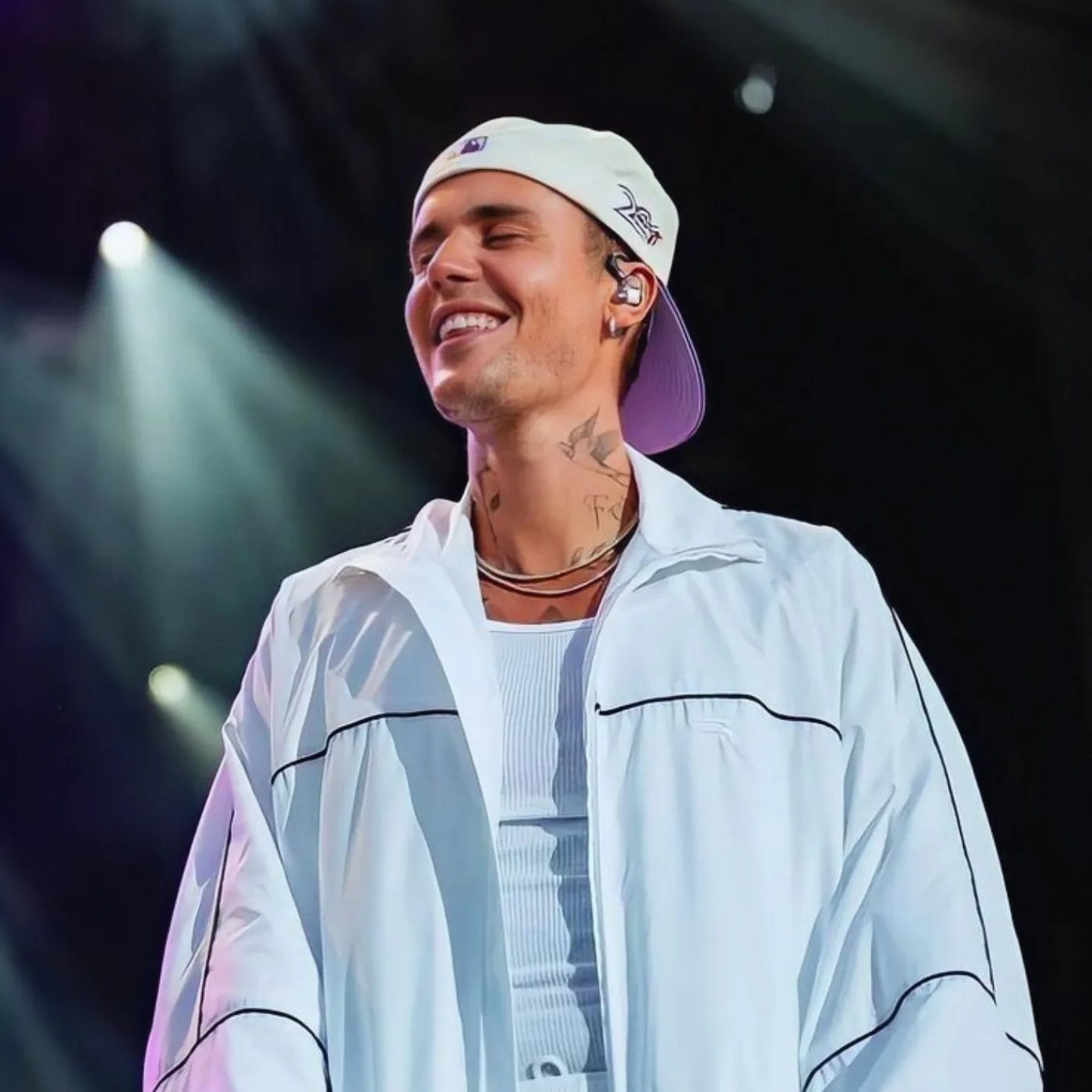
Four years have passed since The Kid LAROI and Justin Bieber dropped “STAY,” the global hit that dominated streaming charts, social media feeds, and pop radio playlists. But time has a way of changing how we view these things. Today, STAY stands as both a career-defining triumph and a glaring reminder of the industry’s relentless churn—and of Justin Bieber’s own evolving legacy.
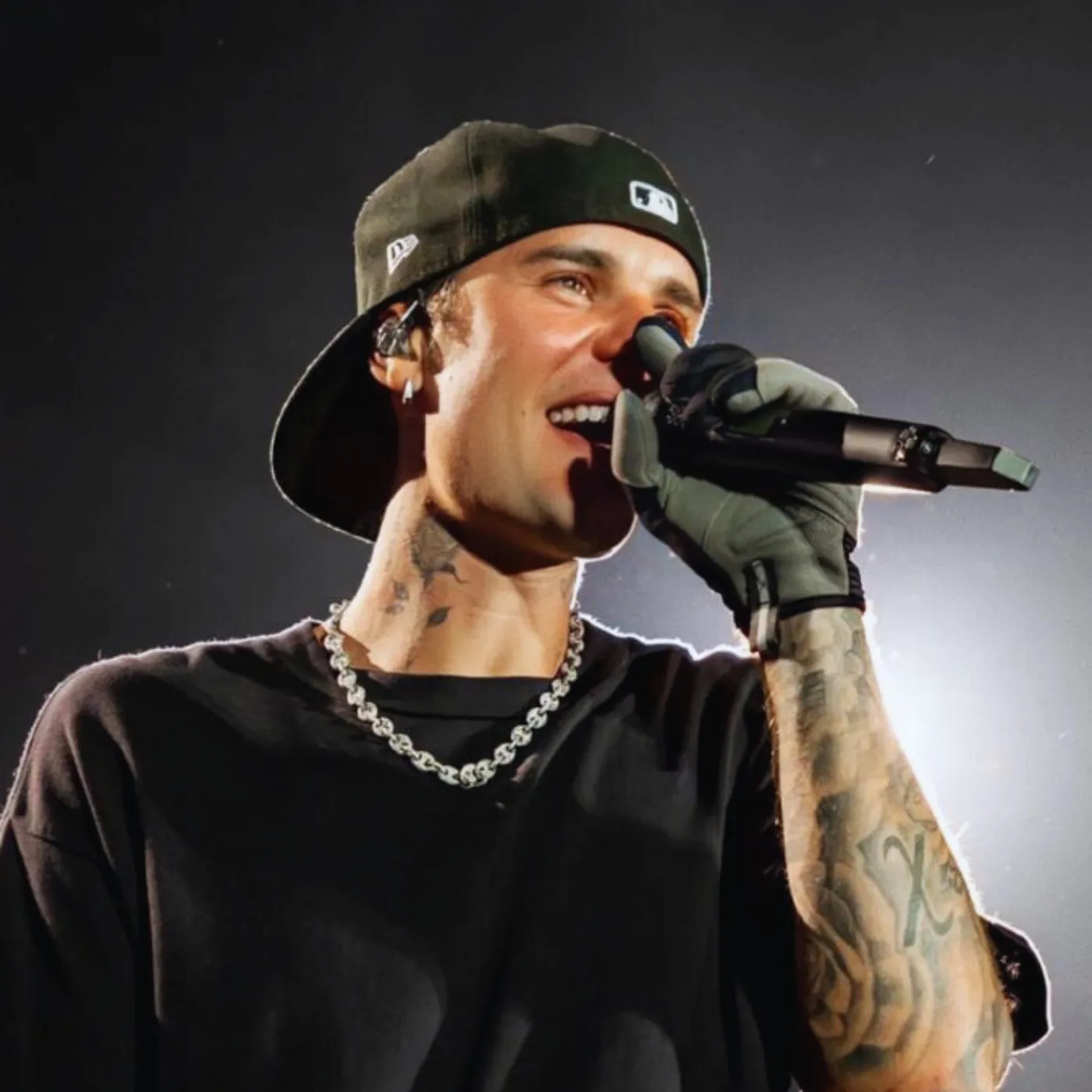
As fans, critics, and music insiders reflect on the anniversary, the conversation is as heated as ever. Is STAY the modern classic it was sold as? Or is it just another slick, manufactured moment in a celebrity brand strategy that can’t hide its own limits?
This is a look behind the hype, the numbers, and the carefully curated images—to see how STAY continues to shape the careers of The Kid LAROI and Justin Bieber, and what it says about today’s pop world.
The Viral Explosion of “STAY”
When “STAY” launched in July 2021, it didn’t just perform well. It dominated. The track surged to No. 1 on the Billboard Hot 100, staying in the top tier for weeks. On Spotify, it became one of the most-streamed songs of the year, racking up billions of plays. TikTok is flooded with lip-syncs, dances, and viral remixes.
This wasn’t just a hit—it was a cultural takeover.
For The Kid LAROI, then barely out of his teens, it was a career-making moment. He went from being a rising talent with buzz to a full-on mainstream star. For Justin Bieber, STAY offered something arguably even more important: relevance.
Justin Bieber wasn’t exactly fading, but his post-Purpose era was marked by uneven projects, public controversies, and questions about his artistic direction. STAY was a reminder to the world that he could still deliver a blockbuster hook, still sit at the center of pop’s attention, and still align himself with what was “now.”
A Strategic Collaboration Built for Streaming
If you peel back the surface hype, STAY also represents the modern music industry at its most calculating.
The Kid LAROI and Justin Bieber were both signed to the same management ecosystem. Their collaboration wasn’t just about creative synergy—it was a strategic partnership, designed to maximize streaming potential, cross-pollinate fan bases, and capture algorithmic recommendations.
The song itself was tailor-made for Spotify playlists and TikTok virality. With its hyper-catchy hook, relentless tempo, and raw-edged vocal delivery, it was engineered to grab attention in the first five seconds—exactly what the algorithm demands.
In an age when streaming first-week numbers define success, STAY delivered in spades. And there’s no denying that.
But as we revisit it four years later, there’s a question that lingers: Was this a creative triumph or a corporate masterstroke?
Justin Bieber’s Career at a Crossroads
For Justin Bieber, STAY was both a victory lap and a lifeline.
By 2021, Bieber was well into his second decade as a pop star—a remarkable achievement in an industry that eats its young. But he was also facing an identity crisis.
His earlier music had evolved from bubblegum pop to a more mature, sometimes spiritual direction. While albums like Purpose were critically praised, later projects faced mixed reviews. Some fans complained about lyrical shallowness or uninspired production.
STAY changed the narrative—at least for a moment. It re-established him as the hook king, the artist who could deliver an anthemic chorus that everyone wanted to sing. It put him back in the daily rotation of Gen Z listeners, many of whom were toddlers when “Baby” came out.
Yet that success also highlighted Bieber’s own limits. Rather than demonstrating growth or risk, STAY was Bieber at his safest: pairing with a younger, buzzier star to recapture the zeitgeist without pushing any boundaries.
The Kid LAROI’s Coming-of-Age Moment
While much of the press at the time fixated on Justin Bieber’s involvement, the song arguably did even more for The Kid LAROI.
STAY transformed him from “promising newcomer” to household name. Suddenly, the Australian artist was headlining tours, booking TV appearances, and commanding top-tier festival slots.
He wasn’t just the kid opening for Juice WRLD anymore. He was the main event.
STAY gave him mainstream validation. It also set a high bar he’d spend the next years trying to match.
It’s not an exaggeration to say that STAY was the rocket fuel for The Kid LAROI’s global brand. But it also locked him into a sound and style that fans now expect—a creative constraint that could either be a foundation or a trap.
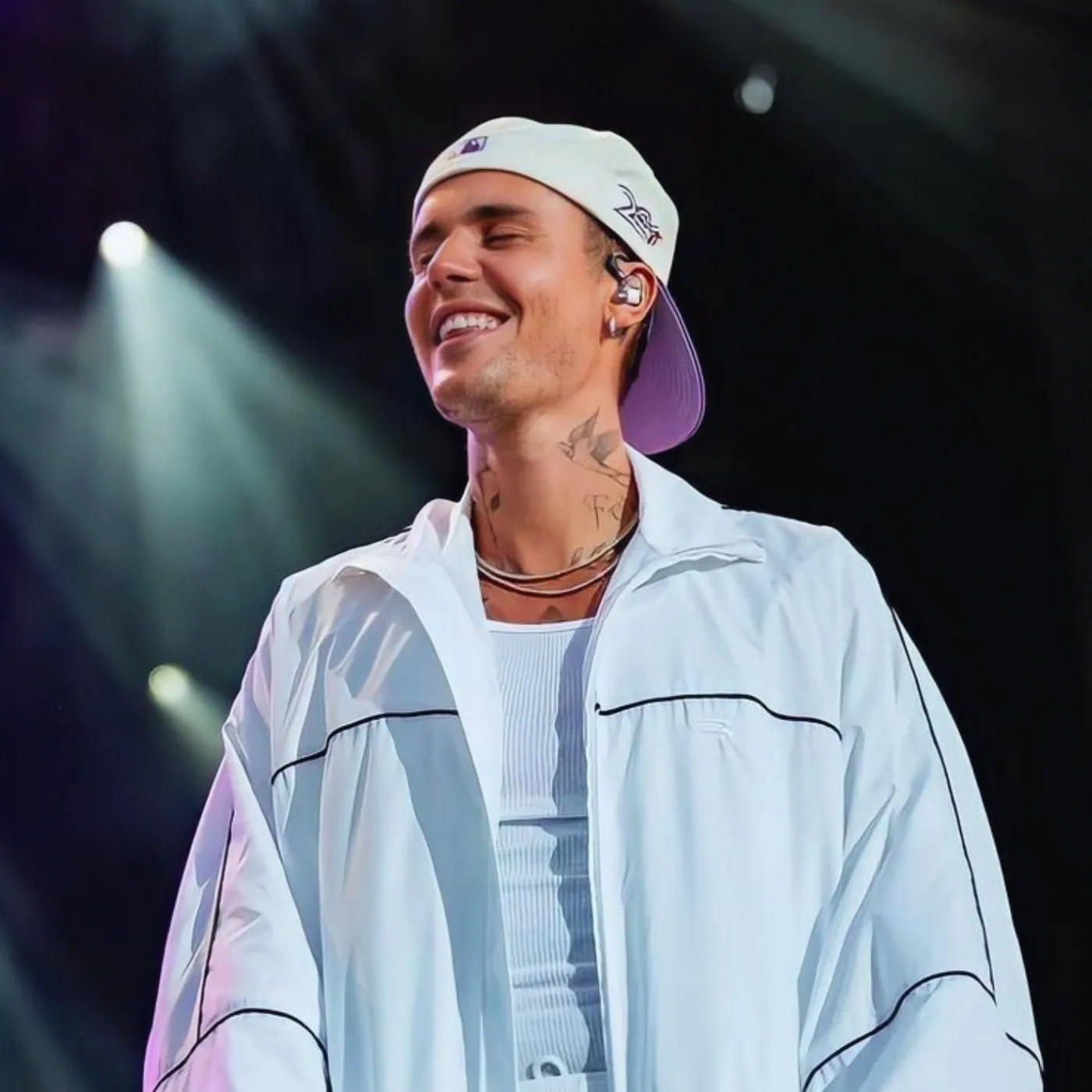
Social Media Buzz and Fan Divide
If you want proof of STAY’s cultural staying power (pun intended), look no further than Facebook groups, Twitter hashtags, and TikTok trends that still resurface the track years later.
But the conversation isn’t just nostalgic. It’s often divisive.
Some fans praise the song as “timeless,” “a modern classic,” and the “collab of the decade.” Others dismiss it as “overproduced,” “formulaic,” and “pure label marketing.”
This split is pure gold for social media engagement. Posts about the song consistently generate heated comment threads, reaction memes, and influencer hot takes.
The Kid LAROI and Justin Bieber both know this. It’s part of the machine: controversy and debate drive the algorithms, ensuring that STAY remains in circulation long after most pop singles fade.
Industry Impact and the Streaming Game
Beyond the fan arguments, STAY also matters as an industry milestone. It’s one of the clearest examples of the new model of pop music production—where streaming data, playlist placement, and TikTok trends shape every creative decision.
Record labels learned from STAY. They saw how pairing an established megastar with a young, viral artist could maximize reach across demographics. They studied the song’s structure—short, punchy, instantly catchy—and tried to replicate it.
You can hear STAY’s influence in the flood of “hyper-pop” and “emo-rap” hybrid tracks that dominate streaming services now.
For better or worse, STAY helped define the modern blueprint for a hit.
Behind the Scenes: The Pressure of Public Life
It’s impossible to ignore the toll that fame takes on artists like Justin Bieber and The Kid LAROI.
Justin Bieber’s long history in the public eye has included mental health struggles, controversies, and the relentless pressure to stay relevant in an unforgiving industry. Every project becomes a referendum on his legacy.
The Kid LAROI, meanwhile, faced the classic trap of early success. At 17, he was suddenly a global name, with all the expectations—and scrutiny—that entails. Fans demand consistency, innovation, and constant content.
This pressure cooker environment shapes how both artists work. It also colors how their collaborations are viewed. When STAY dropped, it wasn’t just a song—it was a high-stakes moment in two very different but equally intense careers.
The Lingering Legacy of “STAY”
So where does STAY stand now? Four years on, the answer is complicated.
It remains one of the defining hits of the early 2020s, still featured on playlists, radio rotations, and live setlists. It cemented The Kid LAROI as a global artist. It reaffirmed Justin Bieber’s power as a chart force.
But it also symbolizes the transactional nature of modern pop, where collaborations are often as much business strategy as artistic vision.
Fans still argue about it. Critics remain split. And that, ironically, is part of why STAY has such staying power (pun intended again).
It’s not just a song. It’s a conversation starter. A meme. A case study in how music works now.
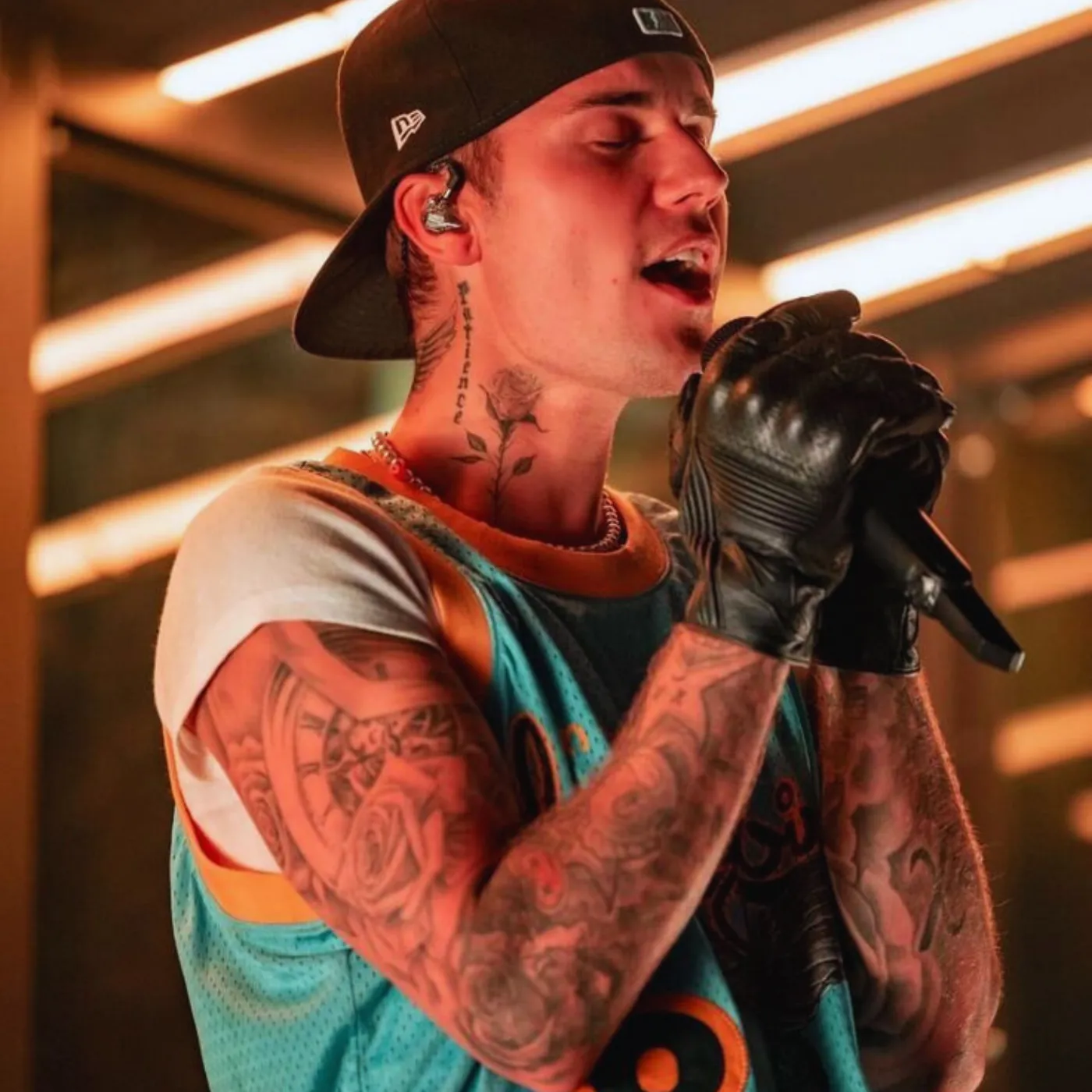
Final Thoughts: Pop Perfection or Manufactured Moment?
Four years later, STAY deserves its reputation as a massive pop moment. The hook is undeniable. The production is immaculate. The vocals—raw, urgent, catchy—stick in your head long after the track ends.
But celebrating STAY also means acknowledging the machine behind it. The calculated feature, the label strategy, and the marketing push. It’s a modern classic precisely because it’s so perfectly tailored to the demands of streaming culture.
In the end, The Kid LAROI and Justin Bieber delivered exactly what pop in the 2020s demands: something you can’t stop playing, even as you argue about whether you love it or hate it.
And maybe that’s the truest mark of success in this era.