Years Have Passed, But Lil Wayne’s ‘I’m Better Than Jay‑Z’ Comment Still Splits Rap Fans – Which Side Are You On?
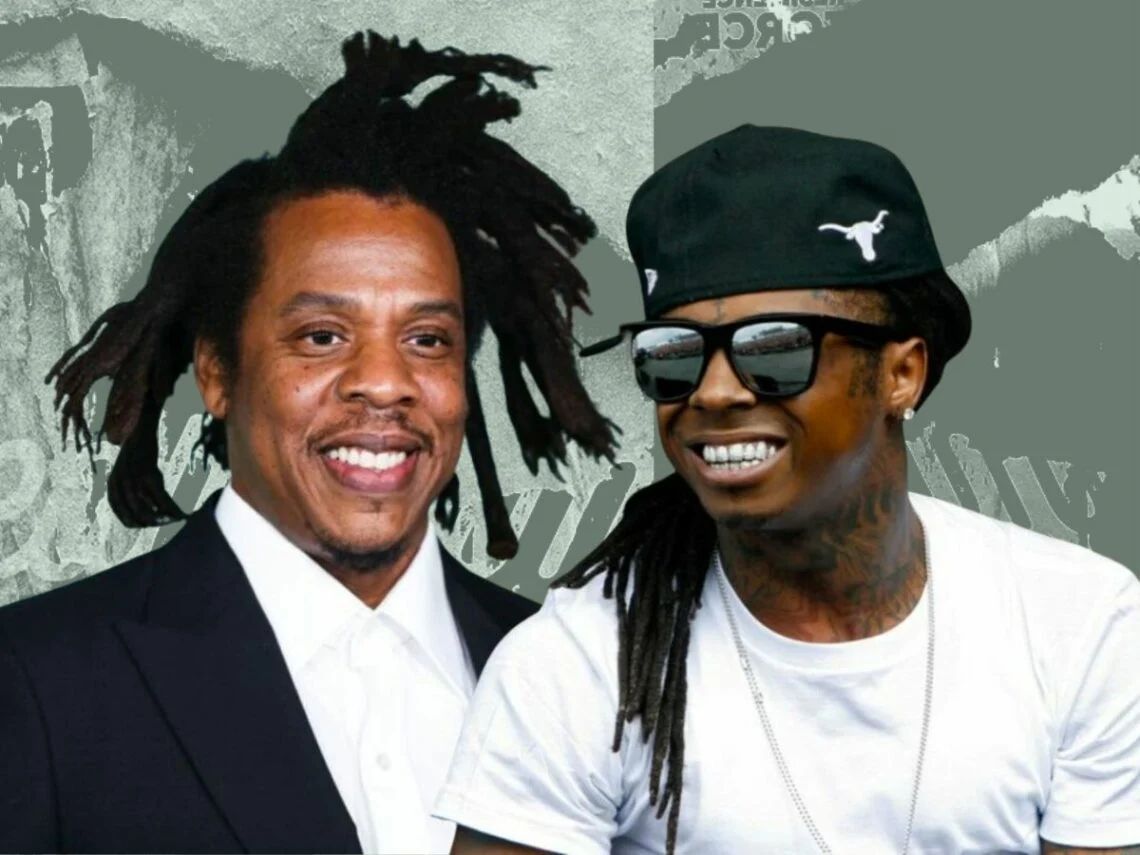
It has been more than a decade since Lil Wayne casually dropped a statement that would go on to ignite one of the fiercest debates in rap history: “I’m better than Jay‑Z.” The comment, made during an era when the New Orleans native was already dominating charts with mixtapes, platinum albums, and a seemingly endless supply of punchlines, didn’t just spark a Twitter storm – it cemented a cultural divide that still lingers today. Fast forward to 2025, and the question remains louder than ever: Is Lil Wayne truly the GOAT over Jay‑Z, or is this the boldest self‑proclamation in hip‑hop history?
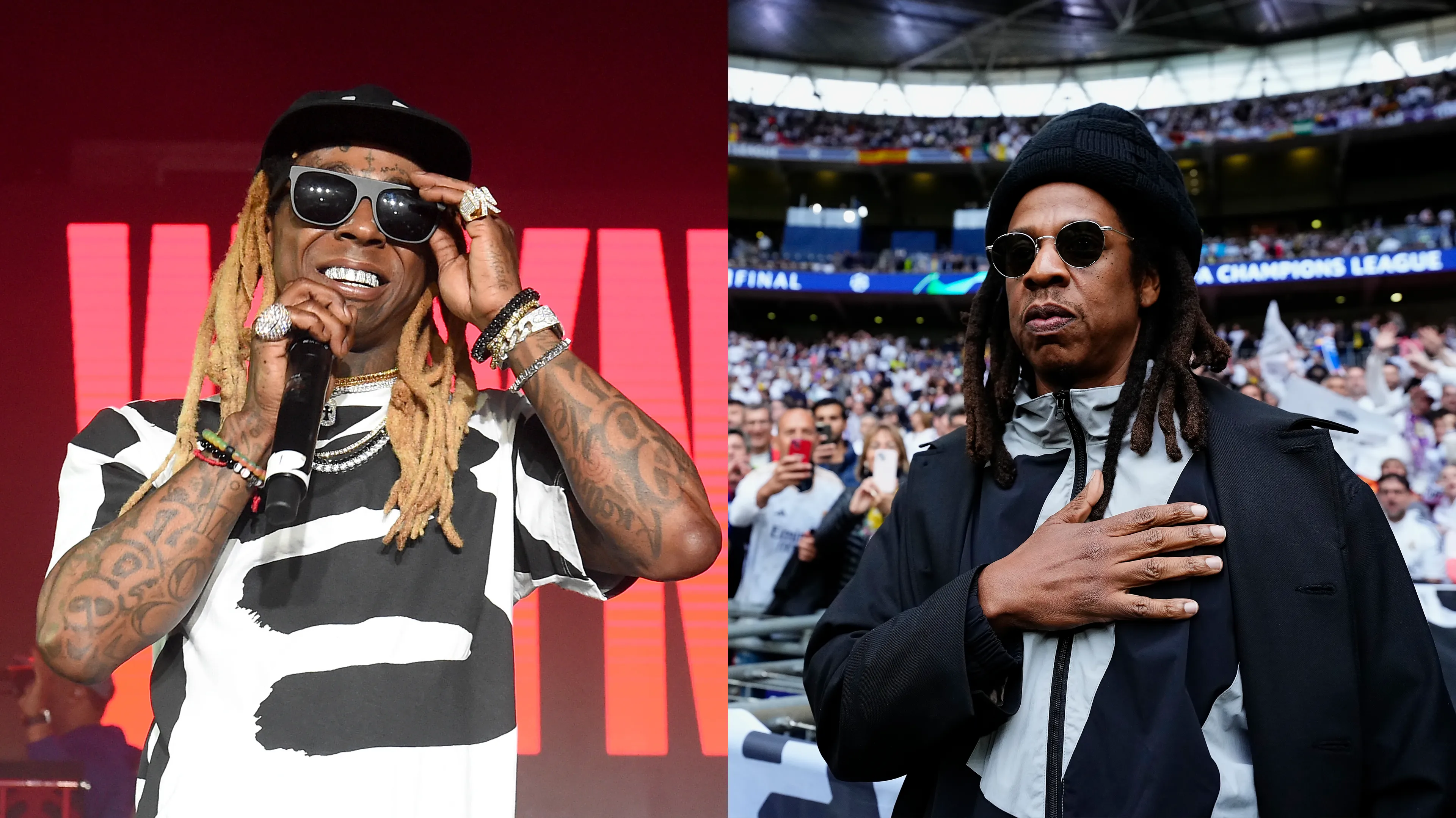
The Origin of the Statement That Shook the Culture
To understand why this debate refuses to die, we have to go back to the early 2010s. Lil Wayne was at his absolute creative peak, fresh off the monumental success of Tha Carter III and a relentless run of mixtape classics like No Ceilings and Dedication 2. Jay‑Z, on the other hand, was in his mogul phase – already a billionaire in the making, still releasing chart‑toppers like Blueprint 3 while expanding Roc Nation into a global powerhouse.
It was during this period that Wayne allegedly made the now‑famous comment in an interview. The internet did what it does best: it exploded. Memes, think pieces, and heated barbershop arguments began flying. Was Wayne, the “Mixtape King,” merely hyping himself up? Or was he genuinely pointing out a generational shift that older fans were too stubborn to admit?
Why Fans Still Can’t Agree – A Battle of Eras and Styles
Part of what makes this debate so fascinating is that Wayne and Jay‑Z are titans from two completely different rap eras. Jay‑Z came up during the gritty, mafioso‑rap‑influenced 90s, known for his slick double entendres, mafioso imagery, and luxurious flows. Lil Wayne, by contrast, represented the chaotic energy of the 2000s mixtape era, often recording tracks in hotel rooms, leaning on auto‑tune experimentation, and delivering surreal wordplay that influenced an entire generation.
Fans who ride for Jay‑Z point to his timeless lyricism, business acumen, and longevity, arguing that no one has blended artistry and mogul status better. Meanwhile, Wayne loyalists claim that his versatility, innovation, and ability to birth entire rap styles – from Young Money to the “SoundCloud wave” – make him untouchable.
As one fan recently wrote on X (formerly Twitter): “Without Wayne, there’s no Drake, no Nicki, no Young Thug, no Future. Jay‑Z is great, but Wayne literally fathered a whole sound.” Another quickly clapped back: “Yeah, but Jay‑Z made rap a boardroom sport. He’s the blueprint. Literally.”
The Numbers Game – Who Wins by the Stats?
The numbers don’t lie… but they don’t settle this either. Jay‑Z boasts 24 Grammy Awards, 14 number‑one albums, and a net worth surpassing $2 billion. He’s sold over 125 million records and his cultural presence extends far beyond music.
Lil Wayne’s stats are equally jaw‑dropping: five Grammys, over 120 million records sold, and a catalog so extensive that even die‑hard fans struggle to keep track. His Carter series alone is hailed as one of the most influential rap franchises ever. Wayne also broke Elvis Presley’s record for the most Billboard Hot 100 entries at one point, a testament to his unmatched work ethic and cultural saturation.
But here’s the kicker: does financial dominance and mainstream acclaim (Jay‑Z’s strengths) outweigh sheer influence and musical innovation (Wayne’s strengths)? Fans are divided down the middle.
The Influence Factor – Lil Wayne’s Legacy Cannot Be Ignored
One of the strongest arguments for Wayne is his direct impact on modern rap’s DNA. Nearly every major artist in today’s landscape – from Kendrick Lamar and Travis Scott to Playboi Carti and Lil Uzi Vert – can trace elements of their sound, look, or approach back to Wayne.
His bold experimentation with auto‑tune pre‑dated Kanye’s 808s & Heartbreak, his mixtape strategy laid the groundwork for today’s streaming culture, and his iconic Young Money label launched global superstars like Drake and Nicki Minaj.
Jay‑Z’s influence, though less flashy, is equally profound. He set the standard for how rappers could transition into corporate juggernauts, maintaining lyrical respect while building billion‑dollar empires.
A Culture War That Shows No Signs of Ending
What makes this debate endure is that it’s about more than just music. It’s about identity, generational pride, and what we value in a “Greatest of All Time.” Jay‑Z represents precision, discipline, and the long game. Lil Wayne embodies creativity, chaos, and raw innovation.
Social media only fuels the fire. TikTok edits of Wayne’s wildest bars regularly go viral, while Jay‑Z’s old freestyle videos circulate with captions like “This is real rap.” Even younger artists are being pulled into the conversation. NBA YoungBoy recently named Wayne as the GOAT, while J. Cole publicly praised Jay‑Z as the standard he’s always chasing.
So… Who Is the Real GOAT?
Here’s the truth: there may never be a definitive answer. Both Lil Wayne and Jay‑Z have left indelible marks on hip‑hop history. But the fact that one offhand comment from Wayne still triggers this much discussion more than a decade later says everything about its power.
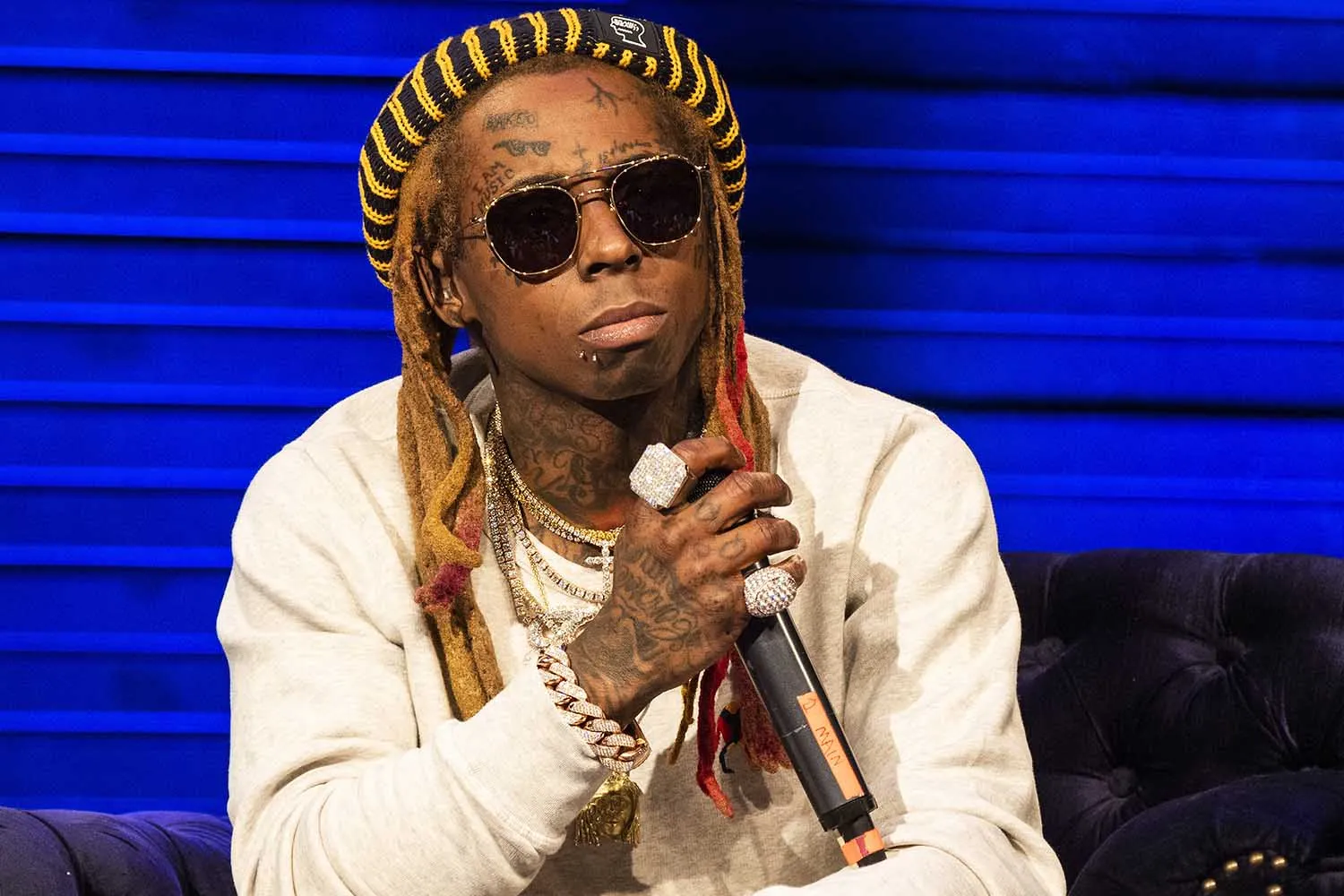
And that leads us to the question we want to ask you: Which side are you on? Are you Team Wayne – the mixtape messiah who fathered an entire generation? Or Team Jay‑Z – the timeless lyricist and mogul who made rap a global empire?
Have Your Say – The GOAT Debate Isn’t Over
Now it’s your turn. This debate has been raging for years, and it’s clear it won’t die down anytime soon. Are you riding with Lil Wayne – the fearless innovator who redefined the mixtape era and fathered an entire generation of artists – or do you believe Jay‑Z’s unmatched lyricism, longevity, and business empire put him firmly at the top?
Drop your take in the comments – don’t just pick a side, tell us why your GOAT deserves the crown. Are you putting Wayne’s influence and relentless creativity above all else? Or do Jay‑Z’s classic albums and billionaire blueprint make him untouchable?