







When Joe Burrow’s 6-TD Masterpiece Sealed LSU’s Magical 2019 Season — And Delivered Their 4th National Title
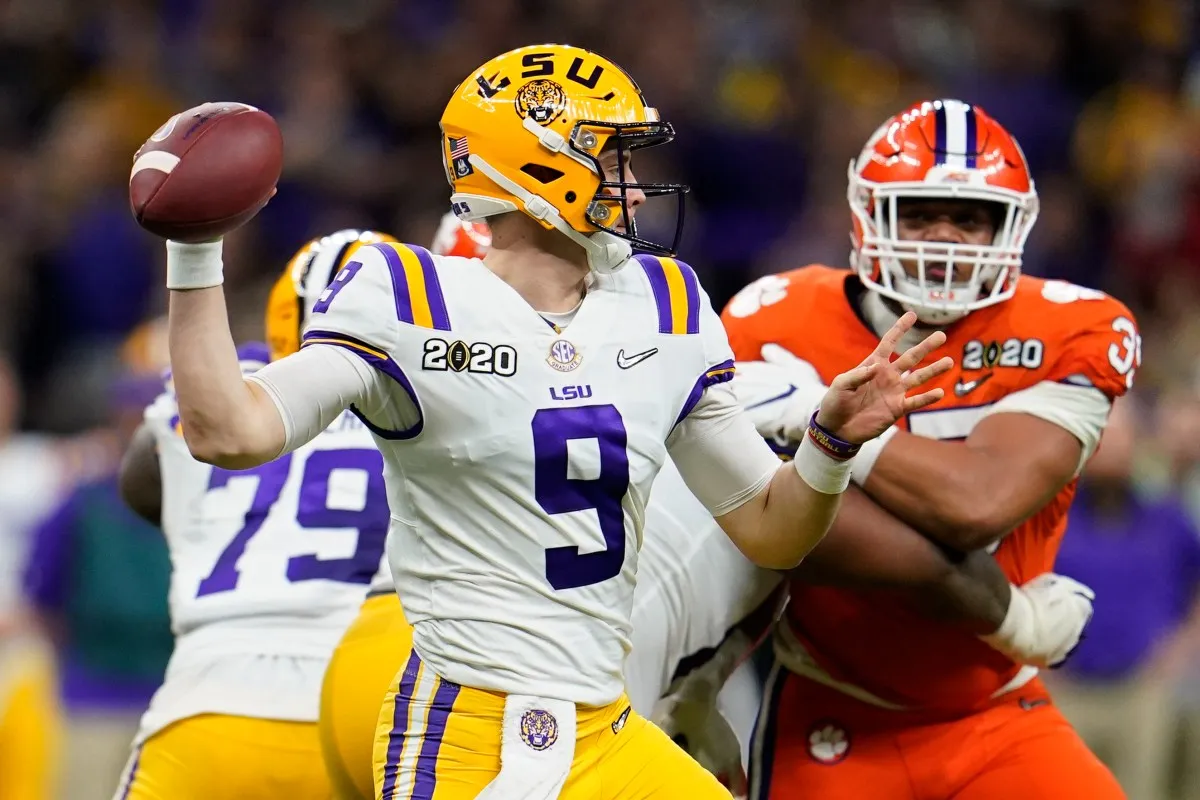
In the long, storied history of college football, few seasons have captured the imagination of fans quite like the 2019 LSU Tigers. Led by a confident, unshakable quarterback named Joe Burrow, the Tigers marched through the season undefeated, breaking records, dismantling opponents, and rewriting the narrative of SEC dominance. The culmination came under the bright lights of the College Football Playoff National Championship Game, when Burrow delivered one of the most spectacular performances in the sport’s history — a 6-touchdown masterpiece that cemented LSU’s place in football immortality and earned the school its 4th national title.
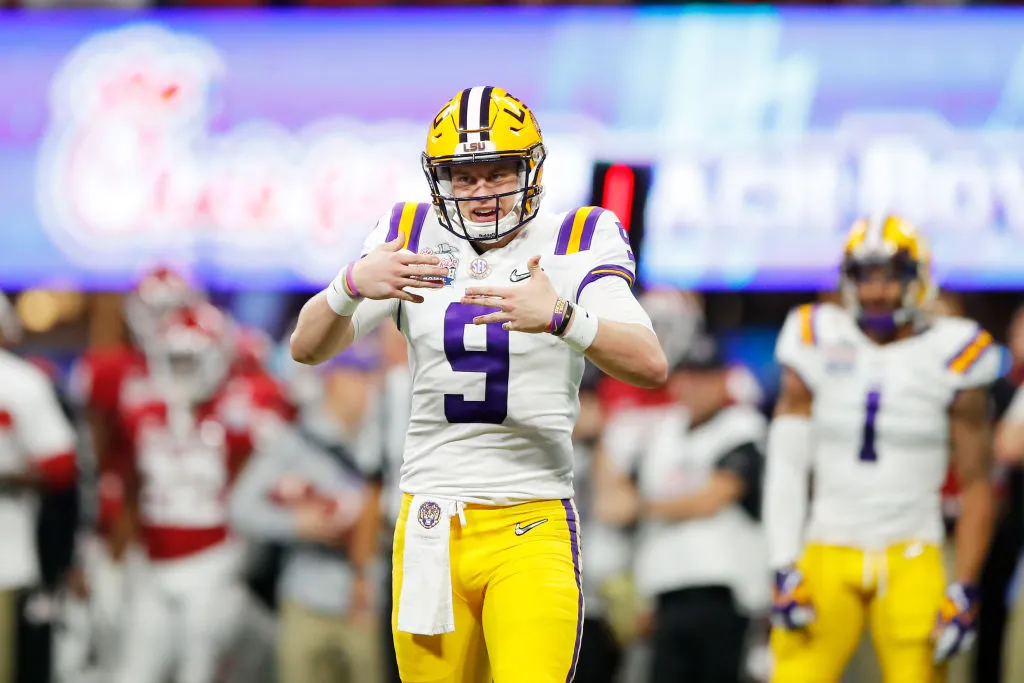
The night of January 13, 2020, in the Mercedes-Benz Superdome in New Orleans, will forever be etched into the hearts of LSU fans. Burrow wasn’t just playing for a trophy; he was closing the book on one of the greatest single seasons ever witnessed by a college quarterback. His poise, his precision, and his fearless command of the game reflected the very spirit of LSU’s magical 2019 season — a journey defined by resilience, unity, and a belief that no stage was too big.
The Road to the Championship
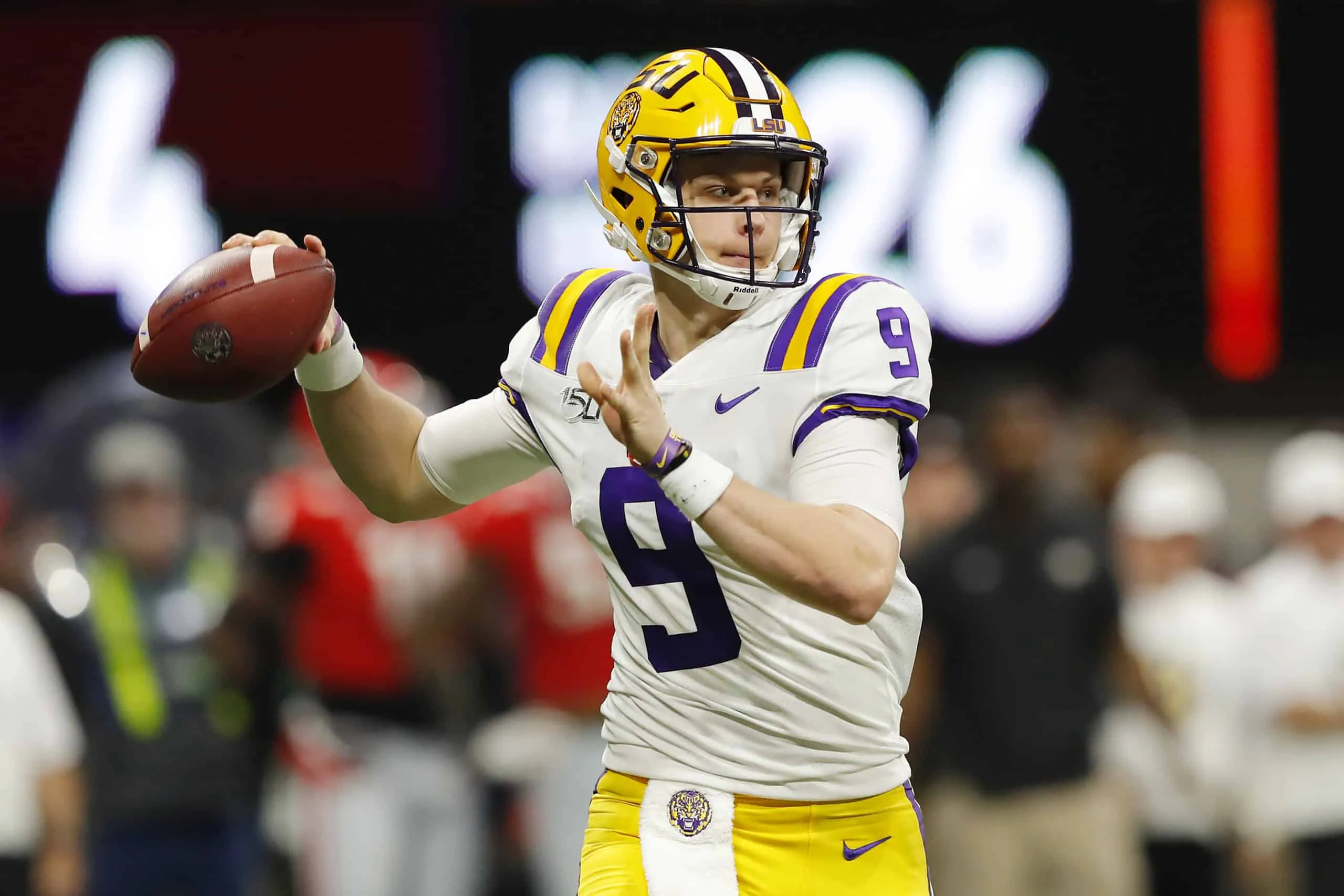
To understand the weight of that moment, it’s essential to trace LSU’s path through the season. From the opening game, Joe Burrow set the tone. The Tigers’ offense, reimagined under passing game coordinator Joe Brady, became a relentless machine. No longer relying solely on the ground-and-pound tradition of SEC football, LSU blended explosive passing plays with a balanced running game. Burrow thrived in this system, throwing for over 5,600 yards and a staggering 60 touchdown passes over the course of the season.
Every week felt like a statement. The Tigers toppled powerhouses like Texas, dismantled rivals such as Alabama in Tuscaloosa, and survived high-pressure matchups against Auburn and Florida. By the time they reached the College Football Playoff, LSU was not just the No. 1 team in the country — they were a force of nature. Their semifinal against Oklahoma was a warning shot to Clemson and the rest of the nation. Burrow accounted for 7 total touchdowns in that game, six through the air in the first half alone, showcasing a level of dominance rarely seen at this level.
Still, the championship game was a different challenge. LSU was up against a Clemson team that had won 29 consecutive games, led by quarterback Trevor Lawrence, a player many believed could match Burrow throw for throw. The stage was set for a heavyweight clash.
A Slow Start — And a Rising Tide
The first quarter didn’t go as smoothly as LSU might have hoped. Clemson’s defense came out with aggression, disrupting Burrow’s rhythm and bottling up the running lanes. The Tigers from South Carolina jumped out to a 17-7 lead, threatening to spoil LSU’s perfect season. For a brief moment, doubt crept into the Superdome. But if there was one thing Joe Burrow had shown all year, it was that he never panicked.
Midway through the second quarter, LSU found its footing. Burrow began to dissect Clemson’s defense with precision, hitting Ja’Marr Chase on deep routes and exploiting mismatches against Clemson’s secondary. Chase would finish the night with 221 receiving yards and two touchdowns, a testament to the chemistry he and Burrow had developed over the season. The offensive line began to give Burrow more time, and LSU’s offense roared to life.
By halftime, the scoreboard told a different story. LSU had seized a 28-17 lead, scoring three unanswered touchdowns in a blistering display of offensive power. The momentum had shifted completely, and the swagger that had defined LSU’s season returned in full force.
The Second-Half Surge
If the first half was about clawing back control, the second half was about slamming the door shut. Joe Burrow entered the third quarter with the same calm intensity that had made him the Heisman Trophy winner. Clemson tried to mount a comeback, but LSU’s defense tightened, forcing errant throws and keeping Lawrence off balance. Every possession became an opportunity for Burrow to stretch the lead — and he delivered.
He connected with Thaddeus Moss, the son of Hall of Famer Randy Moss, on a crucial touchdown that widened the gap. His decision-making was flawless, his passes sharp and unerring. The LSU sideline buzzed with the realization that they were witnessing something historic. Burrow was not merely playing well; he was orchestrating a performance that would live forever in college football lore.
Late in the game, with the outcome all but sealed, Burrow added his sixth touchdown pass of the night — a strike that served as both a dagger to Clemson and a crowning jewel for his record-breaking season. The crowd erupted, not just in celebration of the victory, but in recognition of the journey it took to get there.
Burrow’s Legacy and LSU’s Place in History
When the final whistle blew, LSU had secured a 42-25 victory and their fourth national championship. The players embraced amid a cascade of purple and gold confetti, their joy unrestrained. Burrow, still in full uniform, stood at the center of it all, a symbol of the program’s renaissance.
The numbers from that night alone were staggering: 463 passing yards, five passing touchdowns, and one rushing score. Combined with his semifinal performance, Burrow’s playoff run became the gold standard for quarterback excellence. His season totals — 5,671 passing yards, 60 touchdowns, and a completion percentage over 76% — broke multiple NCAA records and redefined what was possible in a single year.
But beyond the stats, what truly defined Burrow’s 2019 season was his unshakable belief in himself and his team. He had arrived at LSU as a transfer from Ohio State, a player many overlooked, and transformed himself into the best quarterback in the nation. His leadership galvanized a locker room, and his confidence resonated with a fanbase hungry for glory.
The Cultural Impact in Louisiana
In Louisiana, football is more than a sport — it’s a way of life. The 2019 LSU Tigers didn’t just win games; they united communities across the state. From Baton Rouge to New Orleans, from small towns to bustling cities, people gathered in purple and gold every Saturday to witness history. Burrow’s calm demeanor and fearless play became a reflection of the state’s resilience.
After the championship, the celebrations spilled into the streets. Parades, school assemblies, and local gatherings paid tribute to the team that had brought home the trophy. Burrow’s now-famous postgame moment, smoking a cigar in the locker room, became an iconic image — a snapshot of a player who had delivered on every promise and more.
The victory also had lasting effects on LSU’s recruiting and national reputation. Prospective players saw a program that had evolved into a modern offensive powerhouse while still honoring its defensive roots. The win over Clemson didn’t just close one chapter; it opened a new era for LSU football.
Why This Game Still Resonates
Years later, fans still talk about that night in New Orleans as if it happened yesterday. The 6-touchdown performance by Joe Burrow wasn’t just a statistical anomaly; it was the perfect culmination of months of hard work, meticulous preparation, and unwavering belief. It showcased how a team could transform its identity, adapt to the modern game, and dominate on the biggest stage.
For Burrow, the game was the ultimate audition for the NFL, where he would go on to become the No. 1 overall draft pick by the Cincinnati Bengals. But for LSU, it was more than just a championship — it was a season that restored pride, inspired future generations, and reminded the nation why college football holds such a special place in American culture.
In the end, Joe Burrow’s masterpiece will forever be remembered not just for the points it put on the board, but for the story it told: of a team that believed, a quarterback who rose to the occasion, and a magical season that ended exactly as it should — with purple and gold confetti falling on champions.
Related News