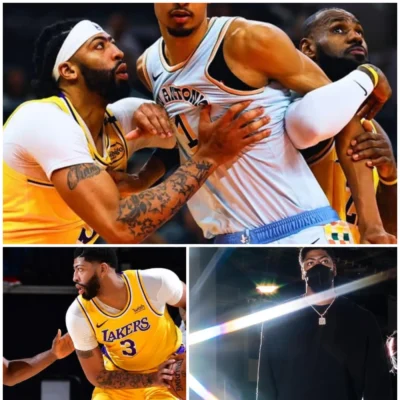









What Makes Dalton Knecht a Nightmare Matchup for Defenders
In the modern NBA, where versatility and scoring depth define elite talent, few rising stars have turned heads like Dalton Knecht. After a sensational senior season at the University of Tennessee, Knecht quickly became one of the most intriguing prospects in the 2024 NBA Draft. Now, having made his summer league debut, it’s clear: Knecht is a nightmare matchup for defenders — and not just because of his numbers.
A Scoring Arsenal Built for Mismatches
Dalton Knecht doesn’t just score — he scores in nearly every conceivable way. Standing 6-foot-6 with a strong frame and silky shooting form, he presents immediate problems for most wing defenders. His ability to post up smaller guards and beat slower wings off the dribble makes him extremely difficult to contain one-on-one.
But it’s his balance of physicality and finesse that sets him apart. He can pull up from deep with confidence, hit midrange jumpers off screens, and finish with contact at the rim. Few rookies enter the league with a complete three-level scoring package, but Knecht already possesses that edge.
Defenders are constantly put on their heels because Knecht can shift gears, absorb contact, or create space using clever footwork and body angles. Closeouts become a gamble — jump too hard, and he’ll drive; sag off, and he’ll make you pay with a jumper.

Elite Off-Ball Movement Makes Him Deadly Without Touches
While many young wings thrive on isolation plays, Knecht’s off-ball movement makes him just as dangerous without the ball. He times his cuts well, relocates efficiently, and knows how to use screens to force defenders into difficult positions.
He’s especially adept at curling off pin-downs and fading into open pockets around the arc. His activity away from the ball forces defenders to constantly track him — and even minor lapses often result in wide-open shots.
This movement-heavy style fits beautifully into modern NBA offenses, where spacing and flow take priority over hero-ball. It also makes Knecht less reliant on dominating possessions, making him a seamless fit alongside established stars.
Quick First Step and Controlled Pacing
Knecht’s first step is deceptively quick, and he pairs it with great control of tempo. Instead of relying purely on speed, he changes pace frequently, luring defenders into momentary freezes before attacking.
His dribble package is tight and efficient, allowing him to navigate tight coverage or closeouts. He doesn’t need flashy moves — his timing, body control, and confidence get the job done.
Once he gets a step, Knecht excels at finishing through contact or stopping on a dime for a soft pull-up jumper. His athleticism may not jump off the screen, but his ability to create separation consistently makes him a reliable offensive weapon.
Mental Edge: Confidence and Competitive Drive
Beyond his physical tools, Knecht plays with a quiet confidence and burning competitiveness. His journey — from Northern Colorado to Tennessee — wasn’t a blue-chip path. He had to earn his respect the hard way, climbing from mid-major obscurity into national prominence.
That experience sharpened his mental edge. At Tennessee, he became one of the SEC’s most dominant scorers, often carrying the team offensively. His poise in pressure situations and willingness to take tough shots speaks volumes about his mindset.
He thrives under the spotlight, a trait that translates well to the NBA where confidence often determines whether a young player sinks or swims.
Defensive Awareness and Physical Commitment
While scoring is his calling card, Knecht’s defense is far from a liability. He’s a willing and engaged defender who uses his size (6’6″, ~210 lbs) to stay in front of most wings and contest shots. His lateral quickness and recovery instincts are solid, even if not elite.
More importantly, he gives consistent effort. He fights through screens, boxes out well, and understands basic rotations. He’s unlikely to be a lockdown defender early in his career, but he won’t be a target either.
As his defensive instincts sharpen, particularly with NBA coaching, he could grow into a solid two-way contributor — adding more value on both ends of the court.
College Dominance: The Numbers Behind the Hype
During the 2023–24 NCAA season, Knecht averaged 21.7 points, 4.9 rebounds, and shot 39.7% from three-point range on high volume. Against elite defenses in the SEC, he consistently performed, including marquee games where he dropped 30+ points.
He wasn’t just a volume scorer — he was efficient and clutch. He had multiple late-game performances that showcased his ability to take over when it mattered most.
Scouts were impressed by his combination of production, maturity, and polish. His decision to stay a full four years in college allowed him to refine his skills and arrive in the NBA more prepared than many one-and-done prospects.
Perfect Fit in the Modern NBA
Knecht’s game is tailor-made for today’s NBA. He thrives in spacing, works well in motion offenses, and doesn’t need the ball in his hands every possession to be effective. That means he can play next to ball-dominant stars or function as a scoring anchor in bench units.
His ability to catch-and-shoot, attack closeouts, and punish defensive lapses makes him a dream player for coaches who prioritize fluidity and decision-making.
In many ways, he resembles players like Kevin Huerter, Buddy Hield, or even Desmond Bane — smart, strong wings with excellent shooting and enough off-the-dribble creativity to command attention.

Projected NBA Impact: What to Expect in Year One
Knecht landed with the Los Angeles Lakers in the 2024 NBA Draft, and the fit couldn’t be better. The Lakers were in desperate need of floor spacing and bench scoring, and Knecht immediately addresses both.
In Summer League, he showed flashes of what made him special — deep shooting, smart movement, and confident scoring in rhythm. While there will be an adjustment period (as there is for all rookies), don’t be surprised if Knecht becomes one of the more NBA-ready rookies in his class.
With proper development and consistent minutes, he could average 10–12 points per game as a rookie — and that’s just the beginning.
Conclusion: The Nightmare Is Just Beginning
Dalton Knecht is not just another rookie. He’s a multi-dimensional scorer with high-level feel, toughness, and polish. He attacks defenders in countless ways — with and without the ball — and forces opposing teams to constantly adapt.
His versatility, mental sharpness, and NBA-ready game make him one of the toughest young matchups in the league today. He’s not the loudest player, but he lets his game do the talking — and it screams “problem” for anyone trying to guard him.
For teams game-planning against him, the nightmare is real — and it’s just getting started.
Related News