



Tory Lanez’s Freestyle Lil Wayne Song Sparked Drake’s Latest War With Rob Markman
When it comes to rap culture, few things generate as much buzz as a Drake diss. The Toronto superstar has once again made headlines, this time by taking a jab at music journalist Rob Markman. In a surprising move, Drake shared a resurfaced clip of Tory Lanez rapping Lil Wayne, using it as a way to throw shade and stir up conversation across the hip-hop community.
The incident highlights not only Drake’s reputation for witty comebacks and subtle shots but also the ongoing dialogue between artists, journalists, and fans in the digital era. Let’s dive deeper into what happened, why it matters, and how it reflects larger themes in hip-hop culture.
The Context: Drake and Rob Markman
To understand the situation, it’s important to first recognize who Rob Markman is in the world of hip-hop. He is a respected music journalist and a figure known for his interviews, commentary, and sharp takes on rap culture. Over the years, he has earned credibility for dissecting lyrics, analyzing industry trends, and offering unfiltered perspectives.
Drake, meanwhile, is no stranger to criticism from the media. Despite being one of the most commercially successful artists of all time, he has often faced skepticism about his artistry, songwriting, and authenticity. Rob Markman, like many journalists, has previously commented on Drake’s music and career choices.
It seems that one of these commentaries may have struck a nerve, as Drake recently decided to fire back in his own way.
The Resurfaced Clip of Tory Lanez
Drake’s diss came in the form of an unexpected throwback: a video clip of Tory Lanez rapping Lil Wayne’s lyrics. By posting this resurfaced moment, Drake wasn’t simply showcasing Tory’s talent—he was indirectly shading Rob Markman, suggesting that journalists and critics may underestimate artists while failing to grasp the full scope of their abilities.
Lil Wayne, Drake’s longtime mentor and label head under Young Money Entertainment, has always been a cornerstone of Drake’s career. By invoking Wayne in the diss, Drake not only reminded everyone of his close connection to rap royalty but also highlighted the lyrical weight of the Lil Wayne legacy.
The clip, in this context, wasn’t random. It was Drake’s way of weaponizing nostalgia, using it as a pointed response to criticism.
Why the Drake Diss Matters
Drake’s choice to use a resurfaced clip rather than a new freestyle or a direct lyrical diss is telling. It shows how artists today engage in cultural battles differently. Instead of relying solely on music, they now use social media moments, memes, and viral content to send messages.
For Rob Markman, being singled out by Drake is significant. It underscores the often tense relationship between artists and journalists—where critique and artistry clash in a public forum. For Drake, it was yet another reminder that he does not shy away from confrontation, even when it comes from someone outside the recording booth.
Drake and the Art of the Subtle Diss
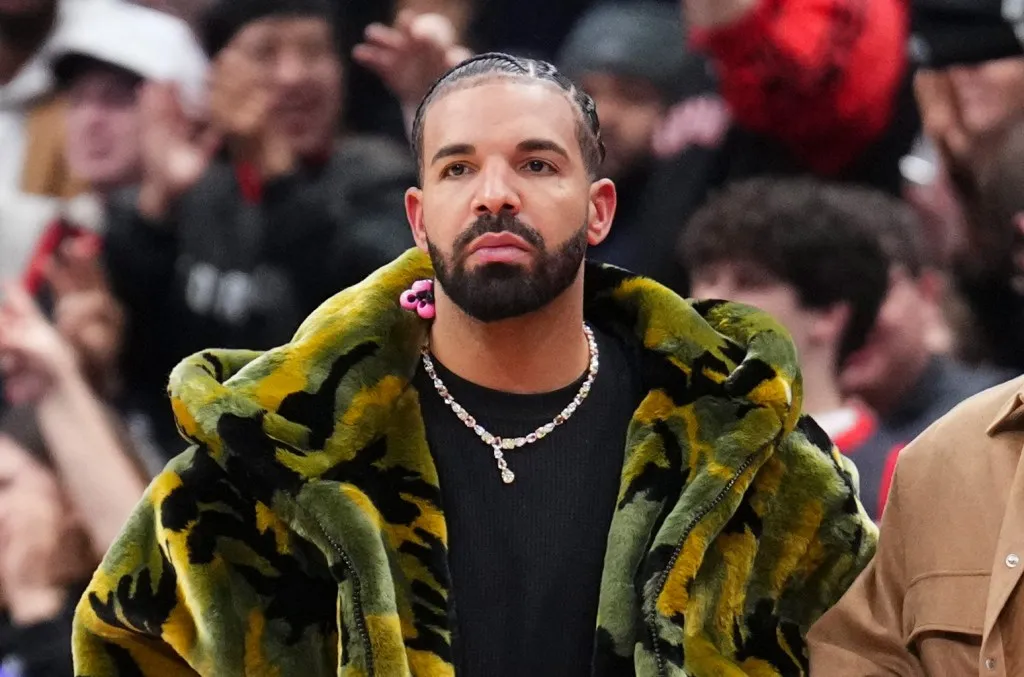
This is far from the first time Drake has delivered a carefully crafted jab. Over the years, he has perfected the art of the subtle diss, often leaving fans to decode hidden messages in his lyrics, interviews, or online activity.
-
Meek Mill Feud (2015): Drake responded to ghostwriting allegations with “Back to Back,” a diss track that not only silenced critics but became a chart-topping hit.
-
Pusha T Clash (2018): Although Pusha’s “The Story of Adidon” landed a heavy blow, Drake’s earlier shots demonstrated his willingness to engage head-on.
-
Kendrick Lamar Tension: Subtle lines sprinkled across songs have fueled speculation about an ongoing rivalry.
In this case, by targeting Rob Markman, Drake expanded his diss list beyond fellow rappers, showing that journalists aren’t immune to being called out when they critique an artist of his stature.
The Role of Lil Wayne in the Diss
It’s impossible to overlook the significance of Lil Wayne in this story. As Drake’s mentor and the man who signed him to Young Money, Wayne’s influence has shaped Drake’s career in countless ways.
By resurfacing a clip of Tory Lanez rapping Lil Wayne, Drake tied the diss back to his roots, invoking the credibility of one of the greatest rappers alive. The message was clear: criticizing Drake means indirectly questioning the legacy he comes from.
This connection made the diss more powerful, because it aligned Drake with his mentor’s legendary lyrical skills while casting doubt on the authority of those critiquing him.
Tory Lanez’s Involvement
Although Tory Lanez wasn’t the main target of the situation, his presence in the clip added an extra layer of intrigue. Known for his versatile rapping and singing ability, Tory has often been compared to Drake, with both artists representing Toronto’s vibrant music scene.
By highlighting Tory rapping Lil Wayne, Drake not only shaded Rob Markman but also reminded fans of the strength of Toronto’s musical exports. It was a way of reinforcing the city’s reputation as a hub of talent.
Social Media Reactions
As expected, the internet lit up following Drake’s diss. Fans debated the meaning of the clip, whether Drake was being petty, and how Rob Markman would respond. Social media thrives on moments like these, where small actions from major celebrities spiral into larger cultural conversations.
Hashtags, memes, and commentary poured in, showing once again that Drake knows how to control the narrative. Even without releasing a new song, he managed to dominate headlines and conversations across platforms.
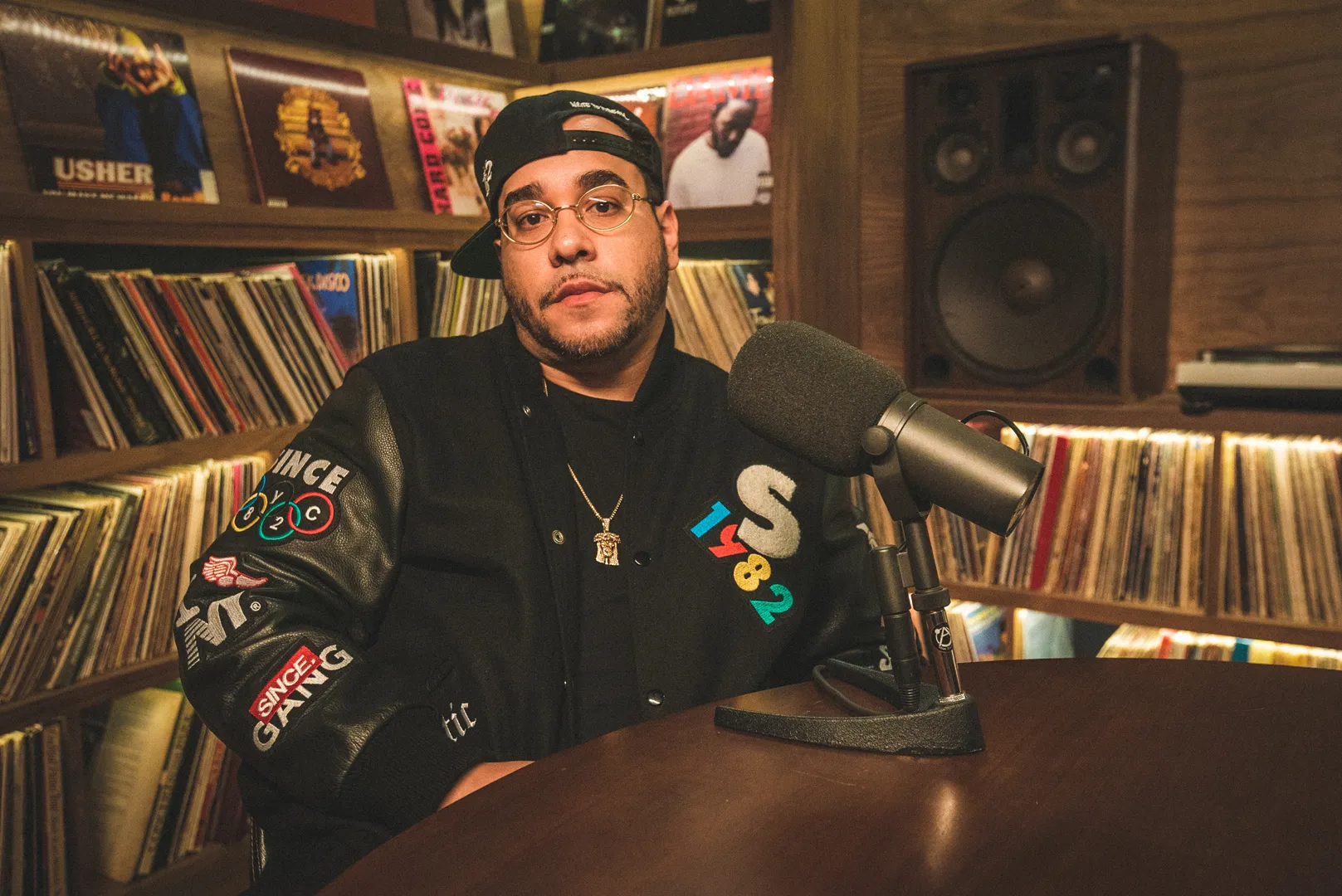
Journalists vs. Rappers: An Ongoing Tension
This incident highlights a broader issue in hip-hop: the often tense relationship between journalists and rappers. Artists rely on media coverage to amplify their work, but they also bristle at criticism, especially when it questions their artistry or credibility.
Rob Markman has long been respected for his in-depth knowledge of hip-hop, but being called out by Drake shows how fragile the line can be between critique and confrontation. For fans, it’s a reminder that hip-hop is built on dialogue and debate, where every perspective—artist or journalist—carries weight.
Drake’s Legacy of Control
Ultimately, this diss is about more than Rob Markman. It’s about Drake reinforcing his dominance in a cultural landscape where perception matters as much as sales. By resurfacing a clip, he controlled the narrative, directed attention where he wanted, and reminded fans that he’s always watching what people say about him.
This mastery of media moments is part of why Drake remains at the top. Whether through a chart-topping album, a meme-worthy diss, or a viral clip, he ensures the spotlight never strays far from him.
Final Thoughts
So, what does it mean that Drake dissed Rob Markman with a resurfaced clip of Tory Lanez rapping Lil Wayne? At its core, it’s another example of how Drake operates in today’s media-driven world: subtle, strategic, and effective.
By leveraging nostalgia, invoking Lil Wayne’s influence, and highlighting Tory Lanez’s talent, Drake delivered a multi-layered diss that resonated far beyond a single journalist. It sparked conversations about artistry, criticism, and credibility—topics that sit at the heart of hip-hop culture.
In the end, the move reminded everyone that Drake is more than just a hitmaker; he’s a master of cultural chess, always one step ahead in keeping his name in the headlines.
Related News