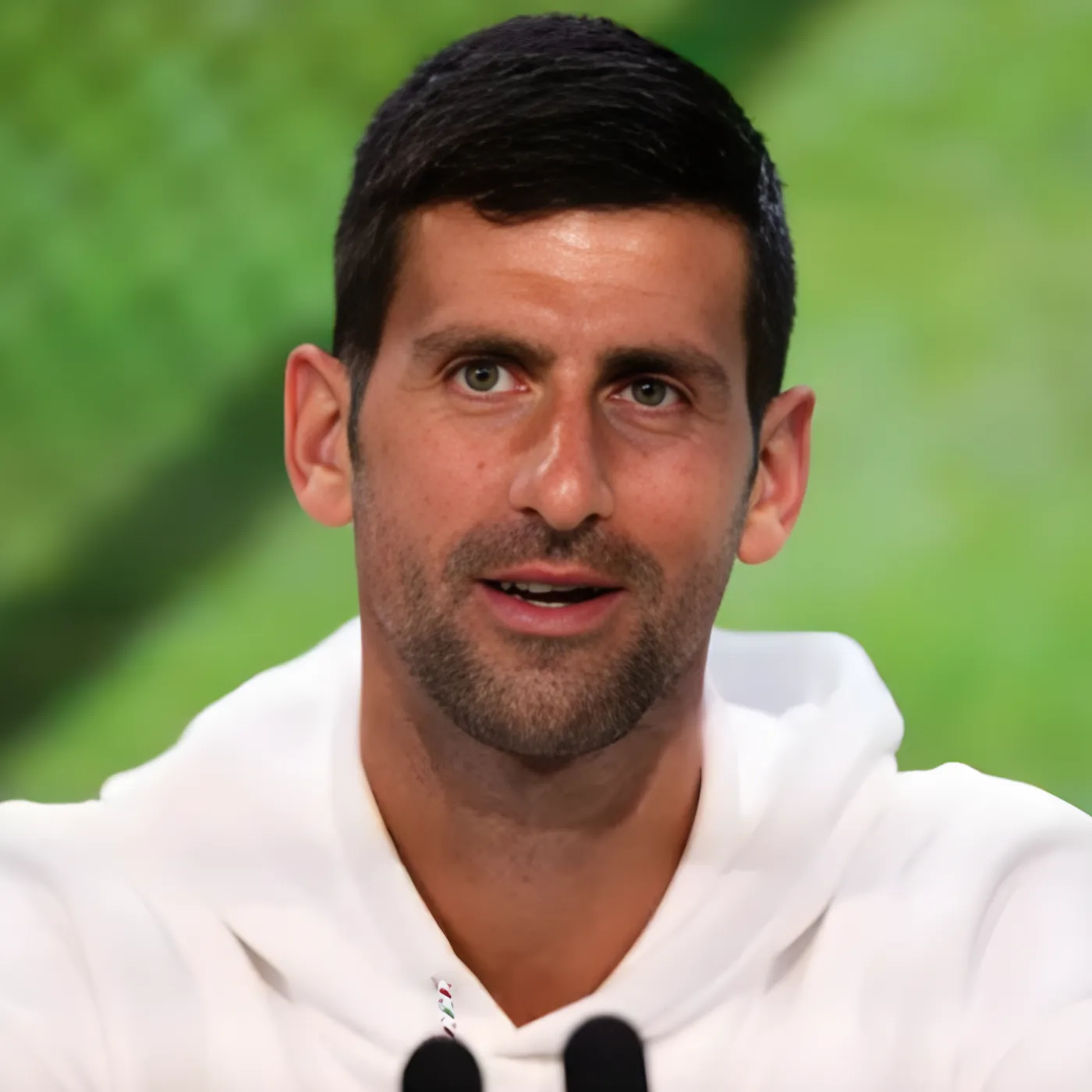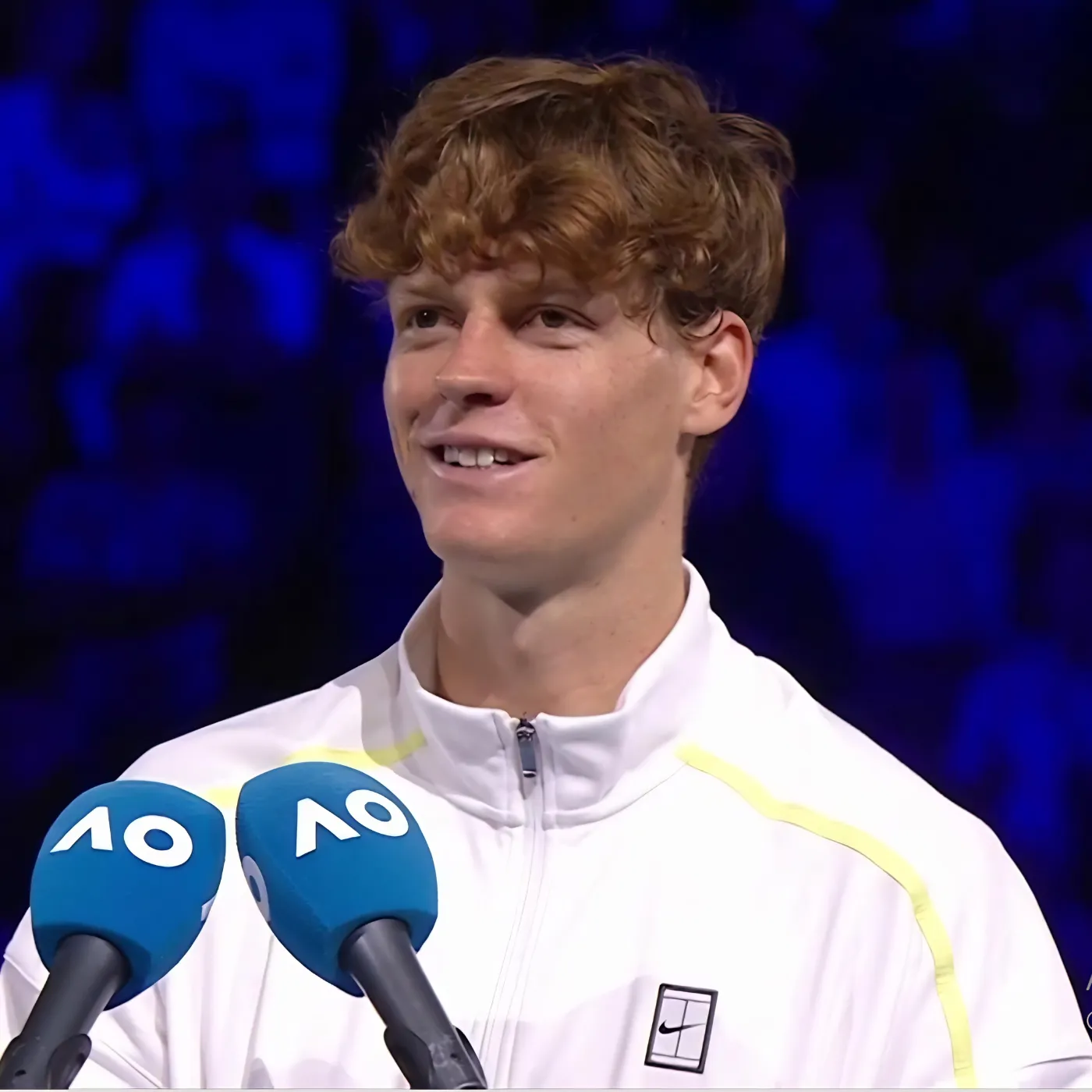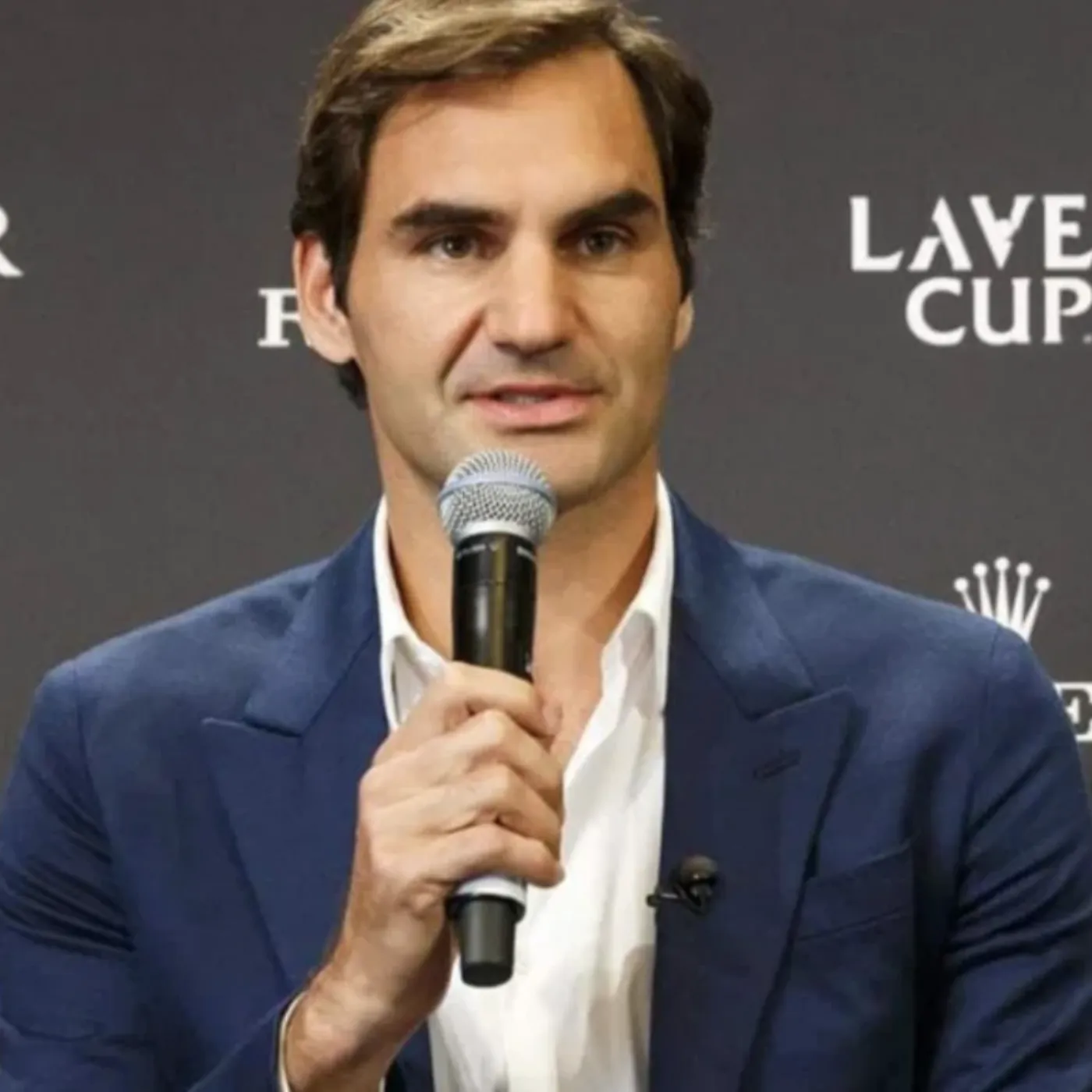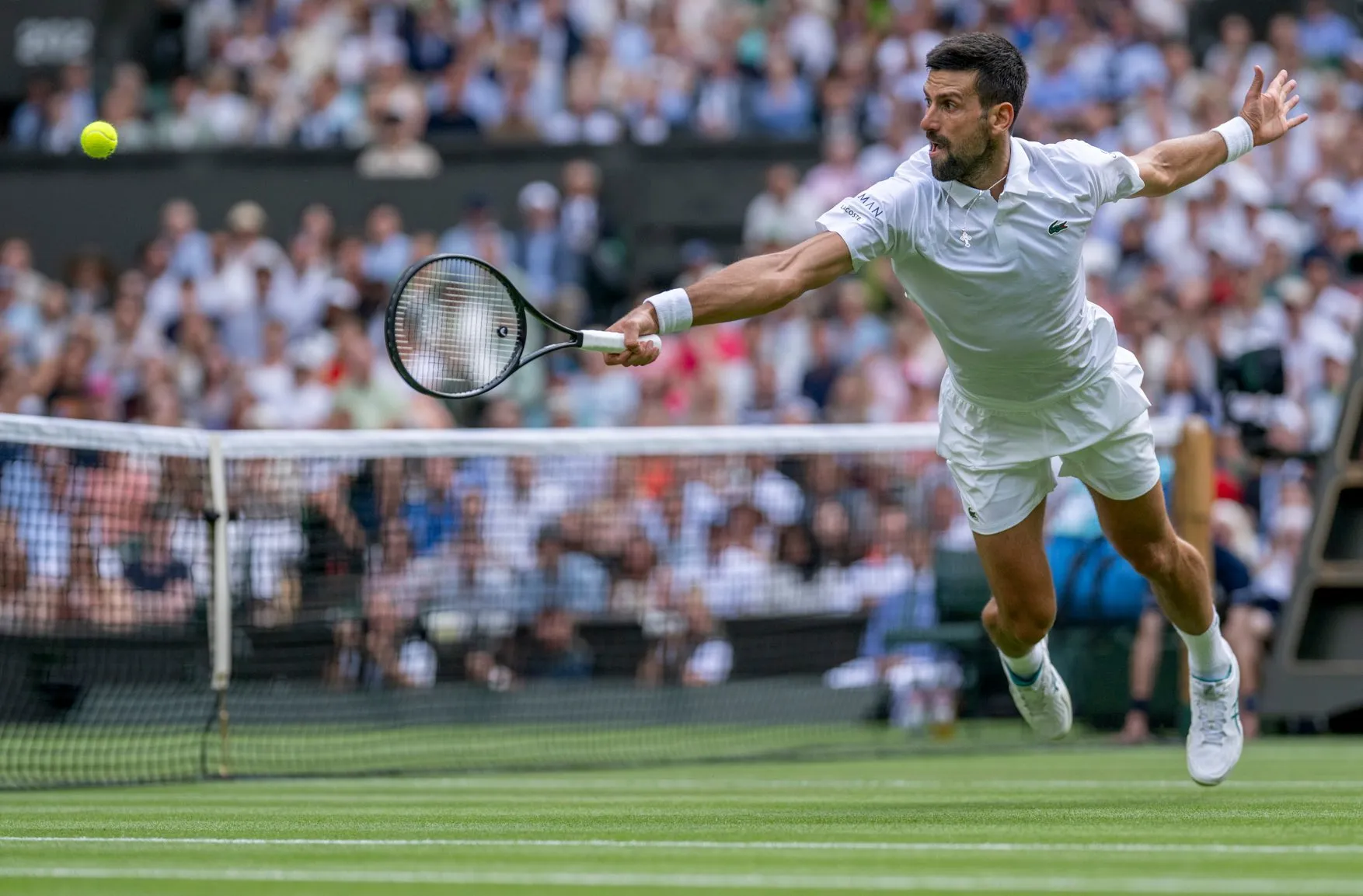
They Called It the Big 3 — But the Numbers Don’t Lie: Novak Djokovic Quietly Built a Dynasty While Federer and Nadal Faded
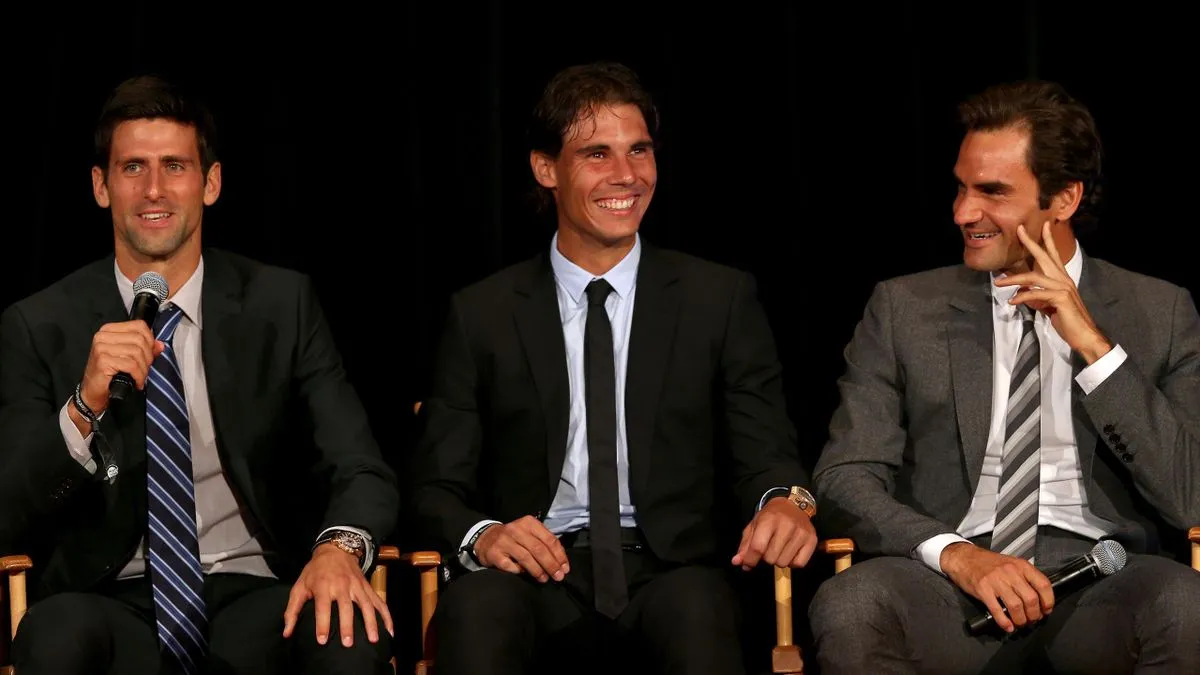
In the history of modern tennis, few narratives have captured the imagination of fans as profoundly as the saga of the Big 3 — Roger Federer, Rafael Nadal, and Novak Djokovic. For over two decades, these three icons redefined the sport, pushed each other to unfathomable limits, and shared the greatest rivalries tennis has ever seen. But as the dust settles on their glittering careers, a sober look at the numbers paints a story that diverges sharply from the sentimental narrative often spun by media and fans. While Federer enchanted crowds with his grace and Nadal inspired awe with his warrior spirit, it was Djokovic who, quietly and relentlessly, constructed a dynasty that overshadows them both. The numbers do not simply favor Djokovic; they underscore a legacy of sustained dominance, adaptability, and mental fortitude that stands unparalleled in the sport’s annals.
The Myth Versus the Metrics
For years, the tennis world clung to the romance of Federer’s elegance and Nadal’s gladiatorial grit. Federer was celebrated as the artist, the man whose forehand was a brushstroke and whose movement seemed choreographed to music. Nadal, meanwhile, was the fighter, a clay-court king whose unmatched physicality and resilience gave birth to his legendary status at Roland Garros. Djokovic entered this scene as the outsider, a foil to the established order, often dismissed as mechanical or lacking the artistry of his rivals.
Yet as the years unfolded, the metrics began to shift in his favor. Djokovic not only matched his rivals’ achievements but often surpassed them, particularly in head-to-head encounters and on the biggest stages. While Federer and Nadal were lionized for their style and symbolism, Djokovic quietly compiled a resume of records that no longer leaves room for debate about his standing in history. He now sits atop the leaderboard in Grand Slam titles, Masters 1000 titles, and weeks spent as World No. 1 — categories once unthinkable for anyone to dominate so thoroughly.
The myth of the Big 3 as equals was compelling, but the numbers don’t lie: Djokovic has separated himself.
Grand Slam Supremacy: The Pinnacle of Tennis Achievement
At the core of any discussion about tennis greatness lies the question of Grand Slam titles. Federer first broke through the ceiling, setting the once-thought unbreakable bar at 20 Slams. Nadal, riding his unprecedented dominance at Roland Garros, eventually surpassed that mark. But Djokovic didn’t just catch up — he passed them both. Each victory brought him closer to rewriting history, but what stands out is his ability to dominate across all surfaces, in all conditions, and against all opponents.
Djokovic’s supremacy is particularly striking when you examine his distribution of Grand Slam victories. Unlike Nadal, whose tally leans heavily on the clay of Paris, Djokovic has demonstrated a balance across surfaces unmatched in history. He has conquered Melbourne with a consistency that borders on absurdity, thrived on the grass of Wimbledon, adapted his game to the unforgiving hard courts of New York, and even toppled Nadal in his kingdom at Roland Garros. This breadth of dominance reflects not only technical brilliance but also a rare capacity for adaptation, evolving his game to remain at the top as the sport itself changed.
The Head-to-Head Decider
If numbers are the great equalizer, head-to-head records are where Djokovic’s case for dominance becomes ironclad. Against Federer and Nadal — the very rivals with whom he shares the Big 3 label — Djokovic holds a winning record. This isn’t a minor statistical footnote; it’s the embodiment of his ability to rise to the moment when facing his most formidable opponents. Federer, for all his majesty on grass, could not hold off Djokovic at Wimbledon in their latter clashes, including the historic 2019 final where Djokovic saved two championship points. Nadal, whose iron grip on Roland Garros was once unbreakable, has been beaten there by Djokovic more than once — something no other player has achieved in such a fashion.
These encounters weren’t just matches; they were psychological battles, and Djokovic proved again and again that he could outlast, outthink, and outfight the legends of his era. His mental resilience in tiebreaks, five-set marathons, and comeback situations elevated him from great to untouchable.
The Longevity of Greatness
Where Federer’s elegance eventually met the limits of age and Nadal’s physical intensity took its toll on his body, Djokovic continues to defy time. His longevity is not a coincidence but the product of a meticulously engineered approach to his career — from his nutrition and fitness to his match scheduling and psychological preparation. While others succumbed to injuries or burnout, Djokovic reinvented himself multiple times, refining his game and even overhauling his serve to maintain his edge.
Even in his mid-thirties, Djokovic remains a fixture at the pinnacle of the sport, not merely clinging to relevance but setting new records. His ability to maintain peak performance well into an age bracket where most champions have faded is a testament to his discipline and strategic thinking — traits often overshadowed by discussions of his personality or on-court demeanor but central to his enduring success.
Masters of All: Djokovic’s Record at ATP Masters 1000 Events
Beyond the Slams, Djokovic’s dominance extends to the ATP Masters 1000 circuit, a grueling test of consistency across varied conditions and surfaces. He holds the record for the most titles at this level and remains the only player in history to complete the Career Golden Masters — winning all nine Masters 1000 tournaments. And then he did it twice. This statistic alone sets him apart, revealing his unparalleled adaptability and his hunger to excel in every arena the tour has to offer.
Federer and Nadal, despite their brilliance, have gaps in their Masters resumes. Djokovic has none. His mastery of the calendar’s toughest non-Slam events underscores that his dominance is not confined to the sport’s four crown jewels but extends across the entire competitive landscape.
Mental Fortitude: The Intangible That Made the Difference
When chronicling Djokovic’s dynasty, it is impossible to ignore the role of his mental toughness. In an era defined by champions, Djokovic carved out his empire by thriving under the sport’s most suffocating pressures. Whether facing hostile crowds, enduring marathon matches, or shouldering the burden of expectations, he emerged not just as a competitor but as a psychological juggernaut.
His record in deciding sets, his dominance in tiebreaks, and his ability to reverse momentum in matches that seemed lost speak to an inner steel unmatched by any of his contemporaries. This fortitude allowed him to outlast not only Federer and Nadal but also a younger generation of challengers eager to unseat him. The term “clutch” scarcely captures the depth of his competitive fire; for Djokovic, pressure is not an obstacle but a proving ground.
The Fade of Federer and Nadal
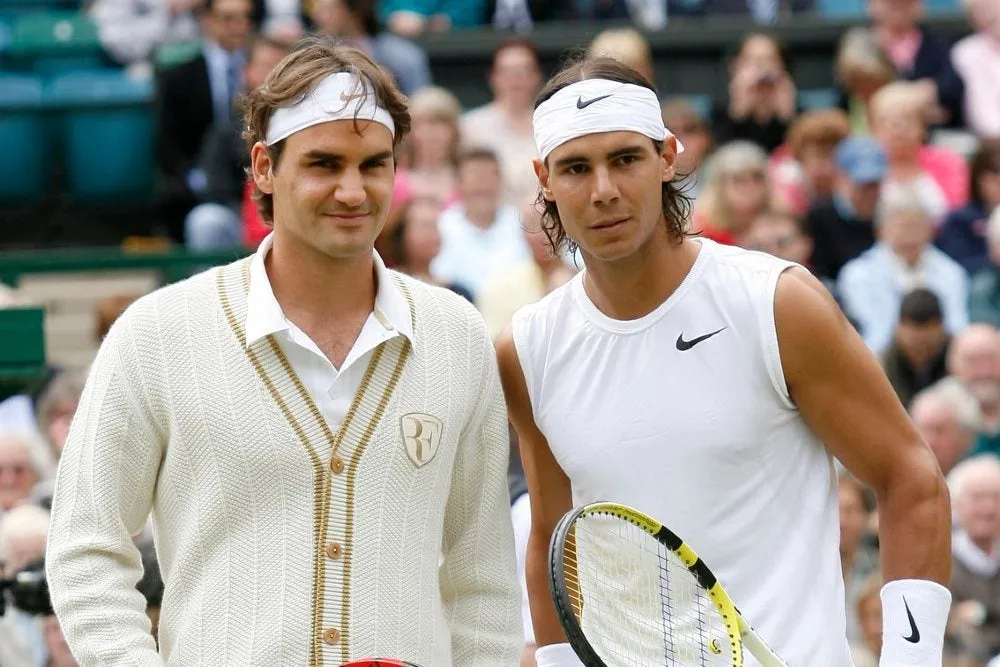
The twilight years of Federer and Nadal, though softened by tributes and nostalgia, are stark when contrasted with Djokovic’s trajectory. Federer’s career, hampered by injuries and surgeries, effectively ended with his graceful retirement, leaving his Grand Slam count frozen and his once-commanding position eclipsed. Nadal, whose body endured years of punishing baseline battles, now appears at the edge of his own farewell, struggling to sustain his former dominance.
Meanwhile, Djokovic marches on, redefining what longevity means in tennis, chasing new milestones, and widening the gap that once appeared unbridgeable. This divergence underscores a truth that many fans resist: while Federer and Nadal were beloved, Djokovic was relentless — and it is that relentlessness that secured his place as the era’s ultimate champion.
Legacy Beyond the Numbers
Numbers alone cannot capture the full measure of a legacy, but they offer a compelling framework for understanding it. Djokovic’s legacy is one of completeness — a player who excelled on every surface, dominated every rival, and sustained greatness longer than anyone imagined possible. He built his dynasty in the shadows of two of the most celebrated figures in sports history, enduring boos, skepticism, and the burden of being the perennial outsider. Yet when the story of this golden era is told without sentimentality, Djokovic stands as its most dominant figure, the one who turned the Big 3 from a trio of equals into a hierarchy with himself at the summit.
The romance of Federer’s artistry and the mythology of Nadal’s resilience will always hold a special place in tennis lore. But if greatness is measured by achievements, head-to-head battles, and the ability to reign across eras, surfaces, and circumstances, then the numbers leave no room for doubt.
Related News