







The Other Side of the Stage: What You Didn’t See About Carl Cox’s Malta Takeover
When Carl Cox steps on stage, thousands of fans scream his name, beats thunder through the air, and lights explode into dazzling symphonies. But what the crowd doesn’t see is just as fascinating as the show itself. Behind every bass drop and every euphoric cheer lies a world of human stories, technical mastery, quiet rituals, and small moments that make a massive performance possible.
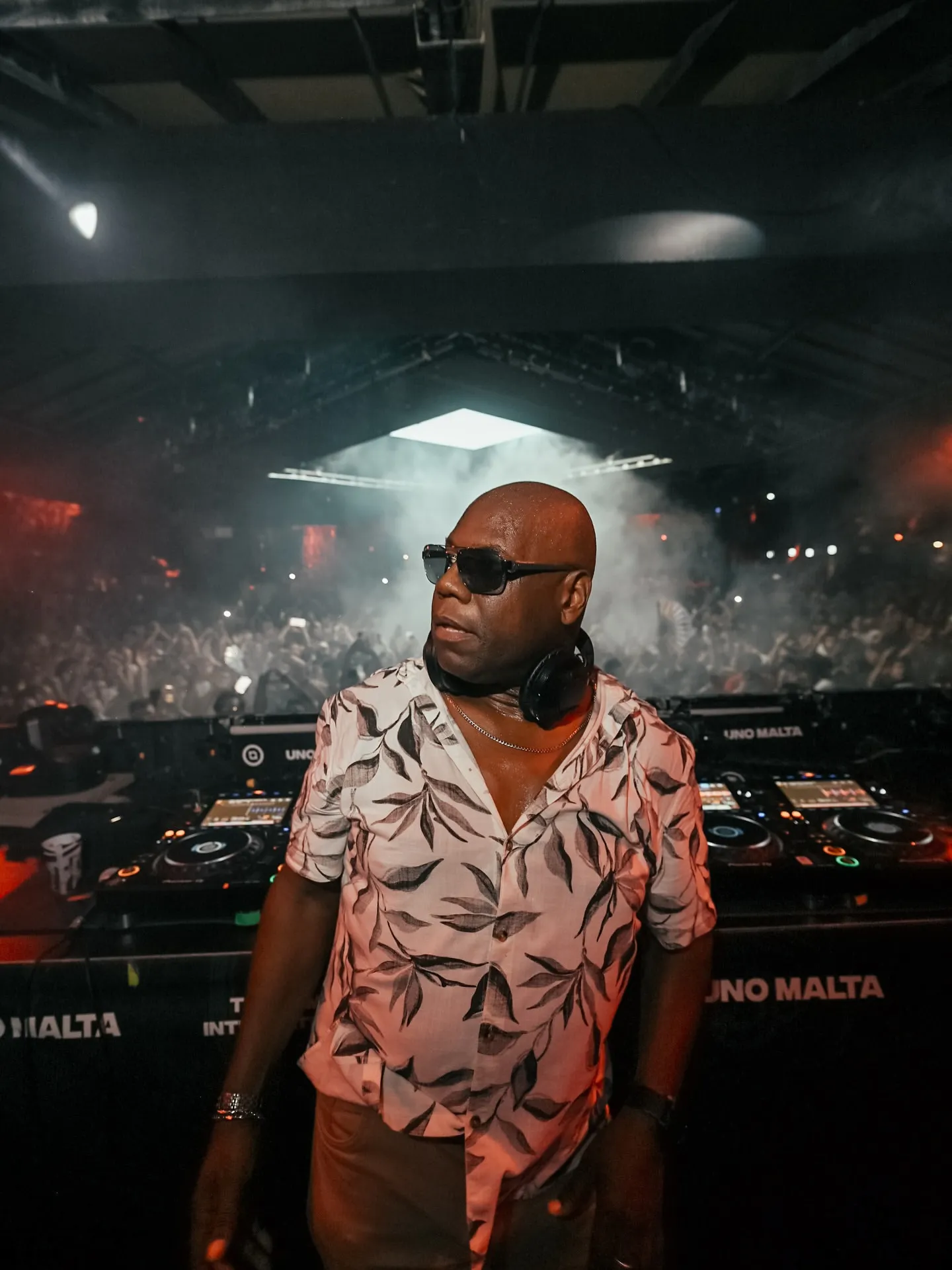
Carl Cox’s takeover of Uno Malta, one of the island’s most iconic nightlife venues, was more than a concert—it was a collective ritual. The energy of the night pulsed through the crowd, but in the background, there were equally powerful narratives: a DJ double-checking his USB, a sound engineer nervously adjusting bass levels, a crew celebrating like family, and young Maltese DJs seeking wisdom from their hero.
This is the other side of the stage—the unseen world that turned Carl Cox’s Malta performance into a cultural memory etched in sound, light, and humanity.
The Moments Before the Stage
A Calm Presence in the Backstage
While most people imagine DJs pacing nervously or isolating themselves before a show, Carl Cox embodies a different spirit. Backstage at Uno Malta, the atmosphere was surprisingly warm and human. Instead of silence or tension, there was laughter. Carl was in the lounge area with his team, sharing jokes, talking about everyday things—food, travels, even random stories about airports. His laughter filled the room, breaking down any sense of hierarchy between legend and crew.
This relaxed energy wasn’t just for his benefit; it spread to the entire team. Technicians who had been working under intense pressure for hours suddenly felt at ease. The security staff, usually stone-faced, cracked smiles. Carl’s ability to humanize the backstage wasn’t rehearsed—it’s simply who he is.
A Ritual of Preparation
As showtime approached, Carl moved toward his DJ table backstage. Instead of obsessively going through technical rehearsals, he practiced what could be called a ritual of balance. He checked his USBs, laptop, and set list—but not in a rigid way. Carl is known for leaving room for spontaneity. He likes to improvise, sensing the crowd in real time and choosing tracks that respond to the energy of the night. His preparation wasn’t about control; it was about being ready to let go.
A Brush With Fans
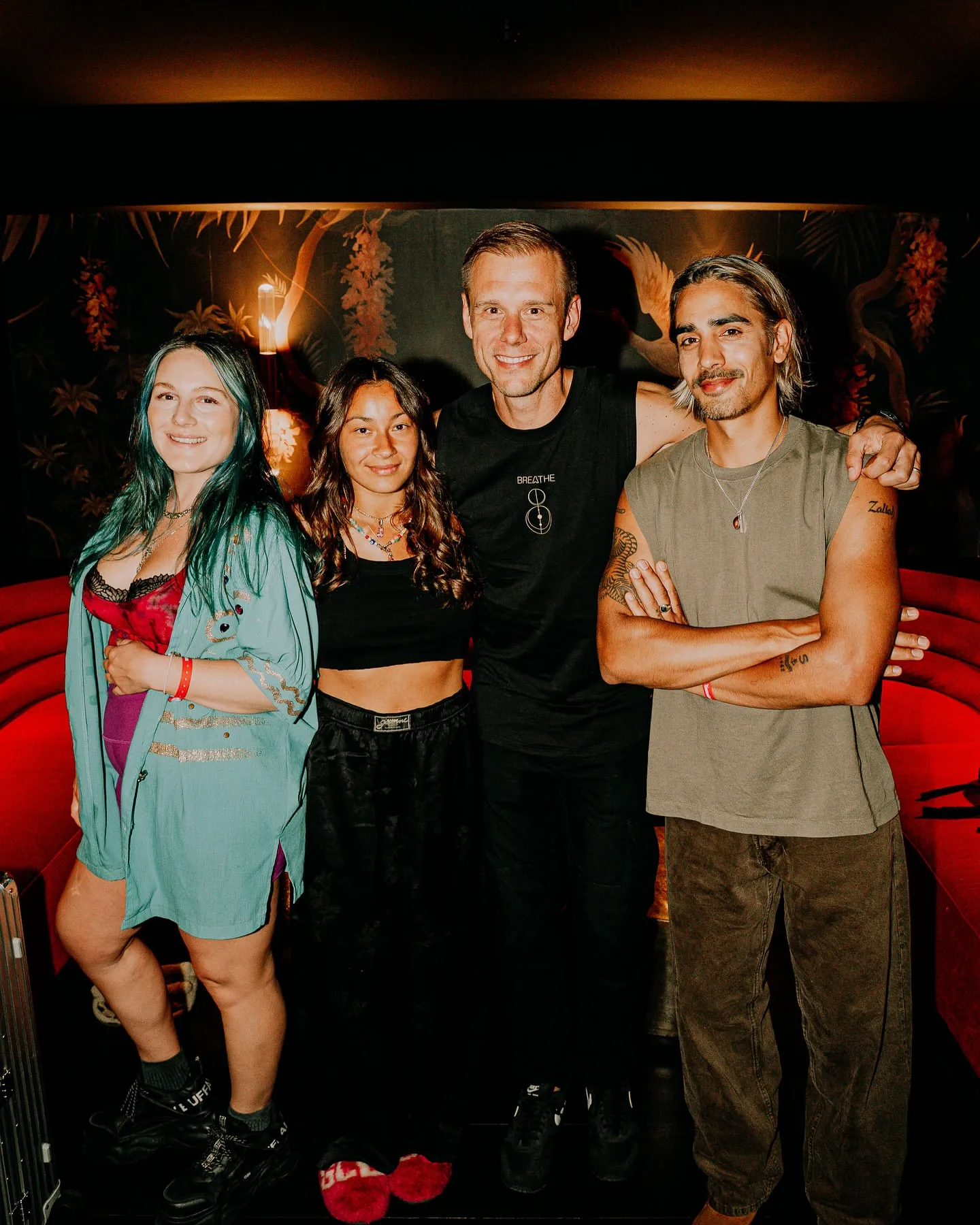
Then came the moment that separated Carl from many other global DJs: connection. A small group of lucky fans had been granted backstage access. They expected a quick handshake, maybe a rushed selfie. Instead, Carl greeted them with genuine enthusiasm. He shook hands, posed for photos, even cracked jokes that left some fans in tears—not of sadness, but of gratitude. For them, this wasn’t just meeting a DJ; it was meeting a man whose music had scored chapters of their lives.
In these moments, before a single beat was dropped, Carl Cox had already performed—not through music, but through humanity.
Inside the Performance
A Symphony of Coordination
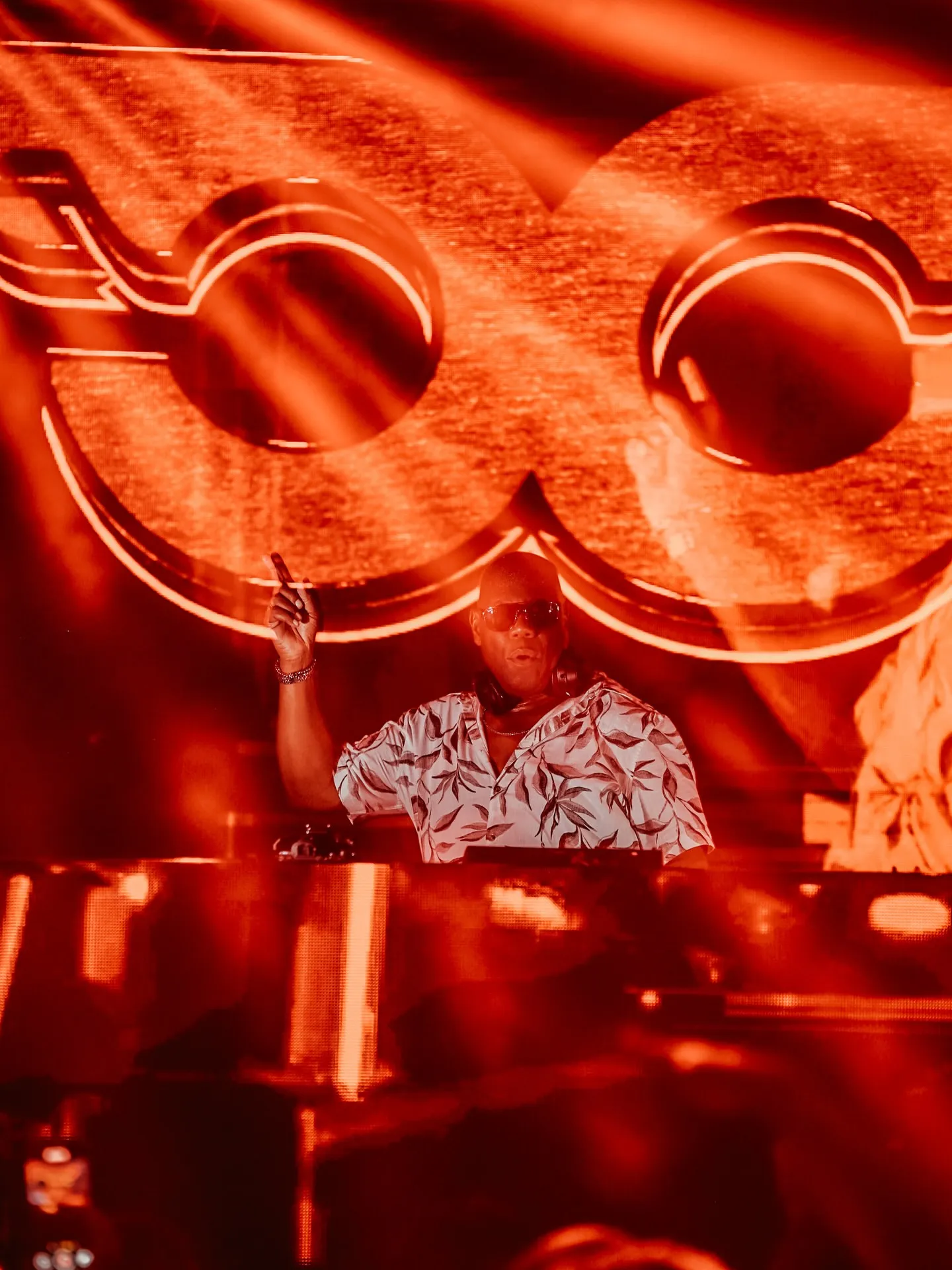
As Carl finally walked onto the stage, the roar was deafening. But while the audience was swept away by the spectacle, backstage and side-stage told another story.
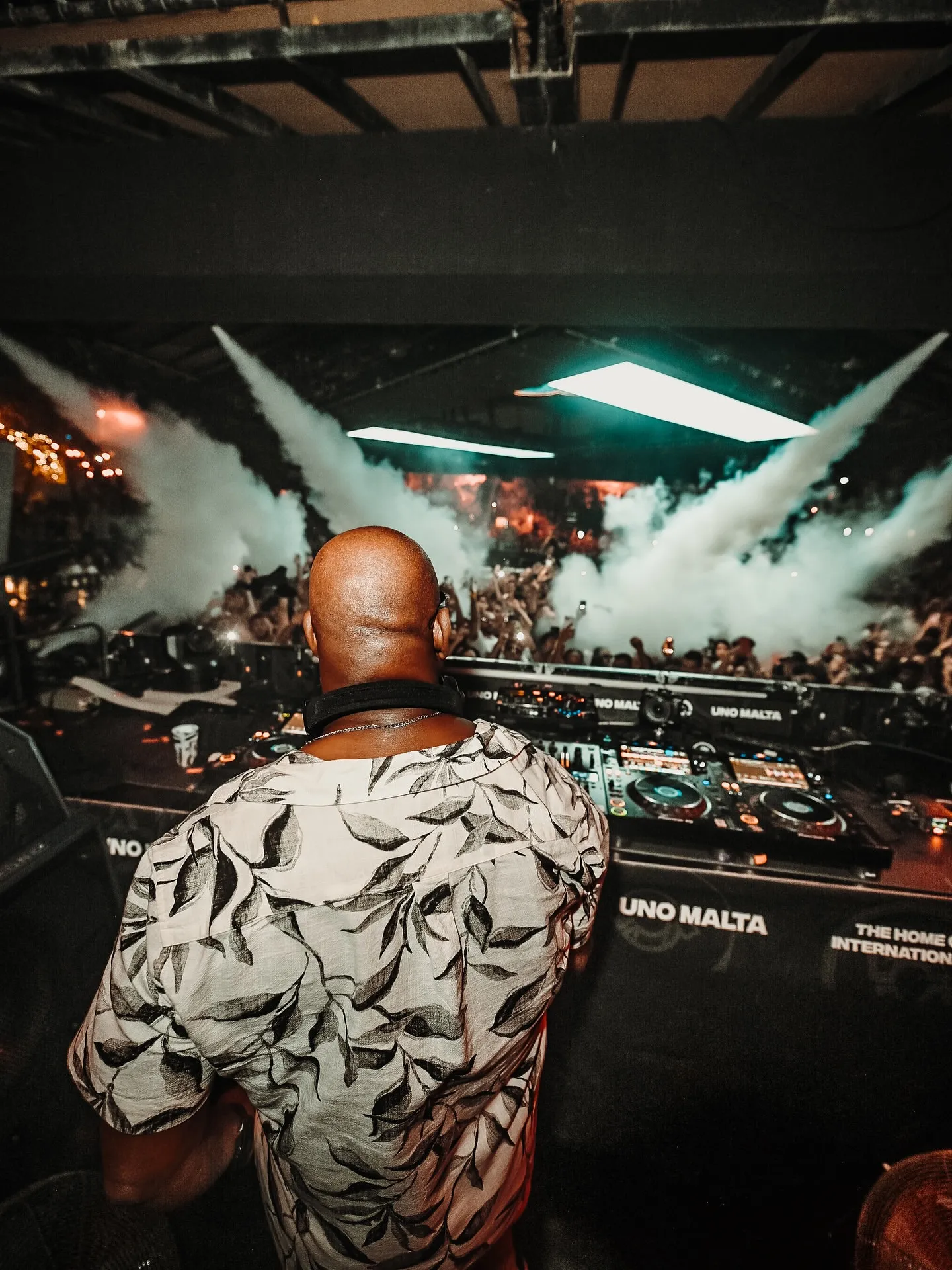
The lighting crew, equipped with headsets, huddled together like generals orchestrating a battle. Every time Carl dropped a track, lasers and visuals burst into motion. To the audience, it looked perfectly rehearsed. In reality, it was a live conversation. Technicians spoke rapidly over radios, syncing lasers, strobes, and video projections with split-second precision. One wrong cue could break the illusion, but the team moved like a single organism.
Meanwhile, the sound engineers lived in constant tension. Malta’s outdoor venues are notoriously tricky because of humidity, acoustics, and massive crowds. Every bass drop risked overwhelming the speakers. They had to continuously fine-tune the system so that the bass was powerful enough to shake the ground, but never distorted. Each cheer from the crowd was both a reward and a new challenge, as engineers scrambled to keep the balance.
The Language of Gestures
Carl, of course, was at the center of it all, not just playing music but communicating with his crew. A nod here, a raised eyebrow there—signals that the crowd never noticed. At one point, when a particularly explosive drop landed and the lights erupted in sync, Carl looked over his shoulder and gave his lighting director a satisfied nod. That nod was worth more than a thousand words. It was proof that this wasn’t just a DJ playing music; it was an orchestra where everyone backstage played an instrument.
Energy as a Collective Ritual
For the fans, the set was transcendent. Every drop, every breakdown, every surge of bass felt like a communal heartbeat. Carl Cox’s sets are not passive experiences—they are collective rituals, where strangers become family under the spell of rhythm. Uno Malta transformed into a temple of sound, with Carl as both priest and participant.
After the Final Track
A DJ Who Doesn’t Leave Right Away
Unlike many headliners who vanish as soon as their set ends, Carl lingered. He stayed at the edge of the stage, waving, reaching out, shaking hands over the barricades. Fans who had screamed for hours found themselves inches away from the man who had orchestrated their joy. These simple gestures deepened the connection—proving that for Carl, the night didn’t end when the music stopped.
Backstage Celebration
Backstage, the energy shifted. Relief swept through the crew. The organizers hugged each other, the lighting team high-fived, and the sound engineers sighed in relief as though they had landed a plane. Months of planning had condensed into a few hours of perfection. The exhaustion was real, but so was the euphoria. This wasn’t just work—it was pride, shared across everyone from managers to security guards.
The Young DJs of Malta
One of the most touching scenes happened far from the spotlight. Several young Maltese DJs waited nervously, clutching USB sticks and dreams. When Carl appeared, they didn’t bombard him with requests; they simply wanted to say thank you. Carl didn’t brush them off. Instead, he listened. He offered advice, the kind that could define a career:
“Play from the heart. Don’t chase fame—let the music speak. If you connect with people, the rest will follow.”
For these aspiring artists, those few minutes of wisdom were priceless. In that backstage corridor, a torch was being passed.
The Human Meaning of It All
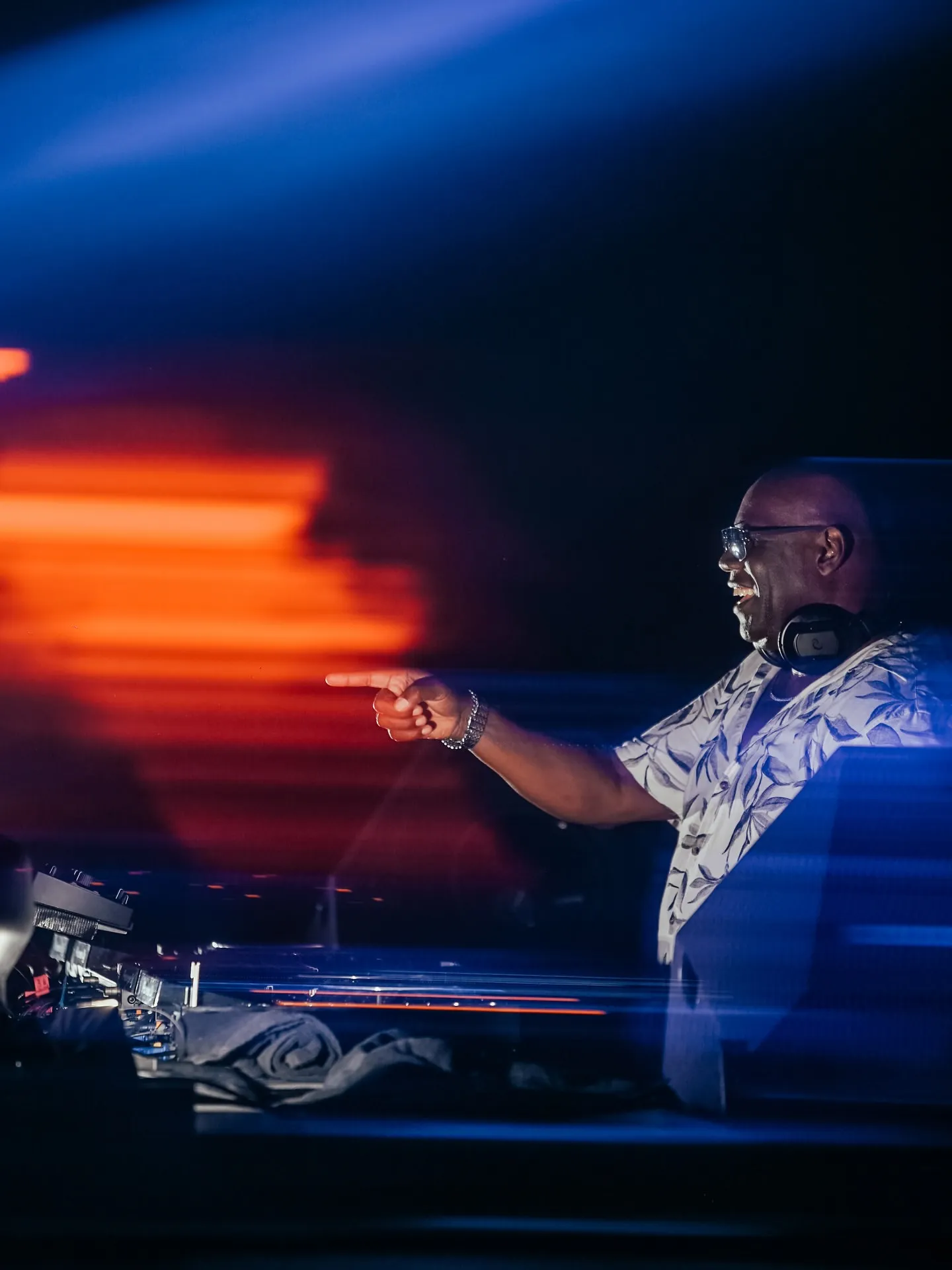
Carl Cox’s Malta takeover was more than a night of beats and lights. It was a reminder that behind every spectacle lies an invisible web of people, emotions, and connections.
-
The Crew: lighting engineers, sound technicians, stage designers, organizers—all invisible to the crowd, yet essential to the ritual.
-
The Fans: not just passive listeners, but co-creators of energy, giving as much as they received.
-
The DJ: not merely a performer, but a conduit—a bridge between sound and soul, between backstage whispers and front-stage roars.
Music, at its best, is not a product. It is a shared human ritual, and Carl Cox embodies that truth.
Conclusion
Carl Cox’s Malta performance at Uno Malta was legendary not just for the music, but for everything unseen. The laughter before the show, the technical ballet during the set, the tears of fans backstage, the sighs of relief from engineers, and the wisdom passed to young DJs—all of these moments made the night unforgettable.
The other side of the stage is where the magic begins. And in Malta, Carl Cox proved once again why he is not just a DJ, but a cultural icon, a mentor, and a living testament to the power of music as a collective ritual.