




Social media users believe Lil Nas X’s arrest is “punishment” for disrespecting God
The Arrest That Sparked Heated Debate
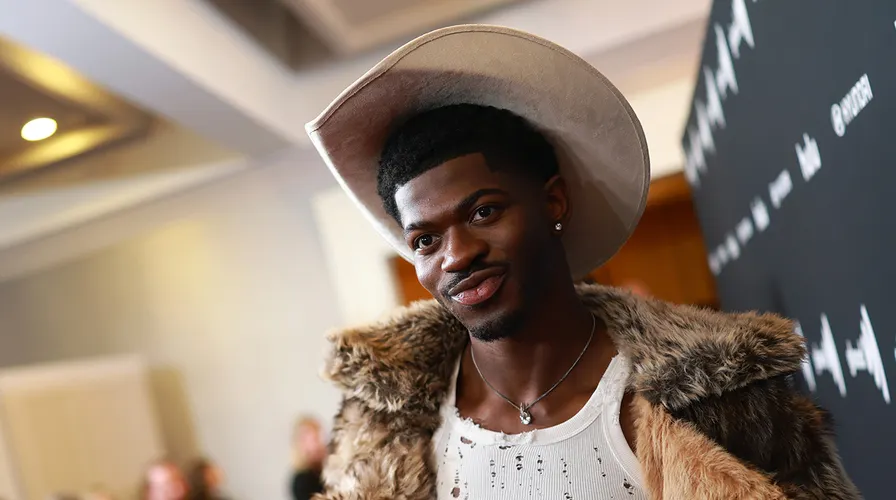
Over the past weekend, Lil Nas X was arrested in Los Angeles, California, and charged with four felonies, including three counts of battery against a police officer and one count of resisting an executive officer. The news immediately went viral, not only because of the high-profile rapper’s fame but also due to the religious backlash that followed his arrest.
Many religious social media users quickly claimed that Lil Nas X’s arrest was divine punishment for what they see as his long history of disrespecting God through his music, visuals, and public persona.
A History of Religious Controversy
Lil Nas X, born Montero Hill, first rose to fame with his record-breaking single “Old Town Road” in 2019. While the track was lighthearted and fun, his career later took a turn toward more experimental and provocative themes, often incorporating religious imagery that stirred significant debate.
Some of the most controversial moments include:
-
“MONTERO (Call Me By Your Name)” – The music video showed Lil Nas X sliding down a stripper pole to hell and giving a dance to the devil. This scene shocked audiences worldwide and drew outrage from many religious groups.
-
Satan-themed sneakers – The rapper released limited-edition sneakers decorated with satanic imagery and even claimed they contained a drop of human blood.
-
“J CHRIST” (2024) – Perhaps his most direct religious reference, the single’s cover depicted Lil Nas X nailed to a cross, while the music video portrayed biblical scenes mixed with dark fantasy elements. The artist captioned the announcement with: “MY NEW SINGLE IS DEDICATED TO THE MAN WHO HAD THE GREATEST COMEBACK OF ALL TIME!”
For many believers, these actions crossed a line, and his recent arrest has reignited conversations about whether his career choices have invited what some call “God’s punishment.”
Social Media Reaction: “Divine Justice or Coincidence?”
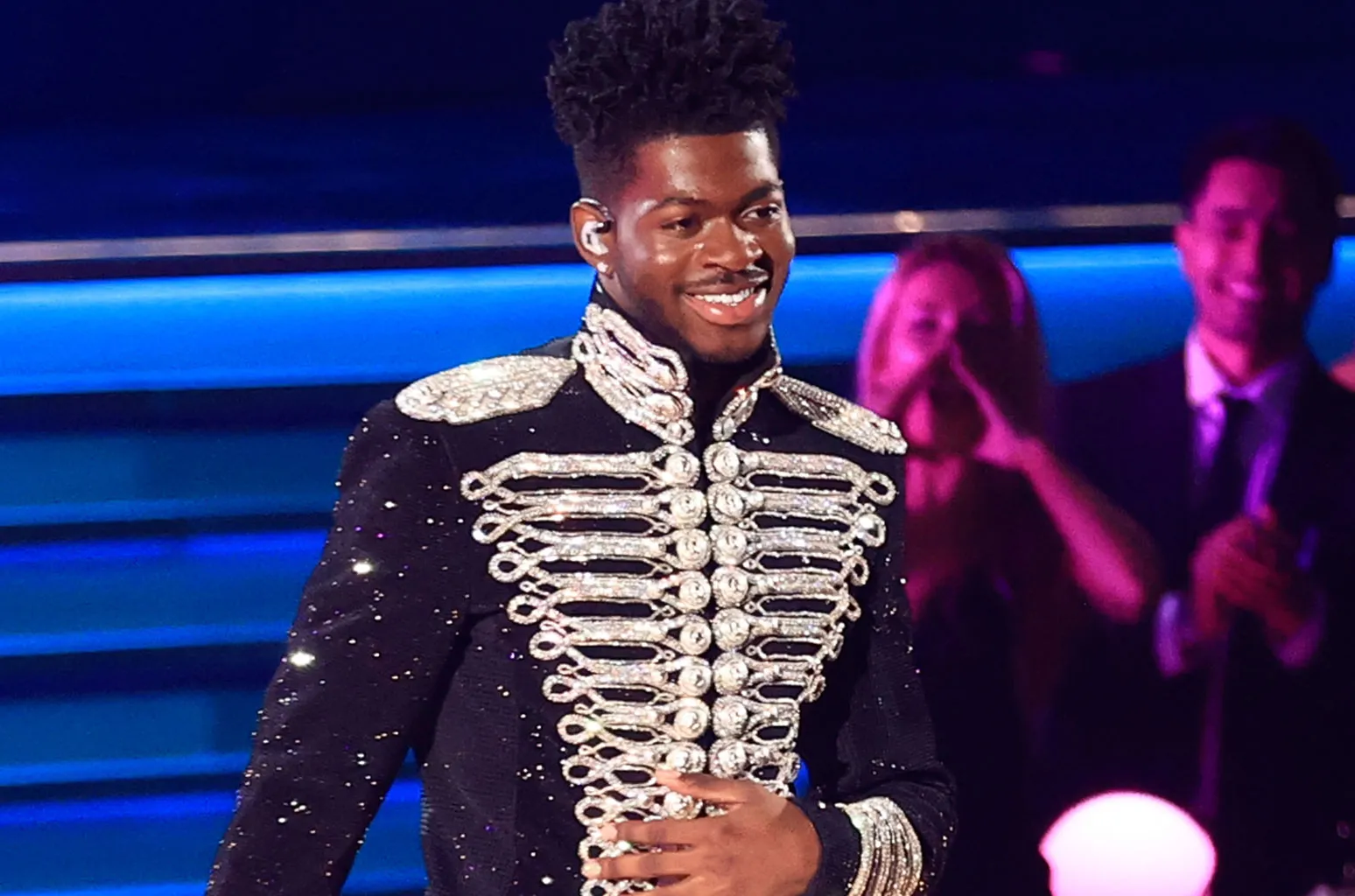
The news of Lil Nas X’s arrest lit up social media platforms, especially X (formerly Twitter), where thousands of users shared their takes. Among them, many religious voices pointed to his controversial career as evidence of divine retribution.
Some reactions included:
-
“Lil Nas X is an example of why you should never play with God or mock Him.”
-
“This is what happens when you mock Jesus. The devil gimmick was enough, but making fun of God is too far.”
-
“Vengeance is mine, sayth the Lord. He mocked God and now he’s facing consequences.”
For these users, the arrest served as proof that no one can repeatedly mock spiritual values without facing eventual judgment.
Supporters Push Back Against Religious Criticism
Not everyone agreed with the idea of divine punishment. Many fans and neutral observers took to social media to defend Lil Nas X, criticizing the harsh religious judgment he faced.
Some counterarguments included:
-
“Seeing Lil Nas X trend for an obvious mental breakdown and people calling it God’s punishment is sad. Mental health is not a joke.”
-
“Christians acting like God is out here handing down punishments for music videos are the problem, not Lil Nas X.”
-
“Instead of hating, people should be praying for his healing and growth.”
These supporters argued that piling religious blame on the artist ignores his struggles and fails to practice compassion—values central to many faiths.
Lil Nas X Reflects on His Own Struggles
While the arrest is the immediate headline, it is important to note that Lil Nas X has publicly discussed his mental health battles in recent years. In early 2025, he admitted that he had been through a very rough period, describing it as some of the most difficult years of his life.
“I know I messed up really bad this time. I can act unbothered all I want, but it’s definitely taken a mental toll on me,” he said during a past reflection.
He also emphasized that he was working toward making music that carried more intention and authenticity, seeking to rebuild both his career and personal sense of confidence.
The Broader Debate: Music, Faith, and Freedom of Expression
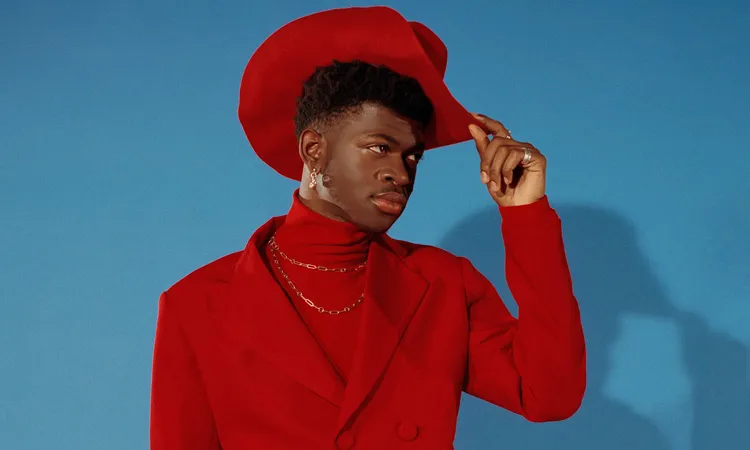
Lil Nas X’s situation highlights a larger cultural clash between artistic freedom and religious beliefs. While artists have long used religious imagery to push boundaries, many believe that mocking or altering sacred symbols goes too far.
The controversy raises several questions:
-
Should musicians be free to use any imagery, even religious, in their art?
-
At what point does artistic expression cross into disrespect?
-
Is it fair to connect someone’s legal troubles with their artistic choices?
For some, Lil Nas X is simply exercising his right to creative freedom. For others, his choices show a dangerous lack of respect for values held by billions of people worldwide.
What’s Next for Lil Nas X?
As Lil Nas X faces legal proceedings, the public’s fascination with his career will likely continue. Whether the charges against him will impact his music trajectory remains unclear. However, one thing is certain—his relationship with religious communities will remain strained.
Some believe his arrest could mark a turning point, either pushing him to reconsider the themes in his music or doubling down on his controversial approach. Others believe the incident may serve as a wake-up call for fans and critics alike to examine how society responds to artists who challenge norms.
Conclusion: Punishment or Coincidence?
The debate over Lil Nas X’s arrest and whether it represents divine punishment reflects deep divisions in society regarding faith, music, and personal expression. Religious critics see it as proof that mocking God carries real-world consequences. Fans and supporters argue that it is unfair to frame his personal struggles through the lens of divine retribution.
Ultimately, Lil Nas X remains one of the most polarizing artists of his generation. His boldness in addressing controversial themes has earned him both admiration and condemnation. As he faces his latest challenges, the world will be watching closely to see how he responds—and whether his art continues to spark the same level of debate, outrage, and reflection as it has in the past.
Related News