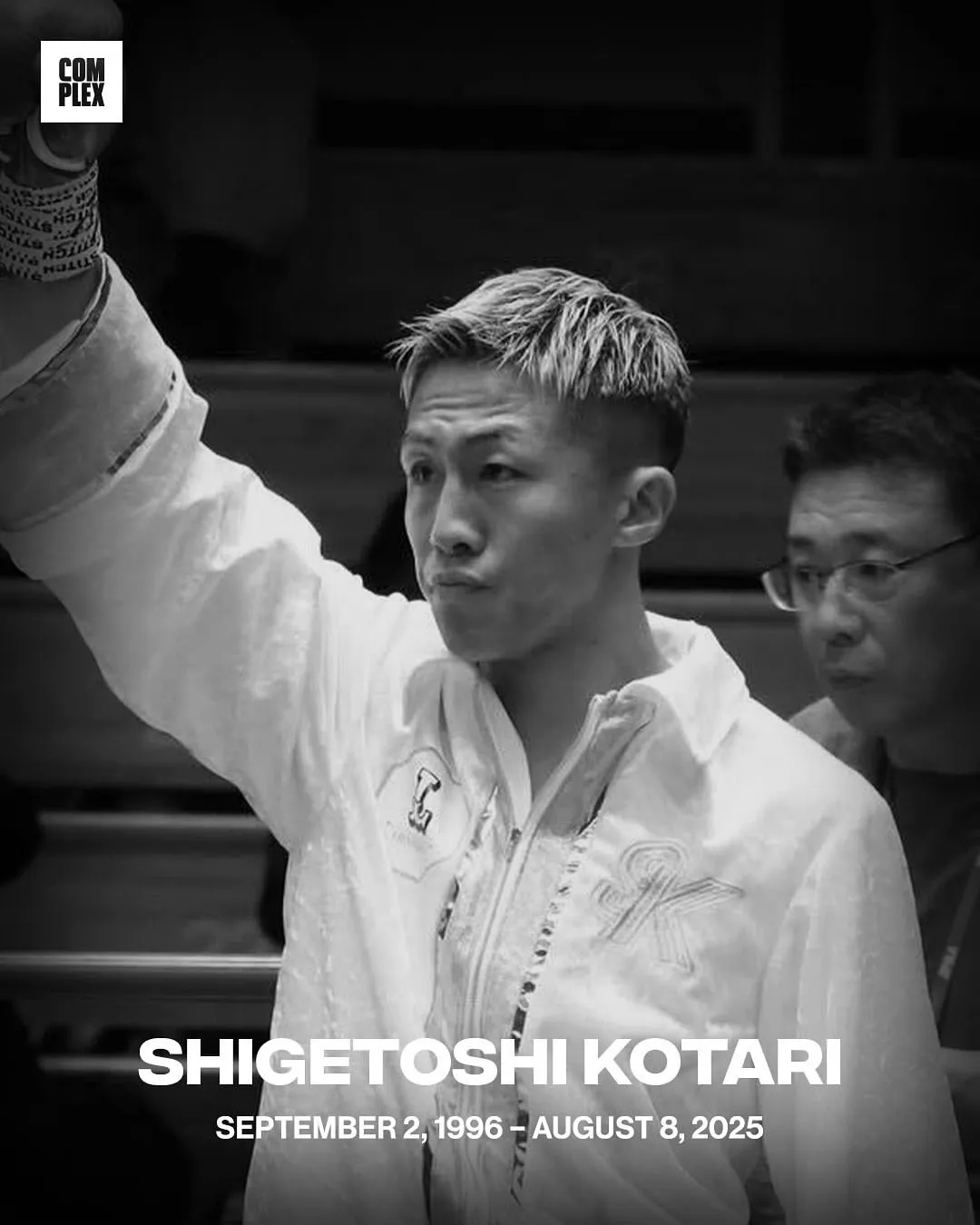
Shigetoshi Kotari suffered a major tragedy after suffering an injury in a boxing match. His current condition has left fans heartbroken.
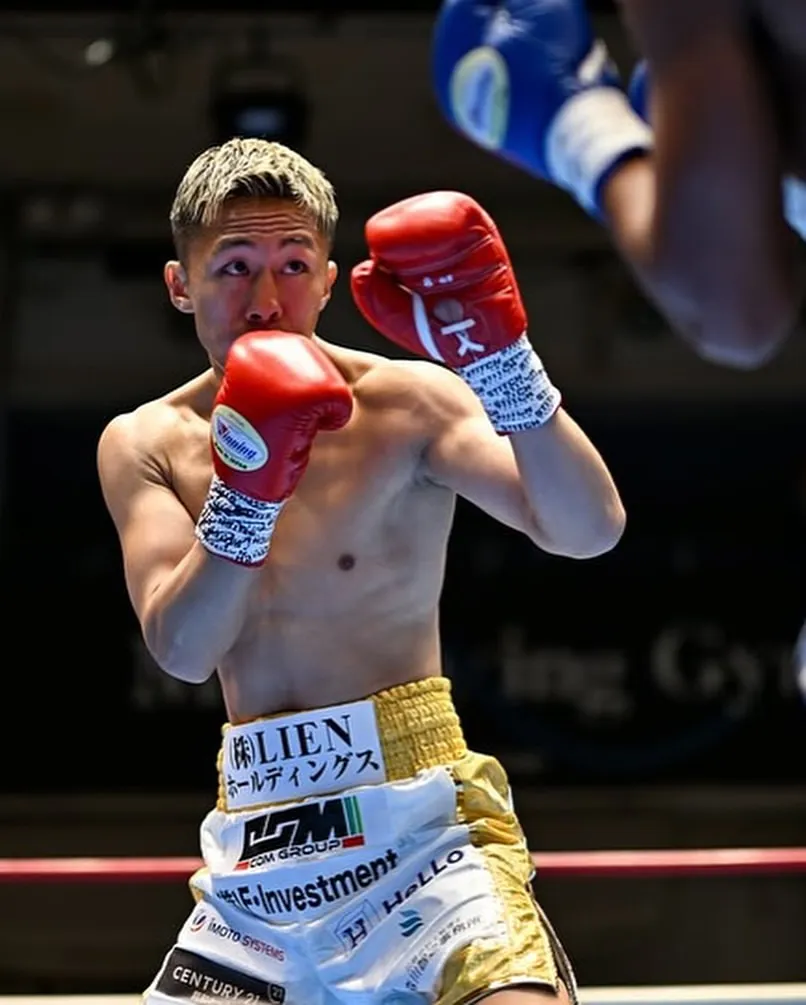
On August 2, 2025, Shigetoshi Kotari entered the ring at Tokyo’s Korakuen Hall with fire in his eyes and dreams in his heart. Six days after a grueling 12‑round OPBF title bout, the promising 28‑year‑old Japanese boxer succumbed to a devastating brain injury. His death sent shockwaves through the boxing world. Fans, friends, and family were left grappling with grief and questions around safety in boxing’s most brutal moments.
The Final Fight: Expectations and Heartbreak
Kotari, born September 2, 1996, had gathered momentum. With a pro record of 8 wins, 2 draws, and 2 losses, he earned a shot at the Oriental and Pacific Boxing Federation (OPBF) Super Featherweight title against Yamato Hata. The bout, held at Tokyo’s famed Korakuen Hall, culminated in a 12-round split decision draw. To applause and visible weariness, Kotari exited the ring under his own power—yet within moments, he collapsed. He was rushed to hospital, diagnosed with an acute subdural hematoma, and underwent emergency craniotomy surgery—but tragically never regained consciousness. On August 8, at just 28, Kotari passed away.
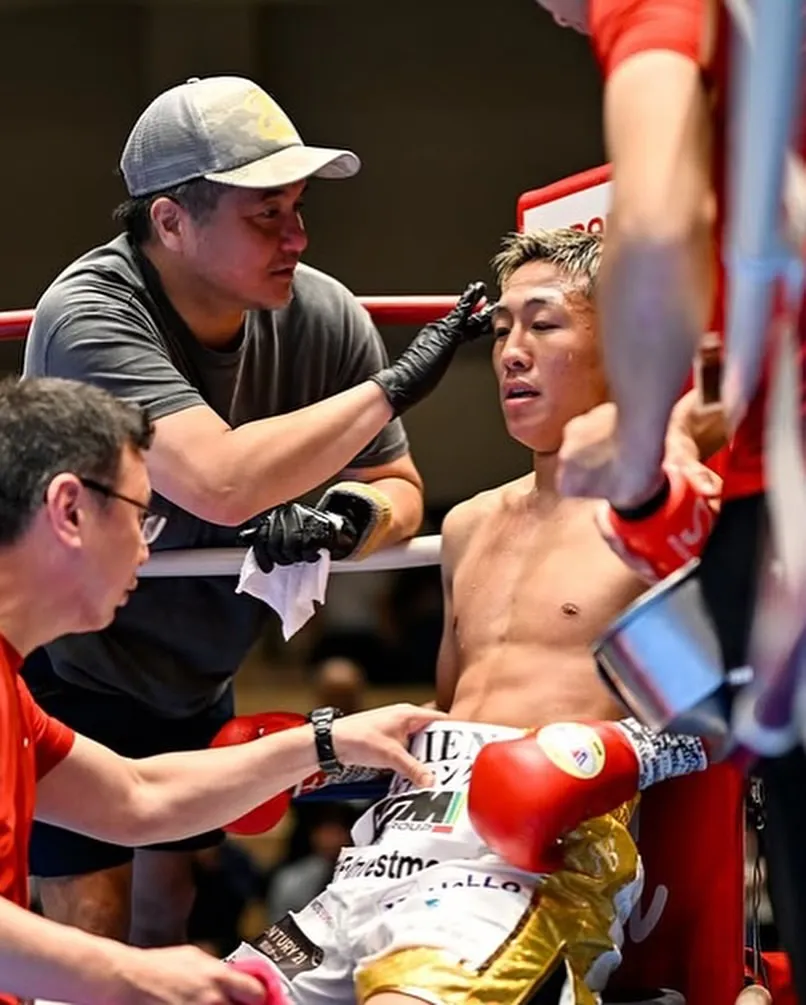
A Dual Tragedy: Another Boxer Lost on Same Card
The horror intensified when, the very next day, Hiromasa Urakawa, another 28-year-old Japanese boxer who had also sustained a brain injury from a fight on August 2, died following similar treatment. Both fighters had suffered subdural hematomas from separate bouts on the same fight card at Korakuen Hall, sending tremors through the boxing community.
The Boxing World Reacts: Mourning, Respect, and Reforms
The World Boxing Organization (WBO) publicly mourned Kotari’s passing:
“A warrior in the ring. A fighter in spirit. Gone too soon. Our thoughts and prayers are with his family…”
Fans flooded social media with grief and disbelief—some commenting on his youth (“he was someone’s baby”), others demanding safety reforms in boxing. Urakawa’s death so soon after Kotari’s underscored systemic concerns.
In response, the Japan Boxing Commission (JBC) announced immediate safety measures, notably reducing all OPBF title fights from 12 rounds to 10 to mitigate risks of head trauma.
A Life Remembered: Beyond the Stats
Kotari’s record—8‑2‑2—doesn’t tell the full story. His final Instagram post on August 1, hours before the bout, captured his spirit:
“Weigh‑in clear! Finally the time has come… I will definitely be a champion. Your support is greatly appreciated!”
That message, so full of hope and determination, now stands as a poignant reminder of a life ending too soon. His sacrifice, legacy, and final words resonate as a tribute to what kind of athlete he was—and what he aimed to become.
The Safety Debate: Hard Truths for the Boxing World
Boxing institutions worldwide are facing growing pressure to renew safety protocols. Several key issues demand attention:
-
Rounds and fatigue: Fights lasting 12 rounds elevate risk; evidence suggests brain vulnerability increases later into bouts.
-
Weigh‑in practices: Drastic dehydration can exacerbate head injury risk.
-
Immediate medical oversight: Though Kotari was treated promptly, debates are rising over the adequacy of ringside medical teams, pre-fight neuro screening, and post-fight monitoring. Calls are growing louder for mandatory neurological clearances, on-site MRI/CT scanning, and revised fight formats to prioritize health.
The Emotional Toll: Fans and Family Speak
In comments on Complex Sports and related posts, fans expressed collective grief:
-
“Võ sĩ trẻ tuổi mất quá sớm…” (Such a young athlete lost too soon.)
-
“Có đến 2 võ sĩ tử nạn trong cùng sự kiện!” (Two fatalities in one event!)
-
“Em bé của ai đó…” (Someone’s baby…)
The heartbreak was palpable. An entire community—family, friends, and fans—reached out across social feeds with tributes and heartbreak.
The Aftermath: Legacy, Safety, Reflection
Now, the boxing world must ask itself difficult questions:
-
Was this avoidable?
-
Can enthusiasm and spectacle be balanced with safety?
-
How can regulations evolve to prevent future tragedy?
The JBC’s amendment to championship rules is only the beginning.
The world lost a fighter—not just a record, but a story of hope, resilience, and ambition.
Closing Thoughts: A Fighter Remembered
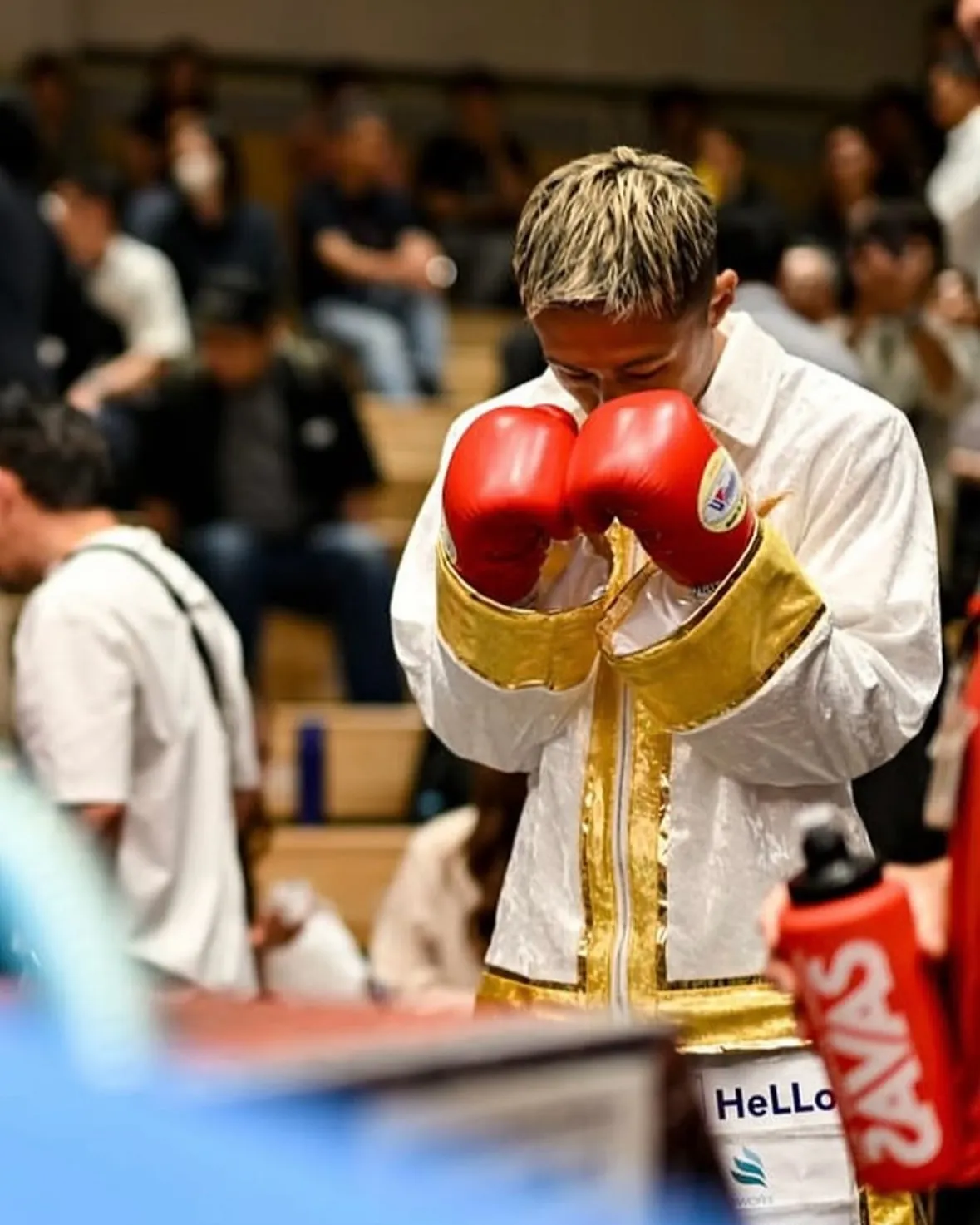
Shigetoshi Kotari’s passing is a somber reminder of the sport’s high cost. Yet, in the grief lies potential: for reform, for remembrance, for honoring his legacy not with medals, but with meaningful change.
Related News