Roger Federer Turned Just 3% Into Half a Billion — The Sneaker Move That Made Him a Billionaire
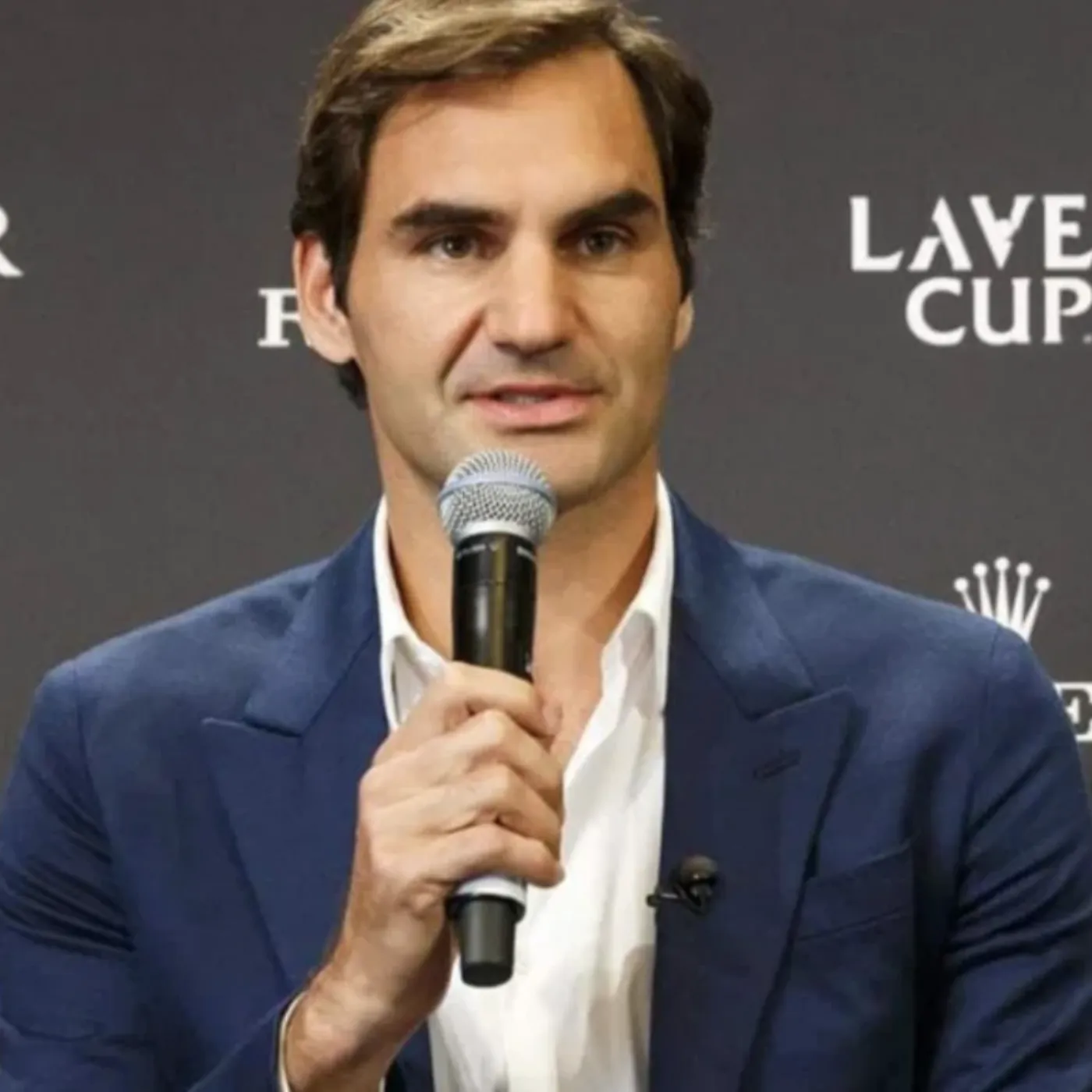
In the world of professional sports, few names carry the same weight as Roger Federer. Known not only for his grace on the court but also for his composure off it, Federer has long been admired as the quintessential tennis champion. Over the course of his glittering career, he amassed 20 Grand Slam titles, held the world’s No.1 ranking for a record-breaking 310 weeks, and won over 100 ATP singles titles. His prize money, combined with his endorsements, placed him among the highest-paid athletes of all time. Yet, as impressive as his earnings from tennis have been, Federer’s recent business success has eclipsed them entirely. By transforming a 3% stake in a little-known sneaker brand into a staggering $500 million payday, Federer demonstrated that his strategic vision off the court could be just as effective as his backhand on it. This remarkable financial triumph has not only made headlines but has also sparked discussions about athletes as entrepreneurs, brand builders, and investors.
From Tennis Icon to Strategic Businessman
Federer’s journey to this monumental payday began with his early understanding that his tennis career, no matter how successful, would eventually come to an end. While many athletes continue to rely solely on endorsement deals and personal appearances, Federer opted for a more nuanced strategy: ownership. He had spent years partnering with major brands like Nike, Rolex, and Credit Suisse, but his long-term vision pushed him toward taking equity in emerging companies with growth potential rather than simply serving as their ambassador.
This decision led to a monumental shift in 2018 when Federer ended his long-standing deal with Nike, a partnership that had defined his brand for over two decades. At the time, the move raised eyebrows across the sports and business worlds. Why would one of the most marketable athletes in the world part ways with such a global powerhouse? The answer lay in Federer’s desire for more than just a paycheck. He wanted influence, equity, and the chance to help shape a brand’s future. That mindset opened the door for his involvement with the Swiss running shoe company On.
The Rise of On: From Niche Brand to Global Player
Founded in 2010 by Olivier Bernhard, a former professional athlete, and his co-founders David Allemann and Caspar Coppetti, On was initially a small running shoe company operating out of Zurich. Its mission was simple: to create footwear that combined performance with comfort, catering to both elite runners and everyday consumers. On’s signature feature, the CloudTec sole technology, offered a distinctive running experience that quickly garnered attention among athletes and enthusiasts.
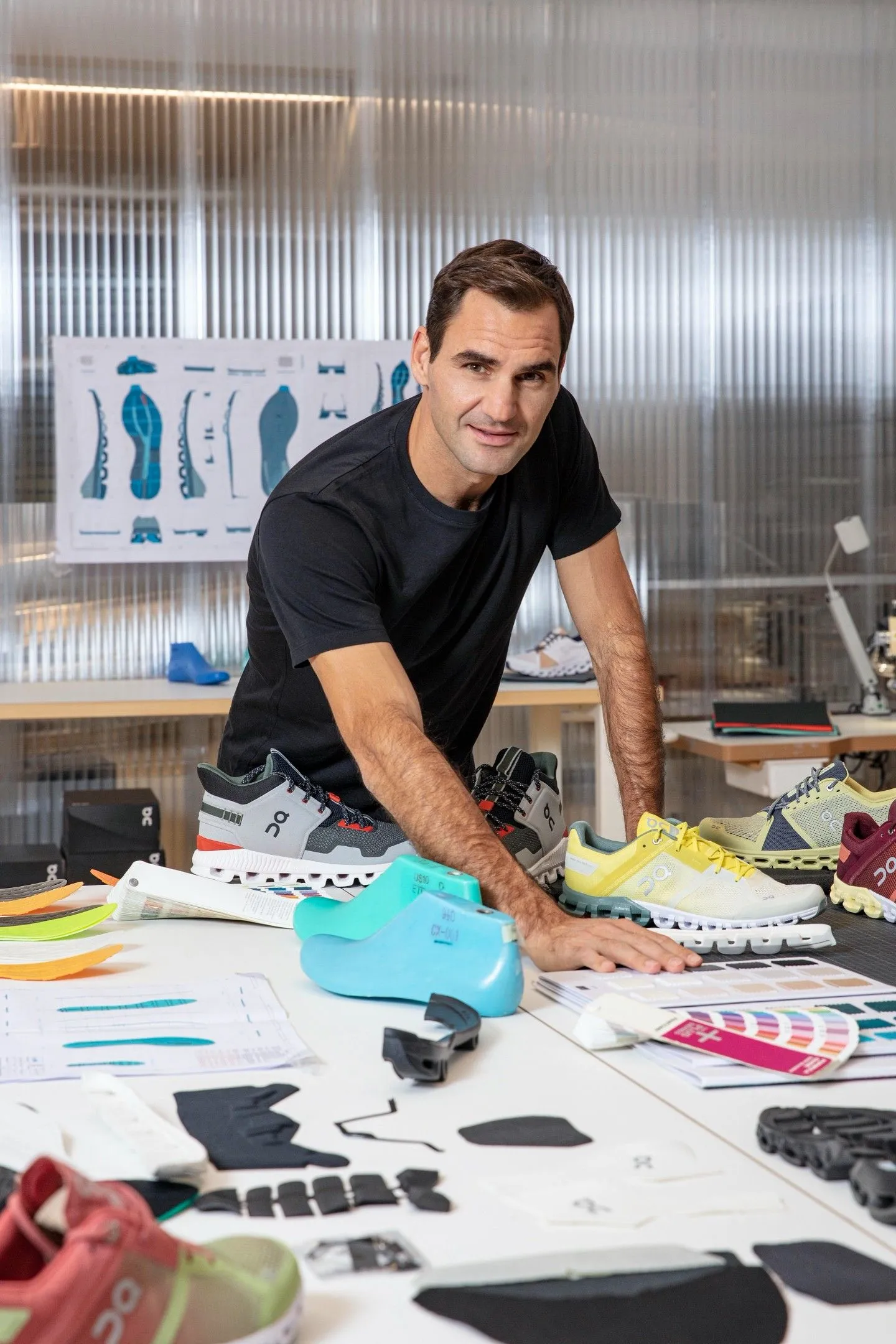
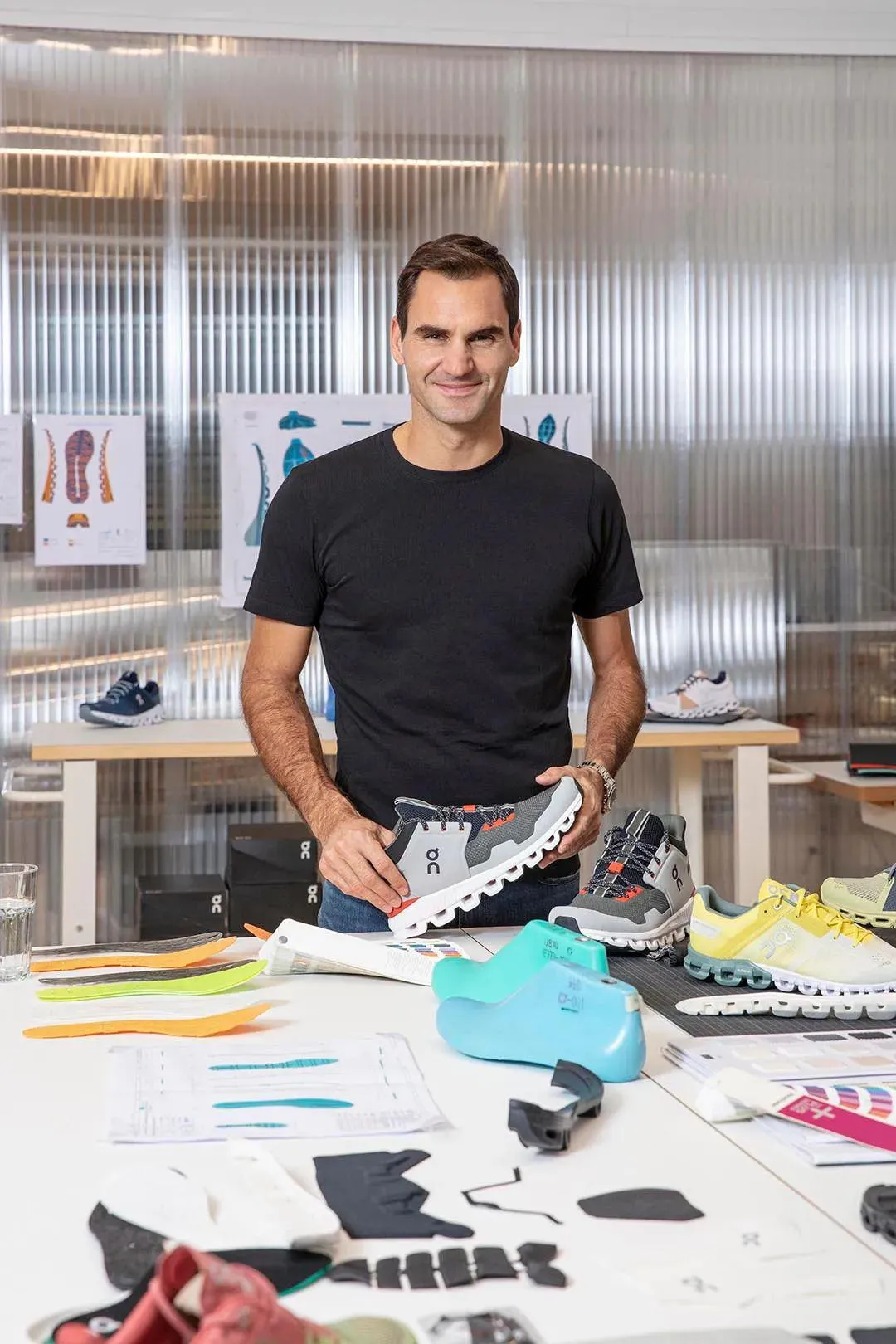
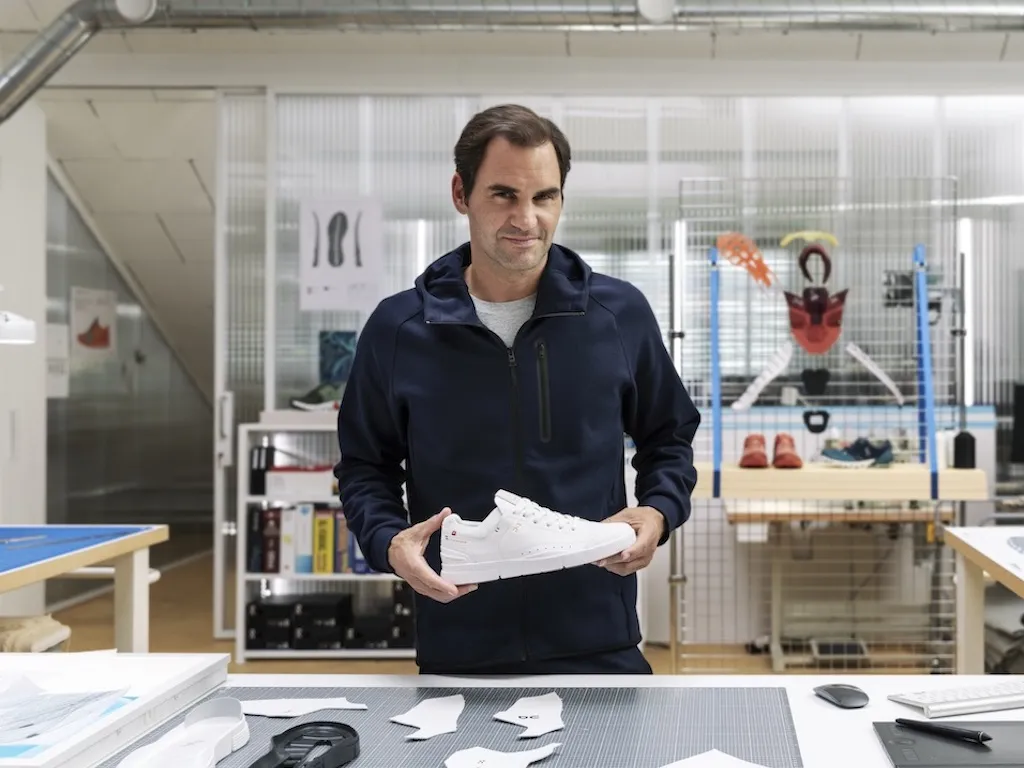
Despite its innovation, On remained relatively obscure in the global market throughout its early years, overshadowed by giants like Nike, Adidas, and Puma. But Federer saw something others didn’t — a brand with the potential for exponential growth. In 2019, he not only invested in the company but also became a global ambassador, lending his name and influence to a product he genuinely believed in. His involvement went beyond promotional appearances. Federer collaborated directly with the brand to develop the “Roger” sneaker line, combining On’s technological expertise with his refined sense of style. This collaboration positioned On as more than just a performance brand — it became a lifestyle statement.
The IPO That Changed Everything
The turning point came in September 2021 when On Holding AG went public on the New York Stock Exchange. The initial public offering (IPO) was a resounding success, with shares opening at $24 and soaring as high as $35 within days. This surge pushed On’s valuation to $11 billion, instantly turning Federer’s 3% stake into a fortune estimated at around $300–500 million.
To put this into perspective, Federer’s entire career earnings from tennis prize money amount to roughly $130 million, which means that this single investment in On earned him more than his entire playing career combined. It was a moment that solidified Federer’s status not just as a sports legend but as one of the most savvy athlete-investors of his generation.
This windfall also highlighted a broader trend: athletes are no longer content to merely endorse brands — they want to own a piece of them. By aligning himself with a company that reflected his Swiss roots, his commitment to quality, and his understated aesthetic, Federer elevated On from a niche startup into a global powerhouse.
The Power of Athlete Equity
Federer’s success with On underscores the transformative power of athlete equity deals. Traditionally, athletes have made their fortunes through sponsorships and prize money, but these are inherently limited. Endorsements provide immediate cash flow but rarely offer long-term wealth-building opportunities. Equity, on the other hand, allows athletes to share in the success of a company they help grow.
This approach has been embraced by an increasing number of stars. LeBron James took equity in Blaze Pizza, which grew into one of the fastest-growing restaurant chains in America. Serena Williams built a venture capital firm, Serena Ventures, investing in over 60 startups. But Federer’s On deal stands out for its scale and success, making it one of the most lucrative athlete-business partnerships in history.
What makes Federer’s approach particularly notable is the way he authentically integrated himself into the brand. He wasn’t just a face on a billboard. He participated in product design, marketing campaigns, and strategic decisions. This hands-on involvement not only increased his financial stake but also lent credibility to On’s image.
Beyond the Money: A Legacy of Smart Choices
Federer’s On investment is more than a story about wealth; it reflects his broader philosophy of sustainable success. Throughout his career, Federer was known for his discipline, precision, and strategic thinking. These traits seamlessly translated into his business ventures.
Moreover, his decision to partner with On aligned with his personal values. The brand emphasizes sustainability, Swiss craftsmanship, and innovation — principles Federer has championed throughout his life. This authenticity played a crucial role in attracting a loyal customer base, allowing On to carve out a unique space in a hyper-competitive market dominated by multi-billion-dollar companies.
What This Means for the Future of Athlete Investments
Federer’s financial triumph with On represents a paradigm shift in how athletes approach their post-career lives. Rather than waiting until retirement to transition into business, Federer began building his portfolio while still competing at the highest level. His success offers a blueprint for younger athletes who want to leverage their fame into long-term wealth.
This shift also reflects broader changes in the sports business landscape. Brands increasingly recognize the value of bringing athletes in as partners rather than just endorsers. Athletes, in turn, understand that ownership creates a more meaningful and lucrative relationship. Federer’s story may inspire future generations to follow this path, leading to more athlete-led businesses, collaborations, and investments.
Conclusion: Federer’s Greatest Win
For a man who has spent his life collecting trophies, Roger Federer’s greatest win may not have come on the tennis court. By turning a modest 3% stake in a relatively unknown company into a $500 million payday, Federer demonstrated that his intelligence, foresight, and adaptability extend far beyond sports. This achievement underscores the power of strategic equity investments, the growing role of athletes as entrepreneurs, and the enduring value of aligning business ventures with personal passion and authenticity.
In the end, Federer’s On deal is more than just a financial milestone; it’s a case study in how champions can reinvent themselves and continue to win, long after they’ve left the arena. It is proof that success is not only measured in titles or trophies but also in the ability to evolve, take risks, and create lasting impact — on and off the court.
Related News