





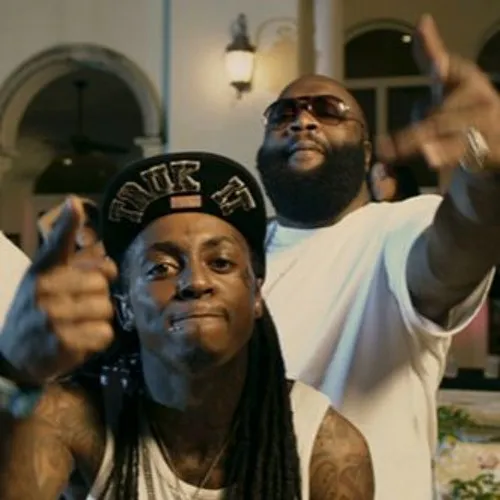
Rick Ross Reveals Why Lil Wayne Is the Irreplaceable Man in Rap
When Rick Ross speaks, the hip-hop world listens. And this time, his bold declaration has set social media and music forums on fire. In a recent statement, Rick Ross called Lil Wayne the greatest rapper in history, even labeling him the GOAT. His reasoning? According to Ross, Wayne has everything—humility, unmatched skills, and an endless hunger to grow. But beyond Ross’s words lies a deeper story: how Lil Wayne, also known as Weezy F. Baby, has quietly shaped the DNA of rap for over two decades and created a legacy so vast that even today’s biggest stars—Drake, Nicki Minaj, and Young Thug—owe part of their success to him.
This article breaks down why Wayne continues to dominate the GOAT conversation, the impact of his artistry, the controversies that nearly derailed his career, and whether Ross’s declaration cements what fans already knew—or sparks a debate that will rage for years.
Lil Wayne’s Legacy: More Than Just a Rapper
Before diving into why Rick Ross’s statement has gone viral, it’s important to understand the foundation of Lil Wayne’s career. Lil Wayne didn’t just rap—he built an empire. From his early days with Cash Money Records to his meteoric rise with the Tha Carter series, Wayne established himself as a lyrical powerhouse. Unlike many rappers who burn out after a few years, Wayne’s career has lasted over two decades, making him one of the rare artists to stay relevant across multiple generations of fans.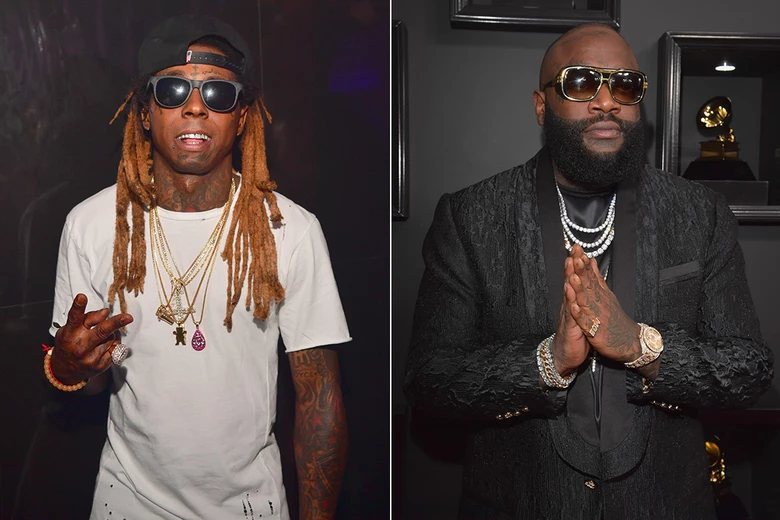
Wayne’s influence is not measured only by chart-topping hits. His mixtape era redefined how hip-hop music was consumed. When he dropped tapes like Dedication 2, Da Drought 3, and No Ceilings, he wasn’t just rapping over beats—he was reinventing them, often outperforming the original tracks. This period created a new blueprint for how young rappers could build hype outside of radio and labels. In fact, the entire mixtape culture owes much to Wayne’s relentless output.
Rick Ross’s Statement: Why It Matters
Rick Ross is not new to bold claims, but his praise of Wayne has struck a particular chord. In his words, Wayne is “humble, has incredible skills, and remains hungry to grow.” Coming from Ross—a heavyweight in his own right—this is not just a casual compliment. It’s an acknowledgment of Wayne’s role as both a pioneer and a mentor.
What makes Ross’s statement especially powerful is the timing. Hip-hop is currently divided into debates over Jay-Z, Nas, Eminem, Tupac, Biggie, and Drake as potential GOATs. By putting Wayne at the top, Ross is challenging the very hierarchy of rap history. And the internet is responding exactly as expected: with heated arguments, endless comparisons, and viral hashtags like #WayneGOAT trending across platforms.
Influence on the New Generation: Drake, Nicki Minaj, and Young Thug
One of the most undeniable aspects of Lil Wayne’s greatness is his ability to shape the next generation of superstars. Without Wayne, there might be no Drake as we know him. It was Wayne who gave Drake his first big break by signing him to Young Money Entertainment. The same goes for Nicki Minaj, who turned into one of the most successful female rappers of all time under Wayne’s guidance.
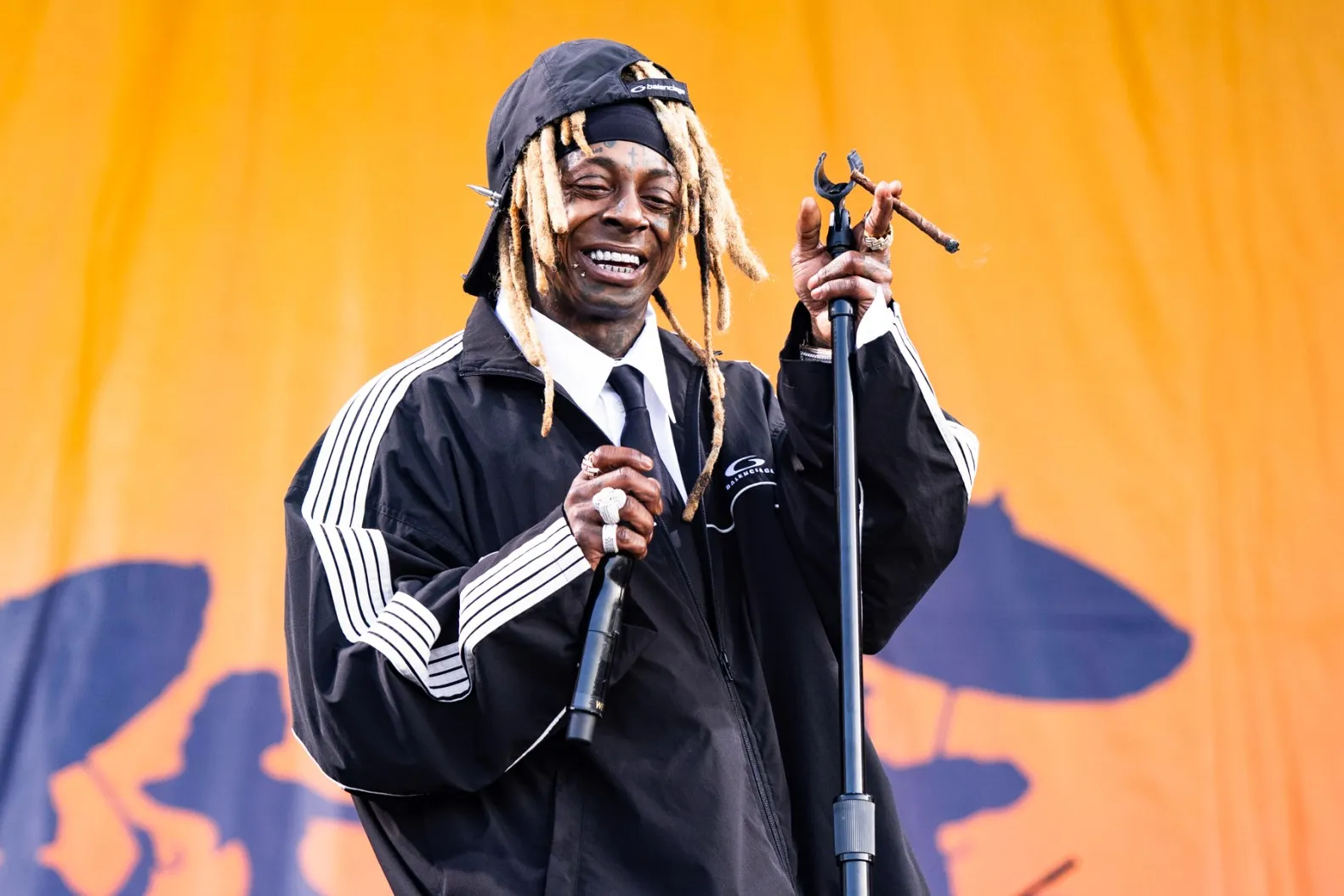
Even artists not directly signed to him, like Young Thug, cite Wayne as their primary influence. Thug’s melodic flows, daring fashion choices, and fearless experimentation mirror Wayne’s trailblazing approach in the mid-2000s. In other words, Wayne didn’t just dominate his era—he planted seeds that continue to grow across today’s rap landscape.
This legacy makes Ross’s claim stronger. Unlike some rappers whose influence ends when they stop topping charts, Wayne’s fingerprints are on nearly every superstar who dominates streaming today.
The GOAT Debate: Lil Wayne vs. the Rest
The phrase “greatest rapper of all time” has fueled endless debates, and Rick Ross has just reignited the fire. Critics often cite Jay-Z’s business acumen, Nas’s storytelling, Eminem’s technical ability, or Tupac’s cultural impact as reasons why Wayne can’t be crowned the GOAT. But what separates Wayne is his combination of longevity, innovation, and influence.
Few rappers can say they’ve stayed relevant in three different eras of hip-hop:
-
Early 2000s: Wayne transitioned from Hot Boys member to solo superstar.
-
Mid-2000s to 2010s: His Carter series and mixtapes solidified his dominance.
-
2020s: Even today, Wayne remains active, collaborating with new artists and proving he still belongs in the conversation.
Another point in Wayne’s favor is his sheer output. At his peak, Wayne was dropping verses on every remix, every mixtape, and every feature, creating a tidal wave of content that flooded the industry. His work ethic was legendary, and his punchline-heavy style became a template for countless rappers.
Controversies and Setbacks: Did They Strengthen His Case?
No GOAT conversation is complete without acknowledging the struggles. Wayne’s career has not been without controversy—legal troubles, label disputes, and health scares threatened to derail him multiple times. His highly publicized feud with Cash Money Records and Birdman left fans wondering if Wayne’s career would end prematurely.
Yet, each time, Wayne bounced back. His release of Tha Carter V after years of delays was not just a victory for him—it was a testament to his resilience. Even his struggles with seizures and health issues have added to the narrative of a man who refuses to quit, no matter how steep the odds.
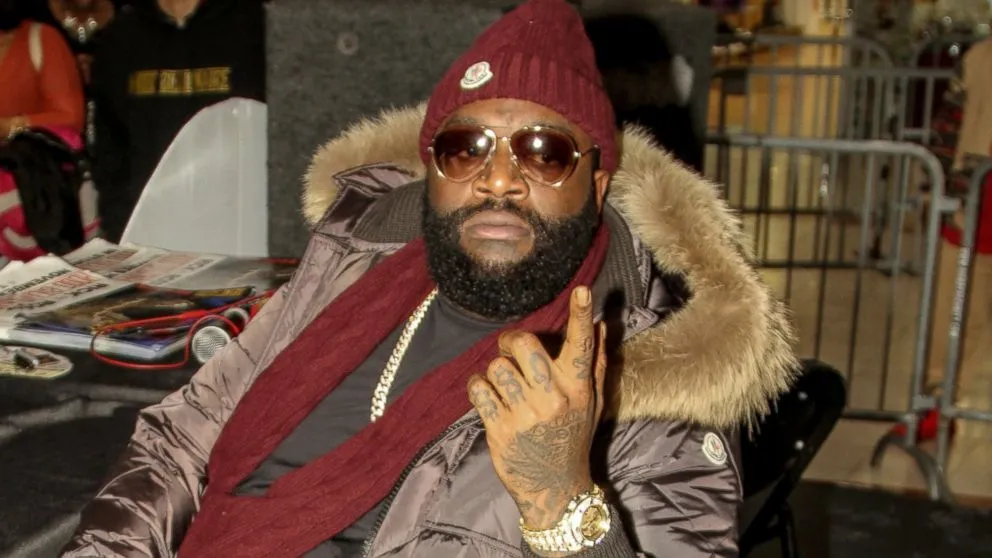
These setbacks, instead of diminishing his greatness, have made his story even more compelling. In fact, some fans argue that Wayne’s ability to survive in an industry designed to discard legends is precisely what makes him the true GOAT.
Cultural Impact: Beyond the Music
To fully understand why Ross’s statement resonates, one must look beyond just the bars. Lil Wayne is a cultural icon. From his signature “bling era” style to his face tattoos and dreadlocks, Wayne redefined what a rap superstar could look like.
His lyrics, though often controversial, pushed boundaries and influenced youth culture. Phrases like “bling bling” and “Weezy F. Baby” became embedded in pop culture. Moreover, his experimentation with rock music on Rebirth and his ventures into skateboarding culture showed his willingness to break out of hip-hop’s narrow definitions.
Today’s rappers who dabble in multiple genres—think Post Malone, Travis Scott, or even Playboi Carti—are walking a path Wayne carved long before it was acceptable.
The Big Question: Is Lil Wayne Really the GOAT?
At the end of the day, Rick Ross’s declaration forces us to ask the ultimate question: Is Lil Wayne the greatest rapper of all time? While the answer depends on personal taste, the evidence is hard to ignore. Wayne’s lyrical genius, relentless work ethic, cultural influence, and mentorship of future legends make him a strong contender.
Some will argue for Jay-Z, others for Tupac or Eminem. But unlike many GOAT contenders, Wayne has directly shaped the careers of today’s megastars while still actively contributing himself. That rare dual role—as both a legend and a mentor—sets him apart.
Conclusion
Rick Ross’s bold proclamation is not just a compliment—it’s a challenge to the culture. By calling Lil Wayne the GOAT, Ross has reignited one of hip-hop’s oldest debates while shining a light on a career that refuses to fade.
Whether you agree or not, one thing is undeniable: Lil Wayne’s impact on hip-hop is permanent. His music, his influence, and his legacy are etched into the DNA of the genre. And perhaps that’s what makes him the truest definition of a GOAT—not because he claimed it, but because the culture can’t stop debating it.
Related News