







Rafael Nadal Receives a Royal Surprise — Emotional Reunion After Being Named Marquess of Llevant
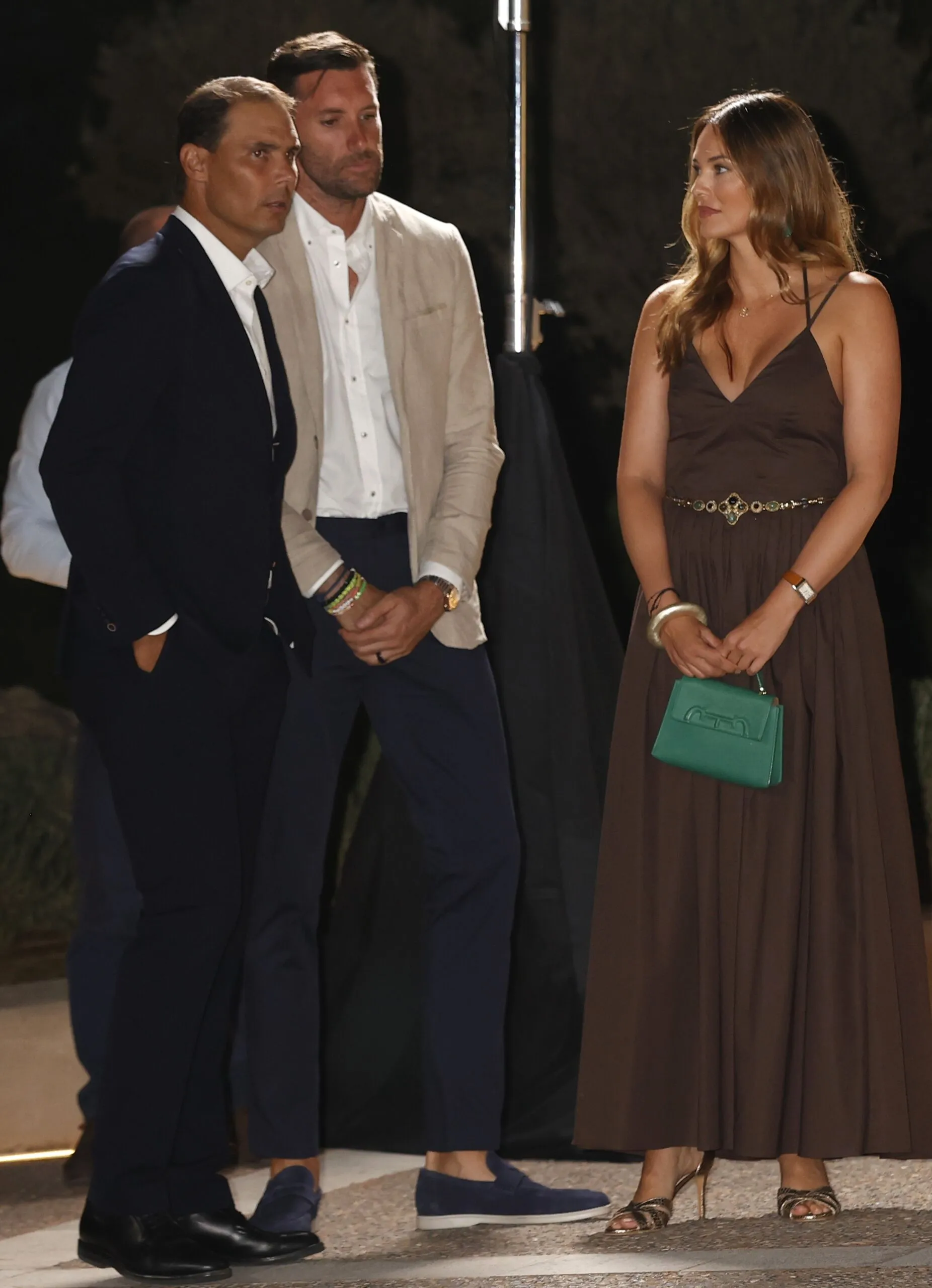
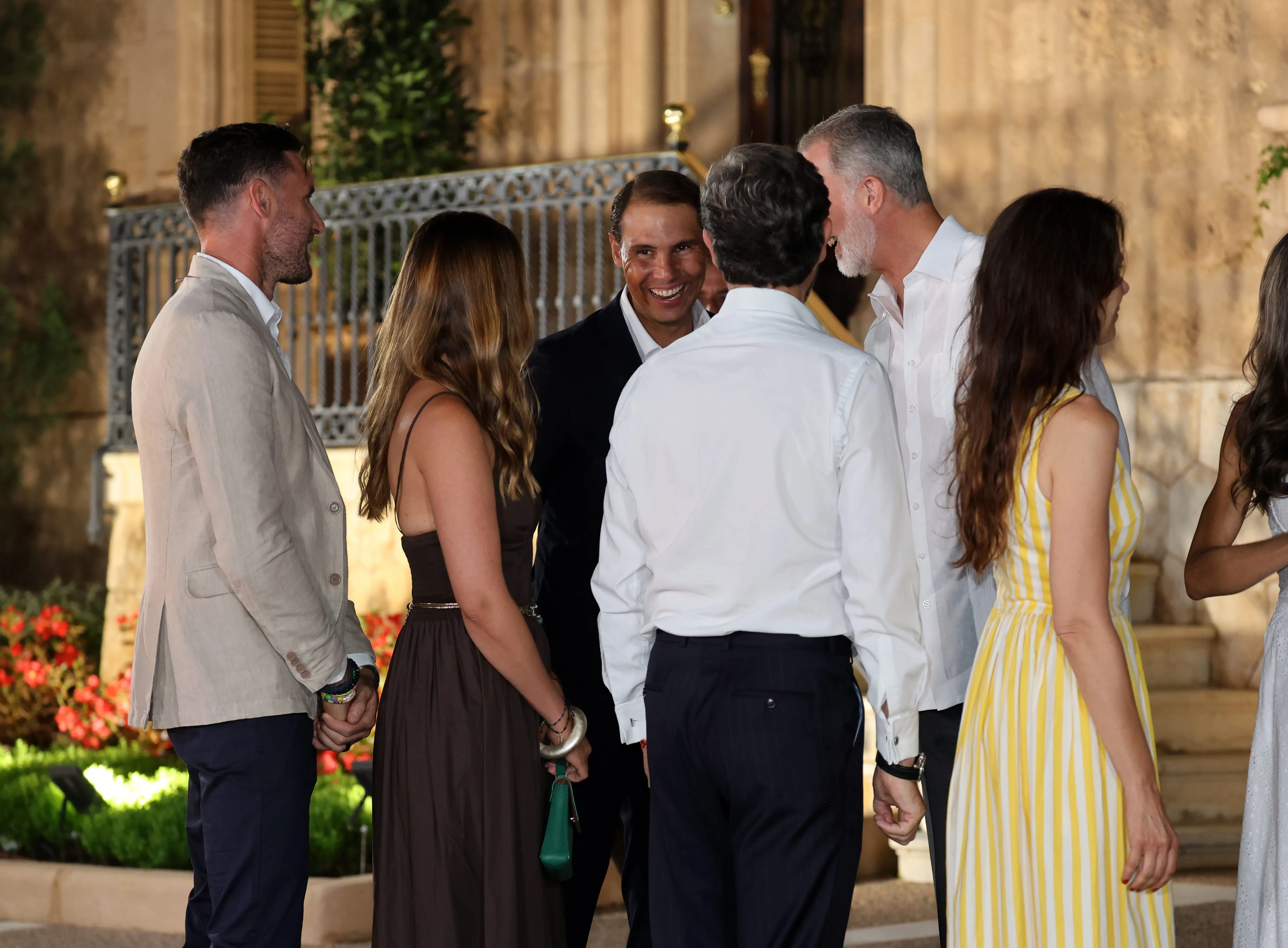
In the world of sports, few names resonate as profoundly as Rafael Nadal. His name is etched not only in the annals of tennis history but also in the hearts of millions who admire his unrelenting dedication, humility, and passion. Yet, beyond the courts of Roland Garros or Wimbledon, Nadal has recently embarked on a journey of a very different kind—one that intertwines his sporting legacy with the enduring traditions of Spain’s royal heritage. Cameras captured the electric moment as Nadal reunited with the Spanish Royal Family, an encounter layered with symbolic meaning following his prestigious recognition as the Marquess of Llevant. This reunion was far more than a ceremonial meeting; it represented a remarkable confluence of sports, history, and cultural identity.
The Historic Title of Marquess of Llevant
In June, the Spanish government announced that King Felipe VI had bestowed upon Rafael Nadal the noble title of Marquess of Llevant. This was not merely a decorative gesture but an acknowledgment of Nadal’s profound contributions to Spain’s global image and his embodiment of the nation’s values. Historically, such noble titles carry weight and significance, reflecting both personal achievement and service to the country.
For Nadal, the title Marquess of Llevant—a reference to the eastern regions of Mallorca, his beloved home—strikes a deeply personal chord. Nadal has always been profoundly connected to Mallorca, not just as a birthplace but as the grounding center of his identity. The title becomes an extension of that connection, tying him symbolically to the land and people he has so often represented on the international stage.
What makes this recognition particularly exceptional is its rarity. While Spain has a long history of conferring noble titles, such honors are not typically extended to athletes. By naming Nadal the Marquess of Llevant, the monarchy is effectively elevating his cultural impact to the same level as those who have made historic contributions in art, politics, or public service. It reflects a societal shift in recognizing how sports figures can transcend their fields to become national icons in every sense.
A Grand Reunion with the Spanish Royal Family
When Nadal arrived at the Royal Palace in Madrid for the official reunion with King Felipe VI and Queen Letizia, the air was thick with anticipation. Cameras flashed relentlessly as one of Spain’s most celebrated modern figures met with the custodians of its centuries-old monarchy. This was not their first meeting—Nadal has long been admired by the royal family—but it carried a new weight.
The King, known for his appreciation of sports and his personal admiration for Nadal, greeted him warmly. Observers noted that the interaction went beyond mere formality. The King and Nadal conversed with the ease of two men who share mutual respect, discussing not only Nadal’s illustrious career but also his philanthropic work and the future of sports in Spain. Queen Letizia, radiant in her presence, expressed admiration for Nadal’s continued commitment to uplifting the next generation through his Rafael Nadal Foundation.
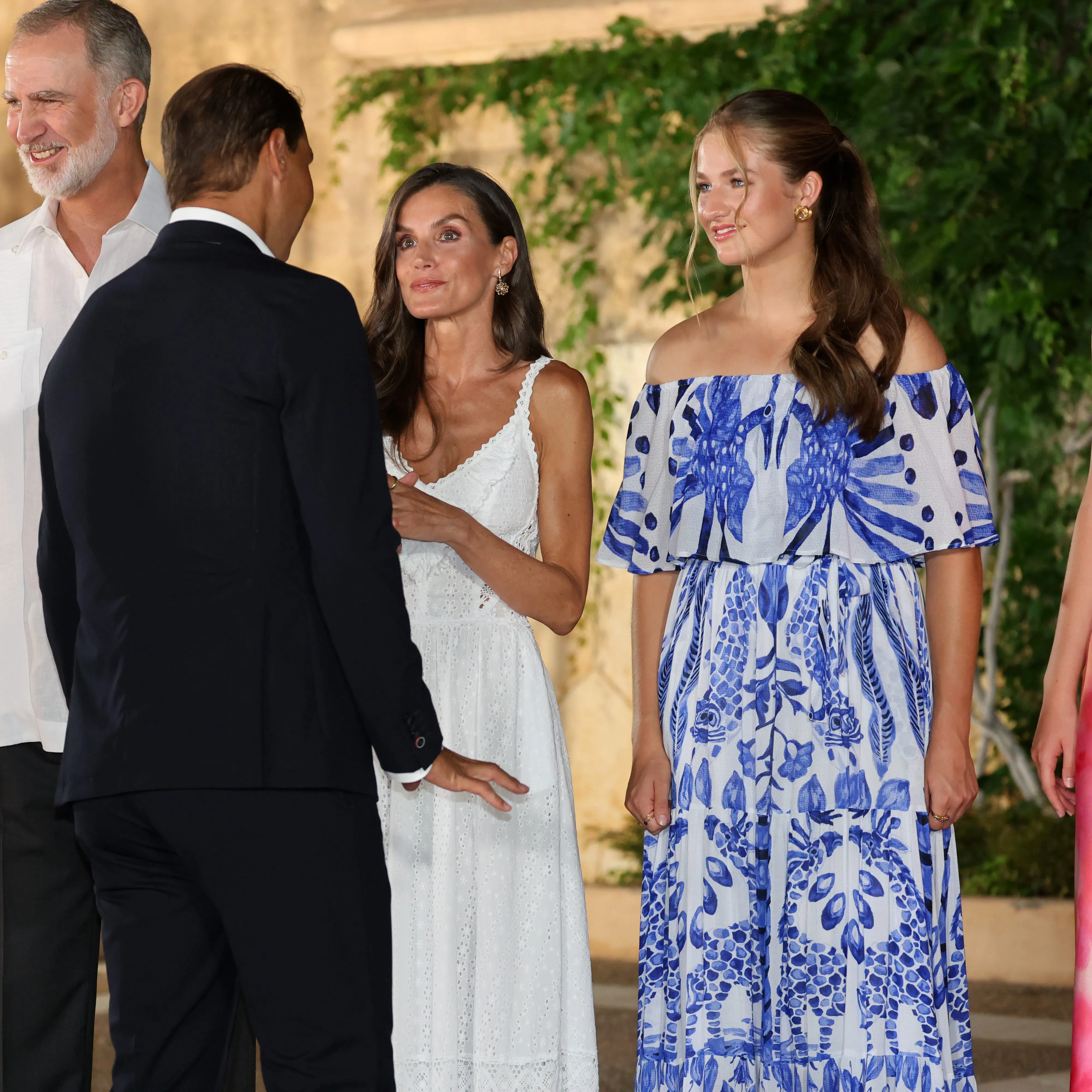
The meeting culminated in an official portrait session. Nadal, clad in a tailored dark suit that reflected both elegance and humility, stood beside the King and Queen as the cameras immortalized the moment. The photographs, quickly circulated by media outlets worldwide, told a story of harmony between Spain’s sporting hero and its royal lineage—a partnership that symbolizes unity, resilience, and shared pride.
The Cultural Significance of the Moment
Why does this reunion matter beyond the spectacle? In a country where tradition and modernity often intersect, the image of Nadal standing alongside the monarchy resonates deeply. It sends a message that greatness achieved on the tennis courts can be as culturally significant as contributions in politics, science, or art.
Moreover, the encounter reflects Spain’s evolving understanding of national identity. Nadal’s sporting achievements—including his record-breaking 14 French Open titles and countless other victories—have placed Spain at the center of the global tennis conversation. But beyond his victories, it is Nadal’s conduct—his respect for opponents, his perseverance through injuries, and his unwavering humility—that has made him a unifying figure across social and political divides.
By conferring upon him the title of Marquess and welcoming him into the royal circle, the monarchy effectively enshrines these qualities into the broader narrative of Spanish nobility. Nadal is no longer just a champion of sport; he is now a symbol of Spain’s enduring values of honor, resilience, and cultural pride.
Nadal’s Reflections on the Honor
In a statement following the announcement of his new title, Nadal expressed deep gratitude. “To receive the title Marquess of Llevant is an honor beyond words,” he said. “Mallorca has shaped me, and Spain has given me everything. To be recognized in this way is to recognize the people and places that have supported me throughout my journey.”
Those close to Nadal say that this recognition has not altered his character. He remains grounded, often retreating to his home in Mallorca to spend time with family and continue his work at the Rafael Nadal Academy, which trains aspiring athletes not only in sport but also in life skills and education. For Nadal, the Marquess title is not an endpoint but an added responsibility—a call to serve as a model for future generations.
The Legacy of a Modern-Day Marquess
What does it mean to be a Marquess in the 21st century? Unlike centuries past, where nobility often implied political power or military duty, today it is more symbolic. In Nadal’s case, it becomes a platform to amplify his existing commitments—charitable work, youth development, and the promotion of sports as a force for social good.
His foundation continues to make a profound impact, focusing on education and social inclusion for underprivileged youth in Spain and abroad. By combining his noble title with his philanthropic endeavors, Nadal redefines what it means to hold such an honor in modern Spain.
Furthermore, Nadal’s presence in the royal sphere also creates opportunities for collaboration on broader cultural and social projects. His status as Marquess provides him with new avenues to advocate for issues close to his heart—whether it be youth empowerment, community development, or fostering national unity through sport.
The Global Reaction
The reunion and title announcement did not go unnoticed on the global stage. Media outlets from London to New York highlighted the significance of Nadal’s new role. Tennis legends, from Roger Federer to Novak Djokovic, publicly congratulated him, underscoring the universal respect Nadal commands across the sporting world.
For many fans, this recognition felt like a natural progression. Nadal has long been more than a tennis player. He is an ambassador of resilience, a living testament to what it means to push beyond one’s limits while maintaining grace and integrity. The title simply formalizes what the world has known for years: Rafael Nadal is a man of noble character in every sense.
What Comes Next for Rafael Nadal?
While his future in tennis remains a subject of much speculation—given his recent struggles with injuries—Nadal shows no signs of retreating from public life. If anything, the title Marquess of Llevant opens new chapters for him. Whether through his academy, his foundation, or collaborations with the royal family, Nadal is poised to continue shaping Spain’s social and cultural landscape for years to come.
For the fans who watched him conquer the red clay of Roland Garros, this transition may feel bittersweet. Yet, it also affirms that Nadal’s influence will endure long after his competitive days are over. His story is no longer confined to the tennis courts; it now belongs to the broader tapestry of Spanish history.
A Moment Etched in History
As the cameras flashed during his reunion with the royal family, it was clear that this was more than a photo opportunity. It was a defining moment in Nadal’s life—a symbolic crowning of his journey from the sunlit courts of Mallorca to the gilded halls of Madrid’s royal palace.
The title Marquess of Llevant may be a new chapter, but for Rafael Nadal, it is also a reflection of everything he has already achieved: the unrelenting pursuit of excellence, the unwavering connection to his homeland, and the humility that has endeared him to millions. As Spain celebrates its champion, the world watches with admiration, knowing that the legacy of Rafael Nadal—athlete, philanthropist, and now nobleman—has only just begun.
Related News