Quiet and… failure? John Salley explains why Jokic’s personality cost him the MVP.
Every NBA season sparks fierce debates about the Most Valuable Player (MVP) award. This year was no exception. While Nikola Jokic put up jaw-dropping stats and led the Denver Nuggets with his signature brilliance, it was Shai Gilgeous-Alexander (SGA) of the Oklahoma City Thunder who ultimately walked away with the coveted Michael Jordan Trophy.
And while fans and analysts mostly applauded SGA’s sensational season, four-time NBA champion John Salley believes something deeper was at play in the voting process—something that had nothing to do with performance on the court.
“I think he’s worthy of the MVP, 100%. I really do,” said Salley. “But if you were going with stats — Joker had better stats.”
In Salley’s eyes, the NBA may have leaned toward image and marketability, and not just numbers, when deciding who would be the face of the league this season.
Statistically Speaking, Jokic Was a Machine
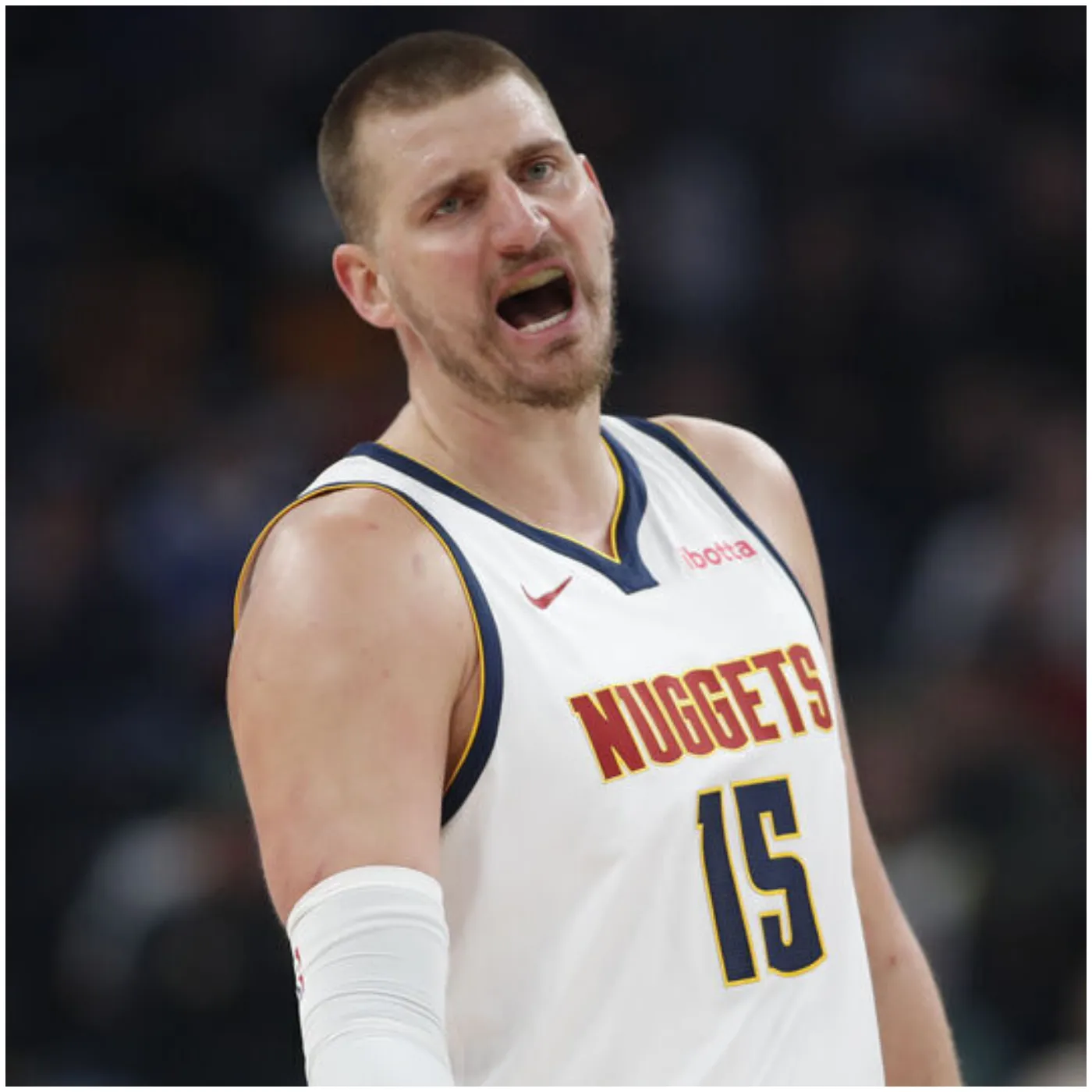
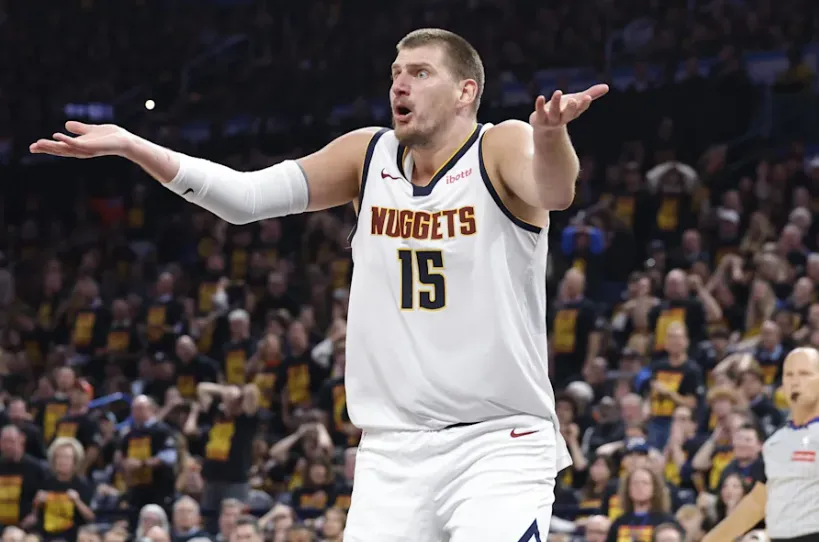
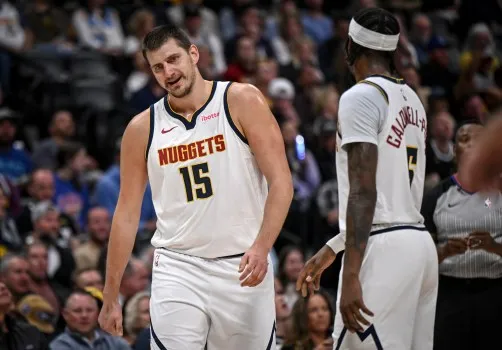
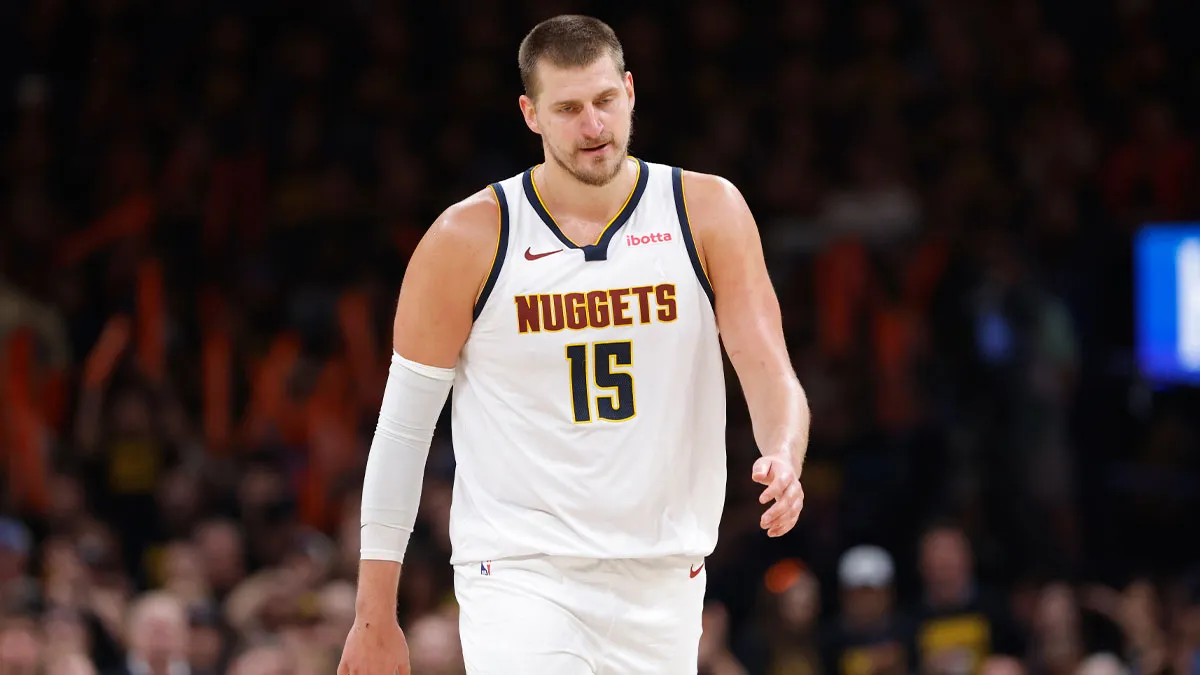
It’s impossible to dismiss what Nikola Jokic accomplished this year. The Serbian superstar became the first big man in NBA history to average a triple-double, putting up 29.6 points, 12.7 rebounds, and 10.2 assists per game—on elite efficiency, no less.
He orchestrated the Nuggets’ offense with surgical precision, anchored their defense with savvy positioning, and once again proved himself to be a walking highlight reel of basketball IQ.
If the MVP were purely about statistics, Jokic would’ve been the obvious choice.
But that’s the issue. The MVP award has never had a concrete definition. Is it the best player on the best team? The most statistically dominant performer? The player most vital to his team’s success? Depending on the voter, it could mean all—or none—of those things.
Shai Gilgeous-Alexander: The League’s New Favorite Son?
Make no mistake—SGA’s MVP win was earned, not gifted.
He averaged 32.7 points on 51% shooting, alongside 5.0 rebounds, 6.4 assists, and 1.7 steals per game. He led the Thunder to a franchise-best 68-win season, solidifying their status as title contenders.
But beyond the numbers, John Salley argues that SGA checks other boxes that Jokic does not—boxes the league may quietly prioritize when choosing its MVP.
“The MVP is for the league. And I think the image of the league was better with SGA, you know, with Shai. And the reason I say that too: younger, more flamboyant, more interactive,” Salley said.
And he’s not wrong. Shai has become a fashion icon, constantly praised for his off-court style. His charisma is magnetic, and his interviews are engaging. Fans love him, brands love him, and the NBA clearly sees a future ambassador in him.
In short, Shai Gilgeous-Alexander is marketable—and that matters in today’s NBA.
Jokic: A Star Who Shuns the Spotlight
Then there’s Nikola Jokic, perhaps the most reluctant superstar the NBA has ever seen.
Sure, he can dominate every facet of the game. But off the court? Jokic is reserved, dryly humorous, and largely uninterested in the limelight.
“I think Joker did one or two commercials. I just don’t think he has the personality that the NBA wanted to exploit,” Salley observed.
Jokic’s public persona couldn’t be more different from that of his MVP counterpart. He rarely posts on social media. He doesn’t chase endorsement deals. He doesn’t care about image. In fact, after winning the NBA title last year, he seemed more excited to return to Serbia and spend time with his beloved horses than to do a championship parade.
“I understand his point of view, too. ‘I’m here to play basketball. All this other stuff is other stuff,’” said Salley. “And you know, I like his attitude. I like his ‘I only do this as a job. I can’t wait to go home.’”
It’s a rare mindset in an age where brand building is almost as important as basketball. But could it have cost Jokic his fourth MVP award?
MVP: A Title That Means More Than Stats
Salley’s theory isn’t without precedent. The MVP has always been as much about narrative and representation as it is about performance.
SGA represents a fresh face, youth, global appeal, and modern style. He’s someone the NBA can feature in promos, social media campaigns, and international events. He fits the mold of the league’s future icon.
Jokic, meanwhile, fits a different mold—one that’s equally valuable but perhaps less brand-friendly. He’s not flashy. He doesn’t speak in headlines. He prefers the shadows to the spotlight.
So when it came time to vote, Salley believes the league got the MVP it wanted.
“The image of the league was better with Shai.”
Fans React: Should Personality Matter?
Salley’s comments have sparked debate among fans and media alike. Some argue that he’s right—that the MVP should reflect more than just cold, hard numbers. Others insist that giving any weight to marketing potential or likability dilutes the award’s credibility.
On social media, fans were split:
-
“Salley’s right. Jokic was better, but SGA sells tickets.”
-
“MVP should be about basketball, not who has the better Instagram feed.”
-
“It’s a business, not a charity. Of course image matters!”
And therein lies the heart of the issue: what do we want the MVP to represent?
Conclusion: Salley Opens the Door to a Larger Conversation
John Salley’s take isn’t a knock on Shai Gilgeous-Alexander, who had a phenomenal season worthy of the MVP title. It’s an invitation to reassess how we define greatness in today’s NBA.
Should MVP reflect the league’s best basketball player—or the one who best represents the league’s future vision?
Nikola Jokic may not be the most marketable face in the NBA, but his game is timeless. Shai Gilgeous-Alexander may not have Jokic’s gaudy triple-doubles, but his blend of skill, swagger, and charisma makes him a superstar tailor-made for this era.
At the end of the day, both players won in their own way. Jokic remained true to himself. Shai ascended to global stardom. And the league? It found its next MVP—and maybe its next face.
Related News