







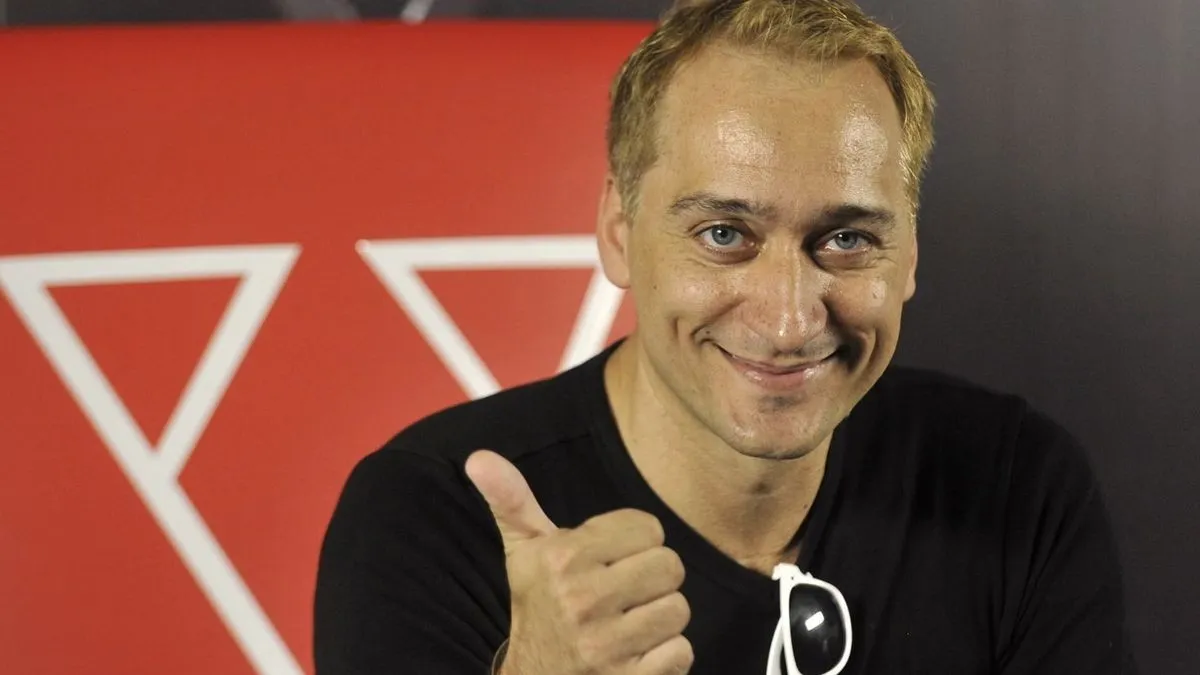
Paul van Dyk Reveals The ‘Secret Weapon’ That Created The Trance Legend – Now On Display In Berlin!
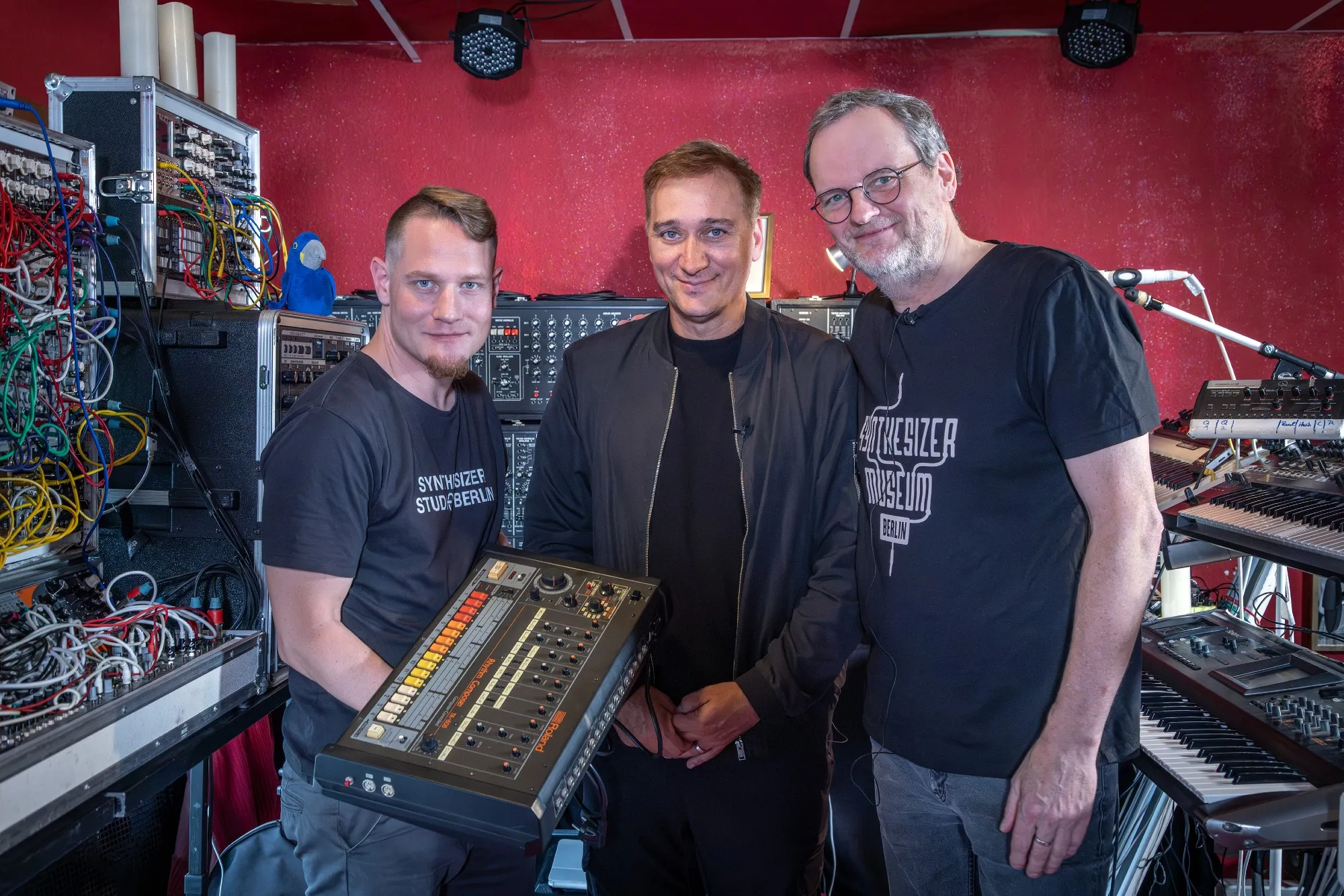
In an inspiring move that bridges electronic music history and modern creativity, Paul van Dyk has placed his Roland TR-808 drum machine on display at the Synthesizer Museum Berlin, where it will remain for the next year. This legendary piece of music hardware, an essential building block of van Dyk’s early sound, now becomes a centerpiece in one of Europe’s most respected museums dedicated to electronic music instruments.
The announcement comes just days after the global celebration of 808 Day on August 8, an annual homage to one of the most influential drum machines ever made. For fans of van Dyk, electronic music historians, and aspiring producers, this exhibition is not just about gear—it’s about the legacy of an artist and the rhythm that helped define a generation.
The Legacy of the Roland TR-808
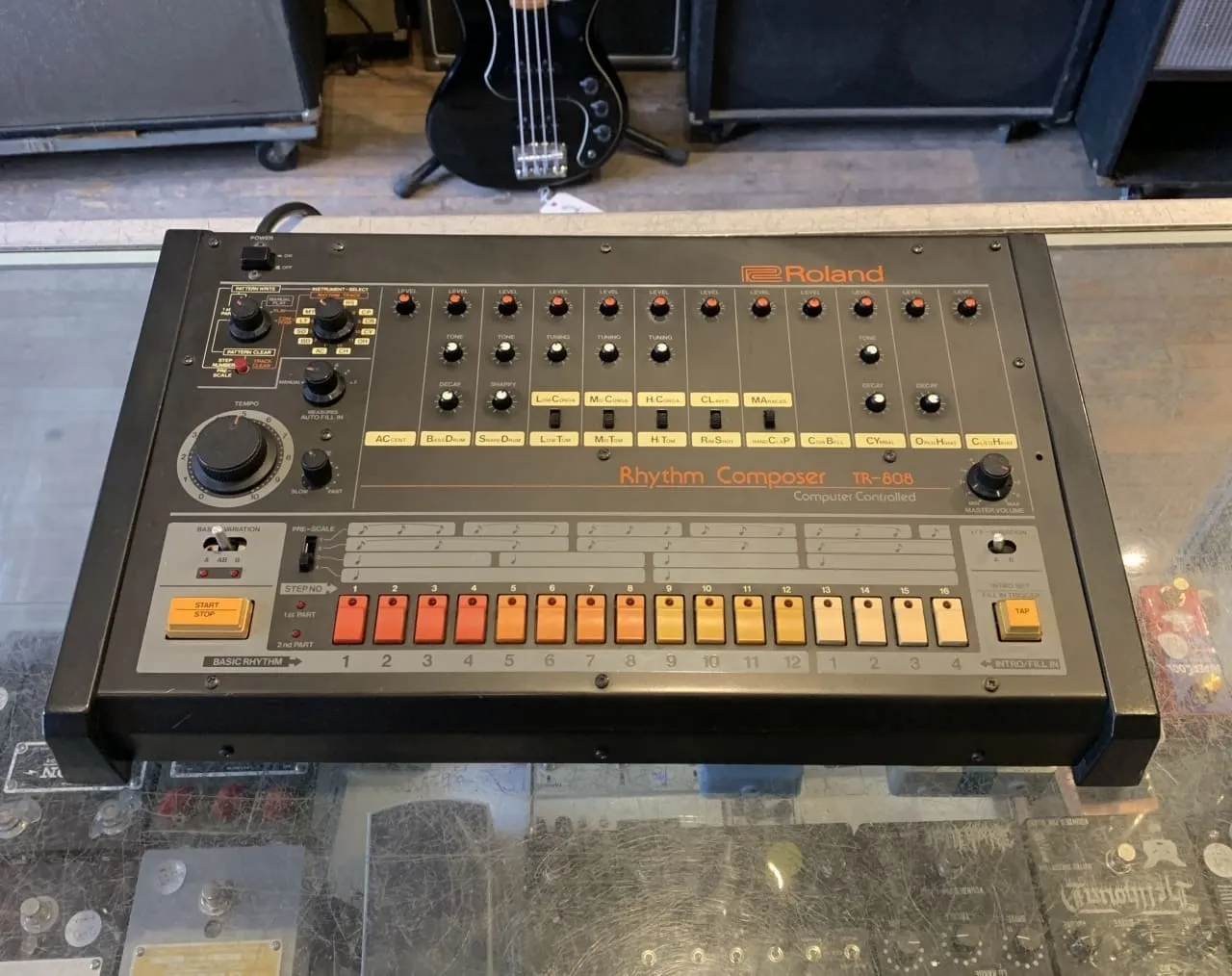
The Roland TR-808 is more than just a drum machine. Released in 1980, it revolutionized the way rhythm was created in music. Its signature deep bass kick, crisp snare, and robotic hi-hats became defining elements across genres like electro, techno, hip-hop, and trance. Despite being discontinued in 1983 due to poor initial sales, the 808 has since become a cult classic, revered for its unique analog sound.
Few instruments in music history have had such a far-reaching influence. From Marvin Gaye’s “Sexual Healing” to Kanye West’s “808s & Heartbreak,” the 808 has embedded itself into the DNA of modern music. In the world of electronic dance music (EDM), it’s nothing short of foundational.
Paul van Dyk’s Personal Connection to the 808
For Paul van Dyk, the Roland TR-808 was not just a tool—it was a creative partner. He first used it during the production of his seminal track “For An Angel”, originally released in 1994. The track would go on to become one of the most iconic trance anthems of all time, and the 808 played a critical role in its rhythm section. When van Dyk later released the E-Work Remix in 1998, named after the legendary Berlin club where he held a residency, the TR-808 continued to anchor the driving pulse of the music.
In his own words, van Dyk shared the importance of this instrument:
“This Roland 808 has been with me since the early days; it’s more than just a machine, it’s a part of my musical journey. From ‘For An Angel’ to countless other tracks, its beat helped shape my sound. I’m proud to lend it to Synthesizer Museum Berlin, where it can inspire the next generation of producers just like it inspired me.”
This deep emotional connection makes the exhibition of the TR-808 even more special—not only for fans of Paul van Dyk but also for anyone interested in the evolution of electronic music.
Synthesizer Museum Berlin: A Haven for Music Technology
The Synthesizer Museum Berlin is known for its extensive collection of vintage analog and digital instruments. With hundreds of iconic devices on display—from modular synths to rare samplers—it’s a destination for musicians, collectors, and enthusiasts. Having Paul van Dyk’s personal TR-808 displayed adds another layer of prestige to the museum’s offerings.
Visitors will now be able to view up close the actual machine that helped shape trance music’s formative years. It’s not just a historical exhibit—it’s a symbol of Berlin’s rich electronic music culture, which continues to influence the global music landscape.
From Studio to Museum: A Journey Through Time
What makes this display remarkable is the story it tells. Paul van Dyk’s TR-808 isn’t just another unit off the shelf—it’s a battle-tested machine that has been in studios, clubs, and live sets for over three decades. It carries the physical fingerprints of one of trance music’s pioneers and has helped create tracks that have moved millions.
Bringing it into the public eye allows fans to engage with the past in a tangible way. For young producers, it’s a chance to see where modern production techniques evolved from. For longtime fans, it’s a reminder of how hardware, creativity, and vision come together to create something timeless.
Celebrating 808 Day: Honoring the Beat That Changed the World
The timing of the announcement—right after 808 Day on August 8—is no coincidence. This global celebration is an annual tribute to the Roland TR-808’s continued relevance in music production. In 2025, Roland marked the occasion with promotions including discounts on its TR-808 software plugin, making the iconic sounds more accessible than ever to modern creators.
By contributing his personal unit to the museum, Paul van Dyk aligns himself with the deeper cultural and musical significance of the 808, not just as an artist but also as a steward of its legacy. His move underscores the fact that while technology evolves, the soul of music remains rooted in these iconic instruments.
The Influence of the 808 on Paul van Dyk’s Career
Looking at van Dyk’s discography, it’s easy to trace the influence of the 808. His early productions were notable for their tight drum patterns, rich analog textures, and meticulous programming—elements that the TR-808 made possible.
Throughout the ’90s and 2000s, as trance music gained international popularity, van Dyk remained at the forefront, thanks in part to his dedication to hardware-driven sound. While many producers moved to software-based setups, van Dyk kept a hybrid approach, allowing his sound to remain warm, precise, and emotionally resonant.
The TR-808’s kick drum, in particular, became a trademark component in many of his club hits. Its unmistakable thump gave his tracks the energy to fill arenas while preserving the subtlety needed for intricate compositions.
Why This Matters for Future Producers
In today’s era of digital convenience, physical gear like the Roland TR-808 reminds producers of the value of tactile creativity. While software emulations exist and are widely used, nothing quite replaces the experience of tweaking real knobs, hearing genuine analog saturation, and working within the limitations that often spark innovation.
By placing his own TR-808 on display, Paul van Dyk offers a message to the next generation: understanding your roots can fuel your future. The past isn’t just for nostalgia—it’s a foundation upon which new genres, sounds, and movements can be built.
A Beat That Lives On
The display of Paul van Dyk’s Roland TR-808 at the Synthesizer Museum Berlin is more than a tribute to a machine. It’s a celebration of a career, a culture, and a sound that has influenced millions. For van Dyk, it marks a moment of giving back—sharing a vital piece of his musical identity with the world.
For fans of electronic music, this is an invitation to reconnect with the origins of rhythm in dance music. For aspiring producers, it’s an opportunity to witness firsthand the instrument that shaped the early works of one of trance music’s greatest innovators.
Ultimately, this exhibition reinforces a timeless truth: while technology continues to evolve, the soul of music lives on in the machines and minds that made it unforgettable.