








Overnight – LeBron James Lost $3.7 Million. What Happened
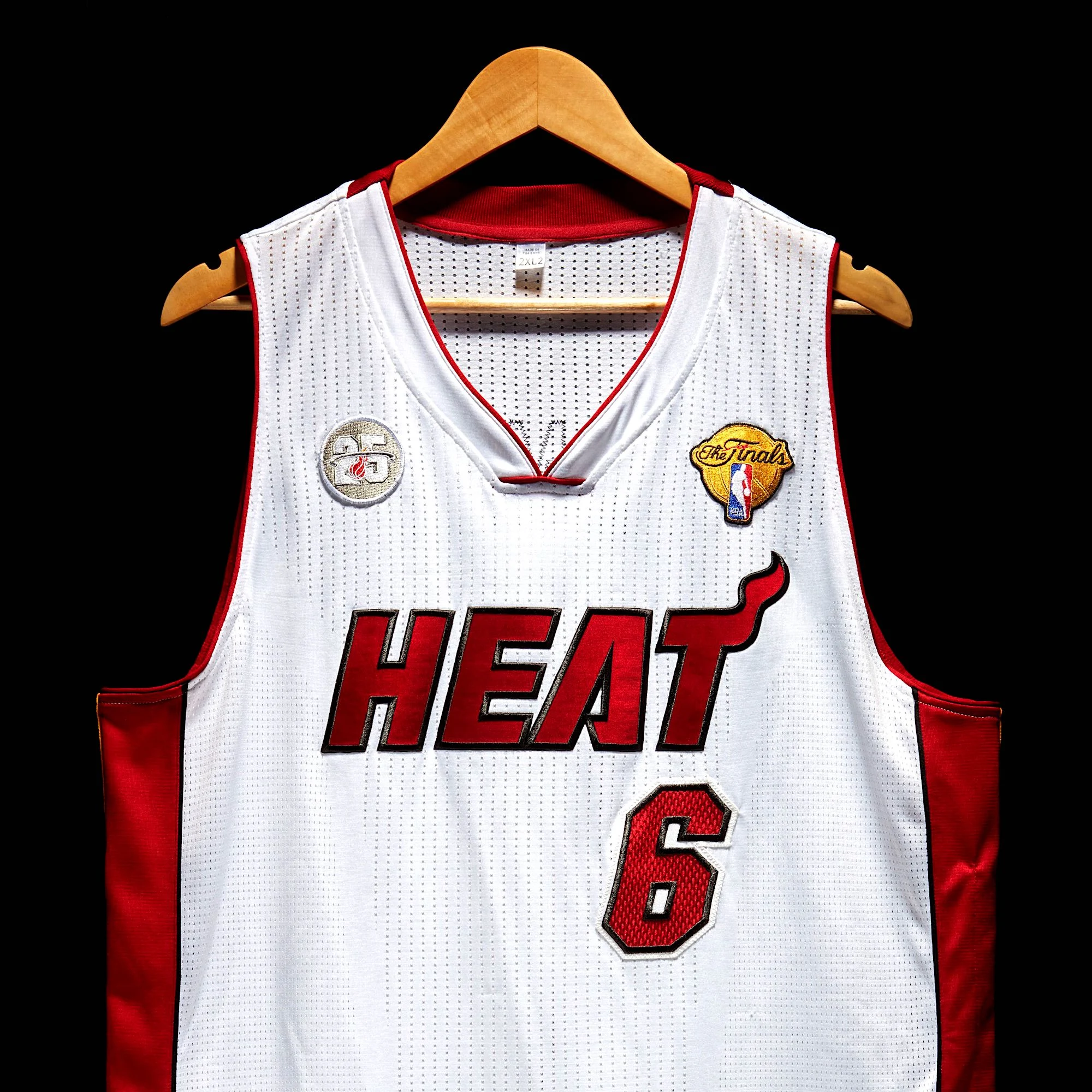
In a staggering breach of trust, former Miami Heat security officer Marcos Thomas Perez has been charged with stealing over 400 game-worn jerseys—most shockingly, the LeBron James jersey from Game 7 of the 2013 NBA Finals. Purchased from Perez for approximately $100,000 this iconic jersey later sold at Sotheby’s for a jaw-dropping $3.7 million, exposing the immense cultural and financial value of sports memorabilia—and revealing a troubling vulnerability in institutional safeguards.
The Jersey That Became History’s Prize
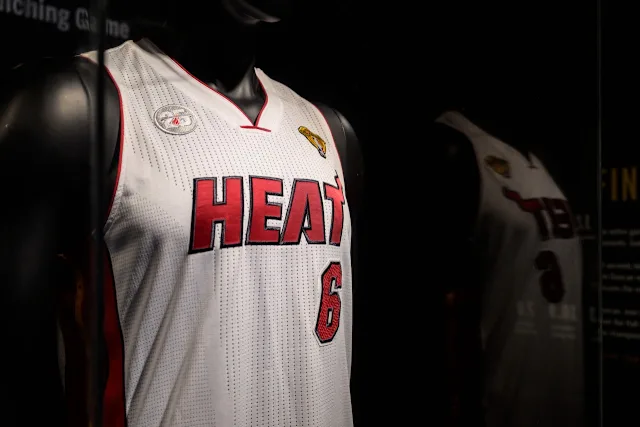
In late 2023, a plain Heat jersey—worn by LeBron James in Game 7 of the 2013 NBA Finals—suddenly became the ultimate sports artifact. What had been a piece of memorabilia meant for a future Miami Heat museum was sold through Sotheby’s for a staggering $3.7 million—a number that struck fans and collectors alike as both awe-inspiring and surreal. This moment served as a chilling marker: how mighty the cultural and financial currents have become in the realm of sports collectibles.
The Betrayal from Within: Perez’s Leverage and Fall
The astonishing backstory? A once-trusted insider, Marcos Thomas Perez—a retired Miami police officer turned security guard—used his access to steal priceless items from the Heat’s secured equipment room at Kaseya Center. Between 2016 and 2021, Perez allegedly pilfered more than 400 game-worn jerseys and other memorabilia, selling over 100 of those items—many at bargain prices—for approximately $2 million. The iconic LeBron jersey was sold by him for about $100,000, a fraction of its true worth.
Later, a raid at Perez’s Miami home on April 3 uncovered nearly 300 additional stolen items, triggering one of the most extensive federal investigations into sports memorabilia theft in history.
Perez now faces federal charges for transporting stolen goods across state lines—a charge which could bring up to 10 years in prison and a $250,000 fine.
The Cultural Value—And Why Collectibles Spark Crime
What fuels this audacious theft? The collectibles market is booming. Items touched by legends like LeBron James now fetch prices rivalling fine art. Just think of Michael Jordan’s “Last Dance” jersey hitting $10 million or Kobe Bryant’s rookie jersey reaching $7 million. LeBron’s rookie card alone recently netted $5.2 million.
When fame, nostalgia, and scarcity collide, they ignite criminal opportunities. Perez’s scheme underscores how high-profile thefts have become more attractive to opportunists—and how institutional safeguards aren’t keeping pace.
Aftermath and Ripples Across the Industry
Trust Eroded
Perez’s betrayal shakes fan trust—especially when items intended to preserve history are used for profit, by someone who once wore the badge of public service. As Miami’s police chief noted, it’s a stain on the integrity the badge symbolizes.
Buyer Caution Tips Up
Collectibles markets are now circled by caution signs. Experts warn buyers to study provenance, reject deals that seem “too good to be true,” and rely on reputable auction houses. The risk: purchasing stolen items that authorities may seize—even years later.
Tightened Security Measures
Museums, teams, and auction houses are being forced to tighten inventory controls, implement better staff vetting, install surveillance, and ensure item movement is meticulously logged.
Fan Reaction: Digital Outrage & Speculation
On Reddit’s r/nba, users exploded with anger and uncanny fascination:
“He flooded the market with Finals gear, lowering value—and now buyers fear any authentic piece may be ‘hot.’”
“This has to be one of the biggest sports heists ever.”
They speculated about inside help and comparisons to Hollywood heists—highlighting how collective imagination meets collective betrayal in moments like this.
Reimagining the Jersey’s Journey
Envision the final seven acts in the jersey’s life:
-
Victorious June 20, 2013: LeBron, victorious, prays midcourt; sweat drips his jersey.
-
Captured in a locker: It rests, destined for posterity.
-
Illicit midnight removal: Perez slips it into his bag, masked by routine.
-
Altered and shipped: Packaged discreetly, marked for an anonymous buyer.
-
Auctioned under lights: Sotheby’s reveals it, poised, authenticated, celebrated.
-
Standing under the gavel: It sells for $3.7 million—echoing both glory and grief.
-
Now displayed forever: A reminder of history… and fragility.
The Legacy Conversation
What is lost—and gained—in this scandal?
-
Preservation vs. Predation: Collectibles should preserve history—but Perez turned preservation into predation.
-
Hero’s Artifact vs. Criminal Stock: A jersey that meant victory became evidence in a federal case.
-
Wake-up for the Market: Collectibles are no longer just economic assets—they endanger far more: trust, legacy, and memory.
Conclusion: Priceless, But Perilous
The heist of LeBron James’s Game 7 jersey is more than a crime—it’s a narrative crack in the vault of sports legacy. Its journey from a game-winning artifact to an insured auction centerpiece reflects the duality of our sports culture: fueled by passion, but prone to exploitation.
As the investigation unfolds, one truth remains clear: safeguarding the past means recognizing the peril that comes with putting history in the hands of those entrusted with its care.
Related News