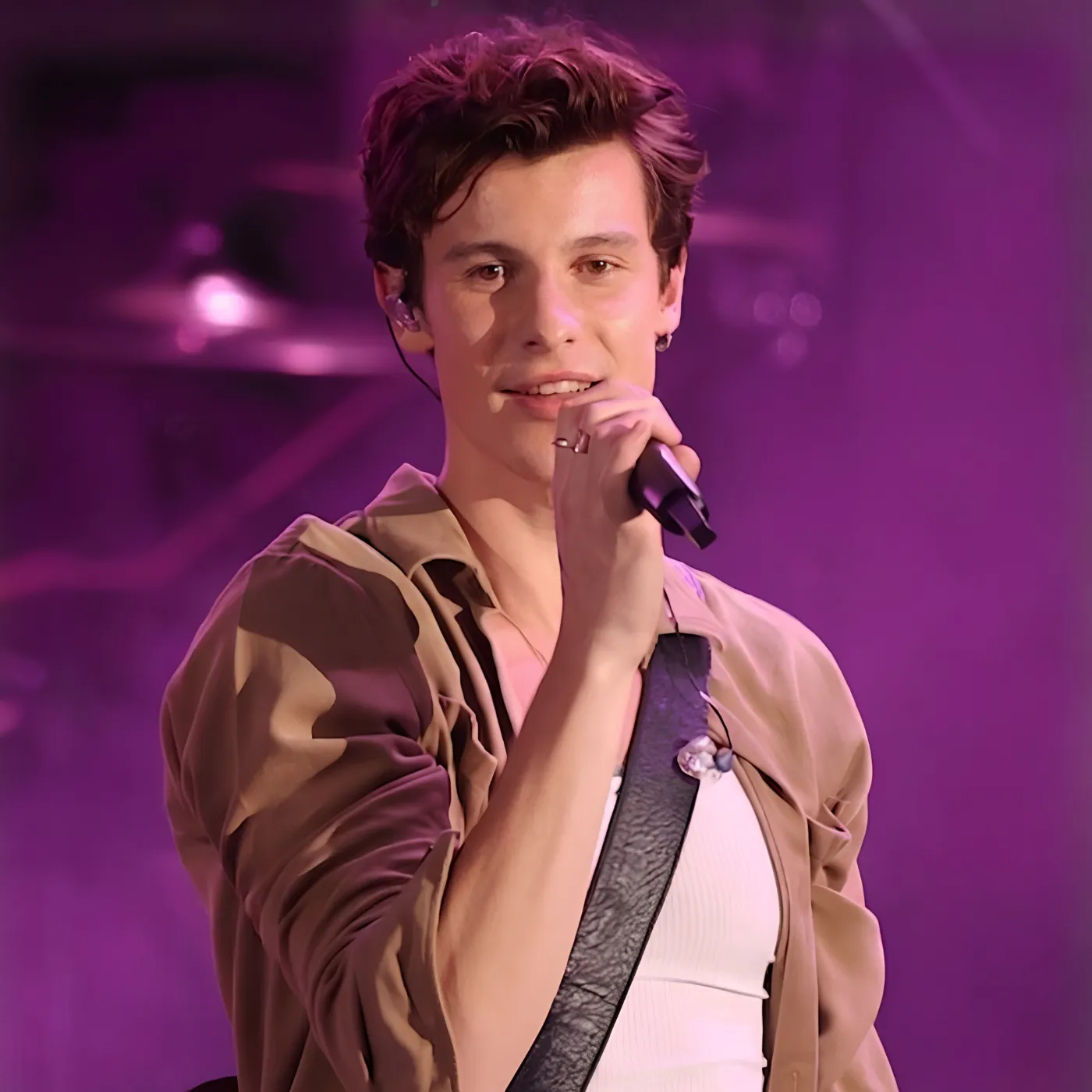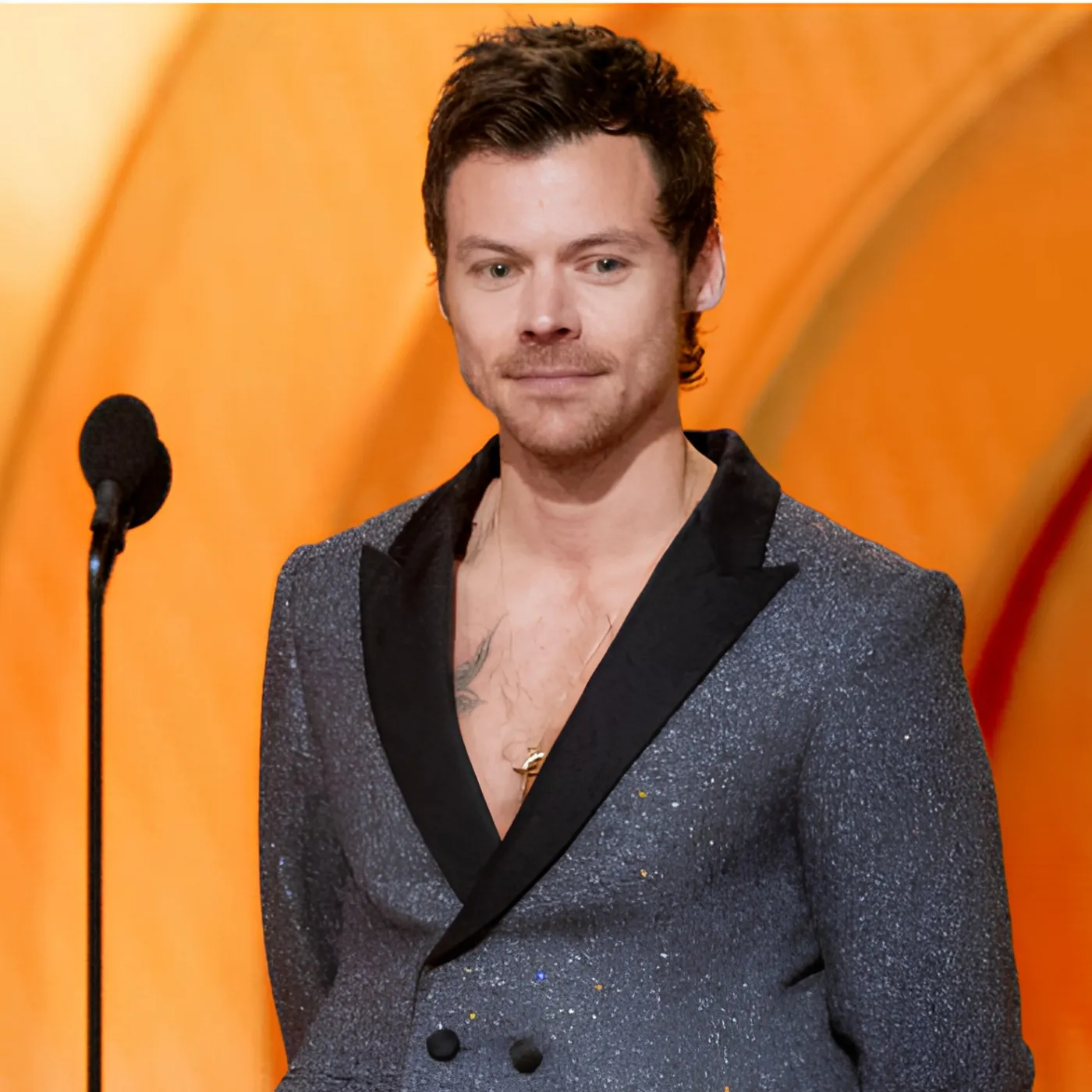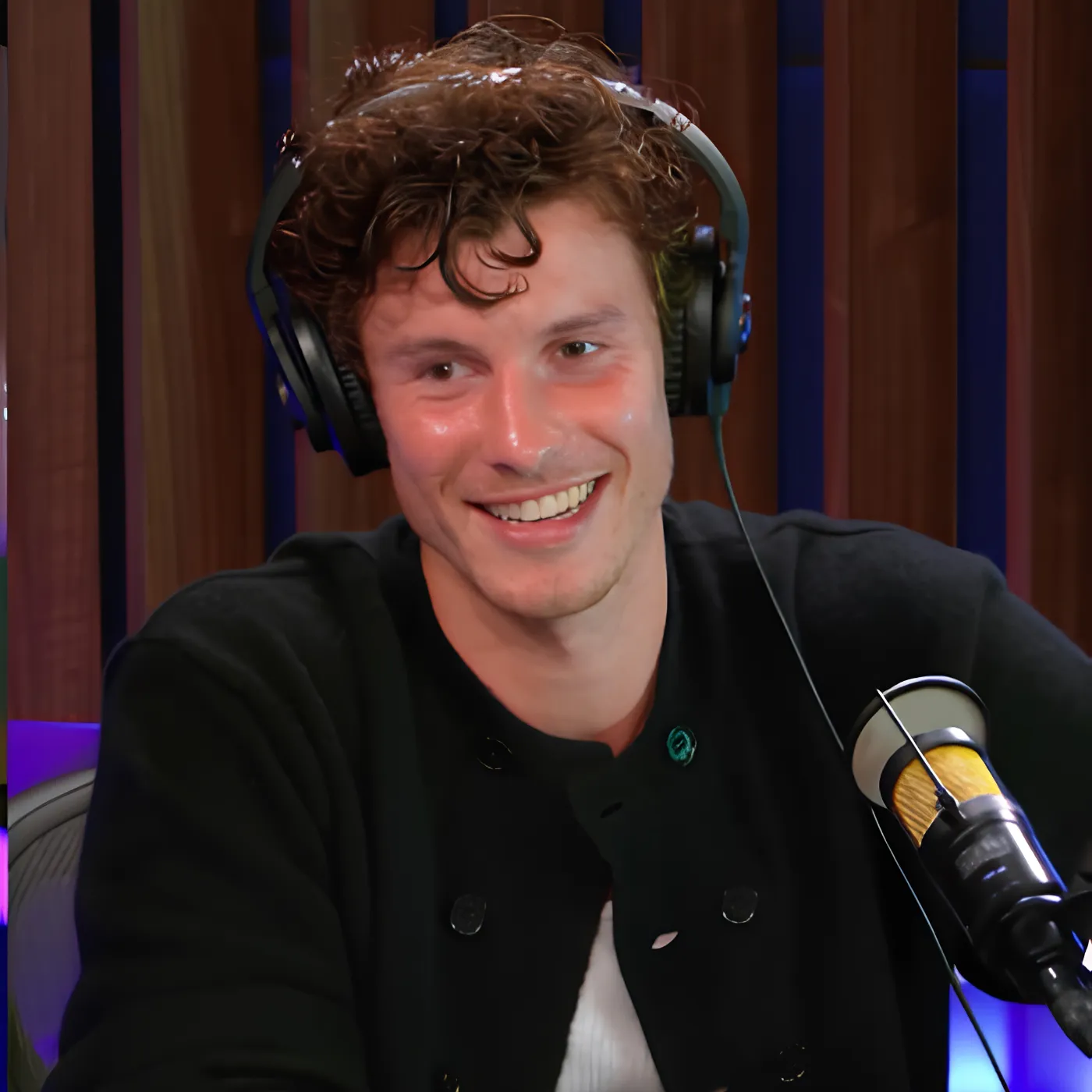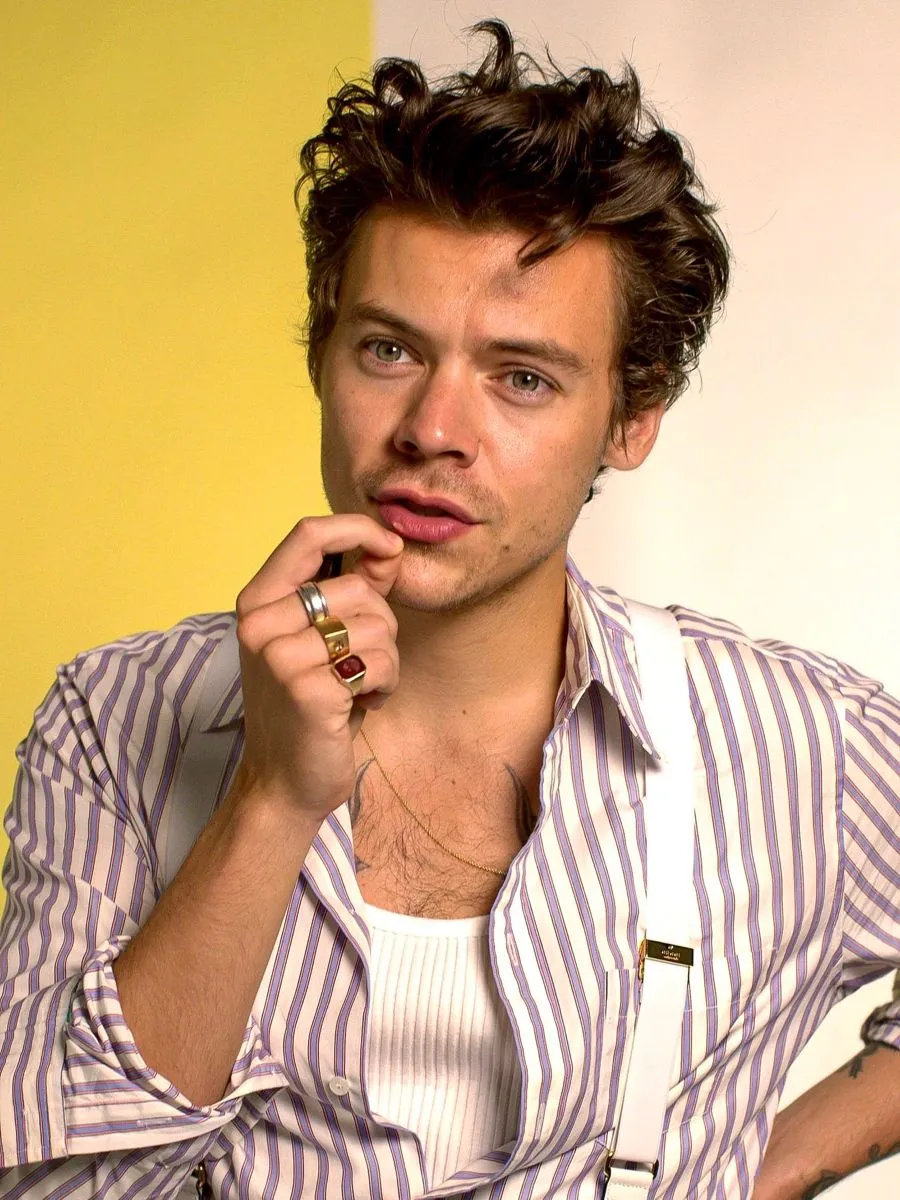
Once the ‘Cute One’ of One Direction — Now a Cultural Icon No One Dares to Imitate!
From Boyband Heartthrob to Global Force of Fashion, Music, and Freedom: The Astonishing Evolution of Harry Styles “He used to be the one with dimples and curls. Now? He’s rewriting the definition of masculinity, one silk dress at a time.”
In the hyper-controlled world of boybands—where every smile is rehearsed and every outfit pre-approved—it’s rare, almost unthinkable, for one member to truly break free. But Harry Styles didn’t just break free. He obliterated the mold.
Once dubbed the “cute one” of One Direction, he was the fan favorite, the safe choice, the one who looked like he was born to sell out stadiums—but only with his band. Fast forward to 2025, and Harry Styles is something else entirely: a genre-defying artist, a fashion renegade, and perhaps the most fearless male pop star of the decade.
But the real question isn’t how far he’s come. It’s this: How the hell did he do it—without becoming a caricature or crashing along the way?
The Solo Leap: Breaking Free from the Bubblegum Machine
When One Direction went on hiatus in 2016, most fans braced themselves for a string of underwhelming solo projects. After all, boyband breakups rarely end well—unless you’re Justin Timberlake.
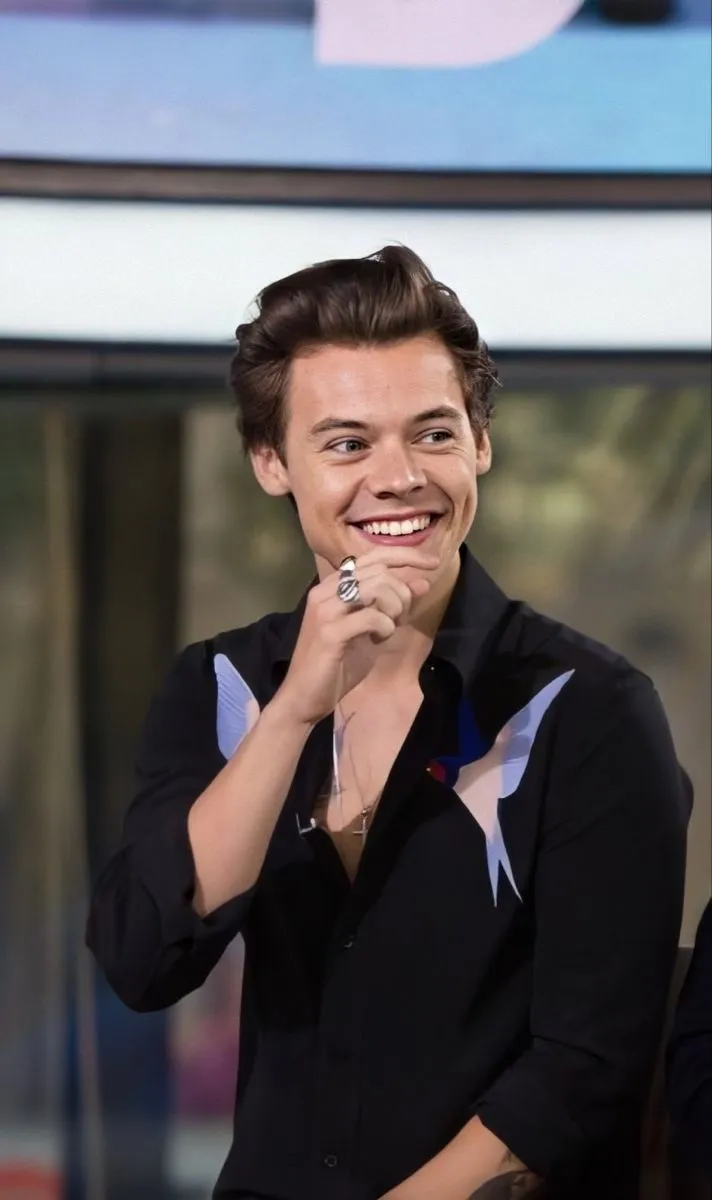
But Harry’s debut solo album, Harry Styles (2017), changed everything. Instead of sticking to formulaic pop, he took a bold left turn. “Sign of the Times,” the lead single, was a haunting glam-rock ballad more Bowie than Bieber. Critics were stunned. Fans were divided. And Harry?
He didn’t blink. “This wasn’t just a solo debut,” Rolling Stone wrote. “It was a declaration of independence.”
By the time Fine Line (2019) dropped—with its psychedelic sounds, emotional lyrics, and chart-topping anthem “Watermelon Sugar”—Harry had solidified his identity as a true artist, not just a former teen idol playing dress-up.
And Fine Line didn’t just chart—it shattered expectations, landed him a Grammy Award for Best Pop Solo Performance, and earned a place on Rolling Stone’s 500 Greatest Albums of All Time.
Harry’s House, Harry’s World
Then came Harry’s House (2022)—a warm, intimate, genre-blending album that felt like a hug and a wink at the same time. With songs like “As It Was” dominating global charts and winning Album of the Year at the 2023 Grammy Awards, Styles had done the unthinkable:
He had outgrown One Direction so completely, it became hard to remember he was ever part of it.
Even more impressive? His Love On Tour became one of the highest-grossing tours in recent history, out-earning all of One Direction’s tours combined. That’s not a breakout. That’s a hostile takeover—in Gucci boots.
Fashion as Weapon: The Rise of the Genderless Icon
If Harry’s music was a surprise, his fashion revolution was a cultural earthquake.
In December 2020, he appeared on the cover of Vogue U.S. wearing a full-length blue lace dress. It wasn’t a costume. It wasn’t satire. It was Harry being Harry—and it sparked a firestorm. “Wearing what he wants isn’t radical,” British GQ declared, “but the world’s reaction proves it still is.”
Some conservative pundits attacked him for “destroying masculinity.” Others praised him for destroying toxic masculinity. Meanwhile, fashion critics and LGBTQ+ voices hailed him as a trailblazer for androgynous freedom, a modern David Bowie for the Gen Z era.
Gucci, Pleasing, and other luxury brands took notice—making Harry the face of high fashion without boundaries. His red carpet looks are now studied, dissected, and imitated—but never duplicated.
Because let’s face it: no one wears pearls, leather, and a feather boa like Harry Styles.
The “Tacky” Accusation — and Why It Doesn’t Stick
Sure, some skeptics have dismissed Harry’s evolution as “manufactured” or “aesthetic for attention.” But the facts don’t back that up.
He refuses to use social media as a performance tool.
He rarely explains his fashion choices.
He lets the art—and the audience—decide.
In a world of overexposed, over-filtered stars, Harry remains refreshingly underexplained. Which is why his authenticity hits harder than any tweet or TikTok trend. As The Guardian once noted:
“Harry Styles doesn’t dress to shock. He dresses to express. That’s the difference.”
Beyond the Mic: From Screen Roles to Cultural Leadership
His transition into acting—from Dunkirk (2017) to Don’t Worry Darling (2022)—proved that he wasn’t just dabbling. Directors call him “disciplined.” Co-stars say he “soaks up energy like a sponge.” Even if his acting reviews are mixed, his onscreen presence is undeniable.
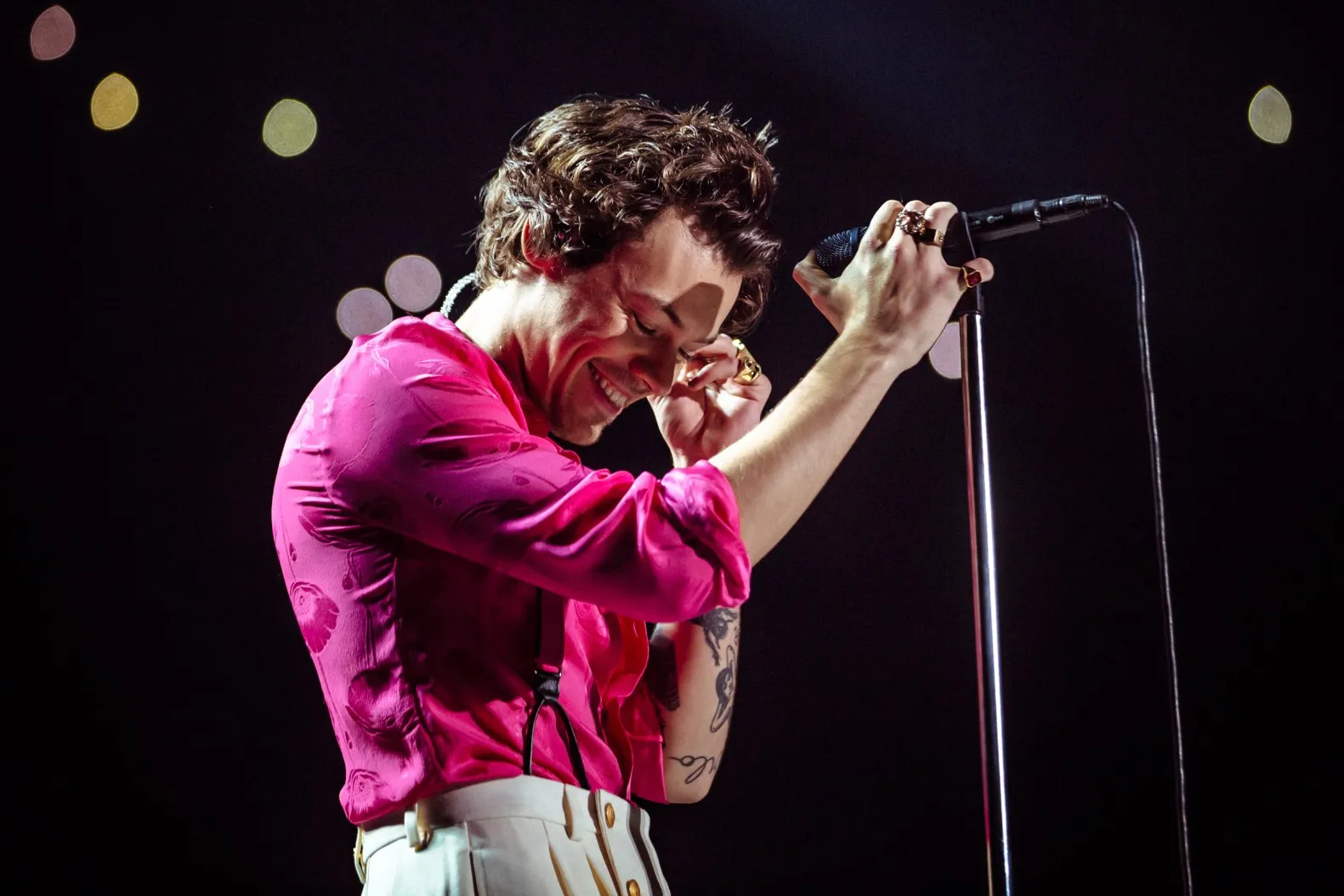
But more than acting, it’s Harry’s cultural leadership that cements his place in modern history. He speaks out about mental health, gender fluidity, and kindness—not in preachy Instagram lives, but through lyrics, interviews, and how he lives.
He wears his beliefs the way he wears nail polish: boldly, effortlessly, and unapologetically.
So why does no one else manage to do what Harry Styles has done?
In an industry full of pop stars trying to break boundaries, few—if any—do it with the same effortless grace. The reason is simple: Harry Styles isn’t chasing headlines. He’s not manufacturing controversy or gimmicks. Instead, he’s chasing something far more enduring—truth, artistic freedom, and personal growth.
He didn’t burn the bridge from One Direction—he simply outgrew it.
Rather than rebel for the sake of rebellion, Harry Styles built his own island—a space where he could evolve on his own terms. It’s not just a career shift; it’s a cultural reinvention. And in doing so, he’s not just setting trends—he’s becoming the standard others try (and fail) to follow.
Conclusion: A Pop Star Reinvented — or a Cultural Blueprint?
Harry Styles didn’t just survive the boyband curse—he redefined what comes after. He took the predictable post-boyband trajectory, turned it inside out, draped it in a feather boa, and strutted it down a metaphorical runway. It wasn’t rebellion for rebellion’s sake—it was creative reinvention, and it worked.
Today, Harry Styles is no longer just a pop star—he’s a cultural blueprint.
A new model built on fearless self-expression, genre-bending music, and a total disregard for traditional expectations. If you’re still wondering, “Is he for real?”—then you’re missing the entire point. Because this isn’t just an artist evolving. It’s a cultural movement wearing pearls and velvet boots.