








No One Saw This Coming: Harry Styles’ Biggest Hit Was Inspired by a Haunting Post-Apocalyptic Novel – And It All Ties Back to His Ex?
Harry Styles, a Dystopian Novel, and a French Model Walk Into a Studio…
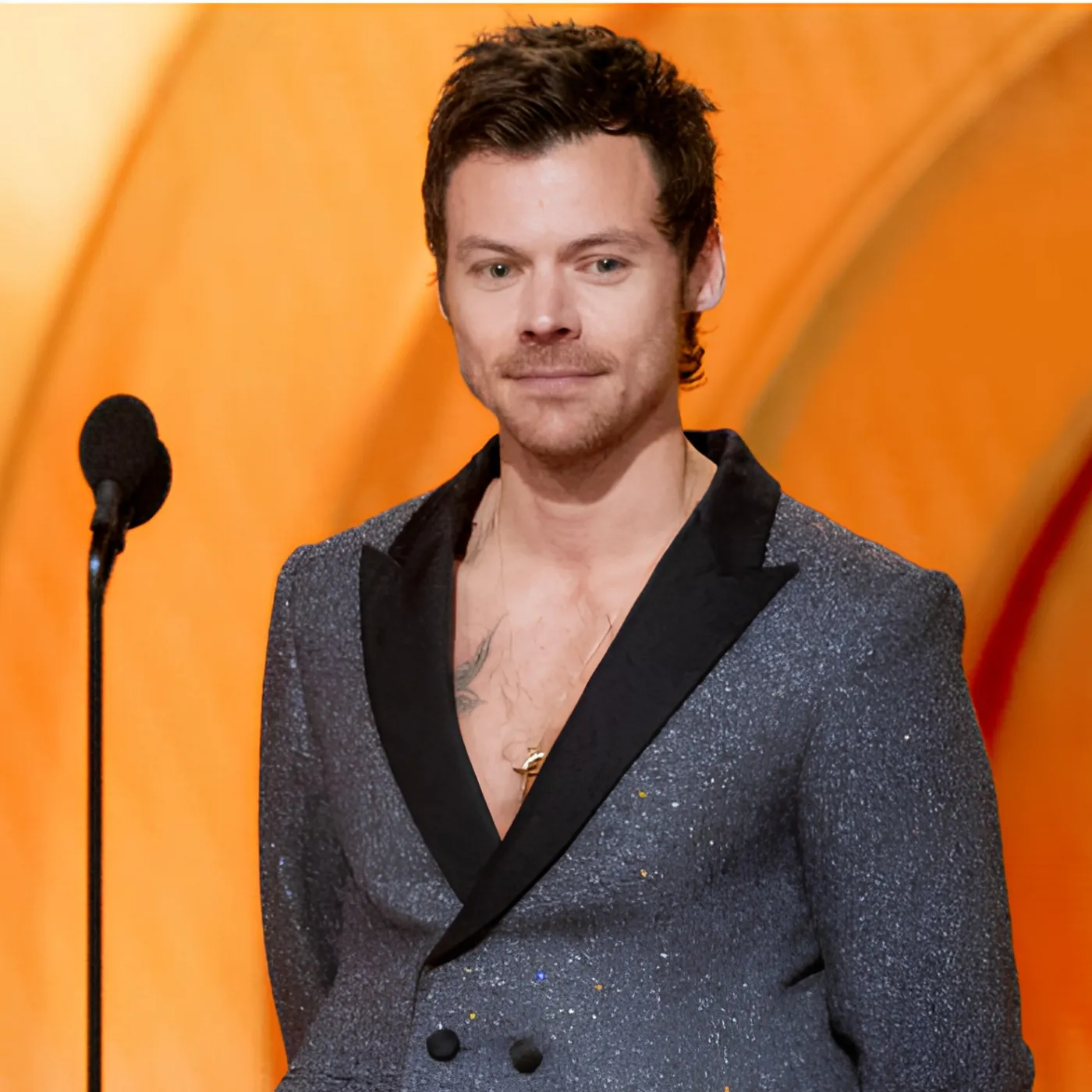
When Watermelon Sugar first dropped in 2019, no one expected the groovy, sun-drenched anthem to become one of Harry Styles’ most iconic solo singles. Fans immediately latched on to its summery vibes, sensual lyrics, and nostalgic ‘70s flair. But beneath the surface of the breezy tune lies a deeply personal, literary, and shockingly dark inspiration that few people have truly uncovered. Until now.
What if we told you this massive pop hit was actually born out of a bizarre, post-apocalyptic American novel – one gifted to Harry by his ex-girlfriend, French model Camille Rowe? And what if the novel’s haunting, fragmented world still echoes in the background of the song every time it plays?
A Love Story Disguised as Pop?
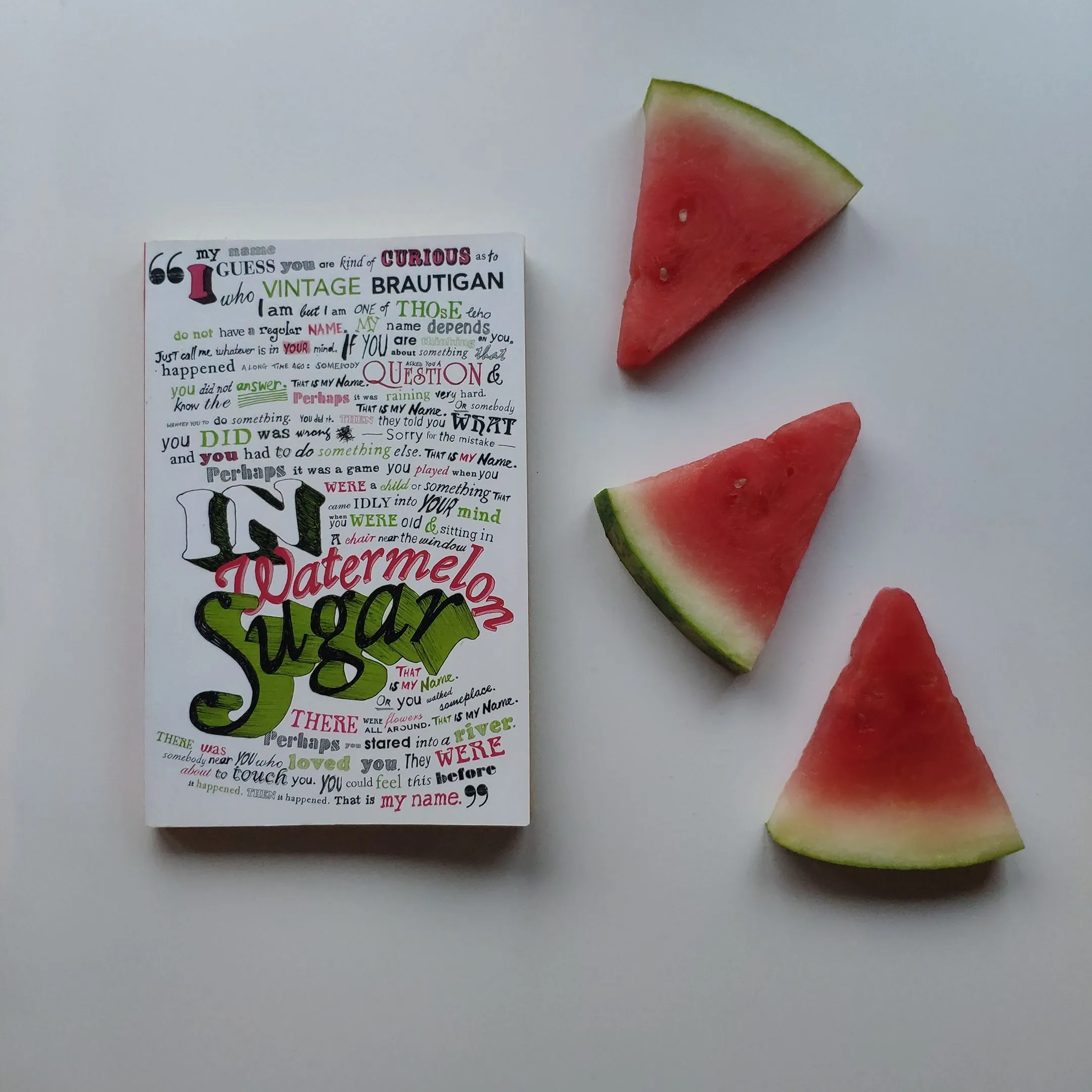
Let’s rewind. Between 2017 and 2018, Harry Styles and Camille Rowe were one of the most talked-about couples in fashion and music. Although the relationship ended quietly, traces of Camille have been said to linger in much of Harry’s Fine Line album. But it turns out her influence might go deeper than anyone realized. During their time together, Rowe reportedly gave Styles a copy of Richard Brautigan’s surreal 1968 novel In Watermelon Sugar. And that detail, now resurfaced, is turning fans’ interpretations of Watermelon Sugar upside down.
Could a breakup gift really change the course of pop music? The answer might be yes – and the rabbit hole is deeper than it looks.

So, What Is “In Watermelon Sugar”? (Spoiler: It’s Not Sweet)
Richard Brautigan’s cult classic novel In Watermelon Sugar is not your typical beach read. Set in a dystopian commune-like society where everything – buildings, rivers, even the sun – can be made of watermelon sugar, the novel is a blend of poetic dreamscape and post-apocalyptic absurdism. Themes of loss, disconnection, emotional numbness, and identity are woven throughout its cryptic narrative. Nothing is fully explained. Everything feels like it’s melting at the edges.
And yet, that’s the book Harry Styles drew from. A book about remembering a love that was once vivid, now gone. A book where saccharine sweetness masks existential despair. Sound familiar?
Is it possible that what sounded like a sultry summer bop was actually Styles processing heartbreak and philosophical disillusionment? The breadcrumbs seem to say yes.
“Watermelon Sugar” – A Code, Not a Crush
When asked about the meaning of Watermelon Sugar, Styles famously dodged clear answers. “It’s about the sweetness of life,” he once said vaguely in interviews. Others speculated it was about oral sex. Some saw it as a metaphor for fleeting happiness. But few, if any, connected it to a mid-century literary fever dream about post-love emotional landscapes and fragmented reality.
Now, revisiting the song in the light of In Watermelon Sugar, the pieces start falling into place. “I just want to taste it / Watermelon sugar high” suddenly doesn’t sound just romantic – it sounds addicted, detached, like someone chasing a memory that’s already faded. The repetition, the dreamy production, the overwhelming sensuality — it’s less about love, and more about loss disguised as euphoria.
And the fact that the title matches a novel gifted by his now-ex? That feels less like coincidence and more like deliberate homage.
Camille Rowe – The Uncredited Muse?
This isn’t the first time Camille Rowe’s shadow has loomed over Harry Styles’ work. The track “Cherry” from Fine Line even features a voicemail from her in French. But Watermelon Sugar predates that and, according to timelines, could have been one of the first songs Styles wrote after their split.
It’s poetic, almost painfully so. A French supermodel hands you a strange American novel that masks pain under sweetness. You fall in love, then fall apart. And when you finally try to process it, you write a song that sounds like sunshine but feels like goodbye.
Is Camille Rowe the true origin of the ‘sugar high’? Or was she just the trigger that opened the door to something Styles had buried deeper? Either way, her influence seems undeniable.
A Pop Star Obsessed with Obscure Literature?
For those surprised by Styles’ choice of inspiration, think again. While his image screams effortless cool, Harry has long been a collector of vintage books, obscure poetry, and surrealist art. The man reads Joan Didion, references Haruki Murakami, and now apparently draws songwriting inspiration from one of the strangest novels of the 20th century.
In Watermelon Sugar isn’t just an unusual book – it’s a cult artifact, a symbol of countercultural grief. To use it as a lyrical touchstone in a global pop song? That’s either genius or madness. Or both.
And yet, that artistic duality may be exactly what makes Styles such a compelling figure. He’s always hiding complexity beneath the surface. Always offering glitter while holding back the wound.
Why Fans Are Only Now Piecing This Together
So why is this connection only now going viral? In recent months, BookTok and PopCulture Reddit users began resurfacing old interviews and fan theories linking Brautigan’s novel to the hit single. One particular clip from an old Rolling Stone interview where Styles mentions the book “in passing” has now racked up over 8 million views, sparking a fresh wave of curiosity.
Could we have misunderstood one of the most played songs of the last decade? And more importantly – what else has Styles hidden in plain sight?

The Viral Ripple Effect – Watermelon Sugar’s Second Life
With this new interpretation catching fire online, Watermelon Sugar is having a second life. Literary fans are flocking to read In Watermelon Sugar for the first time. TikTok creators are stitching scenes of the book’s haunting imagery with the track’s chorus. And fan-made edits pairing Styles and Rowe’s old photos with cryptic quotes from the novel are gaining thousands of shares.
What started as a casual mention is now a full-blown fan reawakening. Because nothing goes viral faster than a hidden layer waiting to be decoded.
Final Thought: Will You Ever Hear It the Same Way Again?
Harry Styles has never been one to spoon-feed his audience. But Watermelon Sugar might be his most deceptive track of all – a Trojan horse of heartbreak wrapped in sunshine and synths. Now that the secret is out, the next time it plays, listen a little closer. That sweet, intoxicating vibe? That sugar high? It might just be the sound of a broken heart echoing through watermelon dreams.