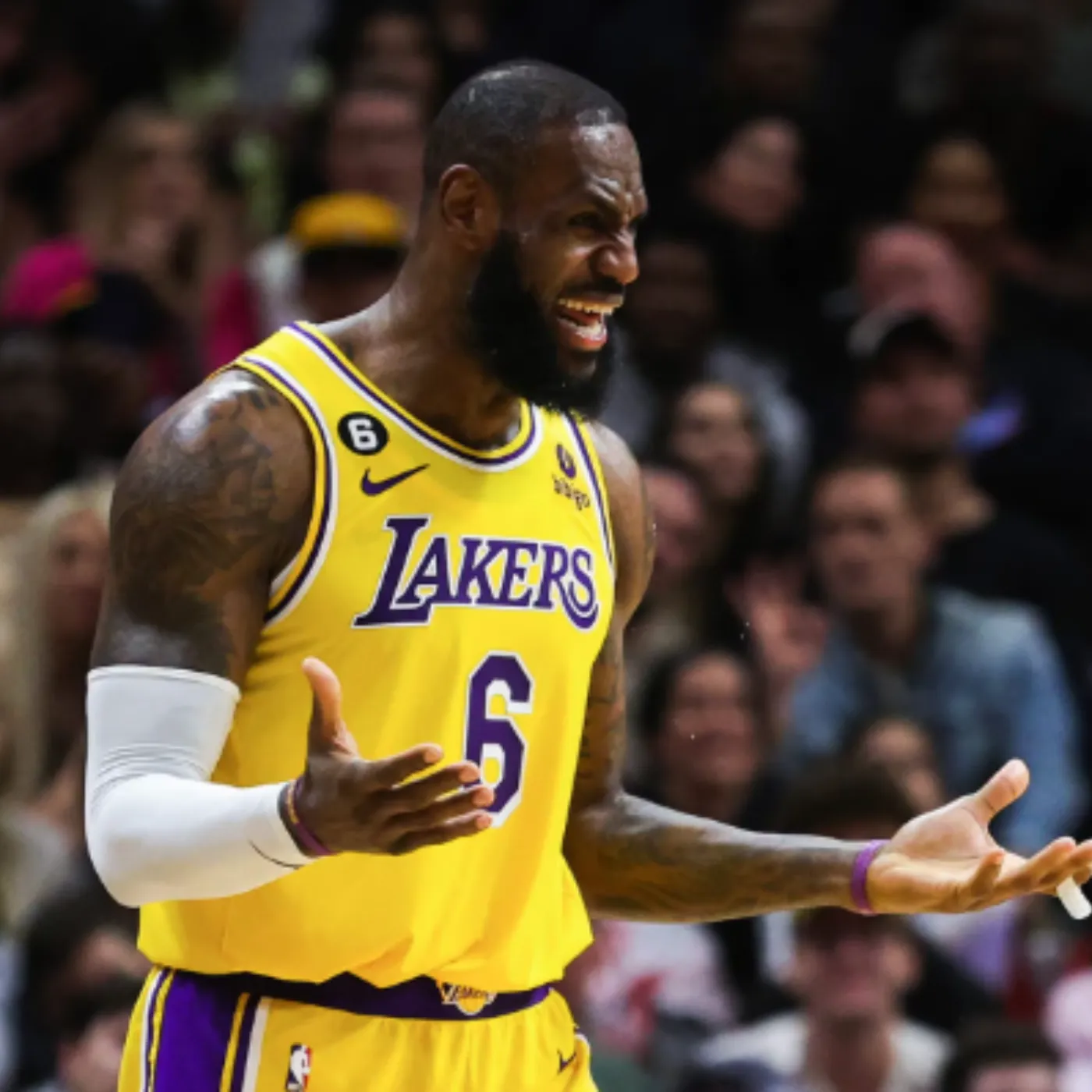








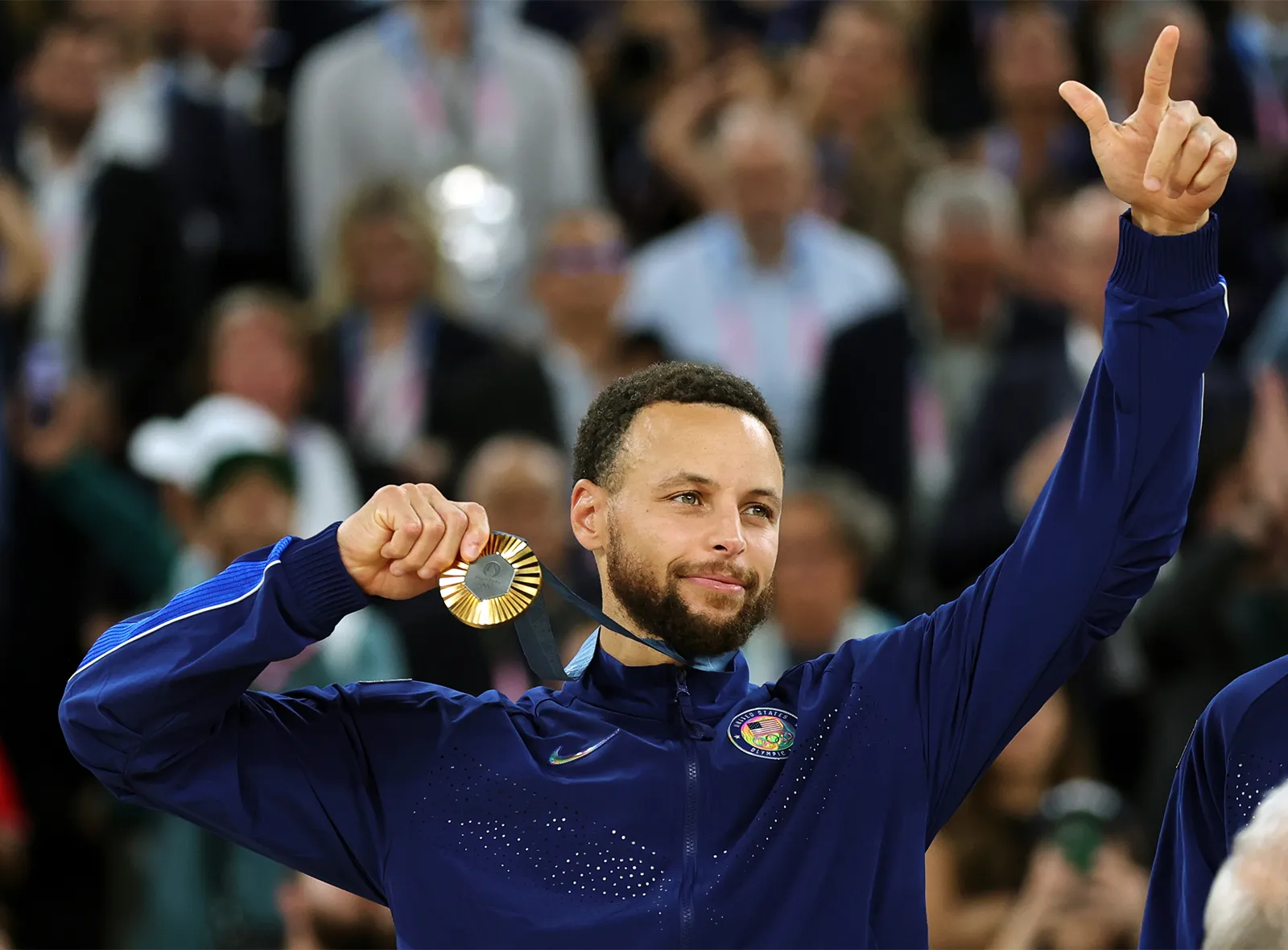
Never Before This Controversial: Is Curry’s Revolution Turning the NBA into a Circus? Here’s Why
Stephen Curry is celebrated as one of the greatest players in NBA history, a revolutionary figure who reshaped the very geometry of the game. With his lightning-quick release and jaw-dropping three-pointers, Curry has redefined what it means to be an offensive weapon. To many, he’s a hero who brought fun, energy, and creativity back to the league.
But here’s the catch: some argue that Curry’s revolution hasn’t only elevated the NBA — it may have broken it. Former NBA champion Matt Barnes recently stated that while Curry’s three-point revolution is a blessing, it’s also a problem. The game we love today looks nothing like it did a decade ago. Faster, flashier, but perhaps less balanced — and critics are beginning to ask whether the NBA has become too one-dimensional, or even a “circus” of long-range shots.
This article dives deep into the controversy. We’ll explore the statistical proof of change, the blessings Curry brought, the unintended consequences for players and fans, and the long-term risks for basketball as a sport.
The Three-Point Revolution: How Curry Changed Everything
Before Curry, the three-pointer was an accessory. It was a weapon used occasionally, often by specialists or in desperation when the clock ran low. Teams still relied heavily on mid-range jumpers, post-up plays, and dominant big men.
Then Curry entered the league and flipped the script. His unlimited range, quick release, and accuracy made the three-pointer not just an option, but the focal point of offense. Suddenly, coaches across the league began to restructure their entire strategies around pace, space, and the deep ball.
Matt Barnes put it bluntly: Curry transformed the NBA into a faster game, one where teams prioritize the three above almost everything else.
-
In the 2013–14 season, the average NBA team scored around 100 points per game and attempted 22.4 three-pointers per game.
-
By the 2023–24 season, those numbers skyrocketed to 114.7 points per game with 34.8 three-point attempts per game.
That’s not evolution — that’s revolution.
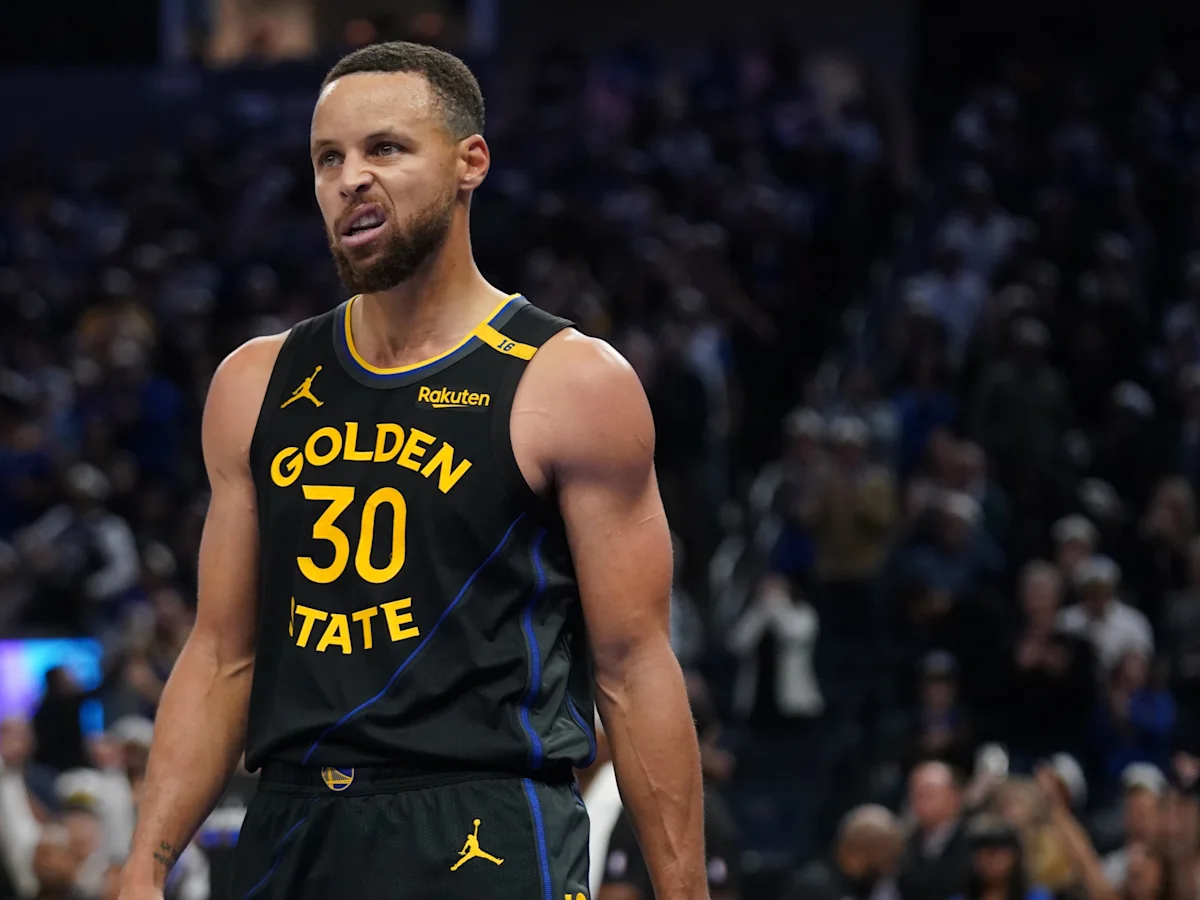
The Blessing: Why Curry’s Style Is Addictive
Let’s be fair. Curry’s style brought enormous positives to basketball.
Higher Entertainment Value
Fans love fireworks. Three-pointers create momentum swings, buzzer-beater highlights, and dramatic finishes. Curry’s deep bombs feel like magic tricks — defying logic yet executed with precision. The NBA became more watchable than ever.
Global Influence
Curry’s approachable physique (he’s not a 7-foot giant) inspired kids worldwide. Suddenly, young players didn’t need to be tall centers to dream of NBA glory; they just needed a deadly jumper. His revolution expanded basketball’s reach far beyond the paint.
Offensive Explosion
High-scoring games are good for ratings. Networks and advertisers thrive when games hit 120 points with back-and-forth three-point barrages. Curry turned the NBA into must-watch entertainment, blending sports with spectacle.
In this sense, Curry’s revolution feels like a blessing. But every blessing hides a shadow.
The Problem: Has the NBA Lost Its Soul?
While Curry’s shooting spree elevated excitement, Barnes argues it also created serious problems.
The Death of Diversity in Playstyles
Basketball used to be a mosaic of strategies. Dominant post-ups from Shaquille O’Neal, mid-range artistry from Kobe Bryant, bruising rebounding battles under the rim. Today? Nearly every team plays the same way: pace-and-space, launch threes, and live with the results.
The beauty of stylistic diversity is vanishing. When everyone copies Curry, the league risks becoming monotonous.
The Forgotten Big Man
Once upon a time, centers were kings. Post-up footwork, back-to-the-basket dominance, and rim protection defined the game. Now, many big men are forced to stretch the floor, often shooting threes themselves, just to survive in modern offenses. Traditional post-play is on life support.
Barnes laments this shift, warning that an overreliance on three-pointers has caused traditional skills to fade from memory.
Hero Ball Gone Wrong
For every Curry who can hit threes at 43% from 30 feet, there are dozens of players who can’t. Yet young stars often imitate his style without the talent to match. The result? Bad shot selection, wasted possessions, and a distorted understanding of “good basketball.”
The Curry Effect on the Next Generation
One of the most troubling consequences is how Curry’s revolution influences young players.
Kids growing up in gyms worldwide no longer idolize post moves or mid-range jumpers. They stand at half-court, practicing deep threes, convinced that’s the path to stardom.
Barnes calls this the “Curry and Klay Effect”: if Curry does it, everyone wants to copy it, even if they lack the skillset. Coaches now struggle to teach fundamentals like footwork, spacing, or defense because players only care about long-range shooting.
In short, Curry inspired millions — but possibly at the cost of basketball’s foundation.
Circus or Evolution? The Debate Intensifies
The controversy boils down to one question: has Curry’s revolution made the NBA better or worse?
The “Circus” Argument
Critics argue that the NBA is turning into a three-point carnival, with possessions ending in rushed bombs rather than tactical plays. Every game risks becoming a repetitive shootout rather than a balanced competition of skills.
The “Evolution” Argument
Supporters counter that basketball is supposed to evolve. Just as the shot clock, three-point line, and zone defenses changed the sport, Curry represents the natural next step. His genius shouldn’t be punished — it should be celebrated.
The Middle Ground
Perhaps the truth lies somewhere in between. Curry’s brilliance opened doors, but the league must balance innovation with tradition to avoid losing its soul.
Long-Term Consequences for the NBA
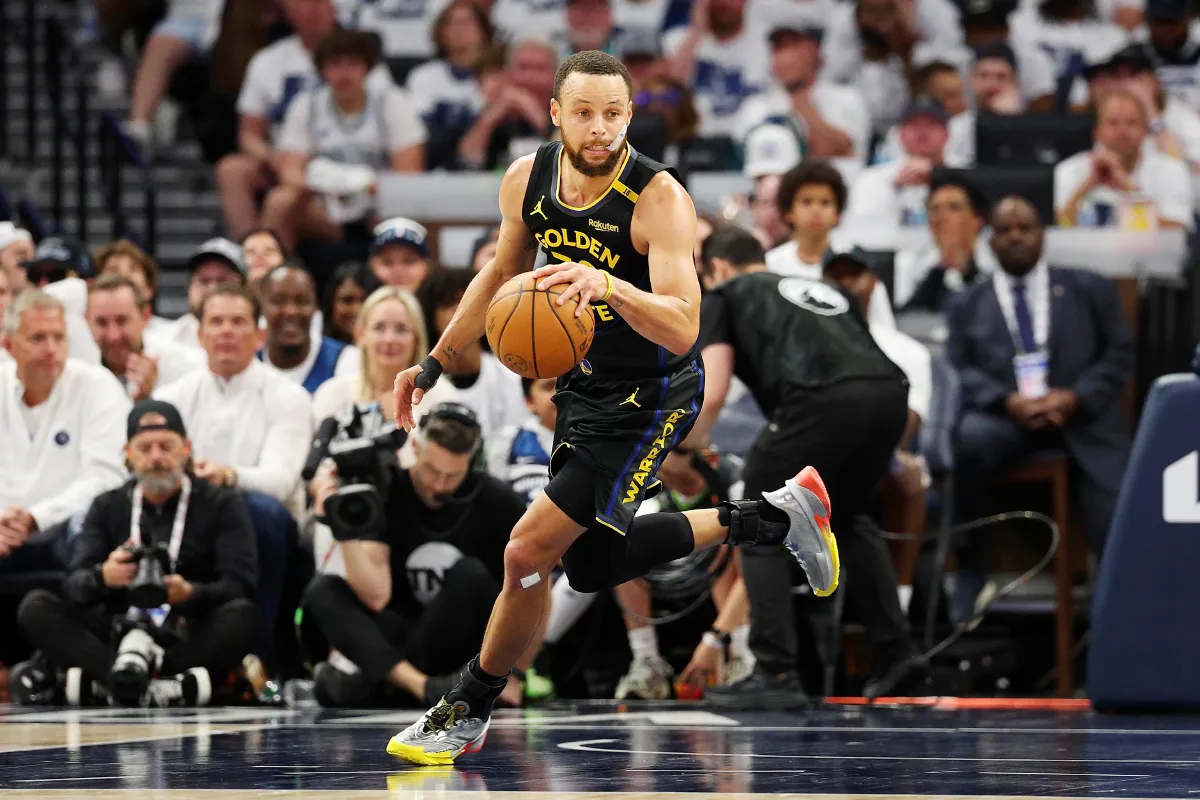
The story doesn’t end here. The effects of Curry’s revolution will echo for decades.
-
Youth Development: If fundamentals continue to erode, the NBA risks producing one-dimensional players.
-
Injury Risks: Constant long-distance shooting strains bodies differently than traditional play. Will today’s shooters face new health issues tomorrow?
-
International Basketball: Countries influenced by Curry may adopt the same style, potentially diluting the diversity of the global game.
-
Fan Fatigue: If every team plays the same way, will fans grow bored of endless three-point contests?
The NBA thrives on drama, personalities, and highlight reels. But drama alone can’t sustain the integrity of the game.
Final Thoughts: Curry the Genius, Basketball at a Crossroads
Stephen Curry is not to blame for being great. His revolution was inevitable once a talent like his came along. He didn’t break basketball maliciously — he simply stretched its boundaries further than anyone thought possible.
But like every revolution, it comes with consequences. Fans and analysts must ask: are we watching basketball evolve, or are we watching it lose the balance that made it special?
Barnes’ warning shouldn’t be dismissed. Curry’s magic may be both a blessing and a curse — a gift that elevated the NBA, but also one that risks turning it into something unrecognizable if left unchecked.
The question remains: is the NBA becoming a circus, or simply stepping into its boldest era yet?
Related News