







MPJ Said Something That Made The Online Community Criticize Him For Being Overconfident.
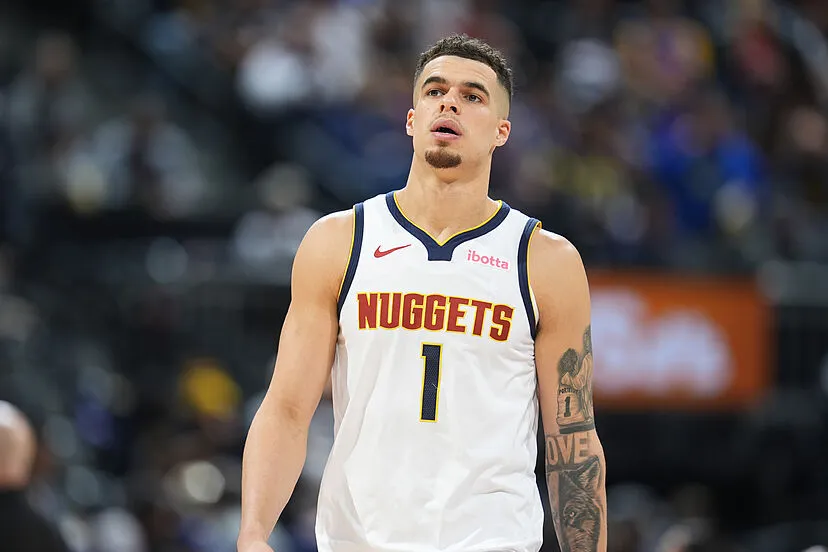
In today’s hyper-connected world, one viral quote can either skyrocket a career—or send it spiraling into a PR disaster. NBA player Michael Porter Jr. (MPJ), forward for the Denver Nuggets, recently found himself in the eye of a digital storm. The reason? A controversial statement he made about how he “tests women,” which triggered a wave of criticism labeling him arrogant, manipulative, and out of touch. Just when the heat seemed to be building, another layer was added—this time in the form of a humorous jab from the popular podcast Club 520.
But how did a seemingly casual comment land MPJ in hot water? And what role did Club 520’s now-viral clip play in either diffusing the situation—or pouring gasoline on the fire? Let’s dive deep into the saga of confidence, controversy, and comedy.
The Quote That Lit the Flame
MPJ’s controversial moment came during a podcast appearance, where he discussed his approach to dating and women:
“Another thing I do… I’m not saying I’m a misogynist, but I’ll throw on some sh*t to see how they react… or I’ll bring up conversations and play devil’s advocate.”
The fallout was immediate. Social media lit up with posts criticizing MPJ’s mindset. Female fans in particular took offense, with many accusing the NBA star of employing manipulative dating tactics. The phrase “I’m not saying I’m a misogynist” did him no favors—most people know that any sentence that starts that way rarely ends well.
“Testing women” was seen not as innocent curiosity but rather a reflection of control-based behavior often found in toxic relationships. Critics argued that using emotional provocation as a litmus test in dating is more cruel than clever.
Enter: Club 520 and B-Hen
In the thick of the backlash, a humorous clip from Club 520 went viral. The hosts were discussing MPJ, and one of them, B-Hen, cracked a line that set the internet on fire:
“My brother didn’t get no bitches, but I did.”
This quote, meant in jest, was a tongue-in-cheek way of roasting MPJ—delivered in the typical streetwise, no-filter tone that Club 520 is known for. The image paired with the quote featured MPJ on the left and B-Hen laughing hysterically on the right, highlighting the comedic nature of the clip.
But let’s unpack the meaning here. In American street slang, the word “bitches” is often used (controversially) to refer to women, particularly in the context of dating or sexual conquests. While undeniably crude, it’s also frequently employed in hip-hop and comedy circles with varying intentions—sometimes to boast, other times just to amuse.
In this case, the tone was clear: this was a joke, aimed more at ribbing a friend than making a social statement. And unlike MPJ’s original remarks, the community largely laughed along rather than recoiled.
Why the Internet Reacted Differently
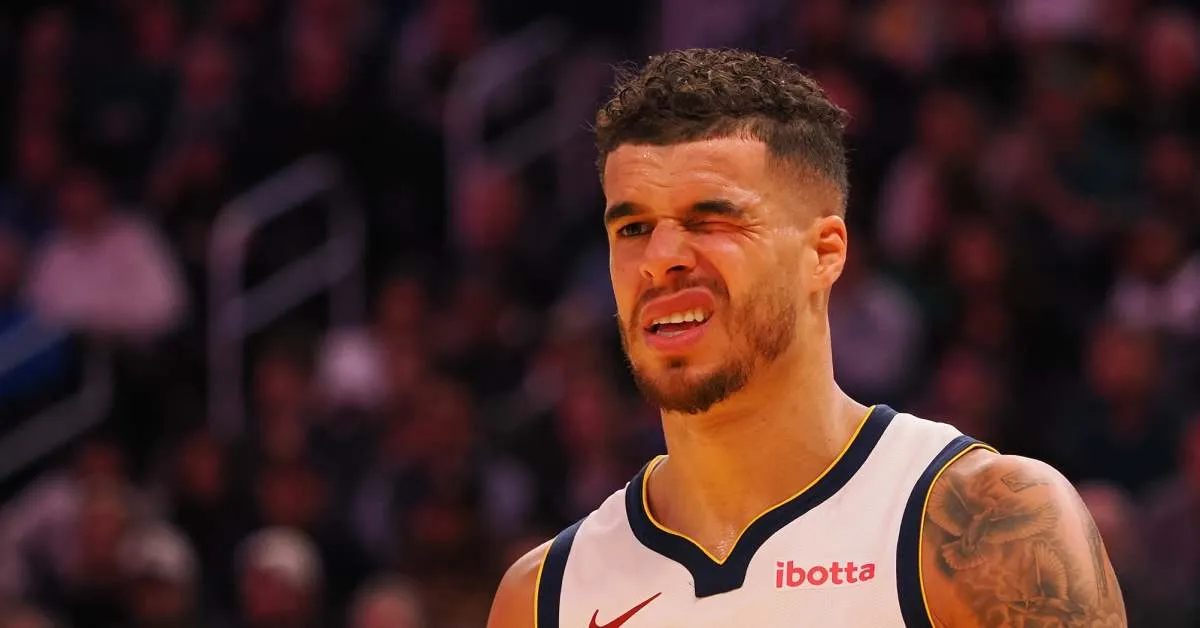
So why did MPJ get slammed while B-Hen’s joke got applause?
It boils down to intent, tone, and delivery. MPJ was speaking seriously about how he evaluates women in relationships. His tone lacked humor or self-awareness. In contrast, B-Hen’s comment was over-the-top and obviously made in jest, within the context of a comedy-driven podcast.
One Instagram user, @phresh.aj, commented:
“I feel bad for anyone who just found out about 520. Funniest basketball podcast out there.”
Another said:
“Bro B-Hen top 5 funniest people on the internet right now.”
The difference in audience perception is massive. Where MPJ’s quote triggered discussions around misogyny and toxic masculinity, the Club 520 bit sparked memes, laughs, and thousands of shares.
Was MPJ Being Overconfident?
The heart of the criticism wasn’t just about misogyny. It was about confidence crossing into arrogance. MPJ’s public image has long included a sense of self-assuredness. He’s talented, good-looking, and successful—but when that confidence appears to dismiss others’ emotions or boundaries, fans push back.
In today’s climate, especially within sports culture, public figures are increasingly held to account for what they say off the court. What might have been dismissed as “locker room talk” in the past is now scrutinized and debated.
Many fans noted that MPJ could have used the moment to speak about emotional intelligence or growth in relationships. Instead, he doubled down on behavior many saw as manipulative. That turned what might have been a forgettable quote into a rallying point for criticism.
The Comedy Contrast
The timing of the Club 520 clip was almost cinematic. Just as MPJ was under fire, his name got swept up in an entirely different wave—this time, one of humor.
Rather than defend MPJ, B-Hen’s joke unintentionally highlighted the absurdity of MPJ’s own comments. By painting himself as the more successful sibling with women (in a joking way), B-Hen indirectly undercut the idea that testing or judging women was necessary at all.
This juxtaposition made the original backlash seem even more justified—but at least people were laughing.
The Role of Slang in Public Perception
It’s worth exploring how language plays a major role in how quotes go viral. The word “bitches” is inflammatory. Used seriously, it can spark outrage. Used humorously in a self-deprecating or obviously unserious context? It often gets a pass (though not always).
MPJ’s language wasn’t overtly vulgar, but it hinted at manipulation. B-Hen’s language was crude but transparent in its absurdity. That transparency made all the difference.
Community Reaction: One Divided Topic, Two Different Vibes
Where MPJ’s clip was met with anger and disappointment, the Club 520 moment triggered:
-
Thousands of laughing emojis
-
Widespread meme creation
-
Increased traffic to the podcast
Clearly, the audience saw one as toxic and the other as comedy gold. And while some pointed out that the word choice in both cases could be problematic, most acknowledged the contextual difference.
What This Says About Sports Culture
The MPJ saga reveals a bigger truth: athletes today are under more scrutiny than ever. The line between on-court talent and off-court behavior has blurred, especially in the era of TikTok clips, podcast soundbites, and real-time reactions.
It also shows how humor and authenticity can serve as shields—or swords. Club 520 has built its brand on real talk and funny banter. MPJ, on the other hand, stepped into a space where humor wasn’t clearly defined, and it backfired.
This incident might push more athletes to be mindful of their tone, intent, and timing—or simply to stay out of certain topics altogether.
Can MPJ Bounce Back?
Absolutely—but it’ll take more than ignoring the backlash. Here are a few ways MPJ can repair his public image:
-
Public Acknowledgment: A sincere message explaining the context, expressing regret for any misunderstanding, and showing openness to feedback.
-
Media Training: Many young athletes benefit from workshops on communication, especially as podcasts become major platforms.
-
Humility: Sometimes, showing you can laugh at yourself (like B-Hen did) is the fastest way to re-earn trust.
A Lesson in Modern Virality
In the end, MPJ’s story is about more than just one quote. It’s a case study in how the same subject can be interpreted in wildly different ways based on tone, timing, and delivery.
While Michael Porter Jr. found himself accused of arrogance and emotional manipulation, B-Hen reminded everyone that humor, when done right, can cut through tension and bring people together.
The key takeaway? In the digital age, self-awareness is just as important as self-confidence. Whether you’re a rising NBA star or a podcast comedian, the way you speak can define how the world sees you.
Related News