








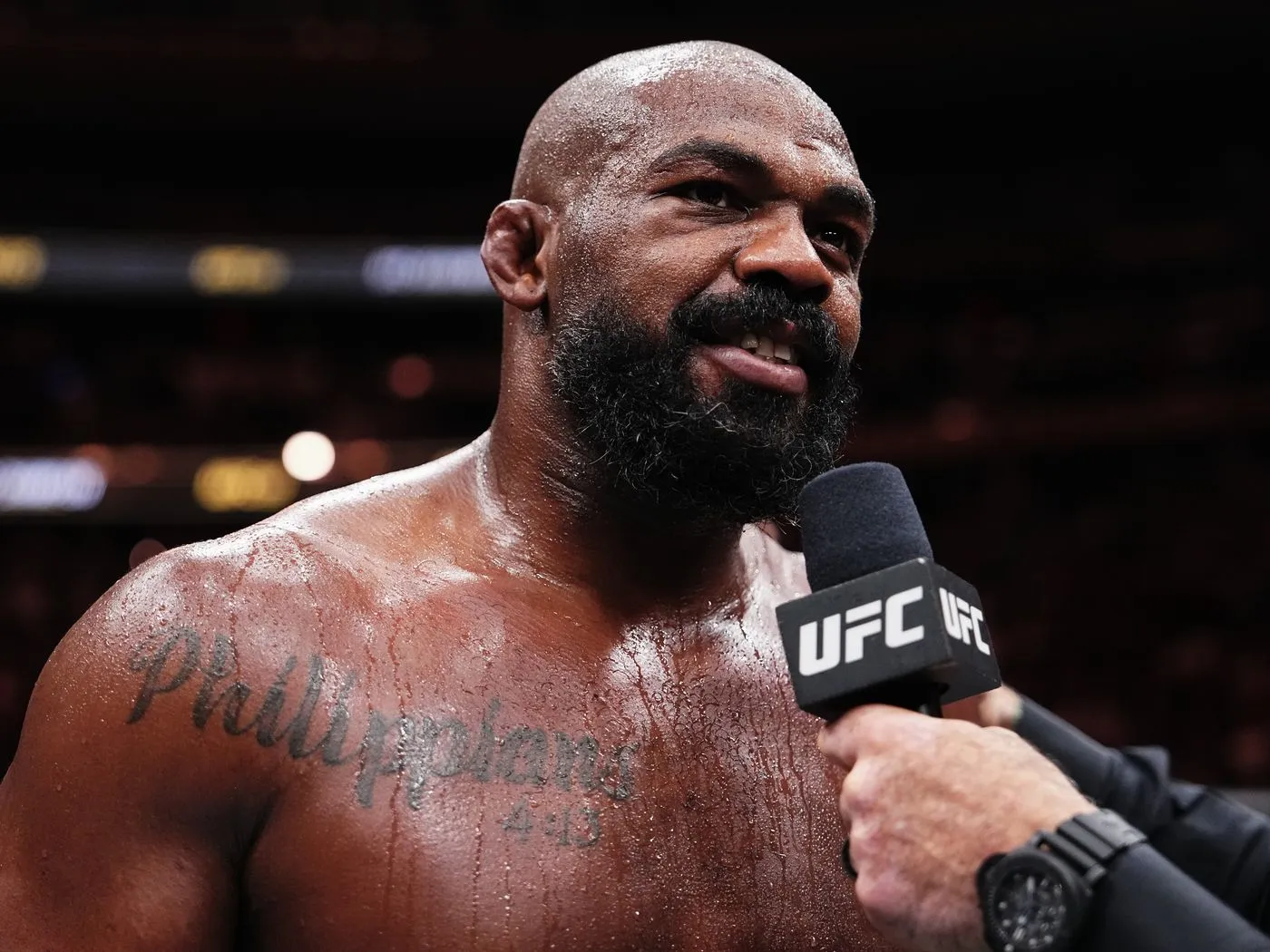
MMA Shockwaves: Heavyweight Champion Exposed for Using ‘Fake Retirement’ to Win Fans’ Pity?
When Jon “Bones” Jones announced his retirement in June 2025, many in the MMA community believed that the curtain had finally fallen on one of the most controversial yet legendary careers in UFC history. For weeks, tributes poured in, fans reminisced about his dominance, and analysts speculated about how his absence would reshape the heavyweight division. But just when the world was adjusting to life without Jon Jones, the UFC icon stunned everyone: he wasn’t retired after all.
The sudden reversal triggered a storm of debate. Was this a heartfelt revelation from a champion who couldn’t let go of the sport he loved, or was it a calculated “exit strategy” designed to manipulate fans, sponsors, and UFC officials? More importantly—what does this mean for the heavyweight division, Tom Aspinall, Dana White, and the upcoming UFC White House event in 2026?
In this article, we’ll break down the entire saga—from Jones’ shocking announcement to the suspicion of a “fake retirement strategy”, the fan backlash, and what comes next for the UFC’s most polarizing superstar.
The Official Retirement – A Goodbye That Didn’t Last
In June 2025, Jon Jones officially declared his retirement from mixed martial arts. The news was met with both respect and skepticism. After all, Jones had flirted with retirement multiple times before, only to resurface with new motivations.
But this time felt different. The UFC released statements, fighters like Tom Aspinall prepared to move forward, and the MMA world started to reimagine its future without the shadow of Jon Jones looming over the heavyweight division.
And then, only months later, Jones contradicted himself. “I’m training five days a week,” he said in a self-released video. “I’m still in the UFC’s doping control program.” With those two sentences, the so-called “retirement” was shattered.
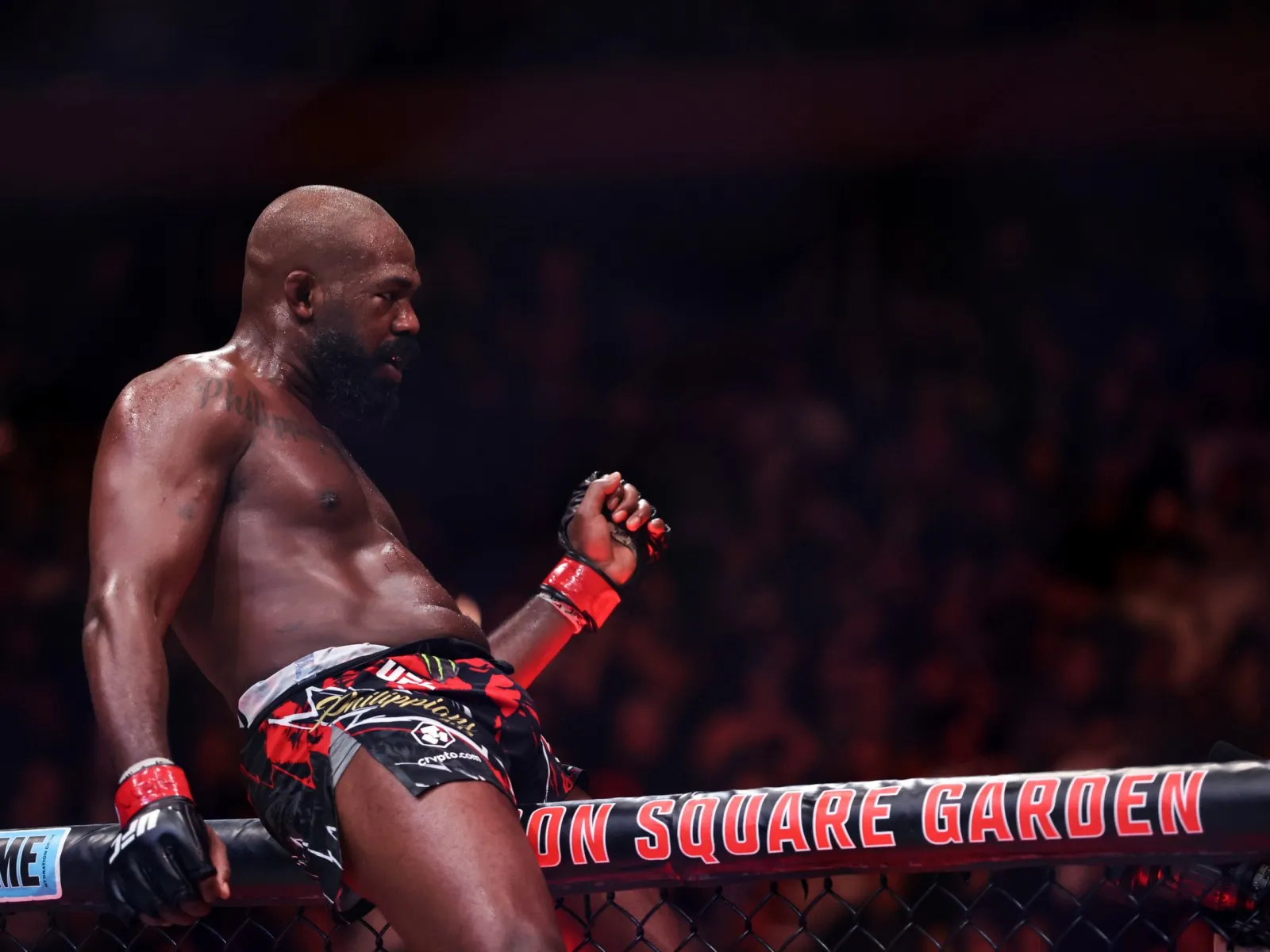
Was this a genuine change of heart—or a publicity stunt to stay relevant?
The Video Proof – Still Training, Still Testing
One of the most significant details in Jones’ claim was his insistence that he remained in the UFC’s strict anti-doping pool. Reports confirmed that Jones had undergone three separate tests in 2025, showing that he hadn’t fully left the system.
This revelation fueled speculation: if Jones never stopped training, never left the doping pool, and never ruled out fighting—was he ever truly retired? Or was “retirement” just a temporary narrative, designed to spark fan nostalgia and make a potential return even more dramatic (and profitable)?
UFC White House 2026 – The Perfect Comeback Stage?
Adding gasoline to the fire was Jon Jones’ hint about participating in the highly anticipated UFC White House event scheduled for 2026. This unique spectacle, backed by Donald Trump, is meant to celebrate the 250th anniversary of America’s Independence.
The White House stage would be a historic platform—watched by millions globally and politically charged. For Jones, whose career has always thrived on the balance of controversy and brilliance, this could be the perfect comeback opportunity.
But for skeptics, the announcement only confirmed their suspicions: Jones wasn’t motivated by competition, legacy, or pride—he was motivated by PR and the chance to cash in on one of the biggest events in combat sports history.
Dana White’s Skepticism – “I’ll Believe It When I See It”
If there’s one person who has seen every side of Jon Jones, it’s UFC President Dana White. And this time, White wasn’t convinced. When asked about Jones’ latest statements, White shrugged and essentially said he’d believe it only when Jones actually stepped back into the Octagon.
This skepticism stems from a long history of unfinished business. Fans remember that Jones was supposed to unify the heavyweight belts against Tom Aspinall in early 2025—a fight that never materialized. Instead, injuries, delays, and now a “retirement” announcement derailed the matchup.
For White, Jones’ inconsistency poses a major problem: can the UFC build its heavyweight division around a champion who might disappear—or reappear—at any moment?
Fan Backlash – Sympathy or Manipulation?
The MMA community has never been shy about expressing its opinions, and Jones’ “retirement reversal” was no exception. Social media erupted with mixed reactions:
-
Some fans welcomed the news, eager to see their favorite fighter back in action.
-
Others blasted Jones for playing with emotions, accusing him of using retirement as a “sympathy card.”
One viral comment summed up the frustration: “Classic Jon Jones—waiting for Tom Aspinall to get injured or lose, then swooping back in.”
This backlash reveals a deeper issue: Jones’ reputation has already been scarred by controversies ranging from PED suspensions to legal troubles. For many fans, the retirement saga was just another example of Jones prioritizing personal gain over the integrity of the sport.
The Avoidance of Tom Aspinall – A Strategic Delay?
Perhaps the most glaring criticism against Jones lies in his avoidance of Tom Aspinall. The British heavyweight has been on a meteoric rise, and many believe he represents the true challenge for Jones’ legacy.
Instead of stepping into the cage with Aspinall, Jones delayed, retired, and now hints at a return under his own conditions. Critics argue that this is not a coincidence, but a calculated move: why risk a dangerous fight against Aspinall when there are safer, more profitable options?
If Jones does come back in 2026, but bypasses Aspinall, the criticism will only intensify.
The Business of Retirement in MMA – A Common Playbook
Jon Jones isn’t the first fighter to “retire” only to return later. MMA history is filled with similar stories: Conor McGregor, Georges St-Pierre, and even Khabib Nurmagomedov flirted with the idea of retirement before circumstances changed.
The difference is that Jones’ retirement felt more like a storyline than a genuine exit. By creating a temporary void, he increased anticipation, built fan nostalgia, and ultimately made his potential comeback more valuable.
In other words: retirement wasn’t the end of his career—it was marketing.
What Happens If Jones Returns?
If Jones truly returns, several scenarios could play out:
-
The Aspinall Fight: The matchup fans have been begging for. If Jones beats Aspinall, his legacy skyrockets. If he loses, it could permanently tarnish his reputation.
-
The White House Spectacle: A high-profile fight with huge financial upside but less competitive risk. This would maximize profit but invite criticism.
-
A Safe Matchup: Jones could demand a comeback against a less dangerous opponent, testing the waters before taking on top contenders.
Each path comes with risks and rewards, but one thing is clear: whatever Jones chooses will redefine his relationship with fans and the UFC.
What Happens If Jones Stays Retired?
If Jones ultimately decides not to return, the fallout could be just as dramatic.
-
His Legacy: Instead of being remembered for dominance, he might be remembered for inconsistency and “fake retirements.”
-
The UFC Heavyweight Division: Aspinall, Sergei Pavlovich, and other rising stars will take center stage, possibly leaving Jones behind as a relic of the past.
-
Fan Trust: The MMA community may never fully trust Jones again, seeing him as someone who manipulated the narrative for attention.
The Bigger Picture – Jon Jones and the Psychology of Legacy
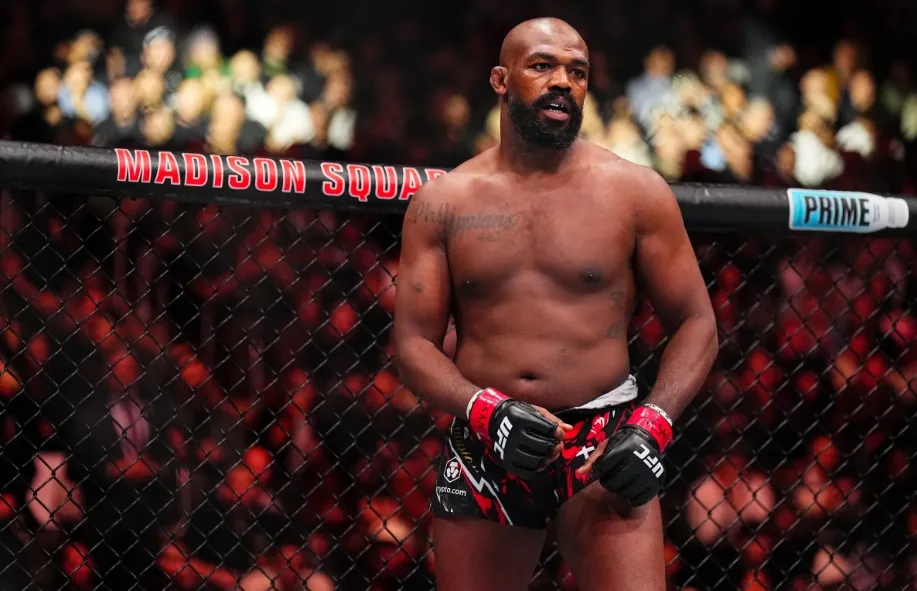
At the heart of this controversy lies a deeper question: why can’t Jon Jones walk away?
Some psychologists argue that athletes at the top of their sport often struggle with retirement because it feels like a loss of identity. For Jones, who has been fighting at the highest level for over a decade, stepping away may feel impossible.
But others suggest a harsher truth: Jones isn’t just addicted to competition—he’s addicted to the spotlight. Retirement, real or fake, is just another way to stay in the headlines.
Conclusion: Fake Retirement or Tactical Masterstroke?
So, is Jon Jones guilty of staging a fake retirement? Or is he simply a fighter who can’t walk away from the cage?
The truth may lie somewhere in between. By retiring, Jones fueled nostalgia and sympathy. By reversing his decision, he reignited anticipation and controversy. Either way, he has once again placed himself at the center of the MMA universe.
For fans, the question isn’t just whether Jones will fight again—but whether they’ll ever be able to trust his words. For the UFC, the question is whether Jon Jones is still an asset—or a liability.
One thing is certain: in the unpredictable world of mixed martial arts, Jon Jones remains the master of drama.
Related News