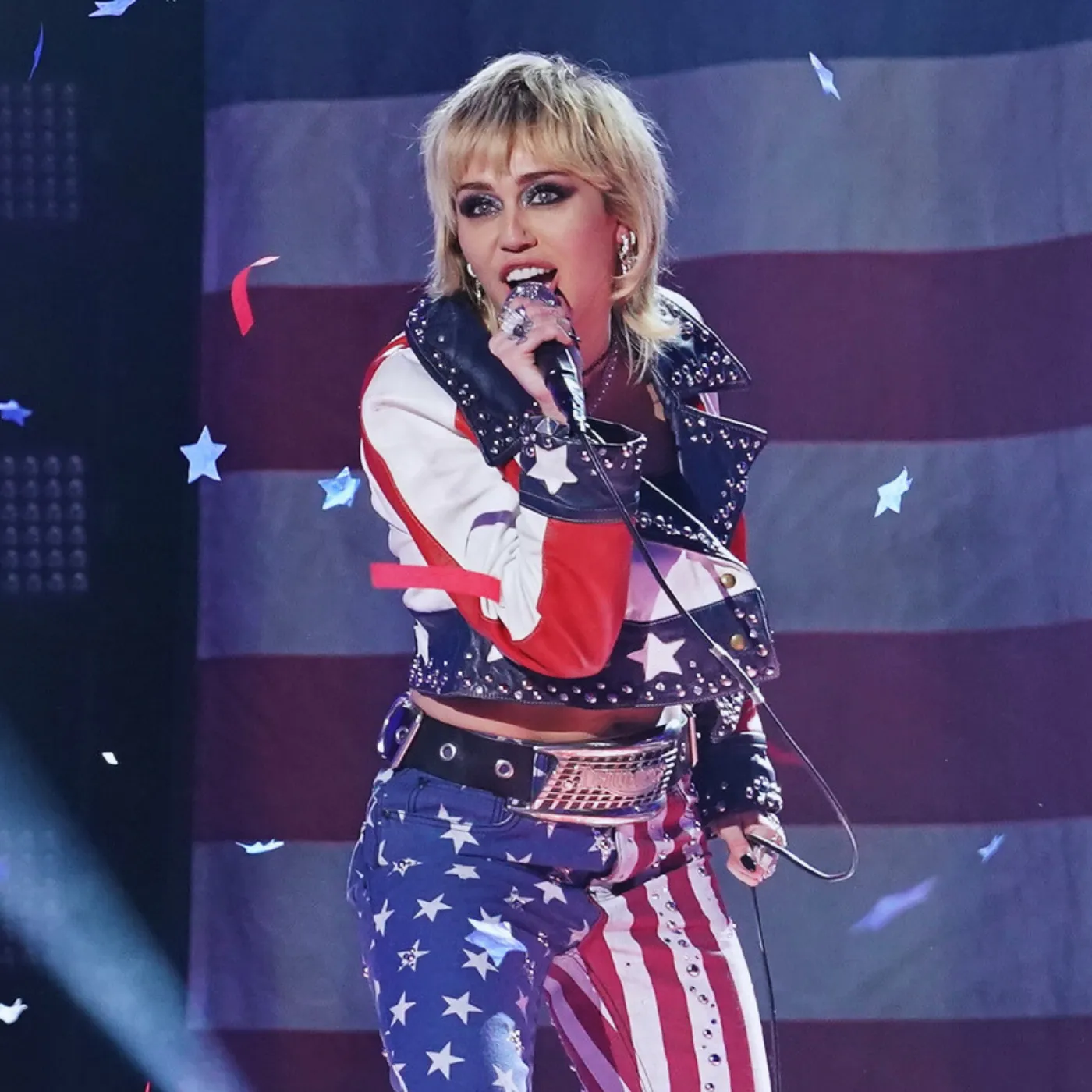
Miley Cyrus Party In The USA Shocks Spotify Charts With Massive July 4th Spike
It’s the story nobody saw coming, but everybody wants to talk about. On July 4th, while Americans fired up their grills and watched fireworks, Miley Cyrus quietly—and then very loudly—took over the US Spotify charts.
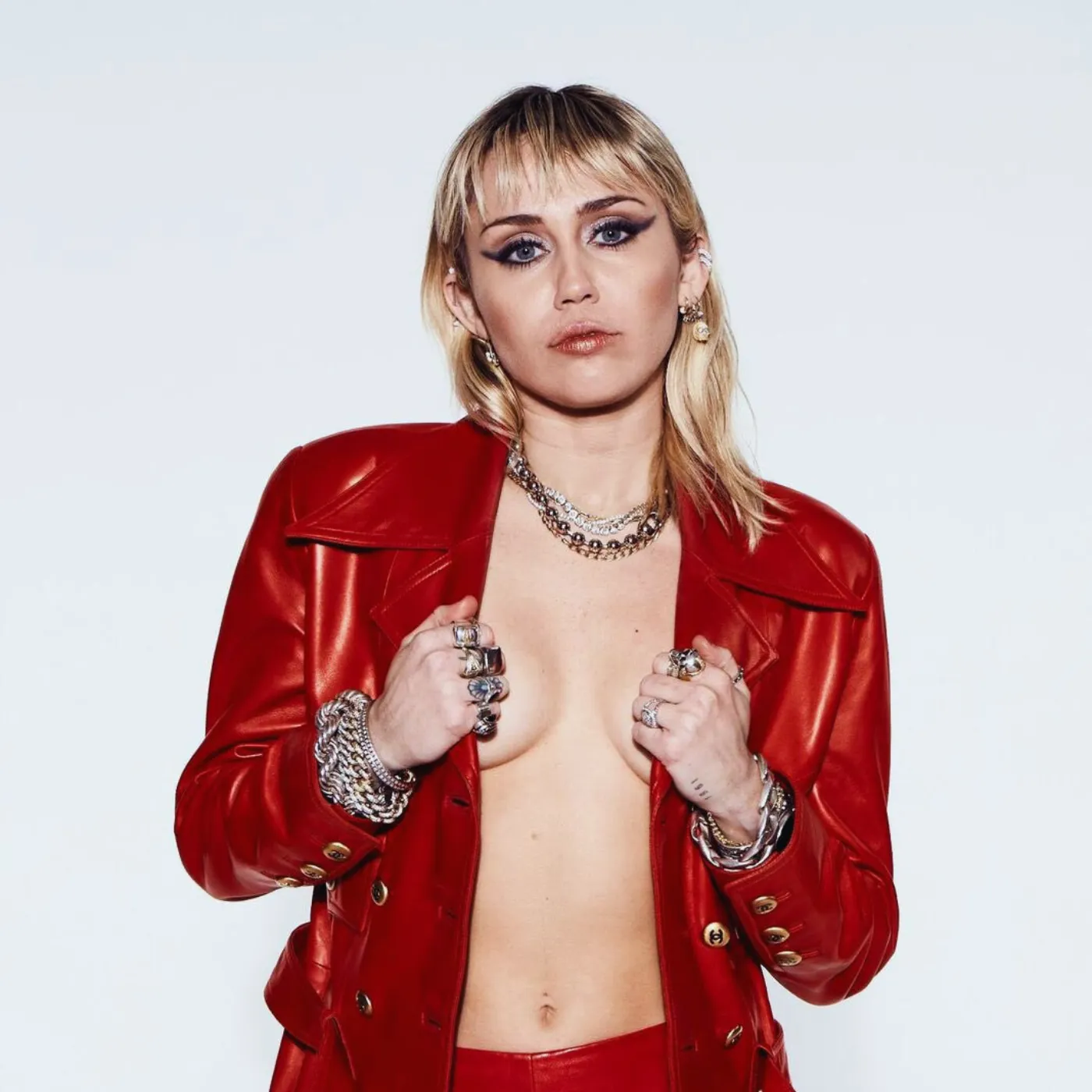
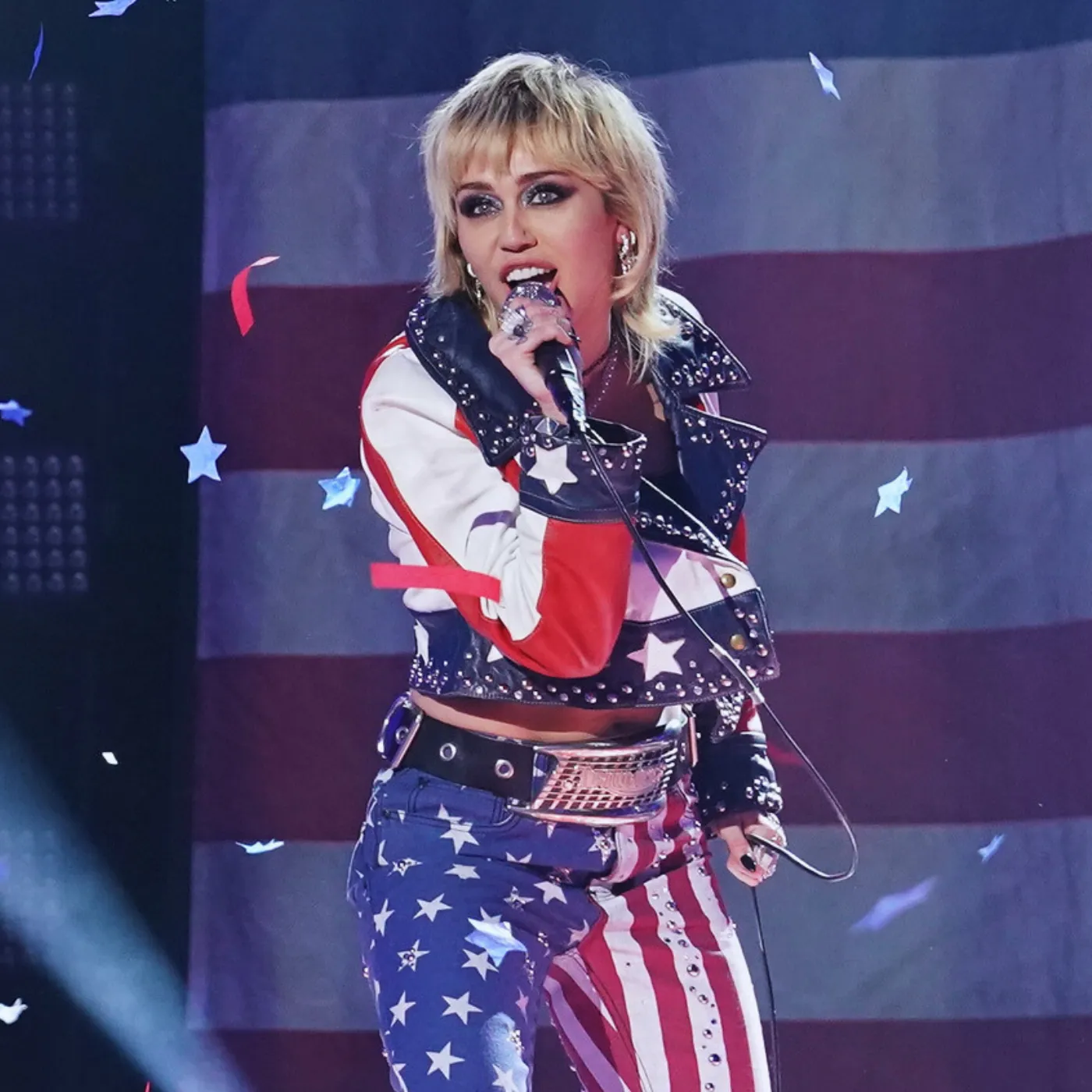
“Party In The U.S.A.”, a song that first dropped in 2009, soared to #3 on the US Spotify Daily Top Songs chart with 1.379 million streams in a single day.
If you’re thinking “Is this real life?”, you’re not alone.
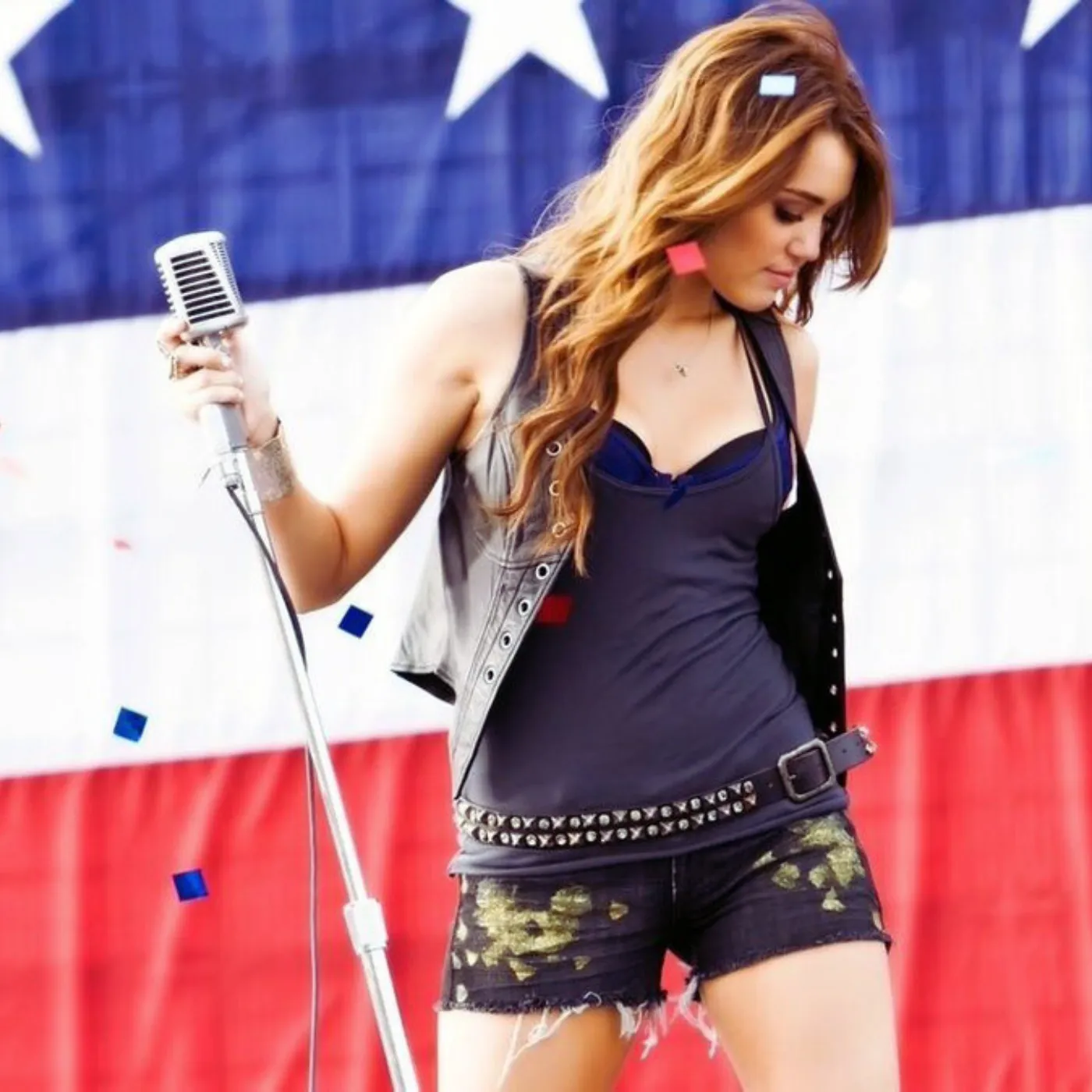
Social media went into meltdown. Fans, haters, and casual listeners flooded Twitter, Facebook, Instagram, and TikTok with hot takes, memes, conspiracy theories, and unapologetic nostalgia.
It’s the kind of chart jump that sparks fights in comment sections and makes even the most jaded industry insiders raise an eyebrow.
Nostalgia or Strategy? The Streaming Spike Nobody Predicted
Let’s be blunt: Spotify has seen older songs surge before. Holiday classics, viral TikTok sounds, unexpected movie placements. But “Party In The U.S.A.” hitting #3 in 2025 feels different.
This wasn’t a sleepy shuffle onto a summer playlist. It was an explosive, all-American streaming frenzy.
The numbers speak for themselves:
-
1.379 million streams in one day in the US alone.
-
Up from ~400–500k daily average.
-
A ~3X spike in less than 24 hours.
That’s not organic growth. That’s cultural takeover.
Facebook posts with the song lyric “So I put my hands up…” racked up thousands of shares on July 4th. TikTok challenges reemerged. Twitter threads mocked those “too cool” to admit they love it.
Miley Cyrus, meanwhile, didn’t even have to say much. Her name did the work for her.
The Power of a Timeless Hook
Let’s not forget why this track still slaps.
“Party In The U.S.A.” is pure hook magic. It’s got a giant singalong chorus, a recognizable beat, and a shamelessly catchy vibe that’s easy to meme.
More importantly, it’s baked into American pop culture.
For millions who grew up in the late 2000s and early 2010s, it’s the soundtrack of school dances, road trips, dorm parties, and coming-of-age summers.
It’s also a song that, in the streaming era, was never really gone. It’s just been waiting for the right moment to blow up.
And what better moment than Independence Day?
Facebook’s July 4th Echo Chamber Effect
You don’t have to be a social media scientist to see what happened on Facebook.
Starting early on July 4th, user-generated posts with Miley Cyrus lyrics, old music video screengrabs, and ironic memes spread like wildfire.
By noon, major meme pages were amplifying it. By late afternoon, local news outlets had started posting “Look what’s trending” listicles.
All of that = free advertising.
By prime barbecue time, people were sharing Spotify links in the comments section of viral Facebook posts.
Anyone tracking the algorithm could see the perfect storm forming:
-
July 4th keyword trending.
-
Miley Cyrus = high recognition.
-
A song title with USA in it.
-
Nostalgia bait.
-
Low risk of offending most audiences (no explicit lyrics).
Facebook’s feed algorithm loves safe controversy. It rewards the heated but not hateful. And “Party In The U.S.A.” delivered.
Spotify Charts Don’t Lie
Some critics claim this spike is “overblown” or “just nostalgia bait.”
But let’s look at the cold numbers.
Spotify US Top Songs (July 4th):
-
#1: New Drake single
-
#2: Morgan Wallen’s country hit
-
#3: Miley Cyrus – Party In The U.S.A.
-
#4: Sabrina Carpenter’s viral ballad
-
#5: Post Malone’s new summer anthem
Think about that. Miley’s track didn’t just crack the Top 10—it outranked brand-new releases with huge promo budgets.
And it did so without an official remix, music video drop, or coordinated ad campaign.
Fans did it themselves.
Industry Insiders Left Guessing
Music marketers are now playing catch-up, trying to explain what went down.
Some say it’s just “seasonal.” After all, Americans play patriotic songs on July 4th. But “Party In The U.S.A.” isn’t the national anthem—it’s a 2009 pop banger with the US in the title.
Others point to Miley Cyrus’s weirdly enduring relevance. Love her or hate her, she’s rarely out of the news for long.
Even those who mock the song still remember it. And that’s marketing gold.
Meanwhile, a few snarky critics are spinning conspiracy theories about paid streaming pushes.
But no credible evidence suggests that.
The more boring (and truer) answer? It’s the network effect.
One Facebook post leads to 50. One viral TikTok leads to 10,000. Streaming follows.
Memes Fuel The Fire
Let’s talk about memes.
If you were online on July 4th, you saw them.
-
“You either play the national anthem or Party In The U.S.A.—there is no in-between.”
-
“Sorry Star-Spangled Banner, but Miley is the real anthem today.”
-
Photoshopped images of Miley with founding fathers.
-
Reaction videos of boomers dancing to it at backyard parties.
This is classic viral culture.
No label can engineer it on command. No amount of ad spend guarantees it.
It’s authentic, chaotic, and a little toxic in how it pokes fun at tradition while selling it back to you.
Fans Celebrate While Critics Cringe
Of course, not everyone is happy.
Scrolling through Facebook on July 5th revealed the backlash:
-
“Y’all really made this song relevant again? Smh.”
-
“This is why America can’t have nice things.”
-
“She’s mid. Always has been.”
And then the fans fired back:
-
“Cry harder, we’re streaming.”
-
“This is our anthem now.”
-
“You just don’t get the vibes.”
It’s perfect engagement fuel.
Every angry comment helps push the post higher in the algorithm.
Brands would kill for that level of unpaid, organic interaction.
Miley Cyrus’s Silent Flex
Maybe the most genius part of this whole saga?
Miley Cyrus didn’t have to do anything.
She didn’t drop a new version. She didn’t go on a promo tour. She didn’t start fights on Twitter.
She just let it happen.
And as streams climbed, her older catalog saw bumps too.
Her social team did the bare minimum:
-
One or two cheeky posts.
-
Some story reshares.
And that was enough.
It’s the ultimate flex in 2025 pop culture.
What Happens Next
Music execs are undoubtedly scrambling to capitalize.
Expect to see:
-
A fresh Spotify playlist push.
-
New press coverage.
-
Summer festival DJs adding it to sets “ironically.”
-
Possible remixes (you know someone’s pitching it right now).
-
Licensing it for 4th of July-themed ads next year.
That’s the power of an unplanned hit.
For Miley Cyrus, it’s a reminder that sometimes you don’t need to reinvent yourself. You just need to wait for the culture to catch up.
Is It All A Bit Cynical? Of Course
Let’s not sugarcoat it.
“Party In The U.S.A.” spiking to #3 on Spotify US is partly because we live in a meme economy.
People love to be in on the joke.
They love dunking on “basic” picks while streaming them anyway.
Facebook thrives on nostalgia. TikTok thrives on trends. Spotify tallies the receipts.
Miley laughs all the way to the bank.
One Day, 1.379 Million Streams, Endless Debates
Whether you think it’s cringe, iconic, basic, or patriotic genius, the numbers don’t lie.
On July 4th, 2025, Americans gave Miley Cyrus’s Party In The U.S.A. one of its biggest days ever.
Over 1.3 million streams.
#3 on the chart.
An entire country arguing in comment sections about whether it’s good or garbage.
That’s how you win in modern music.
Not with critical acclaim. Not even with perfect production.
But with relevance.
The Last Word
So go ahead, roll your eyes.
Call it a cheap nostalgia grab.
Call it an embarrassing cultural moment.
But you know what?
You’re still talking about it.
And next July 4th? Don’t be surprised if you’re streaming it too.
Hands up. They’re playing your song.