






Miguel Oliveira Faces Tough Day in Austria After Strange Crash and Bike Issues
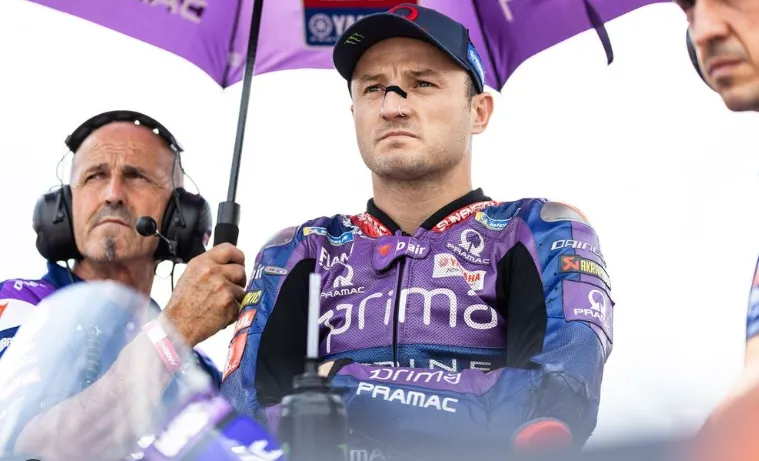
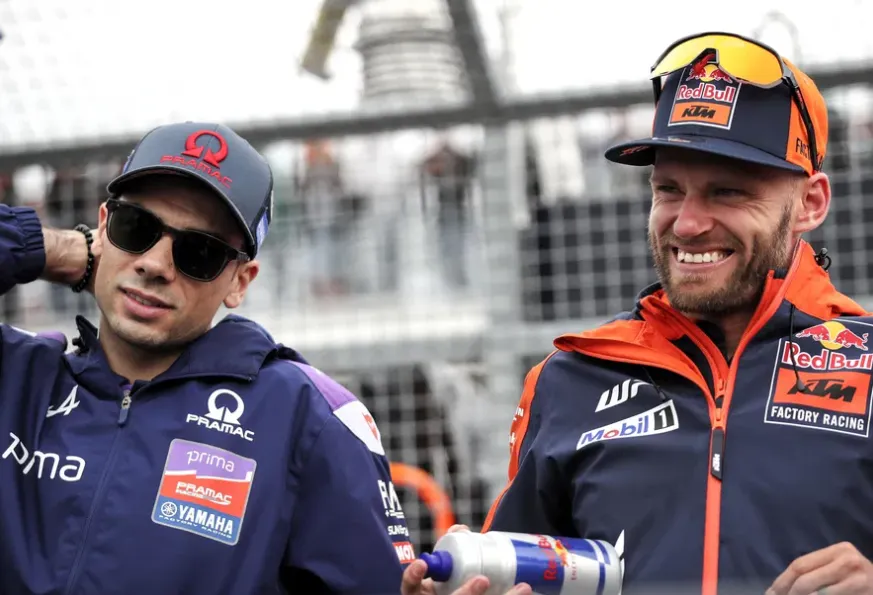
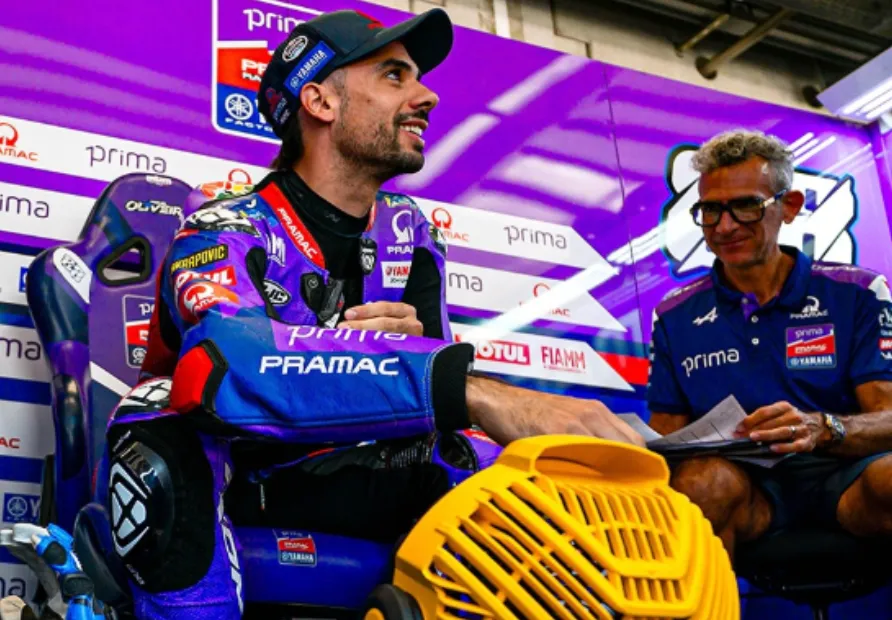
Miguel Oliveira, the Portuguese MotoGP rider, faced a challenging start to the Austrian Grand Prix weekend as he struggled through practice sessions on his Pramac Yamaha. Finishing P19, Oliveira highlighted several technical and performance-related issues that made the Red Bull Ring a difficult track for him and the Yamaha team. Despite his determination and experience, Oliveira’s day was marred by a crash and mechanical setbacks that compromised his pace.
Difficult Track Conditions Challenge Yamaha
The Red Bull Ring is known for its combination of tight, slow corners and long straights that require strong acceleration and high engine power. Oliveira explained that Yamaha’s current performance package is not ideal for these conditions. “It was a complicated day for all of us on the Yamahas. Coming here, I already knew it was going to be a difficult track for us. We have to accelerate out of very slow corners, but we lack the traction and the outright power to do that. Our front is quite good, but we only stop with the front, so… it’s not easy, but we try our best,” he said.
This statement reflects the key technical challenge facing Oliveira. While the bike’s front-end performance is strong, Yamaha’s acceleration and traction out of slow corners remain limited compared to rival manufacturers. At a track like the Red Bull Ring, where rapid exit speed is crucial, this limitation can significantly impact lap times and overall competitiveness.
The Turn 5 Crash That Shocked Oliveira
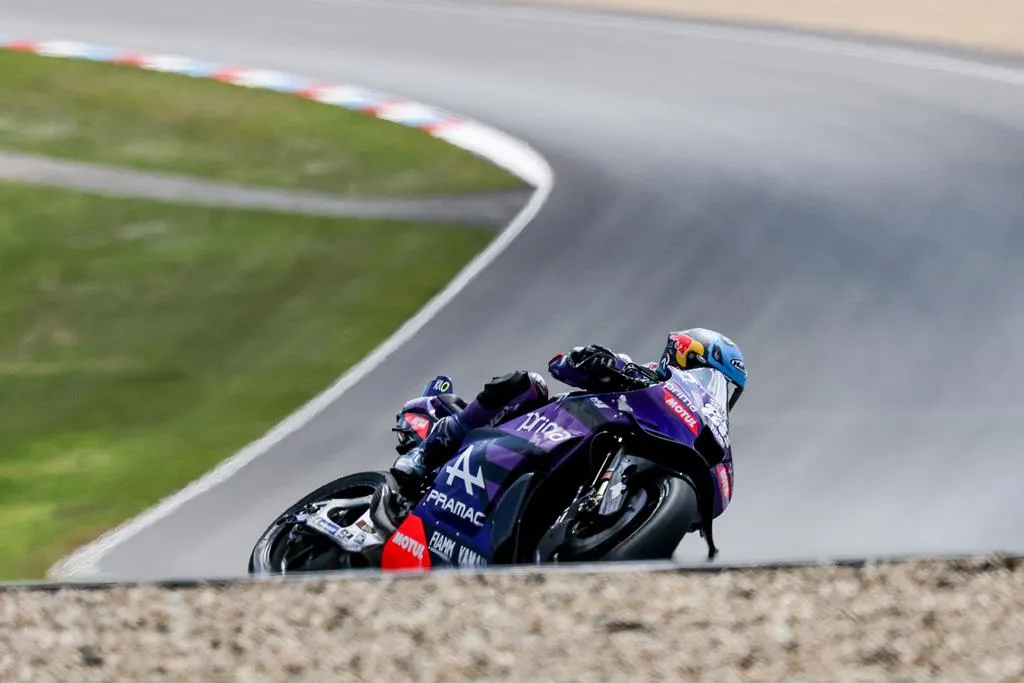
Adding to the day’s difficulties, Oliveira experienced a surprising crash at Turn 5, which disrupted his practice rhythm. He described the incident in detail: “My crash was a really strange one, I was really surprised. I saw the orange panel with yellow stripes on the inside of Turn 5 and I was already heading to the pits, so I slowed down even more. I saw debris from Fabio’s bike, stayed on the inside, and suddenly I was down.”
This crash illustrates the unpredictable nature of MotoGP racing, where even careful riding and awareness of track conditions may not prevent incidents. For Oliveira, the crash was particularly frustrating because it occurred while he was attempting to maintain a competitive pace on a bike that was performing well in other areas.
Bike Switch and Mechanical Challenges
After the crash, Oliveira had to switch to his backup bike, which was not configured the same way as his primary machine. The original bike had a different gearbox and shock absorber, which were helping him achieve a better pace. “It was a pity because on that bike I had a different gearbox and a different shock absorber, which were helping me a lot to get a good pace, but I had to switch to the other bike. And immediately, on the time attack, I had a problem with the gearing: when shifting down, the lever got stuck between fourth and third… she just didn’t want to collaborate,” Oliveira explained.
This issue underscores the importance of bike setup in MotoGP. Even small mechanical differences can drastically affect performance, especially when riders attempt fast laps during time attacks. For Oliveira, the combination of the crash and the gearbox problem limited his ability to showcase his true pace and left him further down the timesheets.
Yamaha’s Ongoing Struggles on Power-Dependent Tracks
Oliveira’s practice struggles are not isolated incidents but part of a broader trend for Yamaha riders in the 2025 season. The Yamaha bike, while strong in handling and front-end stability, often falls short in acceleration and outright power, particularly on circuits with long straights and slow corners like Austria. This technical challenge affects not only Oliveira but also other riders on Yamaha machinery, highlighting the need for continued development and optimization.
The Austrian GP emphasizes traction, power delivery, and smooth gear transitions, all areas where Oliveira noted limitations. Without improvements in these aspects, the team risks falling further behind competitors from Ducati, KTM, and Honda, who are currently demonstrating stronger acceleration and higher top-end speed.
Mental Resilience and Rider Determination
Despite the setbacks, Oliveira remains mentally focused and determined to maximize his performance. His transparent reflections on the challenges show a rider who understands both his limitations and the technical hurdles of his machinery. “It’s not easy, but we try our best,” Oliveira emphasized, reflecting his commitment to extracting every possible advantage from his Yamaha.
In MotoGP, mental resilience is as critical as technical skill. Riders like Oliveira must remain calm and adaptable, responding to unexpected events such as crashes or mechanical failures while keeping their focus on race strategy. His ability to maintain composure during a frustrating practice session will be crucial for qualifying and the race itself.
Looking Ahead to Qualifying and the Race
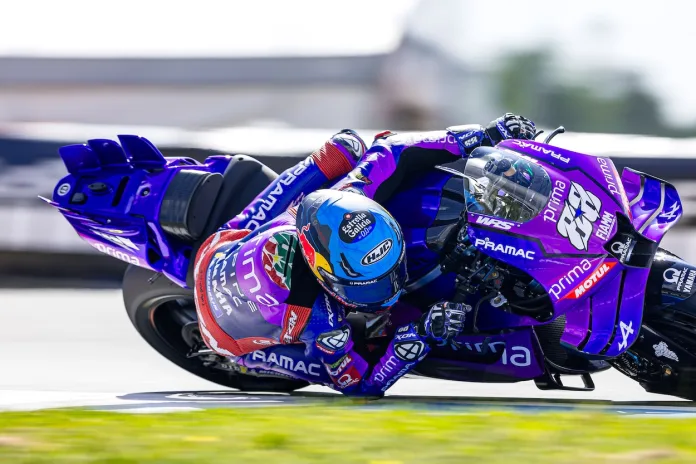
Finishing P19 in practice is far from ideal for Oliveira, but it sets a baseline for improvement over the weekend. The team will likely focus on resolving the gearbox issues, optimizing the shock absorber settings, and refining traction out of slow corners to enhance race pace. Qualifying will be a crucial opportunity for Oliveira to regain confidence and secure a better starting position on the grid.
Race strategy will also be critical. With Yamaha struggling on acceleration-dependent tracks, Oliveira will need to manage tire wear, corner exits, and overtaking maneuvers carefully. His experience and ability to read the track will play a significant role in translating practice lessons into competitive race performance.
Conclusion: Challenges and Determination
Miguel Oliveira’s day in Austria serves as a reminder of the fine margins in MotoGP, where technical limitations, crashes, and mechanical issues can dramatically affect results. Finishing P19 highlights the ongoing struggles Yamaha faces on power-demanding circuits, while Oliveira’s transparency and resilience underscore his professionalism and dedication.
As the Austrian Grand Prix weekend progresses, all eyes will be on Oliveira and the Pramac Yamaha team to see if they can overcome these hurdles. Fans will hope to witness a strong recovery, while analysts will monitor whether Yamaha can address the traction and gearbox challenges that limited their performance in practice.
Ultimately, Oliveira’s journey at the Red Bull Ring emphasizes the combination of skill, strategy, and technical precision required to succeed in MotoGP. While practice results may be discouraging, determination and adaptability can turn a difficult weekend into a showcase of resilience and talent.