





Miguel Oliveira Bitterly Disappointed: Worst Race Since Joining MotoGP
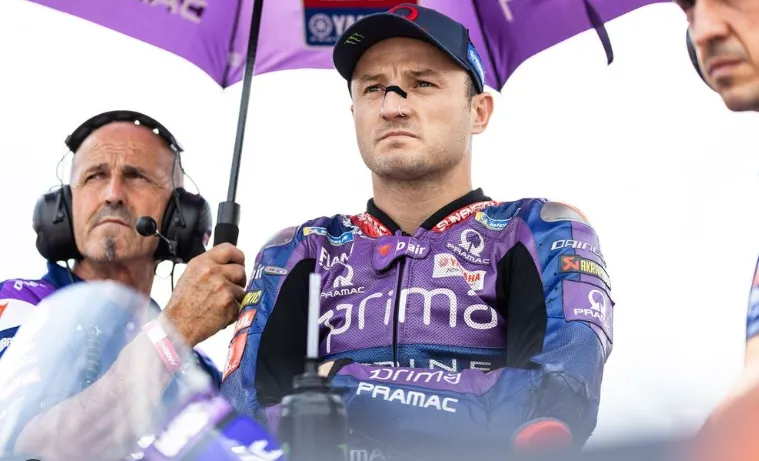
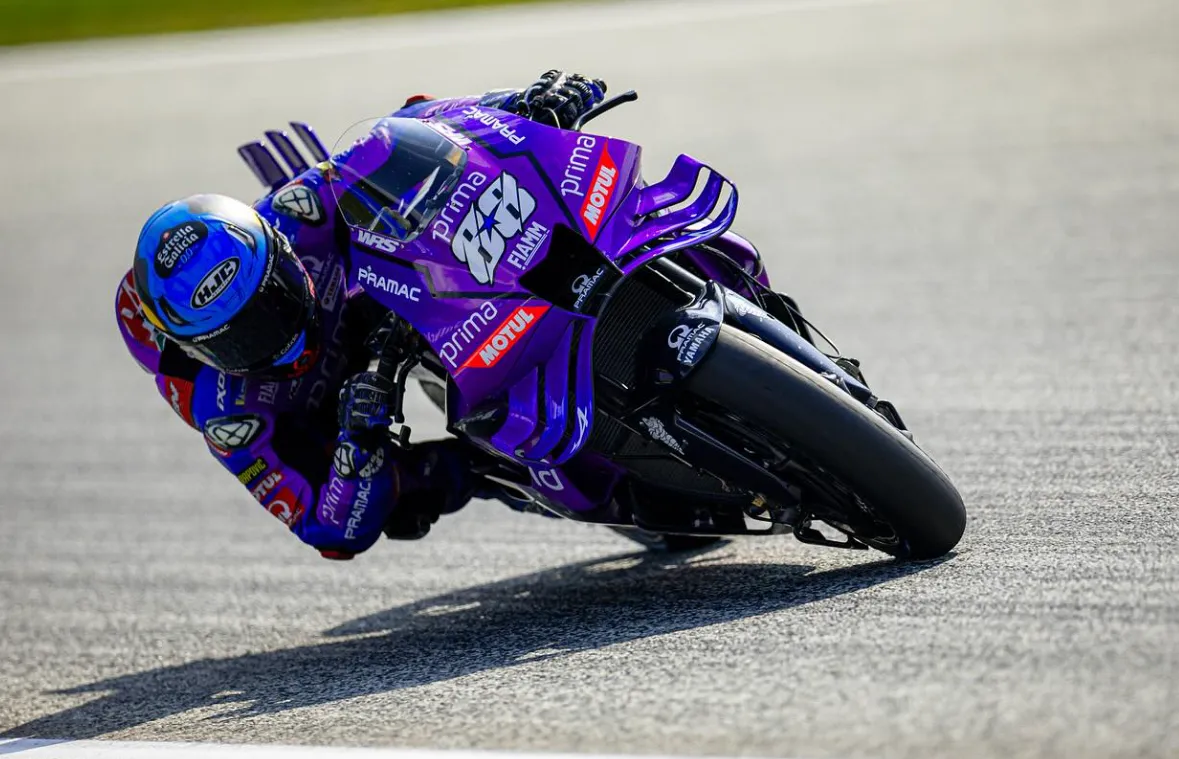
The Austrian Grand Prix at the iconic Red Bull Ring has long been a stage for high-speed drama, but for Miguel Oliveira and the entire Yamaha camp, this year’s edition turned into an unmitigated disaster. The Portuguese rider, now part of the new Pramac Yamaha project, openly admitted that he had never experienced such a bitterly disappointing race since joining MotoGP. With all four Yamaha riders finishing at the very bottom of the standings, the sense of despair within the garage was palpable, raising serious questions about the future of the once-dominant manufacturer.
Yamaha’s Collapse at the Red Bull Ring
For decades, Yamaha has been regarded as one of the premier names in MotoGP, producing championship-winning machines and supporting legendary riders like Valentino Rossi, Jorge Lorenzo, and Fabio Quartararo. Yet the 2025 Austrian Grand Prix highlighted just how far the team has fallen. The YZR-M1, once feared for its balance and smooth handling, looked helpless on the long straights and elevation changes of Spielberg.
Oliveira finished at the very back of the field, accompanied by his Yamaha teammates who occupied the other bottom positions. For fans, it was a shocking sight: four factory-backed bikes from a prestigious brand languishing as if they belonged to a struggling wildcard entry rather than a top-level racing outfit.
“This is unacceptable for Yamaha,” Oliveira admitted with a mix of frustration and resignation. “We all knew coming into this race that the Red Bull Ring would expose our weaknesses, but the reality was even worse than expected.”

Oliveira’s Harshest Assessment Yet
The 30-year-old Portuguese rider has built a reputation for resilience and adaptability, having delivered impressive results in difficult situations with KTM and Aprilia before. But in Austria, Oliveira could not mask his frustration.
“We anticipated this would be tough,” he explained in his post-race interview. “We already knew it from the first laps of practice. But it’s extremely frustrating to realize that no matter what you try on the bike, nothing changes. We were completely powerless. This was without a doubt one of the worst races of my career in MotoGP.”
His honesty reflects the stark truth: Yamaha’s current machine is reaching the limits of its potential, and the gap to its competitors continues to widen.
The Grip Crisis
One of the key technical issues plaguing Yamaha in Austria was rear grip, or more precisely, the lack of it. Riders struggled to find traction both entering and exiting corners, leaving them helpless against rivals on Ducati, Aprilia, and KTM machinery.
Jack Miller, who has worked closely with Yamaha in development talks despite riding elsewhere, previously highlighted this issue, and Oliveira confirmed that it remains the team’s Achilles’ heel.
“We had no grip, absolutely nothing at the rear,” Oliveira explained. “Even stopping the bike was a challenge. Fabio [Quartararo] is usually able to compensate with his incredible talent, but even he could not save us this time. When you see all four Yamahas at the bottom, it tells you everything you need to know.”
This lack of traction was particularly punishing at the Red Bull Ring, a circuit that demands stability under braking and strong drive out of slow corners. Without grip, Yamaha’s riders were essentially passengers, unable to mount any sort of attack.
Not a Rider Problem
Oliveira was quick to defend himself and his fellow Yamaha riders against potential criticism. The identical struggles faced by all four competitors highlighted that the problem lies not in riding style, but in the machinery itself.
“This is not about us,” he stressed. “We all have our strengths and weaknesses, but when you see every Yamaha rider finishing at the bottom, it proves the problem is systemic. The order of finish doesn’t matter when the whole group is stuck at the back.”
By emphasizing this point, Oliveira drew attention to Yamaha’s urgent need to accelerate development. Without a significant technical breakthrough, even world-class riders like Quartararo cannot extract competitive results.
A Bleak Comparison With the Competition
What makes the situation even harder for Yamaha is the rapid progress made by their rivals. Ducati has continued to refine its all-conquering Desmosedici, Aprilia has built one of the most balanced bikes on the grid, and KTM has grown stronger at its home race in Austria. Yamaha, by contrast, appears stagnant.
Quartararo himself highlighted a painful statistic: last year, he finished the Austrian GP 36 seconds behind the winner. This year, the gap was reduced to 25 seconds—but only because others encountered problems, not because Yamaha improved. For a track where Yamaha riders previously fought for podiums, the decline is difficult to accept.
Oliveira’s Struggles Mirror Yamaha’s Crisis
For Oliveira, the disappointment in Austria was especially bitter. As part of Yamaha’s satellite effort with Pramac, he had hoped to play a role in revitalizing the brand’s competitiveness. Instead, he finds himself fighting only to stay out of last place.
“I have never been in this situation before in MotoGP,” he admitted. “Usually, even when the bike isn’t perfect, you can find something to fight with. But here, it was impossible. It hurts as a rider, because you want to give more, but you know the bike has already given everything it can.”
Looking Ahead to EuroRounds
The European leg of the season continues, and while some circuits may suit Yamaha slightly better than the punishing straights of Austria, the fundamental issues remain unresolved. Without progress in engine performance, electronics, and grip management, the M1 risks becoming permanently uncompetitive.
For Oliveira, the focus now shifts to maintaining his mental strength and preparing for tracks where Yamaha has historically performed better. But unless drastic improvements arrive soon, both he and Quartararo may be doomed to another year of frustration.

Yamaha’s Future in Question
The Austrian GP served as a wake-up call not only for the riders but also for Yamaha management. The brand’s MotoGP program has been sliding for several seasons, and the once-celebrated inline-four engine philosophy now appears outdated compared to the power and efficiency of Ducati’s V4.
If Yamaha fails to adapt, they risk losing more than just races—they risk losing their relevance in the premier class. Oliveira’s brutally honest comments reflect a rider who still believes in the project but is rapidly losing patience.
Conclusion
The 2025 Austrian Grand Prix will be remembered as one of the darkest weekends in Yamaha’s recent history. Miguel Oliveira, usually known for his calm and composed demeanor, openly admitted that it was among the worst races of his entire career. With all four Yamahas stranded at the bottom of the order, the brand faces a crisis of confidence and performance.
For Oliveira, the disappointment is profound, but so is his determination to see change. Whether Yamaha can respond with urgency will determine not only the future of the M1 but also the careers of riders who still carry the weight of its legacy.
One thing is clear: unless Yamaha finds answers quickly, weekends like Austria will no longer be the exception—they will become the painful norm.