






Meta’s Billion-Dollar Bait Fails—Why Engineers Are Saying NO to Mark Zuckerberg
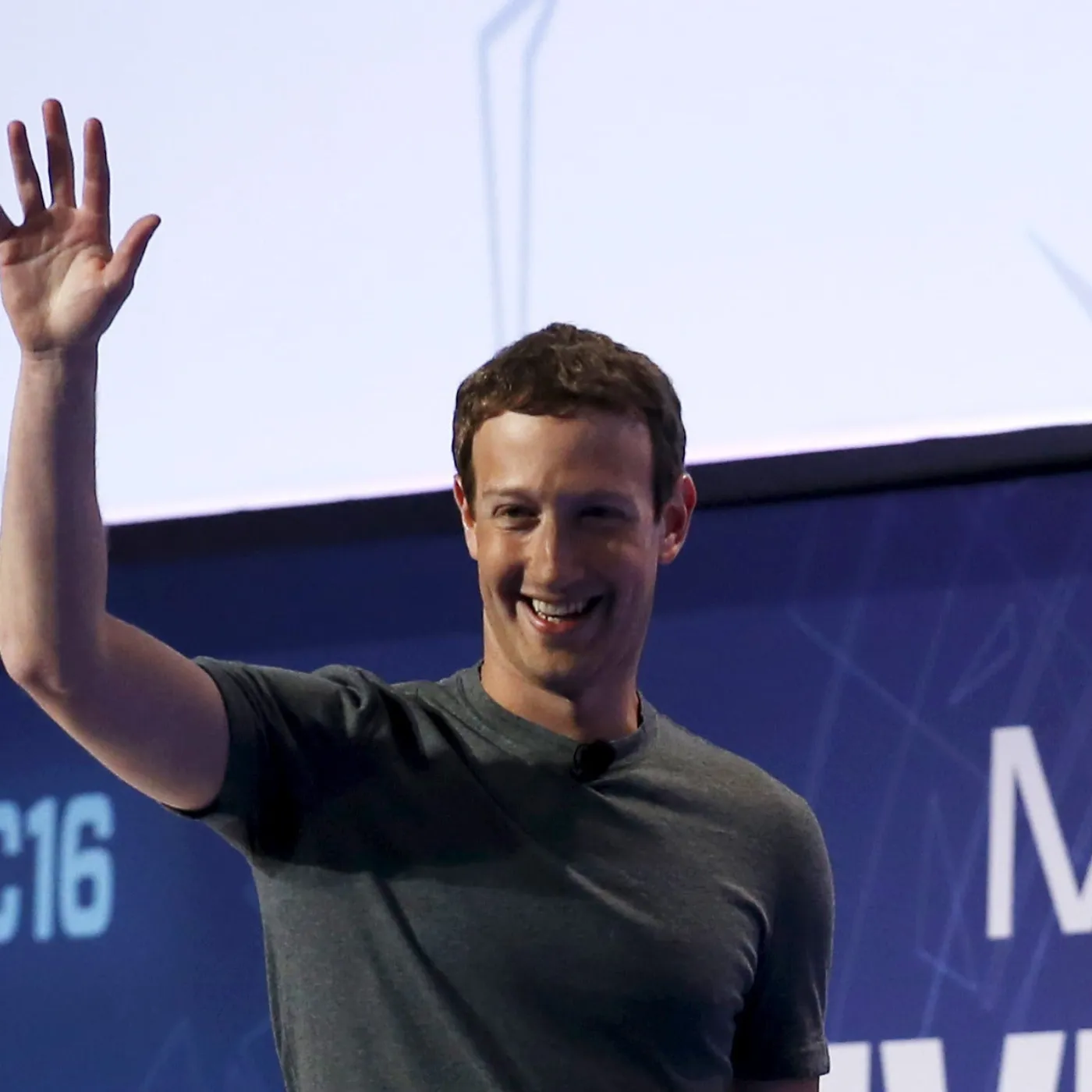
When Mark Zuckerberg stood on stage less than two months ago, unveiling his latest grand vision for Meta Superintelligence Labs (MSL), the tech world gasped. The promise was audacious: a future where “personal superintelligence” would be as accessible as a smartphone app.
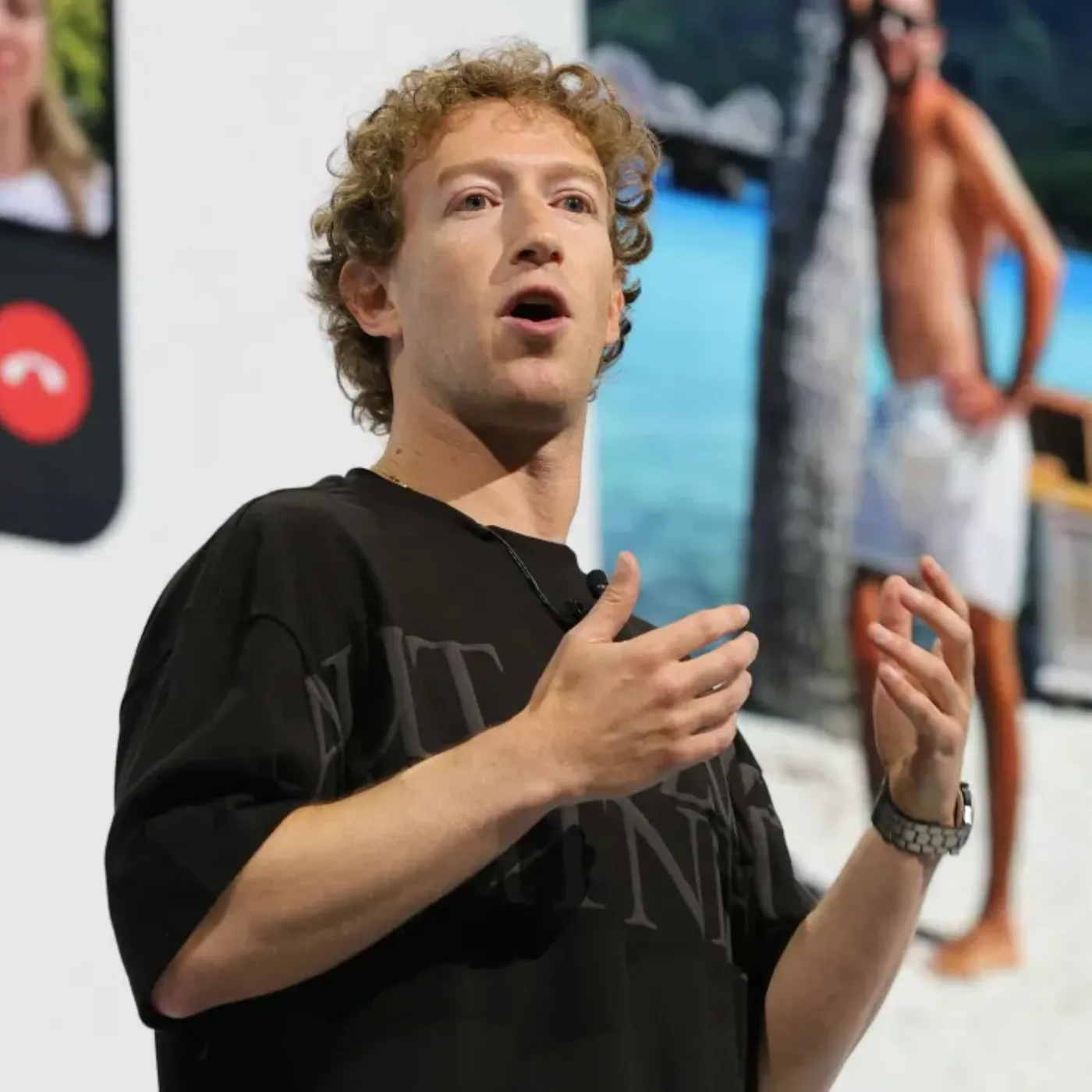
With bold words, Zuckerberg positioned himself not just as a social media mogul, but as the man who would democratize superintelligence—an AI powerful enough to reshape human life. Billions of dollars were immediately allocated, recruiters began dialing the brightest minds from OpenAI, Anthropic, and Google DeepMind, and a wave of headlines painted Zuckerberg as the gladiator marching into Silicon Valley’s newest coliseum: the AI arms race.
But behind the sleek product videos and carefully curated press releases, another story is emerging. A story that is far less polished, far more chaotic, and increasingly hard for Zuckerberg to control.
Eight Departures That Shook Meta’s “Super Lab”
Less than eight weeks into its existence, Meta Superintelligence Labs has already lost at least eight employees—and not just junior hires. Sources confirm the walkouts include engineers, researchers, and even a senior product leader.
These are not expendable names on an HR spreadsheet. Many of them were veterans who built Meta’s core AI infrastructure—the same backbone that powers Facebook, Instagram, and WhatsApp. Some were shiny new hires, lured in with promises of impact, prestige, and jaw-dropping compensation packages reportedly worth hundreds of millions.
And yet, they’re gone.
Billions on the Table, But Zero Stability
If you’ve been following Zuckerberg’s AI obsession, this might sound familiar. Every few years, Meta pours staggering sums into moonshot projects: the metaverse, VR headsets, and now, superintelligence.
Insiders whisper that this time, the money burn rate is “off the charts.” Reports claim Meta is dangling billion-dollar war chests just to recruit top-tier AI minds. A single researcher might be offered a package that would rival a startup acquisition.
But money doesn’t buy loyalty, especially in an ecosystem where OpenAI, Anthropic, and Google already command prestige, proven results, and stronger organizational cultures. What Meta is experiencing now may be the harsh truth: you can’t build superintelligence on cash alone.
Mark Zuckerberg’s Desperate Race Against Rivals
The context here matters. When ChatGPT exploded, Meta found itself embarrassingly behind. While OpenAI basked in global headlines and Microsoft turned its investment into one of the biggest tech coups of the decade, Meta looked stuck in yesterday’s news cycle—still pushing VR goggles while the world gossiped about generative AI.
Zuckerberg hates being second. He hates being late even more.
That’s why Meta’s pivot to superintelligence wasn’t just an idea. It was a desperation play. By branding MSL as the lab to deliver personal superintelligence, Zuckerberg positioned himself as the visionary who would leapfrog rivals.
But here’s the catch: bold visions attract attention, but they also magnify failure. And right now, the early cracks are showing.
Why Are Engineers Walking Away?
According to insiders, the reasons vary but follow a troubling pattern:
-
Chaotic leadership – Employees say the lab lacks clear direction. Teams are assembled, disbanded, and reshuffled with dizzying speed.
-
Unrealistic timelines – Zuckerberg’s obsession with speed is reportedly pushing managers to set impossible goals, leading to burnout and frustration.
-
Culture clash – Poaching talent from Google DeepMind or OpenAI may sound good on paper, but integrating those hires into Meta’s notoriously top-down culture has been described as “a nightmare.”
-
Overpromising – Some researchers felt they were asked to deliver breakthroughs that aren’t even remotely possible in the timeframes being demanded.
As one former engineer allegedly told colleagues: “Meta wants miracles, not research.”
The Illusion of “Personal Superintelligence”
The very term “personal superintelligence” raises eyebrows. Experts argue that true superintelligence—an AI that surpasses human cognition in almost all domains—is still speculative science.
Yet Zuckerberg marketed it as if it were just another product rollout. By promising personalized AI god-mode assistants for everyone, he set expectations sky-high.
But when those expectations collide with the messy reality of cutting-edge AI research, something has to give. And right now, what’s giving way is Meta’s talent pool.
Facebook’s Feed Loves Drama, But Investors Hate It
Let’s be clear: on Facebook and Instagram, this story is catnip. Phrases like “Zuckerberg’s billion-dollar gamble,” “engineers walking out,” and “Meta in chaos” are tailor-made for trending posts, shocked emojis, and endless debate in the comments section.
But investors? They’re less amused. Billions have already been sunk into Reality Labs with very little return. Now, with another cash-burning division struggling before it even launches, the fear is clear: how many more moonshots can Zuckerberg afford before Meta’s shareholders revolt?
The Rivalry Meta Can’t Ignore
Every time Meta stumbles, OpenAI and Google DeepMind inch further ahead. While Meta is dealing with walkouts, OpenAI is pushing the boundaries with models that dominate headlines. Google, despite its missteps, still controls a deep bench of world-class talent. Anthropic is carving out a niche reputation as the “ethical” alternative.
Meta, meanwhile, risks being painted as the chaotic outsider—throwing cash at a problem it doesn’t fully understand.
The irony? Meta once owned the AI narrative. Its research teams pioneered influential work on neural networks and large-scale training. But now, thanks to leadership churn and Mark Zuckerberg’s obsession with speed over stability, the company feels like a fading powerhouse scrambling to stay relevant.
Zuckerberg’s Gamble: Can He Still Win?
Here’s the uncomfortable truth: Mark Zuckerberg thrives on being underestimated. Time and again, he has been counted out, only to roar back stronger. Remember when Facebook was dismissed as a college fad? Remember when Instagram and WhatsApp acquisitions were mocked?
Zuckerberg has a history of pulling off the impossible. And some insiders insist that the Meta Superintelligence Labs story is far from over.
But the cracks are undeniable. If the exodus of talent continues, if investors lose faith, and if rivals continue their sprint forward, Zuckerberg’s biggest gamble may become his biggest embarrassment.
The Social Media Firestorm
Already, posts about Meta’s superintelligence crisis are lighting up feeds. Memes of Mark Zuckerberg as a “mad scientist,” gifs of collapsing Jenga towers, and sarcastic takes about “billions spent to lose engineers” are racking up shares.
In many ways, this may be the biggest problem for Meta: not just the internal chaos, but the public perception of chaos. On platforms where Zuckerberg’s company thrives, the narrative has already spun out of control.
And once the internet decides your project is a joke, it’s almost impossible to walk that back.
Why This Story Matters
At its core, this isn’t just about one company’s misstep. It’s about the future of artificial intelligence. If Meta really can’t stabilize its superintelligence push, the power to define AI’s next chapter remains concentrated in the hands of just a few players: OpenAI, Google, and Anthropic.
That means the dream of democratized AI—the idea that everyday people might access something as powerful as superintelligence—could be delayed or derailed entirely.
And for Zuckerberg, who built his empire on the idea of giving everyone a voice, that would be the cruelest irony of all.
Final Word
For now, Meta’s superintelligence dream is hanging by a thread. The departures, the instability, the billions already burned—it all paints a picture of a project in deep trouble before it even gets off the ground.
Whether Mark Zuckerberg can rally, stabilize his teams, and deliver something revolutionary remains the billion-dollar question.
But make no mistake: the cracks are real, the drama is high, and the world is watching.
And if Zuckerberg can’t stop the bleeding, Meta’s boldest gamble may become Silicon Valley’s most spectacular cautionary tale.