








Mark Zuckerberg’s Metaverse Dream is Crumbling: The Shocking Reasons It’s Stuck in Limbo
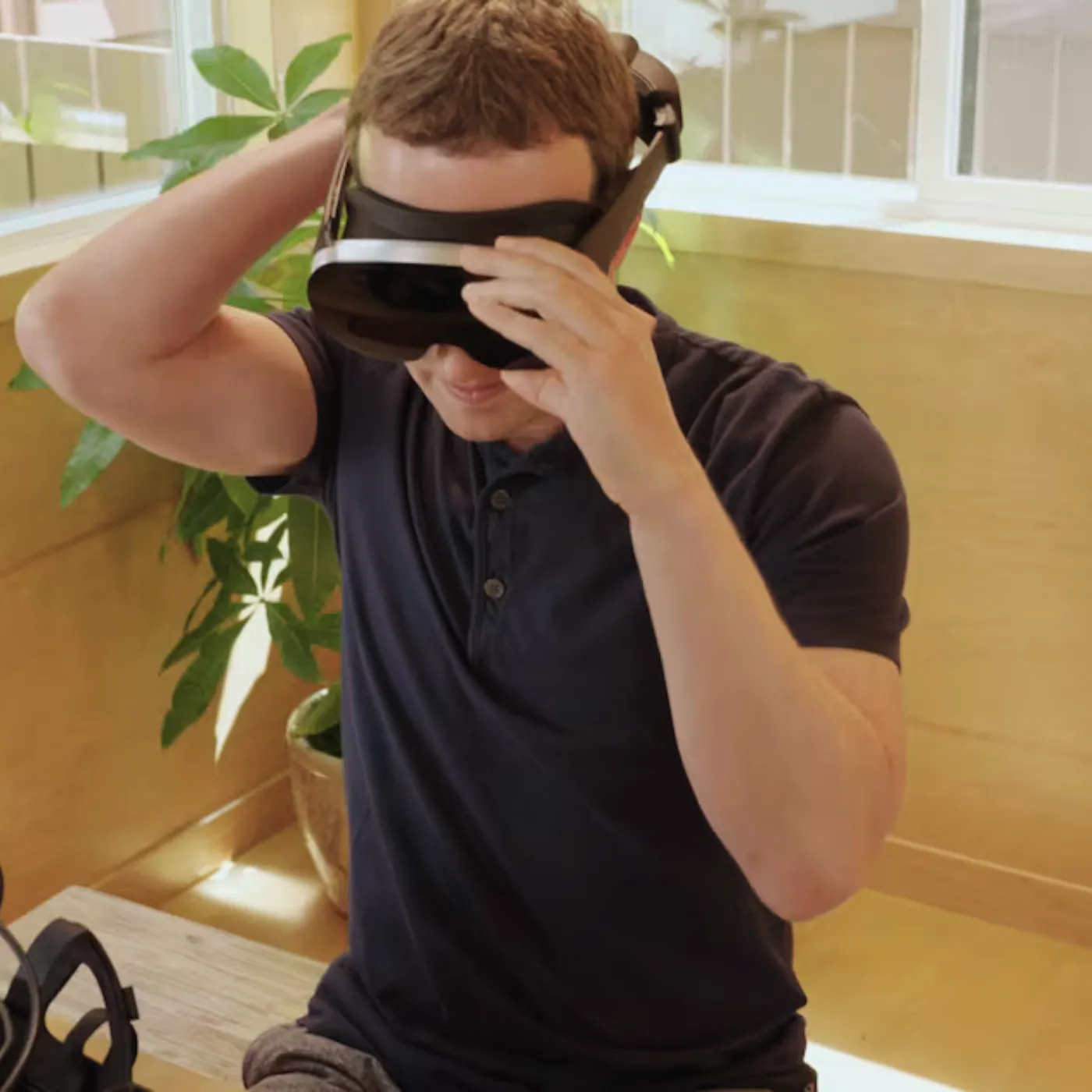
Mark Zuckerberg, the visionary behind Facebook, has long been the face of social media evolution. He introduced a new era with the founding of Meta and his ambition for the metaverse—a virtual universe where people could interact, work, and play in digital spaces. Zuckerberg heralded the metaverse as the next frontier, a world where the lines between reality and virtual existence would be blurred, creating infinite opportunities for connection and business. However, in the past couple of years, the reality of this highly anticipated virtual space has faltered. Despite billions of dollars poured into Meta’s metaverse initiatives, the much-hyped concept of a fully immersive virtual reality (VR) world has yet to materialize.
The Metaverse Dream: The Genesis of Meta’s Vision
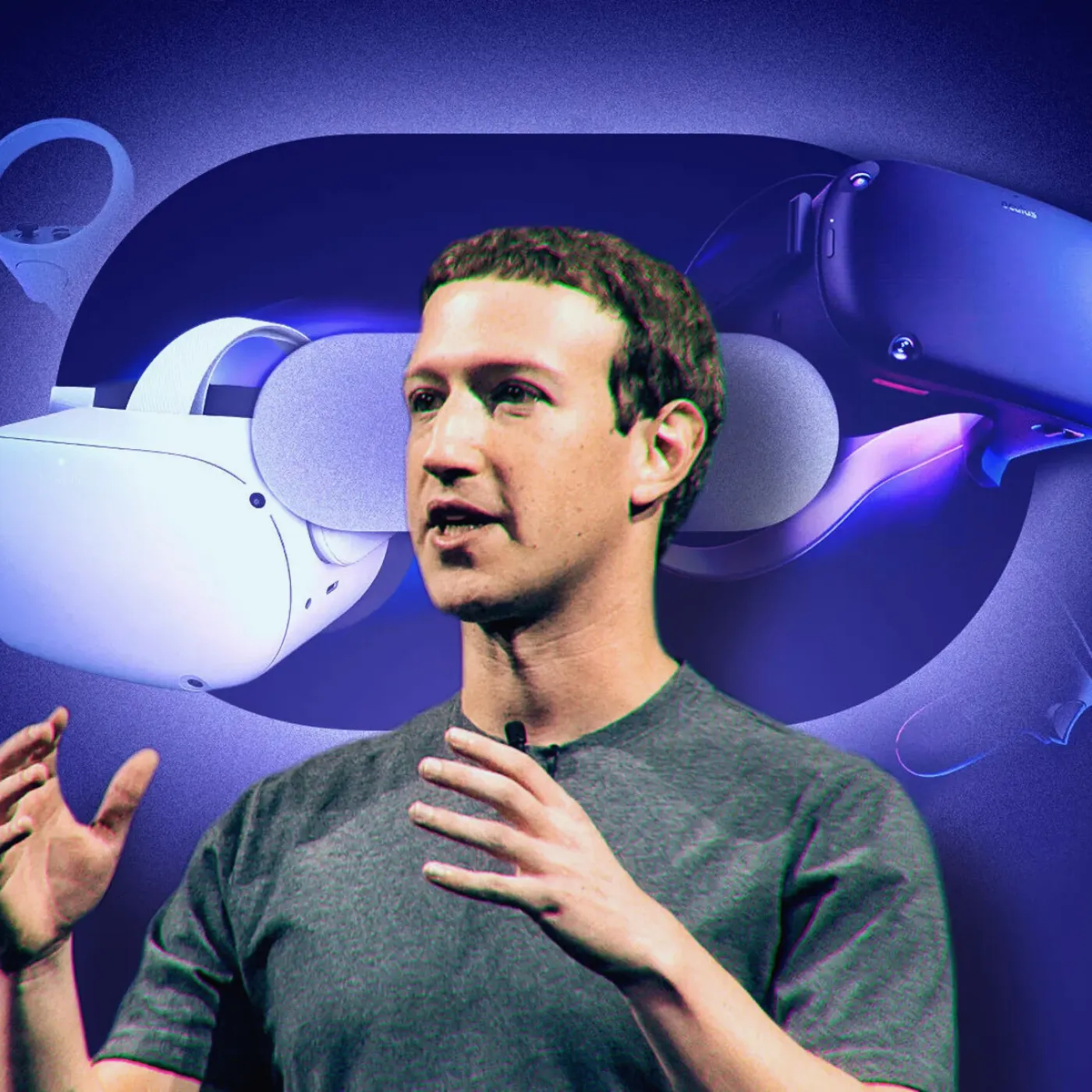
In 2021, Zuckerberg unveiled Meta, shifting his focus from Facebook to his vision of the metaverse. He described it as “the next internet” and began investing aggressively into VR technology, augmented reality (AR), and a digital economy driven by avatars. Zuckerberg passionately outlined a world where the digital and physical would seamlessly integrate, allowing users to work, play, shop, and socialize in completely new ways.
Meta’s ambition to lead the metaverse revolution was so strong that Zuckerberg even announced plans to rebrand Facebook’s parent company. “We are a metaverse-first company,” he said, signaling a paradigm shift in how the company would approach the future of technology. This was the beginning of a grand vision that Zuckerberg thought would define the next chapter of the internet. But what went wrong?
The Metaverse: The Hype vs. Reality
Fast forward to 2023, and the vision of the metaverse is still far from being realized. Despite Zuckerberg’s personal investment and Meta’s massive spending, including more than $10 billion in Reality Labs, the metaverse remains in its infancy. In fact, VR technology, which was supposed to be the cornerstone of this futuristic world, still has several limitations that prevent it from being mainstream. Virtual reality headsets are still bulky, expensive, and difficult for the average consumer to use regularly. More importantly, the experience is still far from being the all-encompassing virtual space Zuckerberg promised.
While AI is taking massive strides in areas like automation, predictive analytics, and personalization, the metaverse’s VR capabilities have not progressed at the same rate. Meta’s Horizon Worlds, once touted as the centerpiece of the metaverse experience, has yet to gain traction. The avatars still appear crude, the environments feel lifeless, and the user experience is clunky at best. For a concept that was supposed to be revolutionary, it often feels like the metaverse is stuck in the past, far from fulfilling its potential.
Where Did Zuckerberg Go Wrong?
Mark Zuckerberg’s metaverse vision has undoubtedly faced a serious setback in recent years. Meta’s failure to capture user interest in the metaverse can be attributed to several key factors:
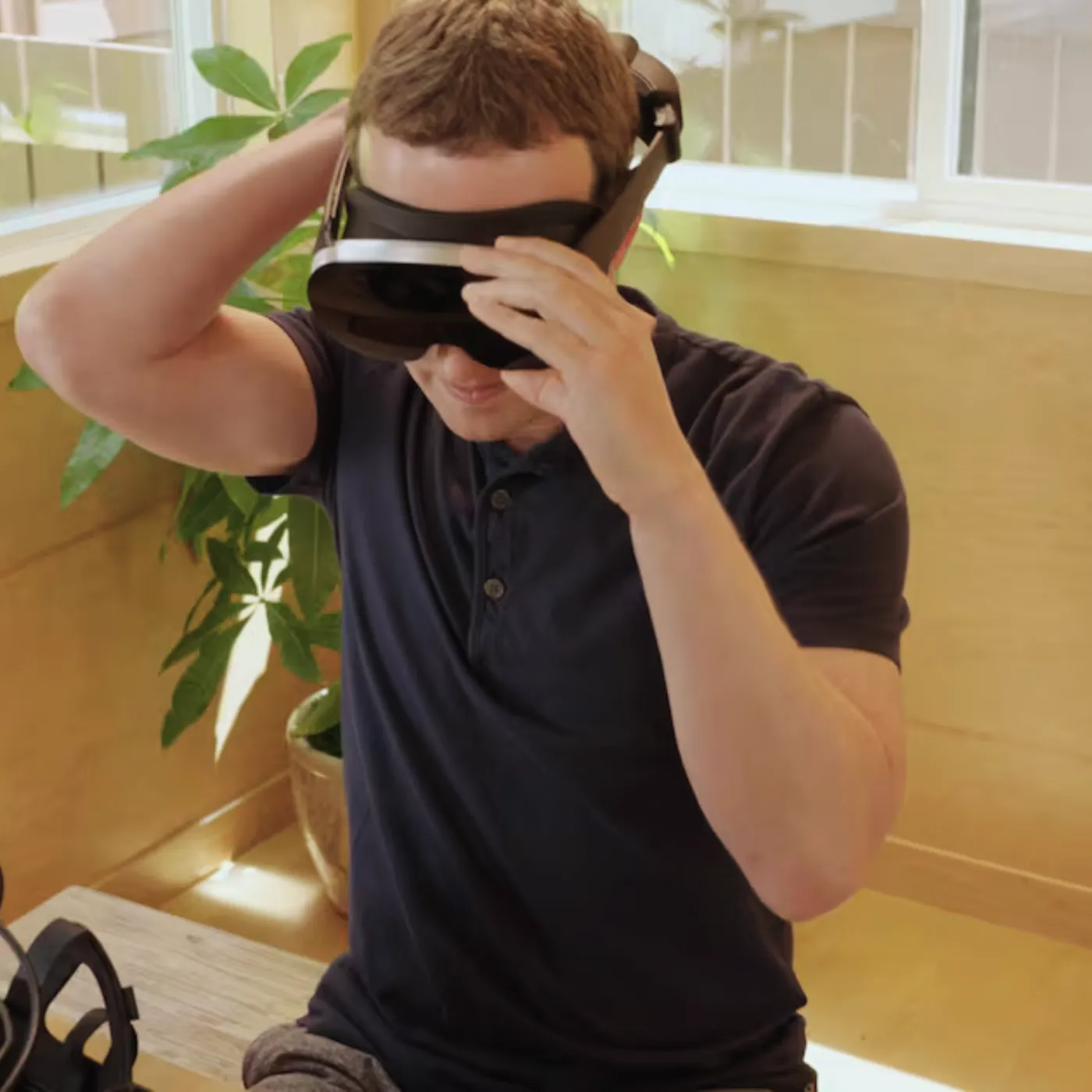
Technology Limitations: One of the biggest obstacles for Zuckerberg’s metaverse dream is the technology itself. While companies like Meta have invested heavily in VR headsets, the technology is still in its early stages. Virtual reality is still cumbersome, uncomfortable, and not yet able to deliver the level of immersion that Zuckerberg promised. Moreover, the virtual environment often feels disconnected from reality, with limitations in motion tracking, interaction capabilities, and sensory engagement.
Lack of Consumer Adoption: Despite Zuckerberg’s billions, the consumer market has been slow to embrace VR in the same way they embraced smartphones, social media, or even gaming. People are simply not as enthusiastic about wearing headsets for long periods. Furthermore, VR headsets are not cheap, often costing hundreds of dollars, and don’t offer the immediate utility that other tech gadgets do. Virtual reality is still viewed as a niche product, primarily used for gaming rather than as an everyday tool for socializing or working.
Limited Content and Functionality: Another issue with the metaverse is the lack of compelling content. While there are virtual worlds and experiences available, the scope of what’s offered within the metaverse is still far too limited to engage users on a mass scale. Unlike social media platforms, where there’s a constant stream of content, the metaverse lacks enough content creators and developers to create truly engaging and diverse virtual experiences. For most people, the metaverse still feels like a ghost town.
Economic Strain: With Meta’s metaverse dreams costing billions, there’s a growing concern over the financial viability of the metaverse project. Shareholders have started to question Zuckerberg’s massive spending, and Meta’s stock has faced significant declines. The lack of ROI (Return on Investment) has led to growing doubts about the feasibility of the metaverse as a sustainable, profitable venture.
Zuckerberg’s Response: Pressing Forward Despite Challenges
Despite the slow progress, Zuckerberg remains undeterred. He has continued to champion the metaverse and VR as the future of digital interaction. Meta has shifted its resources to focus on VR development, improving the user interface of Horizon Worlds, and attempting to bring in more creators to populate the virtual world. Meta has also begun expanding its horizons with augmented reality (AR) glasses, which Zuckerberg believes could eventually bridge the gap between reality and the virtual world.
Zuckerberg’s confidence in the metaverse also lies in the belief that virtual reality is not just an entertainment medium but a new mode of social connection. He believes that, just as social media transformed how people interact online, the metaverse will transform how people connect, work, and create.
Moreover, Zuckerberg sees AI and the metaverse as interlinked. He envisions a future where AI-powered avatars could interact within virtual environments, creating a new kind of user experience. AI could potentially allow users to interact with virtual spaces in more natural and intuitive ways, making the metaverse feel more real and accessible.
The Future of the Metaverse
Despite the disappointments and skepticism surrounding Zuckerberg’s vision, there are still those who believe in the metaverse’s potential. VR technology will continue to evolve, and as the technology matures, the metaverse may eventually become the virtual world that Zuckerberg once dreamed of. The development of AI, 5G networks, and better hardware will likely lead to advancements that could make virtual reality more accessible, immersive, and practical for daily use.
Meta’s investments in the metaverse, though questionable, signal Zuckerberg’s long-term view. He’s willing to bet that the next-generation digital economy will rely heavily on virtual spaces and that the metaverse will become the “next internet.” However, the key to this future lies in solving the core technological barriers, creating compelling content, and finding a way to make the metaverse accessible to everyone, not just early adopters or tech enthusiasts.
Conclusion: The Metaverse’s Uncertain Future
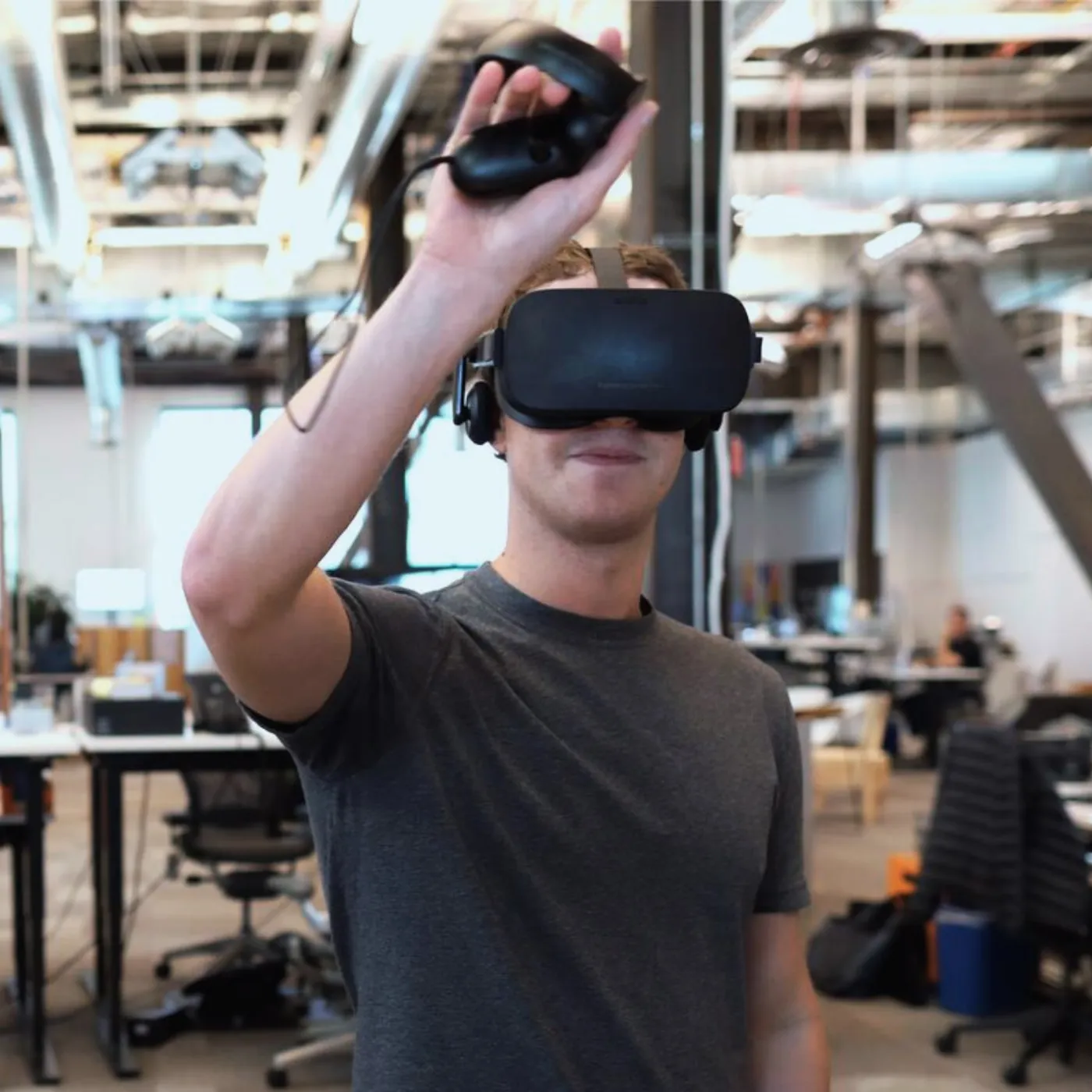
In the battle between AI’s rapid rise and Zuckerberg’s metaverse, it’s clear that AI is winning in terms of immediate practical application. While AI has shown its usefulness in daily life, from voice assistants to predictive analytics, the metaverse remains a far-off dream. But that doesn’t mean it’s over for Zuckerberg’s vision. It’s just that the metaverse is not the overnight revolution that many expected.
If Zuckerberg’s metaverse dream is to survive, it will need a massive shift in strategy, both in terms of technology and market adoption. Zuckerberg may have been ahead of his time, but in a world where AI is quickly becoming the focus of the tech industry, the future of the metaverse seems less certain.
The next chapter of Meta’s journey may be driven by AI rather than the virtual worlds Zuckerberg envisioned, and the metaverse may have to take a backseat for the time being.