








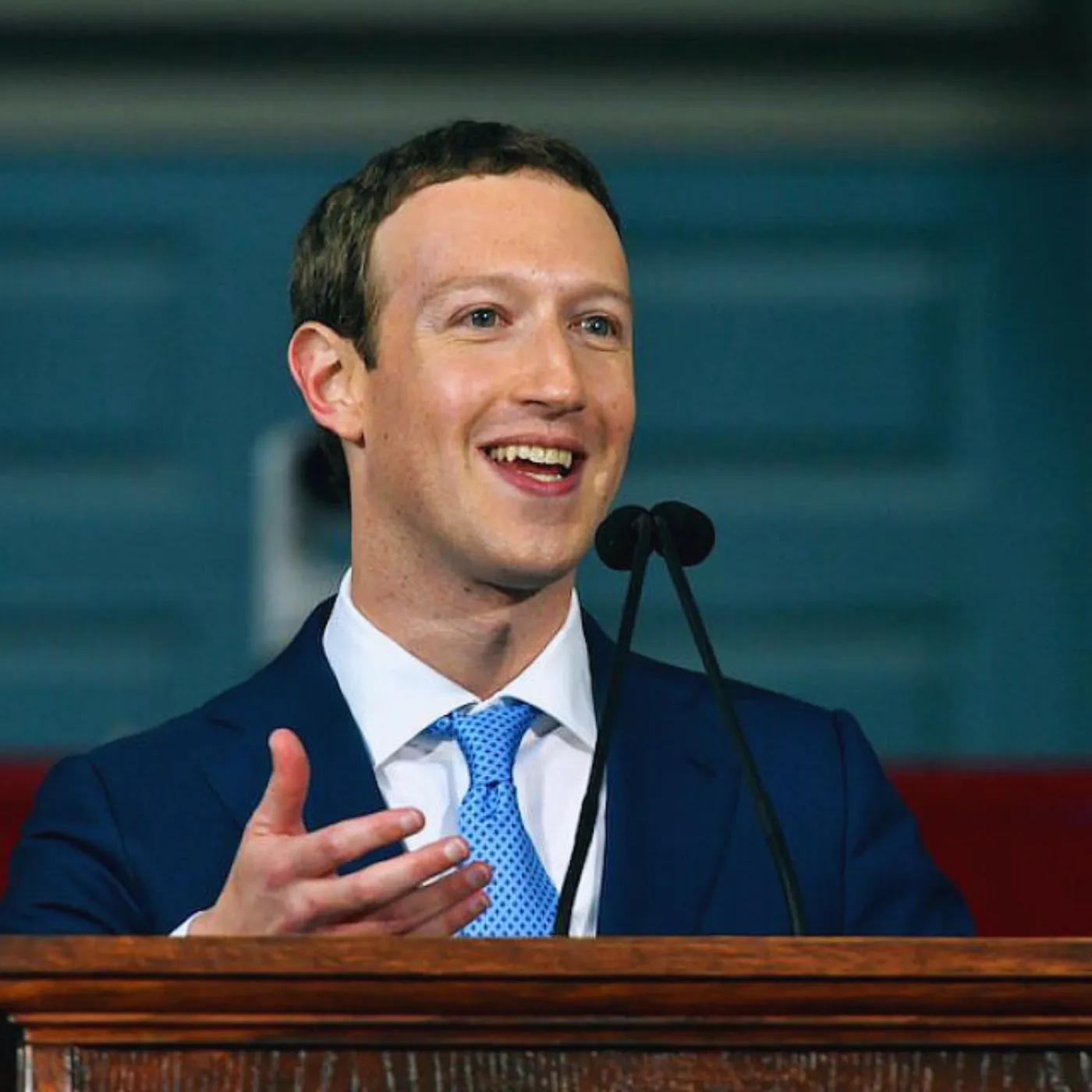
Mark Zuckerberg Just Dropped $10 Billion—And the Internet Can’t Believe Who He Partnered With
In a move that has Silicon Valley buzzing, Mark Zuckerberg and his company Meta have signed a $10 billion cloud deal with Google while announcing a high-profile partnership with MidJourney, one of the most viral names in artificial intelligence today. The announcements come as Meta restructures its AI empire, unveiling its ambitious SuperIntelligence Labs, and making bold plays to snatch top talent away from rivals—including those at OpenAI, the maker of ChatGPT.
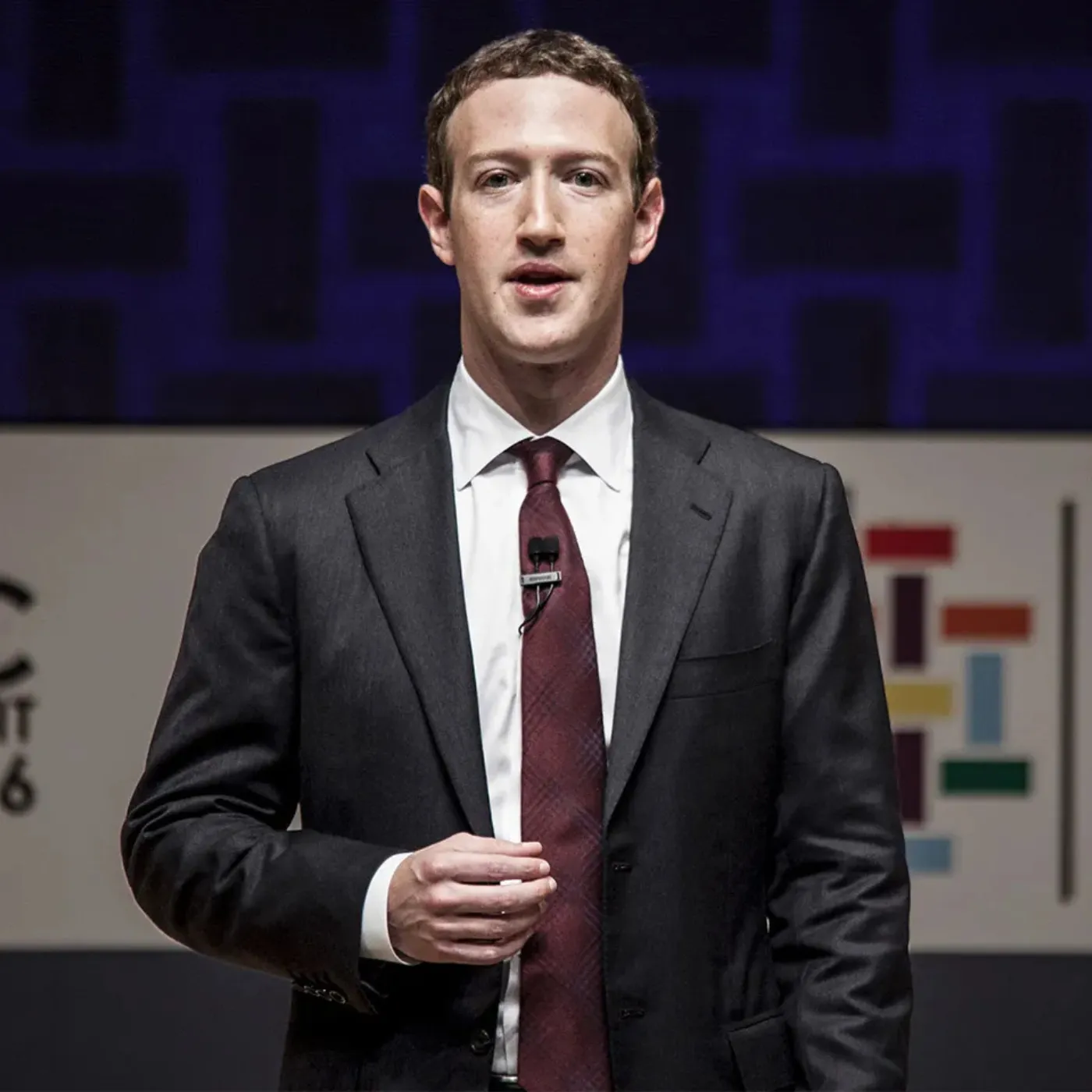
The timing of these moves isn’t just strategic—it’s explosive. Social media users are already calling it one of the biggest power plays in the ongoing AI arms race, with memes, hot takes, and think pieces flooding feeds across platforms. If history is any guide, Zuckerberg’s latest gamble could either cement Meta as the undisputed leader in AI or set the stage for one of the most expensive failures in tech history.
Meta’s $10 Billion Cloud Bet
At the heart of the headlines is Meta’s $10 billion deal with Google Cloud, a partnership that caught both fans and critics off guard. For years, Meta and Google have been positioned as rivals—fighting over ad revenue, digital dominance, and control of the internet itself. But now, Zuckerberg has decided to trust Google with the massive computing power needed to train and deploy Meta’s next-generation AI models.
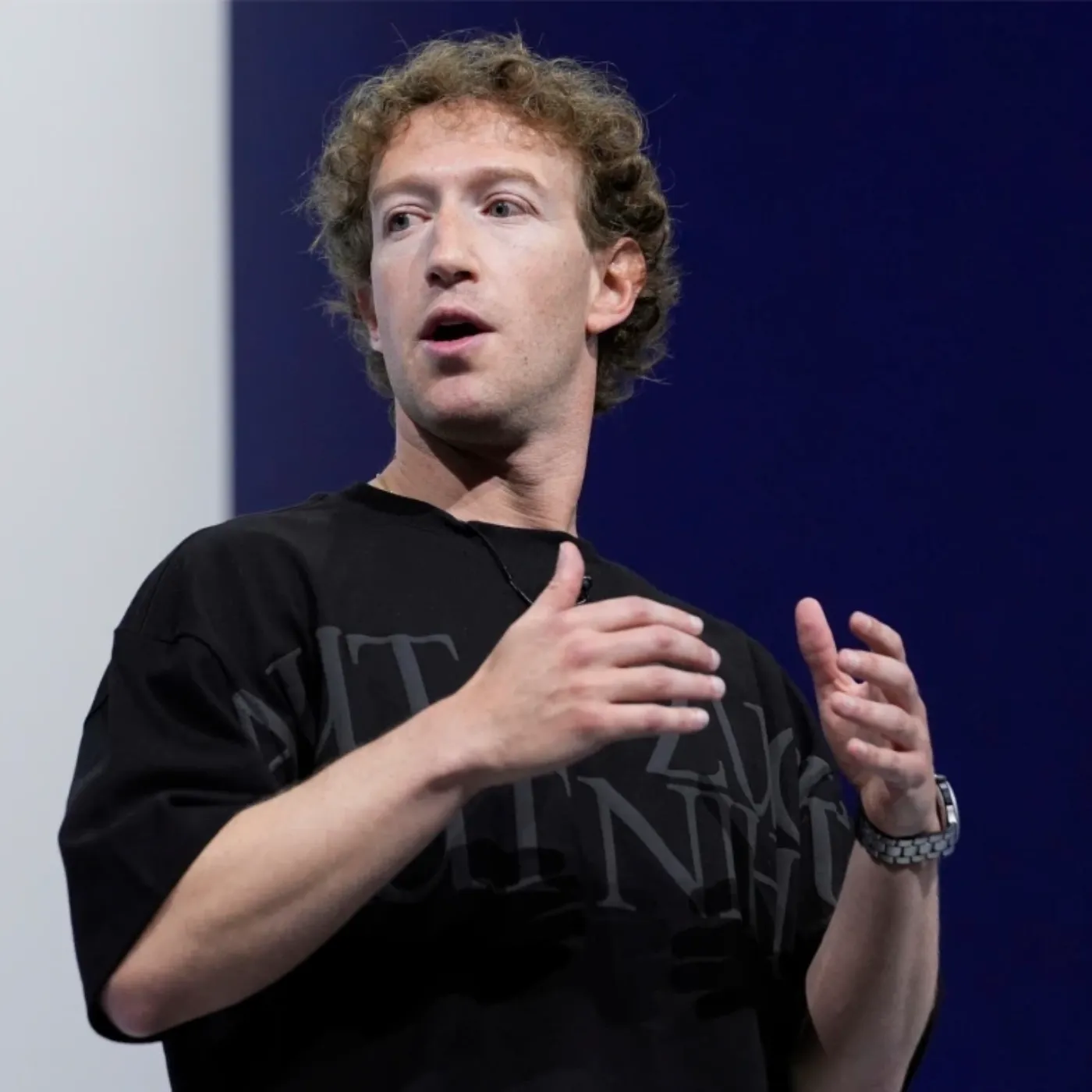
Insiders say this wasn’t just about server space. Meta’s upcoming SuperIntelligence Labs requires unprecedented computing capacity—and while Meta has built data centers of its own, the speed of AI development demands partnerships that can deliver results now. Google Cloud, with its track record in AI-optimized infrastructure, became the obvious choice.
Yet not everyone sees this as a win. Critics online are calling it “a $10 billion gamble that puts Meta’s future in Google’s hands.” Hashtags like #MetaRisk and #ZuckerbergBet have already begun trending, with tech commentators debating whether Meta is overreaching in its pursuit of dominance.
Why MidJourney Is the Wild Card
Perhaps the most surprising part of the announcement is Meta’s strategic partnership with MidJourney, the viral AI image generator that has dominated online creativity since 2022. By teaming up, Meta gains access to generative AI technology that goes beyond language models and directly into visual culture—a domain where Zuckerberg has always wanted Meta to lead.
Think about it: Meta owns Instagram, one of the most image-driven platforms on the planet. With MidJourney’s tools integrated into the Meta ecosystem, the possibilities are endless. Imagine creators being able to generate viral images instantly, brands creating campaign visuals in seconds, and influencers producing AI-driven content without ever leaving the app.
It’s not hard to see why Zuckerberg is so interested. But not everyone is thrilled. Some artists and creators have already voiced concerns, arguing that partnerships like this threaten human creativity. One viral Facebook post put it bluntly: “If Meta integrates MidJourney, say goodbye to real art on Instagram.”
Enter the SuperIntelligence Labs
Beyond the flashy deals, Zuckerberg’s most ambitious move is the creation of Meta’s SuperIntelligence Labs. The name alone sounds like something pulled from a sci-fi movie, but insiders say this is the crown jewel of Meta’s AI strategy.
The Labs’ mission? To build AI systems so advanced that they don’t just rival competitors—they redefine what’s possible. To achieve this, Zuckerberg has been aggressively recruiting talent, including poaching researchers from OpenAI, the company behind ChatGPT.
Leaked reports suggest that Meta is offering astronomical salaries and research freedom to lure top scientists away from rivals. Critics call it “Zuckerberg’s AI arms race”, while fans argue it’s about time someone challenged OpenAI’s dominance.
The Labs are expected to focus on three main pillars:
-
Generative AI – expanding tools like MidJourney into Meta’s platforms.
-
Conversational AI – building models that can rival or surpass ChatGPT.
-
Superintelligence Research – exploring long-term breakthroughs that could change the future of human-machine interaction.
The stakes couldn’t be higher. If Meta succeeds, the company could redefine not just social media but the entire landscape of AI-powered technology.
The Rivalry With OpenAI
Perhaps the most controversial angle of all this is Zuckerberg’s rivalry with OpenAI. For years, OpenAI has held the crown as the most visible player in AI, largely thanks to the viral success of ChatGPT. But now, with Meta’s SuperIntelligence Labs and a $10 billion war chest, Zuckerberg is sending a clear message: Meta is coming for the throne.
Industry insiders say this isn’t just about technology—it’s personal. Zuckerberg has been watching as OpenAI dominates headlines, while Meta’s AI efforts have been seen as secondary. By pulling talent directly from OpenAI and investing heavily in partnerships, Zuckerberg is effectively declaring war.
And the internet has noticed. Viral tweets read things like “Zuck’s tired of memes about ChatGPT—he wants MetaGPT.” Others are more skeptical, suggesting Meta’s history of missteps (remember the Metaverse flop?) could repeat itself here.
Why This Matters for Everyday Users
While billion-dollar deals and AI labs sound far removed from daily life, the truth is, these moves could directly change how billions of people use the internet.
-
On Facebook: Expect to see AI-generated posts, smarter recommendations, and potentially entire communities shaped by AI-driven content.
-
On Instagram: The integration of MidJourney could allow influencers to create viral visuals at lightning speed, forever changing the culture of online creativity.
-
On WhatsApp: AI assistants could transform how people communicate, from automated replies to advanced translation in real time.
In other words, Zuckerberg isn’t just betting on AI for business—he’s embedding it into the daily digital lives of billions.
The Critics Are Louder Than Ever
Of course, every big move by Zuckerberg comes with backlash, and this one is no different. Critics are pointing to several major risks:
-
Dependence on Google – By leaning so heavily on Google Cloud, Meta risks being dependent on a direct competitor.
-
Artistic Backlash – With MidJourney, artists fear their work will be overshadowed by AI content.
-
Talent Wars – Poaching from rivals may create short-term wins but could backfire if researchers view Meta as opportunistic.
-
Public Trust – Meta’s reputation, still recovering from years of controversies, could take another hit if AI integration is perceived as invasive or manipulative.
One viral Facebook comment summed it up: “Zuckerberg is playing God with AI, and history shows that never ends well.”
Why Zuckerberg Might Actually Win
Despite the criticism, there are reasons to believe Zuckerberg’s gamble could succeed. For one, Meta owns more user data than nearly any other company on Earth. Data is the fuel of AI—and Meta has an endless supply.
Second, Meta has proven time and again that it can pivot. From the rise of mobile-first platforms to the acquisition of Instagram and WhatsApp, Zuckerberg has shown a knack for making big bets that pay off. Even the much-mocked Metaverse investments gave Meta the infrastructure it now leverages for AI.
Finally, the combination of Google’s infrastructure, MidJourney’s creativity, and Meta’s reach creates a trifecta of power few competitors can match.
The Future: AI Wars Heat Up
Looking ahead, this deal is more than just news—it’s a signal. The AI wars are officially entering their next phase. With Meta, Google, and MidJourney joining forces, the pressure on OpenAI, Microsoft, and other rivals has never been greater.
Already, analysts are speculating about the next moves. Will Apple double down on its secretive AI projects? Will Amazon escalate its investment in AWS-powered AI? Will OpenAI strike new deals to keep pace?
What’s clear is that Zuckerberg has thrown down the gauntlet, and Silicon Valley is watching.
Conclusion: The $10 Billion Gamble That Could Change Everything
At the end of the day, this isn’t just about a cloud deal or a new partnership. It’s about the future of the internet itself. Zuckerberg is betting that AI is the next great frontier, and he’s willing to spend billions—and risk his company’s reputation—to make sure Meta leads the charge.
If he’s right, Meta could redefine the digital landscape, shaping how billions of people interact online. If he’s wrong, the company could burn through billions, alienate creators, and end up as a cautionary tale in tech history.
Either way, the world will be watching. Because when Mark Zuckerberg drops $10 billion on AI, it’s not just a business story—it’s a cultural moment. And like every cultural moment, it comes with memes, drama, and endless speculation.