Margot Robbie Hits 35 and Hollywood Still Can’t Handle Her Next Power Play
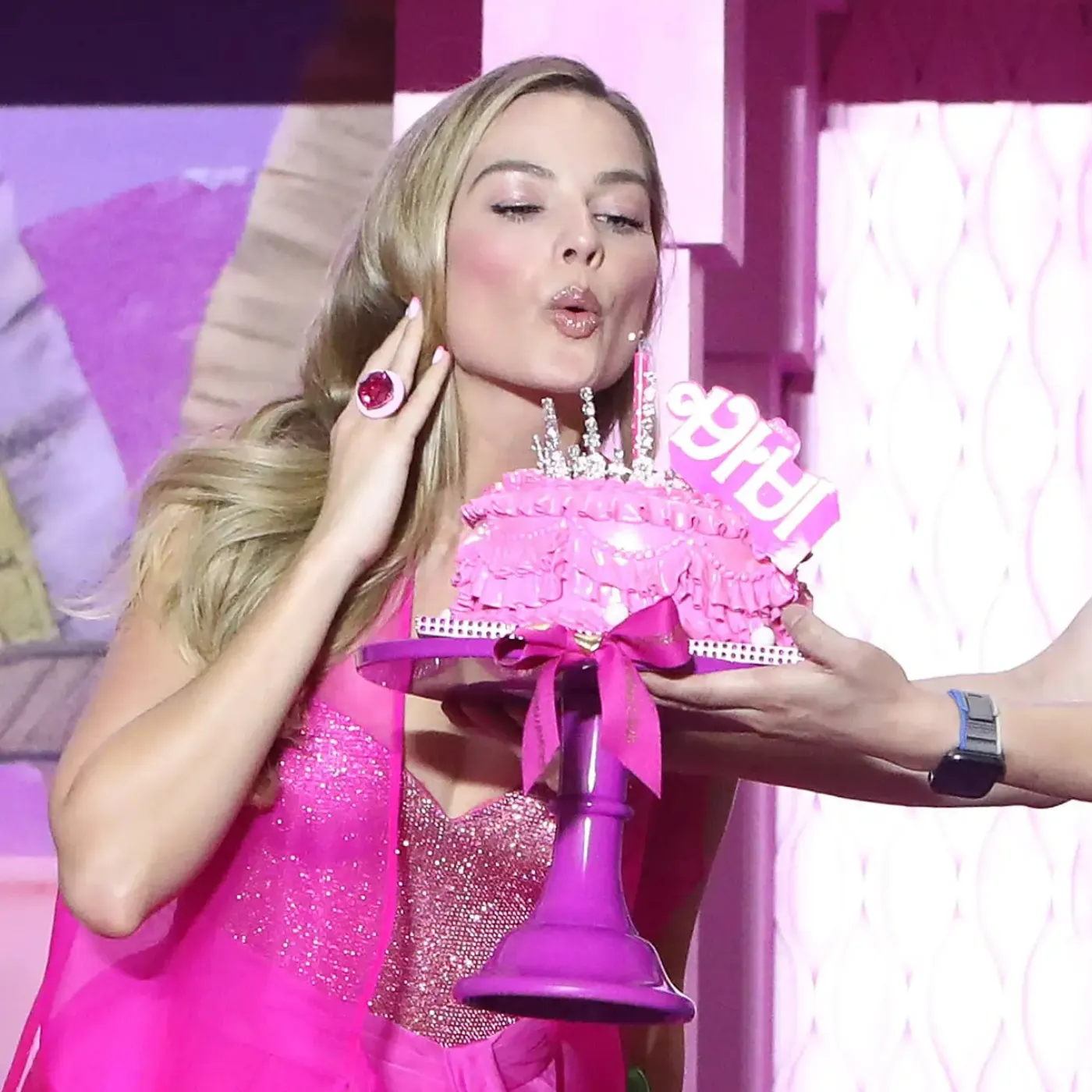
Margot Robbie just turned 35, and if you thought that milestone would slow her down, you’ve missed the point entirely. This isn’t just a birthday. It’s a headline. A cultural moment. Proof that an actress once dismissed as “just another pretty face” is now arguably one of Hollywood’s most calculated, bankable, and obsessively watched power players.
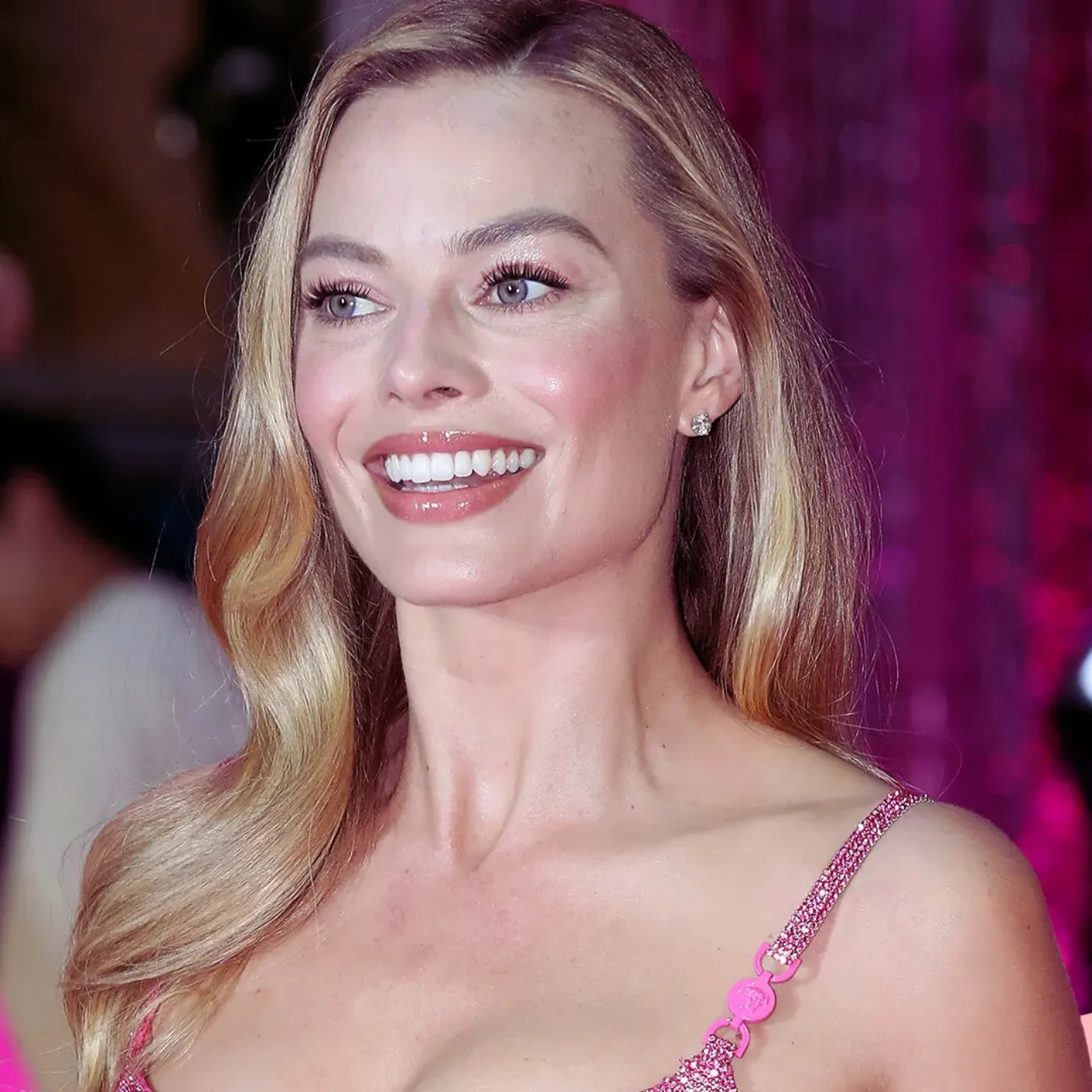
From small-town Australia to global domination, Robbie’s career isn’t a straight line. It’s a blueprint for reinvention. And on her 35th birthday, the world isn’t just celebrating her longevity—it’s dissecting her playbook.
The Queensland Roots That Built the Monster
Robbie didn’t come out of the gate as an industry insider. She wasn’t a child star with a studio contract. Born in Dalby, Queensland, she grew up far from any Hollywood backlot.
She worked at Subway. She cleaned houses. Her origin story is exactly the kind of viral meme material that the internet can’t resist.
But there’s a darkness to that grit. This wasn’t a cute side hustle. It was a necessity. The Margot Robbie you see today—the one posing in couture gowns and signing franchise deals—was built in that furnace.
When people talk about “Australia’s gift to Hollywood,” they forget she’s self-made in the most ruthless sense. She didn’t have a Hollywood uncle. She didn’t have the nepotism boost. What she had was hunger.
Neighbours Wasn’t Just a Soap Opera—It Was Her Training Ground
Before she was Harley Quinn. Before The Wolf of Wall Street. Before Barbie. There was Neighbours.
A lot of actors treat their soap opera years like an embarrassing secret. Robbie never pretended. She once described the daily grind of shooting up to 17 scenes in a single day as “bootcamp for acting.”
That’s the key with Margot Robbie. Nothing is an accident. She knows the narrative value of an underdog. She uses it. She weaponizes it.
Even now, interviews about her early career are delivered with that knowing wink. It’s not a shame. It’s strategy.
The Wolf of Wall Street Audition That Changed Everything
If there’s one scene that made Margot Robbie a household name, it’s that moment in The Wolf of Wall Street.
But it’s not the film that’s legendary in marketing circles—it’s how she got it.
She didn’t just read the lines. She slapped Leonardo DiCaprio across the face in her audition.
The press loves to tell it as a Cinderella moment: plucky unknown shocks the room, wins the role. But there’s a lesson there for every would-be star.
Robbie’s never been afraid to seize the moment, even if it means making someone uncomfortable. That slap wasn’t just improvisation. It was calculation.
Margot Robbie the Producer Is Even More Dangerous
Here’s the part people often forget: Margot Robbie isn’t just an actress.
She’s a producer.
Her production company, LuckyChap Entertainment, is arguably one of the smartest brand moves by any modern star.
She didn’t just want better roles for herself. She wanted control. She wanted to decide which stories got told.
And she’s unapologetic about her criteria: if it doesn’t have a strong female perspective, it’s not a LuckyChap project.
That line alone made industry insiders nervous. Because it’s not the safe, “I’m just happy to be here” approach. It’s a declaration of taste. A promise of curation.
In an industry terrified of missing the next big thing, LuckyChap has become the cool kid table.
I, Tonya Wasn’t Just Acting—It Was a Manifesto
2017’s I, Tonya changed everything.
Robbie didn’t just star. She produced. She picked the script. She shaped the tone.
Critics raved about her performance, but the real flex was off-screen.
This wasn’t a studio vehicle. It was a proof of concept for LuckyChap. It told Hollywood she could make prestige cinema that also made money.
It wasn’t an accident that the film made Oscar voters re-examine Tonya Harding, turning tabloid fodder into tragedy. That’s the Robbie touch: humanizing the headline while dominating it.
The Suicide Squad Problem—and How She Solved It
Harley Quinn was supposed to be a punchline.
The first Suicide Squad movie was a critical mess, but Margot Robbie came out of it unscathed. How?
Because she understood something the studio didn’t.
She knew Harley Quinn wasn’t just fanservice in hotpants. She was tragedy and chaos and vulnerability.
That understanding gave her leverage. When Warner Bros. wanted more Harley, Robbie didn’t just sign the check. She demanded creative control.
Birds of Prey wasn’t just another franchise cash-in. It was a test case for what happens when a blockbuster actually listens to its star producer.
Barbie—The Ultimate Power Move
Nothing defines Robbie at 35 better than Barbie.
It would have been so easy to fail.
The Barbie brand is a landmine of feminist critique and corporate expectation. But Margot Robbie didn’t just star. She engineered it. She pitched Greta Gerwig. She sold the studio on letting Barbie be weird, satirical, and self-aware.
This is the ultimate Margot Robbie play: take the thing everyone thinks they understand and make them see it differently.
Barbie wasn’t just a movie. It was a cultural event. A meme factory. A box office juggernaut.
And at the center of it all was Robbie, proving that commercials can be clever and feminists can be fun.
Margot Robbie at 35 Is Still Playing Everyone
If there’s a unifying theme to Margot Robbie’s evolution, it’s that she’s always three steps ahead.
She knows how to give a headline without giving the whole story. She knows when to play humble and when to play ruthless.
She’s a master of the controlled leak, the viral soundbite, and the relatable “I’m just like you” moment that still feels impossibly glamorous.
Even now, she’s positioning herself for the long game. Producing more than acting. Building a brand that doesn’t rely on youth or box office alone.
The Data Doesn’t Lie
Barbie grossed over $1.4 billion worldwide.
I, Tonya earned Oscar nominations and critical acclaim on a tiny budget.
LuckyChap projects have won awards and sold streaming rights for big money.
Margot Robbie’s name consistently trends on Google whenever a new project drops.
She’s not fading. She’s expanding.
The Controversy That Keeps Her Interesting
Margot Robbie is not immune to backlash.
Some think she’s overrated. Some call her calculated. Some critique her as being “too perfect.”
But that’s the point.
She’s polarizing enough to stay in the conversation but controlled enough to avoid cancellation.
She knows a bit of scandal sells. A bit of “too good to be true” gossip keeps the clicks coming.

Final Thought: Margot Robbie at 35 Isn’t Peaking; She’s Ascending
Most stars are scrambling at 35 to hold onto their spot.
Margot Robbie? She’s building an empire.
She’s the actress who became a producer. The blockbuster lead who also does Oscar bait. The Aussie beach girl who charmed Scorsese and outplayed the suits.
As she turns 35, don’t expect a midlife crisis.
Expect another reinvention.
Because Margot Robbie isn’t here to be Hollywood’s sweetheart. She’s here to run it.