




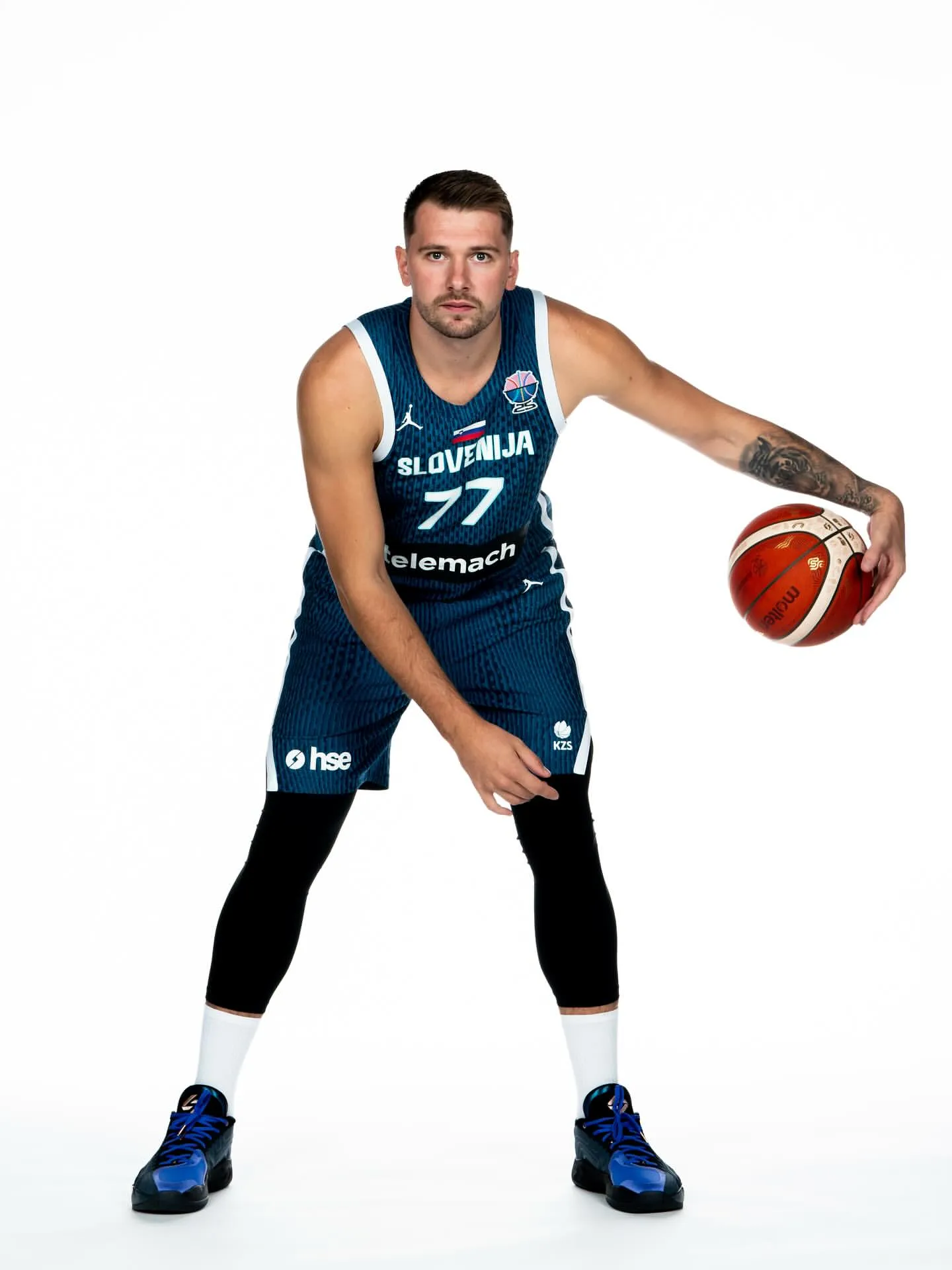
Luka Doncic shares his thoughts on the negative comments fans have made about his weight loss.
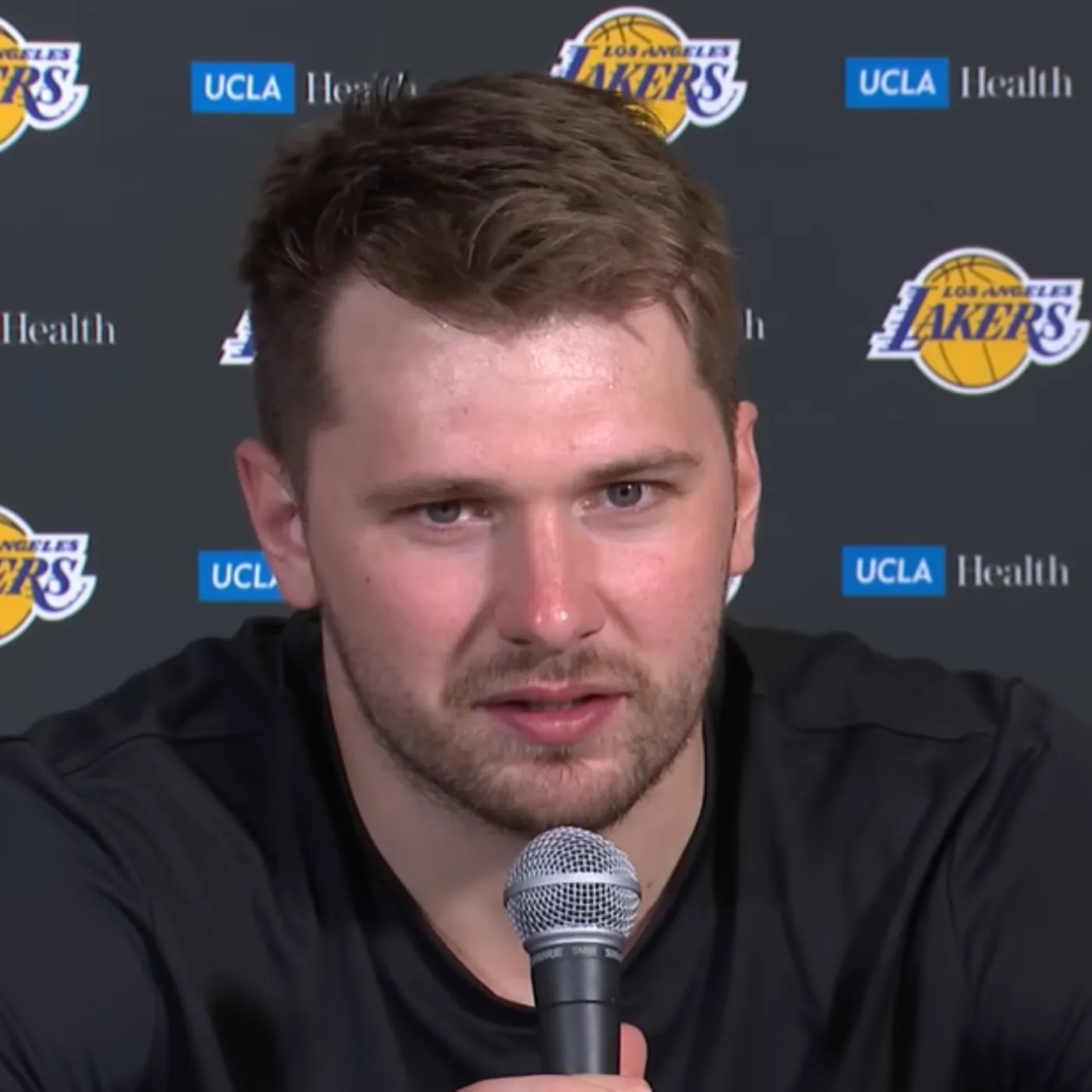
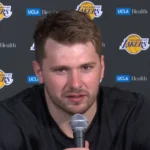
In the ever-watchful world of professional sports, every move, every play, and every personal detail of a superstar is scrutinized. For Luka Dončić, the Slovenian-born NBA sensation who has become the face of the Dallas Mavericks, this scrutiny often centers on more than just his basketball performance. Over the past few seasons, discussions around his fitness and body image have gone viral, creating memes, sparking debates, and sometimes unfairly overshadowing his extraordinary skill on the court. In a recent interview highlighted by Complex Sports, a short video clip captured Luka Dončić candidly addressing his fitness journey and the wave of public commentary surrounding his weight loss. With the bold caption “LUKA DONČIĆ ON HIS FITNESS JOURNEY” displayed above his image, and his own acknowledgment that “Obviously, there were so many memes,” Luka revealed the emotional and personal side of an issue that fans and critics alike have discussed for years.
The Instagram post by Complex Sports carried another caption: “Hookah Dončić deserves to relax too 🤝 LINK IN BIO for the full interview.” This statement encapsulated the dual narrative: while fans might poke fun and create viral jokes, Luka is still a human being who deserves rest, balance, and the right to live without relentless pressure. But behind the memes and the laughter lies a more serious conversation about body image in sports, how athletes deal with online criticism, and what Luka’s response reveals about resilience and authenticity in the modern era of the NBA.
Luka Dončić and the Weight Debate
Since joining the NBA in 2018, Luka Dončić has been hailed as one of the most gifted players of his generation. His court vision, scoring ability, and leadership have elevated the Dallas Mavericks into consistent playoff contention. Yet, while his highlights dazzle, another narrative has run parallel to his basketball journey: debates about his conditioning and physical shape.
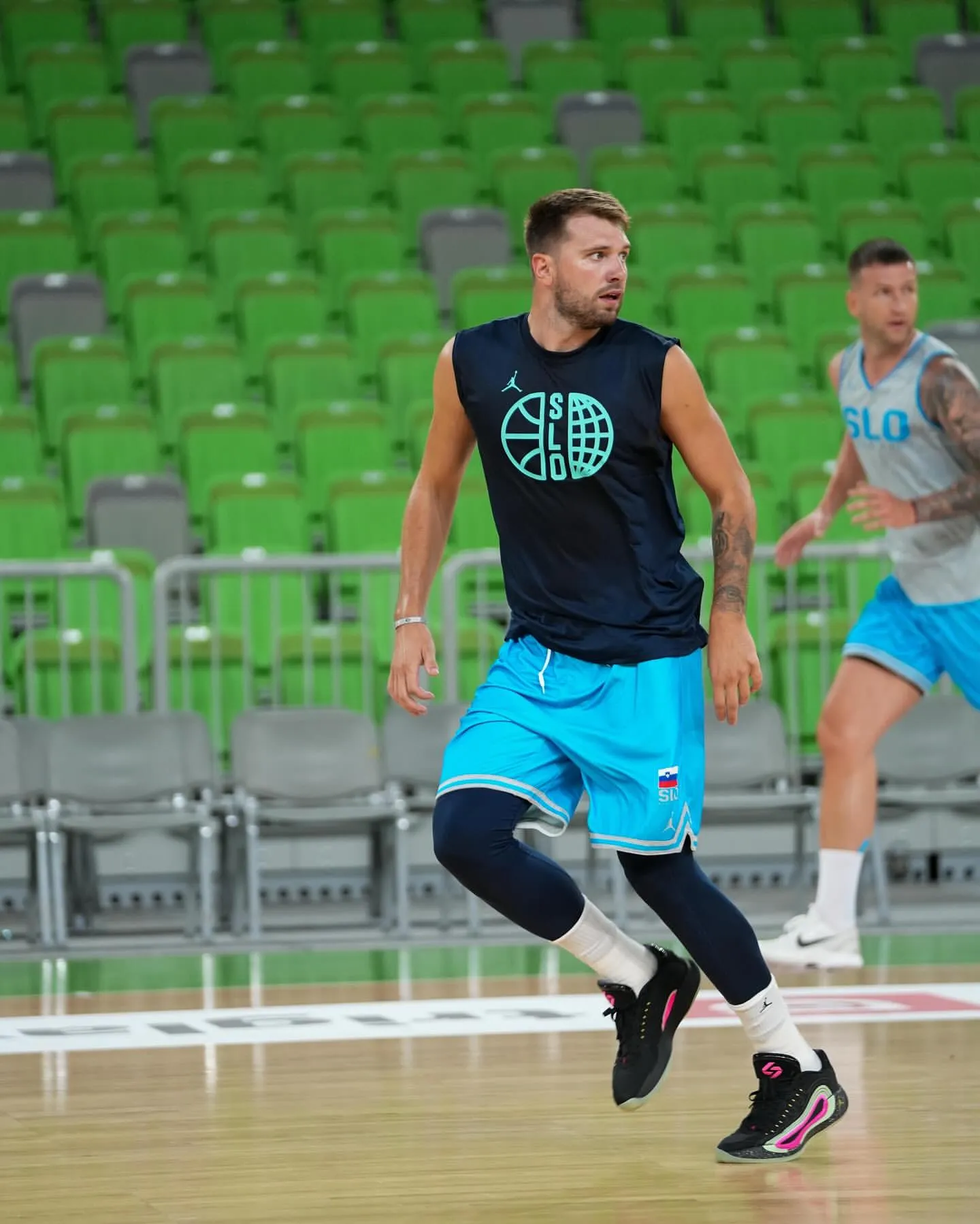
Photos of Luka appearing less toned during offseasons have fueled speculation, criticism, and countless memes. Fans on social media dubbed him “Hookah Dončić,” referencing both viral images of him enjoying nightlife and the perception that he was not as dedicated to fitness as other NBA stars. Although often meant in jest, the nickname became a shorthand for internet commentary on his physique.
For Luka, these comments weren’t just harmless jokes—they reflected the intense spotlight that today’s athletes endure. When asked directly about the wave of memes, Luka admitted, “Obviously, there were so many memes.” This simple statement revealed both awareness and a level of self-acceptance. Unlike many athletes who grow frustrated with public judgment, Luka approached the subject with humor while still working diligently behind the scenes to transform his body.
The Fitness Journey: Dedication Beyond the Memes
What fans see on Instagram or in paparazzi photos rarely tells the full story. For Luka Dončić, fitness is not just about aesthetics—it’s about enhancing his endurance, agility, and ability to withstand the demands of an 82-game regular season plus the grueling intensity of the NBA Playoffs.
Over the past two years, Luka has made noticeable strides in his conditioning. Reporters close to the Dallas Mavericks have observed his slimmer physique at training camps, his increased quickness in transition, and his improved stamina late in games. His fitness journey, however, wasn’t just about quiet training sessions; it was about overcoming the narrative that surrounded him. Each pound lost or gain in muscle became another data point for critics to dissect.
In interviews, Luka has emphasized that his love for basketball drives his efforts. He isn’t training simply to silence critics—he is training because he knows his potential is limitless when his body is at its best. By addressing his fitness openly, Luka reframed the conversation: it is not about achieving a “perfect” image but about maximizing performance.
Fan Reactions: Between Support and Criticism
The public’s response to Luka’s comments about his body and weight loss has been polarized. On one side, loyal fans defended him, pointing out that his incredible statistics—triple-doubles, clutch performances, and record-breaking numbers—should silence any critique about his body. They argue that Luka Dončić, regardless of appearance, continues to dominate the NBA and deserves respect for his talent and contributions.
On the other side, some critics maintain that as a professional athlete, Luka must always uphold peak conditioning, especially as he becomes the cornerstone of a franchise. For these critics, his fitness is not just personal—it directly impacts the Dallas Mavericks’ championship aspirations. This tension between admiration and expectation reflects the complicated relationship fans have with modern athletes, where performance, personality, and even body image are constantly intertwined.
The memes, while humorous to many, carry an undercurrent of judgment. Luka’s acknowledgment of them, saying there were “so many memes,” shows his ability to absorb criticism with resilience. By confronting the issue instead of ignoring it, Luka has effectively taken control of the narrative, turning what could have been a weakness into an opportunity for growth and connection with fans.
The Pressure of Being a Global Superstar
What makes Luka’s story even more compelling is his background. Born in Ljubljana, Slovenia, Luka rose to prominence in Europe before making the leap to the NBA. By the age of 19, he was already one of the most decorated young players in history, winning EuroLeague MVP and leading Real Madrid to championships. When he arrived in the United States, expectations skyrocketed. He wasn’t just another draft pick—he was billed as the future of the league.
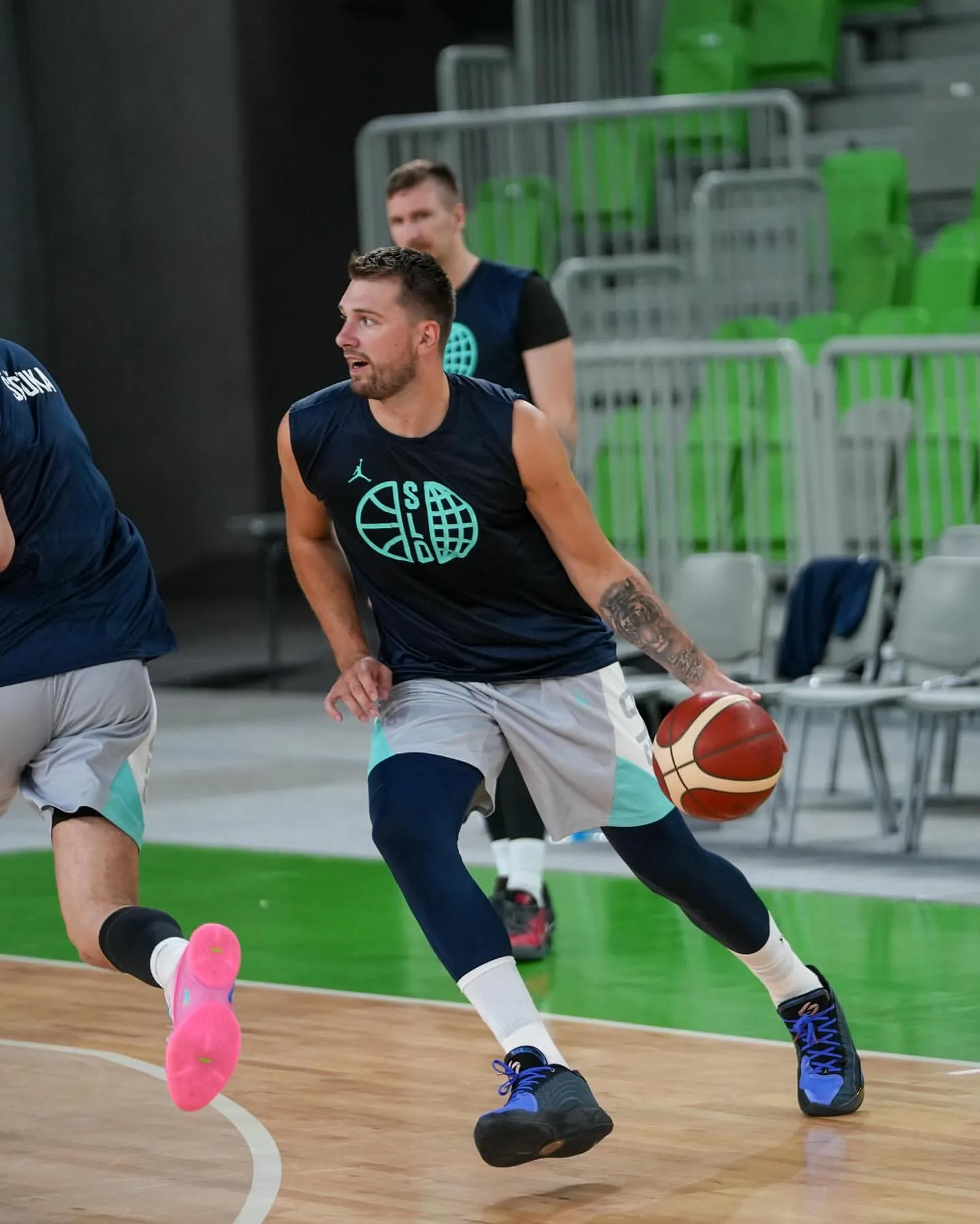
With that level of pressure, it’s no surprise that every aspect of Luka’s life—on and off the court—became subject to global scrutiny. In the age of social media, where images circulate instantly and opinions form in seconds, Luka’s fitness became easy fodder for criticism. But unlike older generations of athletes who could escape public commentary during their downtime, Luka faces an unrelenting online culture that tracks his every move.
The Role of Social Media and Meme Culture
The interview clip posted by Complex Sports shines a light on how social media both entertains and pressures athletes. Meme culture has become a central part of the sports experience. While memes can be harmless fun, they also shape narratives in powerful ways. For Luka, being nicknamed “Hookah Dončić” was a moment of internet virality that transcended basketball.
Instead of responding with anger, Luka acknowledged the memes with humor, effectively disarming critics. By doing so, he reinforced an important message: athletes are human. They can laugh, relax, and still excel at their craft. This perspective is refreshing in a sports culture that often demands perfection, and it explains why so many fans admire Luka not just for his skills but for his authenticity.
Balancing Relaxation and Professionalism
The Complex Sports caption, “Hookah Dončić deserves to relax too 🤝,” highlights a vital aspect of the conversation: balance. For elite athletes, the line between personal life and professional commitment is razor-thin. While fans want their heroes to embody relentless discipline, they sometimes forget that rest, enjoyment, and even indulgence are part of being human.
By stating that Luka “deserves to relax,” the post suggests that the expectations placed on athletes can be unreasonable. No one questions when regular people take vacations, enjoy nightlife, or indulge in guilty pleasures, yet athletes often face backlash for the same behaviors. Luka’s openness reminds fans that balance is essential not only for performance but for mental health.
How Luka Dončić Redefined the Conversation
What makes Luka’s comments significant is how they redefine the conversation around body image in sports. Instead of hiding from criticism or lashing out, he chose honesty and humor. By admitting that memes exist and acknowledging their impact, Luka humanized himself in the eyes of fans. He reminded the world that athletes, even global icons, are not immune to the pressures of image and perception.
This approach sets a precedent for other athletes facing similar scrutiny. In a world where appearances are magnified through social media, Luka demonstrated that authenticity can be more powerful than denial. His response to body-shaming and weight commentary wasn’t defensive—it was empowering.
The Broader Impact: Body Image in Professional Sports
The Luka Dončić conversation also touches on broader issues about body image in professional sports. For decades, athletes—especially male athletes—were expected to project invincibility. But in recent years, discussions around mental health, vulnerability, and authenticity have reshaped this narrative. Luka’s candidness about memes and criticism contributes to this cultural shift.
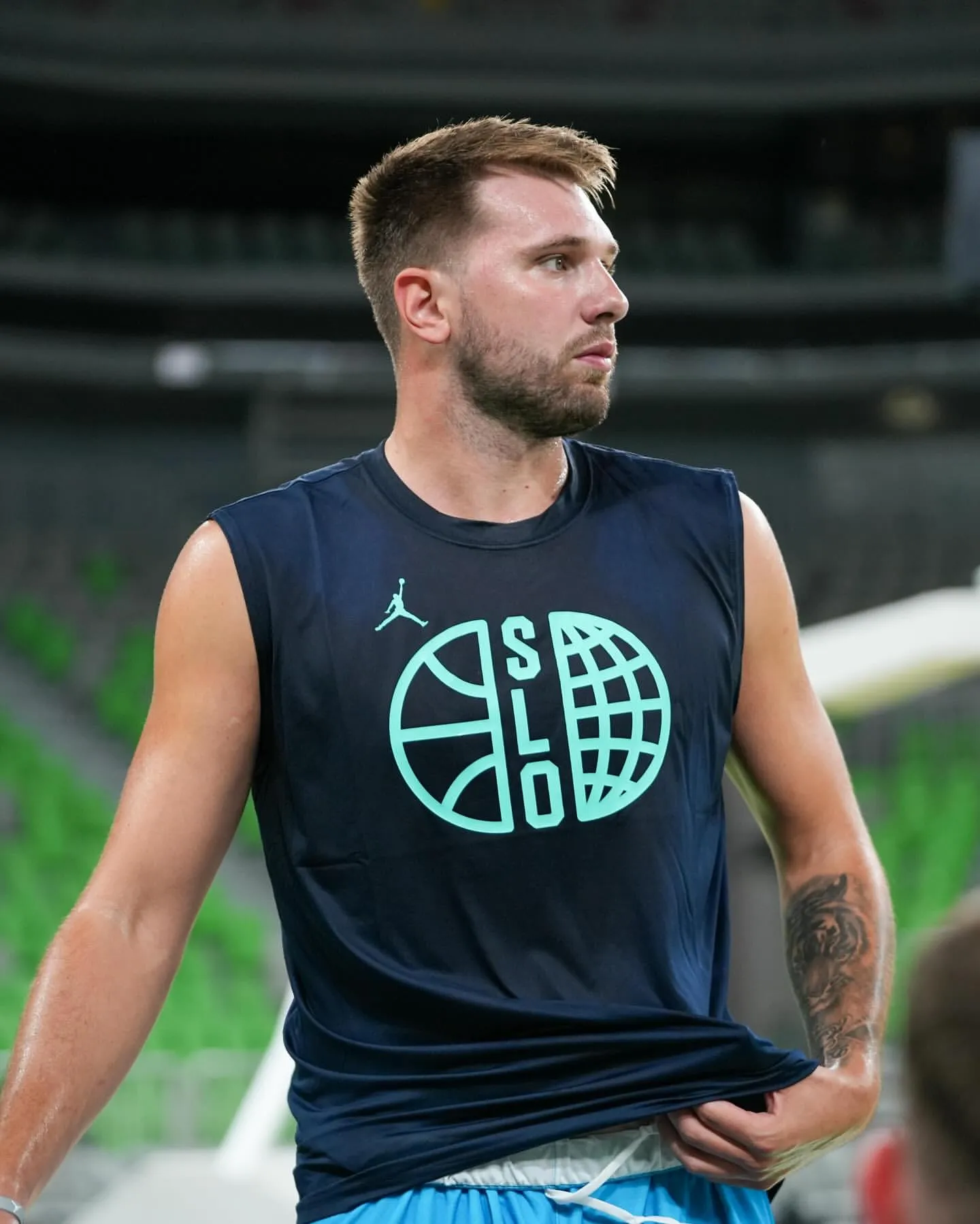
By addressing his weight and fitness journey publicly, Luka not only reclaimed control of his narrative but also encouraged fans to consider the pressures athletes face. His story resonates with young athletes who may also face body image challenges, reminding them that success is not about perfection but persistence.
Conclusion: Luka’s Journey Beyond the Court
The image of Luka Dončić in the Complex Sports interview captures more than just a casual conversation about fitness. It symbolizes an athlete confronting criticism with honesty, humor, and resilience. His acknowledgment of the memes, his ongoing commitment to fitness, and his ability to balance relaxation with professionalism show why he is not only a star but also a role model in the modern NBA.
For fans, the takeaway is clear: while it’s easy to laugh at memes and participate in online commentary, it’s important to remember the human side of athletes. Luka’s story reminds us that greatness is not defined by internet jokes but by perseverance, self-awareness, and the ability to rise above criticism.
As the Dallas Mavericks continue to chase championship dreams, Luka Dončić’s fitness journey and his response to public scrutiny will remain part of his legacy. But rather than letting criticism define him, Luka has chosen to define himself—on his terms, with his humor, and with his undeniable talent. And in doing so, he has transformed what could have been a distraction into a powerful message about resilience in the face of public pressure.
Related News