







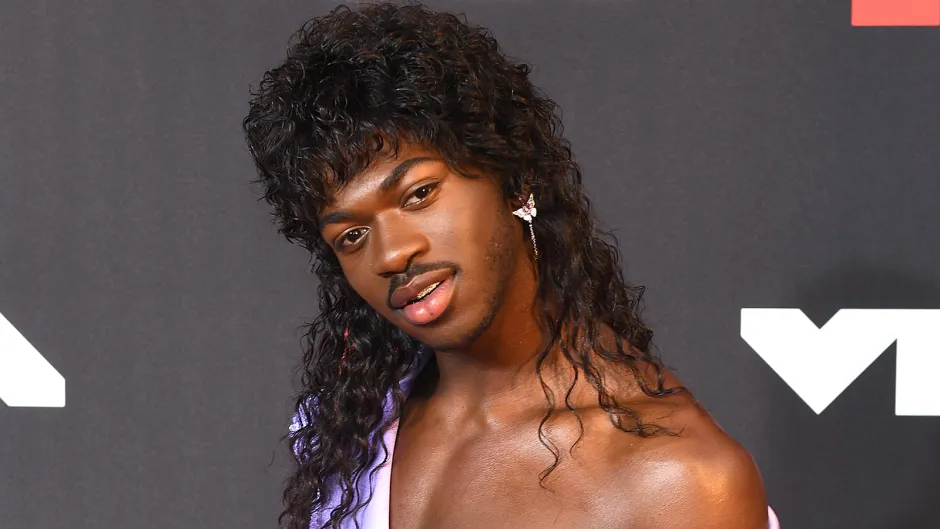
LIL NAS X and THE COST BEHIND THE FAME
In a world inundated with constant headlines — from the ongoing Gaza conflict to the climate crisis and political unrest worldwide — it can feel almost unbearable to process yet another story about a young star facing personal struggles. Recently, Lil Nas X, born Montero Lamar Hill, became the center of attention after reports surfaced of a possible hospitalization due to an overdose. While some may view it as just another celebrity headline, it reflects a broader conversation about fame, vulnerability, and the cost of being seen.
The Hidden Pressure Behind Fame
Lil Nas X took to social media in 2025 to reflect on the difficulties he’s experienced navigating extreme fame. He stated:
“I jumped straight into adulthood with extreme fame around me. So it was really nice to be just outside walking and meeting people in the streets and eating at restaurants, just even alone, spending a lot of alone time in solitude.”
This candid admission highlights a reality often overlooked by fans and the media alike: fame can be isolating. While millions see the glittering performances, viral moments, and social media posts, few witness the mental and emotional toll it takes on young artists, especially those from marginalized communities.
A Pattern Seen Before
The struggles Lil Nas X faces are unfortunately familiar. Artists like Demi Lovato, Aaron Carter, and Whitney Houston all experienced public scrutiny alongside personal challenges. Many cried out for help long before crises emerged. Yet, society often responded with judgment, gossip, or even apathy, prioritizing entertainment over empathy. This pattern is especially concerning for Black queer artists, who face compounded pressures stemming from visibility, identity, and systemic bias.
Lil Nas X: A Cultural Disruptor
Since his breakout hit, “Old Town Road”, Lil Nas X has not only dominated the charts but has also challenged cultural norms. He has used fashion, music videos, and social media to spark conversations about gender, sexuality, race, and religion. His controversial “Montero” video, where he performed a lap dance for a devil figure, became a cultural milestone, illustrating his commitment to artistry and social commentary.
Fans celebrated his boldness, often sharing and reposting content without fully considering the human being behind the persona. Viral fame can be intoxicating for audiences, yet it can obscure the personal cost for the artist at the center.
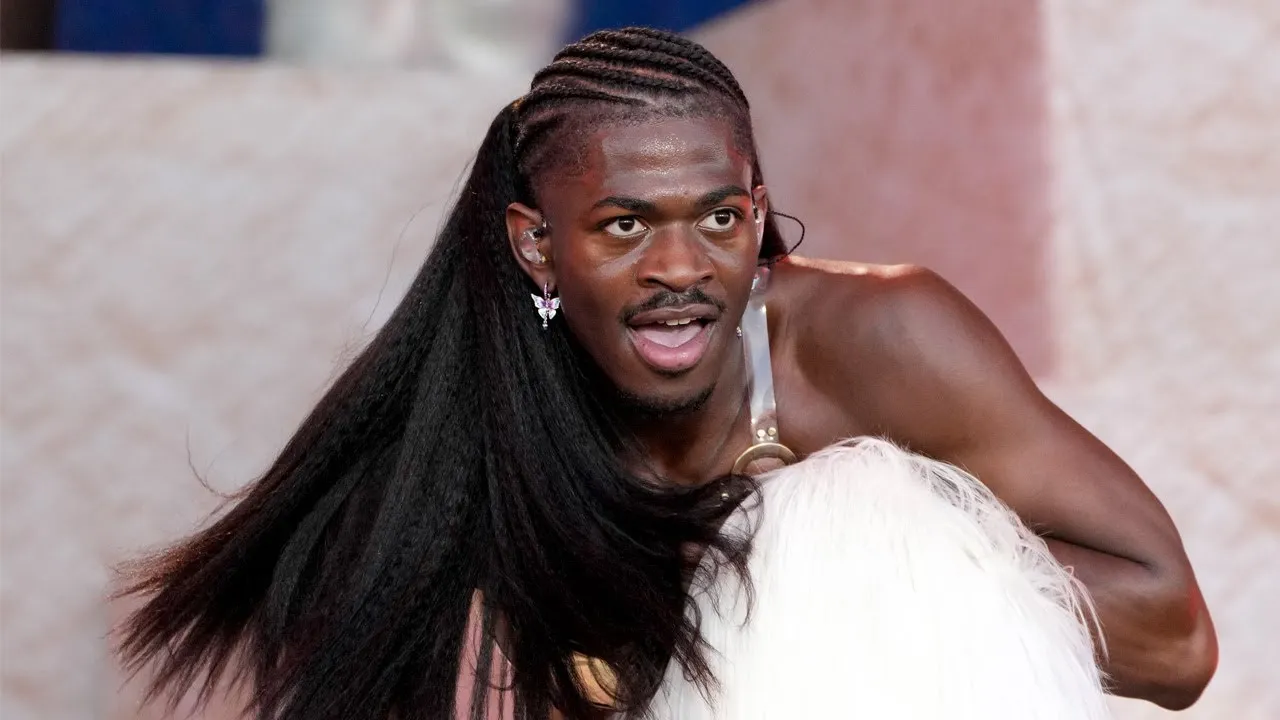
The Human Behind the Headlines
When Lil Nas X openly discussed his struggles, the question arises: do fans and the media respond with empathy, or do they simply anticipate the next shocking performance or social media stunt? Behind every viral post is a person with vulnerabil
For queer artists, visibility comes with additional burdens. Being a symbol of queer Black excellence is empowering, yet it also exposes them to relentless public scrutiny, harassment, and unrealistic expectations. They are often expected to perform resilience first, artistry second, maintaining a flawless public image regardless of personal struggles.
Mental Health in the Queer Community
Research consistently shows that LGBTQ+ individuals face higher risks of anxiety, depression, and suicidal ideation compared to their cisgender and heterosexual peers. When combined with the pressures of stardom, these risks can become amplified. The media’s tendency to sensationalize moments of vulnerability — such as Lil Nas X’s hospitalization — further endangers mental health by turning real struggles into entertainment.
The Media and Audience Responsibility
Media outlets thrive on clickbait headlines and sensational coverage. Tweets, videos, and memes reduce complex personal crises into digestible, often mocking, content. In Lil Nas X’s case, reports of a “possible overdose” risk being consumed as entertainment rather than a call for concern.
Fans and audiences also play a role. Each click, share, or joke contributes to the ecosystem that prioritizes virality over empathy. It is essential to ask: are we engaging to understand and support, or are we complicit in commodifying someone’s pain?
Supporting Artists Beyond the Spotlight
Authentic support extends beyond cheering at concerts or celebrating viral moments. It includes recognizing the human behind the celebrity and advocating for their well-being. Here are ways audiences and industry insiders can act:
-
Shift Engagement: Approach news about artists’ struggles with compassion instead of sensationalism.
-
Provide Resources: Advocate for mental health resources within the entertainment industry, particularly for young, marginalized, or high-profile artists.
-
Normalize Boundaries: Respect when artists need solitude, privacy, or breaks from public appearances.
-
Empathize with Vulnerability: Celebrate vulnerability as strength rather than an opportunity for gossip or ridicule.
The Entertainment Industry’s Role
The entertainment industry profits immensely from the labor and creativity of artists like Lil Nas X, yet often falls short in offering adequate support. Label executives, promoters, and managers must prioritize mental health initiatives, including counseling, peer support networks, and wellness programs, particularly for artists in high-pressure environments. The industry’s responsibility goes beyond profit — it includes the well-being of the talent that drives it.
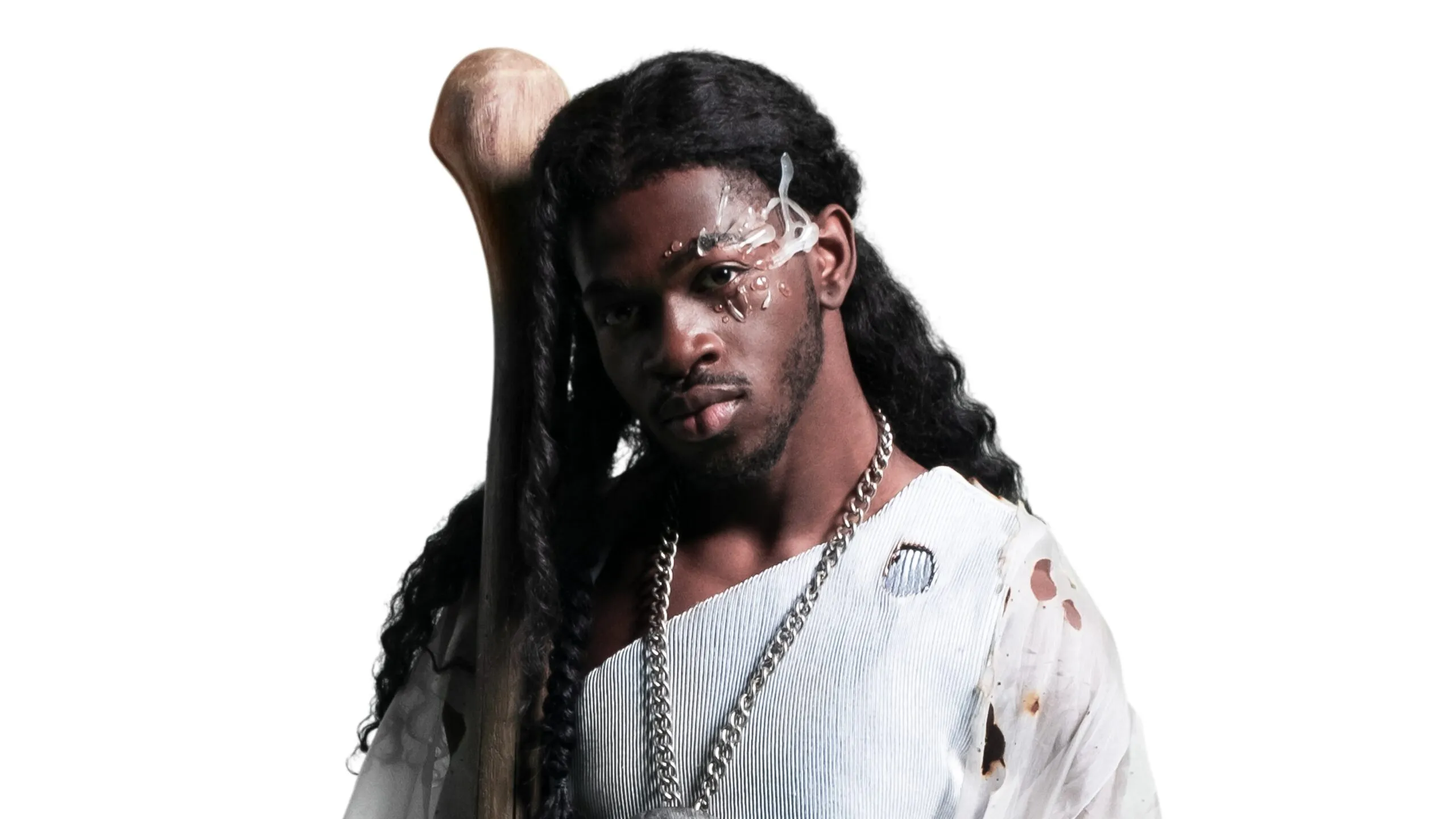
The Cost of Being Seen
For Lil Nas X, visibility is a double-edged sword. Being seen and celebrated provides platforms for influence, cultural impact, and personal expression. Yet, it also exposes him to relentless scrutiny, invasive commentary, and extreme pressure to perform. The recent hospitalization highlights the real cost of fame — one that often goes unseen by fans and commentators.
Visibility without protection can be dangerous. Fame does not guarantee emotional safety; in many cases, it can exacerbate preexisting vulnerabilities. For queer Black artists like Lil Nas X, this reality underscores the need for intentional support structures and genuine empathy from both audiences and industry professionals.
A Call for Compassion and Change
As fans, media consumers, and members of the broader culture, we are invited to reflect on our engagement with celebrity. Consider the impact of clicks, comments, and shares. Vulnerability should never be treated as performance. Instead, it should inspire compassion, conversation, and meaningful action.
Supporting artists like Lil Nas X means celebrating their achievements while advocating for their mental and emotional well-being. It means resisting the temptation to reduce personal crises to content and instead acknowledging the human story behind the headlines.
Conclusion
Lil Nas X’s experience is a poignant reminder of the cost of being seen. Fame can bring unparalleled opportunities and influence, but it also comes with immense pressures that often remain invisible. As a society, we must rethink our approach to celebrity, particularly for young, queer, and marginalized artists who navigate multiple layers of visibility and expectation.
This moment is an opportunity to examine not only how we consume news and entertainment but also how we can offer real support, empathy, and understanding. Whether through personal reflection, advocacy, or industry reform, we have a role in ensuring that visibility does not come at the expense of well-being.
The story of Lil Nas X is not just a headline — it is a call to action for more compassionate engagement, responsible media, and a cultural shift toward valuing mental health as much as fame.
Related News